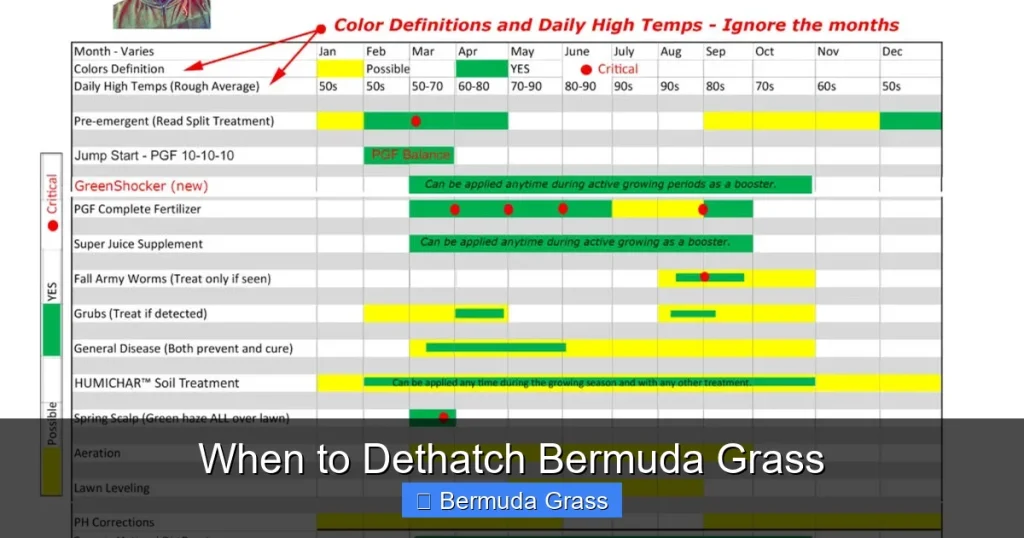
Dethatching Bermuda grass at the right time is crucial for its health and vigor. The ideal period is during its peak growing season, typically late spring to early summer, when soil temperatures consistently reach 65-70°F and above. This ensures the grass can quickly recover from the stress of thatch removal, leading to improved nutrient absorption, better water penetration, and a more robust lawn.
When to Dethatch Bermuda Grass
Hello, fellow lawn enthusiasts! Are you dreaming of that perfectly lush, resilient Bermuda grass lawn? We all are! But sometimes, despite your best efforts with watering and fertilizing, your lawn just doesn’t seem to thrive. The culprit might be something called thatch. Dethatching is a vital lawn care practice, especially for vigorous grasses like Bermuda, but *when* you do it makes all the difference between a rejuvenated lawn and a damaged one.
This comprehensive guide will walk you through everything you need to know about when to dethatch Bermuda grass. We’ll cover what thatch is, why it’s a problem, how to identify if your lawn needs dethatching, the optimal timing for the best results, and crucial steps to take before and after the process. By the end, you’ll be equipped with the knowledge to make informed decisions and achieve a healthier, more beautiful Bermuda grass lawn.
Key Takeaways
- Timing is Paramount: The absolute best time to dethatch Bermuda grass is during its active growth phase, specifically from late spring to early summer, when it can recover quickly.
- Monitor Soil Temperature: Dethatch when soil temperatures consistently reach 65-70°F (18-21°C) at a 4-inch depth, as this signals strong root and shoot growth.
- Assess Thatch Layer: Don’t dethatch unless your Bermuda grass has a thatch layer exceeding 0.5 inches. Too little thatch removal is unnecessary; too much damages healthy grass.
- Prepare Your Lawn: Before dethatching, mow your Bermuda grass shorter than usual, ensure the soil is slightly moist, and mark any irrigation heads or shallow utilities.
- Follow Up with Care: After dethatching, water thoroughly, consider a light fertilizer application to encourage recovery, and avoid heavy stress on the lawn for a few weeks.
- Avoid Stressful Periods: Never dethatch Bermuda grass during drought, extreme heat, or when it’s dormant or under any other significant stress, as this can severely damage or kill the lawn.
What is Thatch and Why Dethatch Bermuda Grass?
Let’s start with the basics. What exactly is thatch? Thatch is a layer of living and dead organic material that accumulates between the soil surface and the green grass blades. It’s made up of stems, rhizomes, stolons, and roots that haven’t fully decomposed. A small amount of thatch (less than half an inch) can actually be beneficial, acting like a natural mulch, insulating the soil, and reducing water evaporation.
However, Bermuda grass is a very aggressive grower, producing a lot of organic material. This means it’s highly susceptible to excessive thatch buildup. When the thatch layer gets too thick (more than half an inch), it becomes a problem.
Problems Caused by Excessive Thatch:
- Blocks Water and Nutrients: A dense thatch layer can act like a sponge, holding water but preventing it from reaching the soil and the grass roots. This means your grass can be thirsty even after watering, and fertilizers won’t be as effective.
- Restricts Air Circulation: Thatch can smother the soil, preventing air from reaching the roots, which is essential for healthy growth.
- Harbors Pests and Diseases: The moist, dense environment within a thick thatch layer is an ideal breeding ground for insect pests and fungal diseases.
- Reduces Drought Tolerance: Because roots are forced to grow in the thatch layer rather than the soil, they become shallower and less resilient to drought conditions.
- Impairs Mowing Quality: Thick thatch can make your lawn feel spongy, leading to an uneven cut and scalping.
Benefits of Dethatching Bermuda Grass:
Dethatching is the process of physically removing this excess thatch layer. When done correctly and at the right time, the benefits are significant:
- Improved water and nutrient absorption into the soil.
- Enhanced air circulation to the root zone.
- Reduced incidence of pests and diseases.
- Stronger, deeper root growth, leading to better drought tolerance.
- A healthier, more vibrant, and resilient Bermuda grass lawn overall.
The Golden Rule: Timing is Everything for Bermuda Grass
This is arguably the most crucial aspect of dethatching Bermuda grass: timing. Bermuda grass is a warm-season grass, meaning it thrives in hot weather and goes dormant in colder temperatures. Dethatching is a stressful process for any lawn, and if you do it at the wrong time, you risk severely damaging or even killing your grass.
When to Dethatch Bermuda Grass: The Ideal Window
The best time to dethatch Bermuda grass is when it’s actively growing and has the energy to recover quickly. This generally means:
- Late Spring to Early Summer: This period, usually from late May through June or early July, is the prime window. By this time, the Bermuda grass has fully emerged from dormancy, has greened up completely, and is growing vigorously.
- Consistent Soil Temperatures: Look for consistent soil temperatures at a 4-inch depth of 65-70°F (18-21°C) and rising. This indicates that the roots are active and ready to support recovery.
Why this timing? Dethatching involves removing a significant portion of the organic material from the turf, which can make the lawn look ragged and stressed initially. If you dethatch when the grass is robust and actively growing, it will quickly fill in bare spots and recover its lush appearance.
When NOT to Dethatch Bermuda Grass: Avoid These Times
Just as important as knowing when to dethatch is knowing when *not* to.
- Never During Dormancy: Avoid dethatching in fall, winter, or very early spring when Bermuda grass is dormant or just waking up. The grass won’t have the energy to heal, and you could cause lasting damage or open it up to winter injury.
- During Extreme Heat or Drought: Dethatching puts stress on the grass. Adding extreme heat or drought stress on top of that is a recipe for disaster. Wait until conditions are milder and consistent moisture is available.
- Immediately After Fertilizing: Give your lawn a few weeks to absorb and utilize nutrients before dethatching.
How to Determine if Your Bermuda Grass Needs Dethatching
You don’t need to dethatch every year, and you shouldn’t dethatch just for the sake of it. The key is to check your lawn to see if it actually has an excessive thatch layer.
Visual and Feel Test:
- Walk on Your Lawn: Does your Bermuda grass feel unusually spongy when you walk on it? This spongy sensation is often a sign of thick thatch.
- Check Water Penetration: After a good watering or rainfall, does water seem to sit on the surface or run off, rather than soaking in? This can indicate thatch acting as a barrier.
The Thatch Layer Measurement Test:
This is the most accurate way to assess your thatch situation.
- Grab a Trowel or Knife: Choose a spot in your lawn that looks problematic.
- Cut and Lift a Small Section: Carefully cut out a small, triangular plug of turf, about 2-3 inches deep.
- Examine the Profile: Look at the side of the plug. You’ll see the green grass blades on top, then the tan or brownish layer of thatch, and finally the soil beneath.
- Measure the Thatch: Use a ruler to measure the thickness of the thatch layer (the brownish, spongy material above the soil).
If your thatch layer measures more than 0.5 inches (half an inch), it’s a good indication that your Bermuda grass would benefit from dethatching.
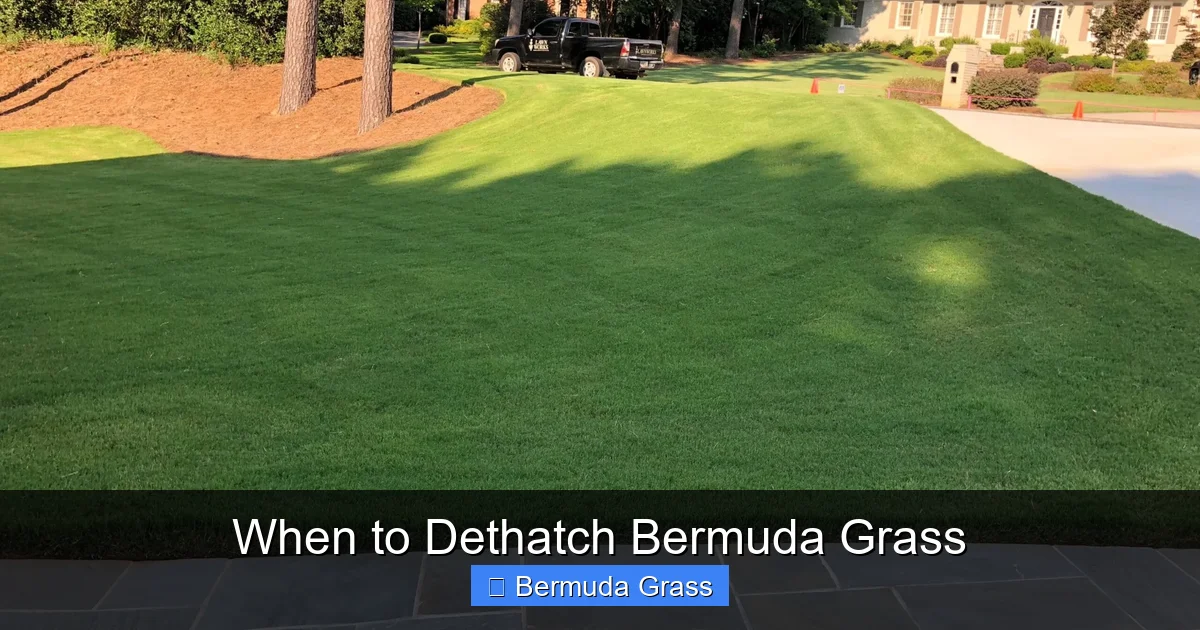
Visual guide about When to Dethatch Bermuda Grass
Image source: liquidlawn.com
Preparation Before Dethatching Your Bermuda Grass
Proper preparation can make the dethatching process smoother and more effective, while also minimizing stress on your lawn.
1. Mow Your Lawn Low
About 3-5 days before you plan to dethatch, mow your Bermuda grass a bit shorter than your usual cutting height, but not so short that you scalp it. This will help the dethatcher blades penetrate the thatch more effectively without overly damaging the green blades.
2. Water Your Lawn
Water your lawn thoroughly 1-2 days before dethatching. The soil should be moist, but not soggy. Dethatching dry, hard soil is difficult and can be damaging to your equipment and your lawn. Moist soil allows the dethatcher’s tines to move through more easily.
3. Mark Obstacles
Walk your lawn and mark any irrigation heads, shallow utility lines, or other obstacles that could be damaged by the dethatching equipment. Use flags or spray paint to make them clearly visible.
4. Choose the Right Tool
The tool you use depends on the size of your lawn and the thickness of the thatch.
- Dethatching Rake: Best for very small areas or light thatch. It’s labor-intensive but gentle.
- Power Dethatcher (Vertical Mower/Verticutter): Ideal for most lawns with moderate to thick thatch. You can rent these from home improvement stores. They have vertical blades that cut into the thatch.
- Scarifier: A more aggressive version of a verticutter, suitable for very thick thatch layers, often with thicker, more robust blades.
Ensure the blades on your power dethatcher are sharp and in good condition.
The Dethatching Process (Brief Overview)
While this guide focuses on “when,” a brief overview of the process helps contextualize the timing.
1. Set the Blade Depth
Adjust your dethatcher’s blades so they penetrate just into the thatch layer, barely scratching the soil surface. You want to remove thatch, not dig up healthy grass or soil. A common starting point is to set the blades about 1/4 to 1/2 inch deep. Test on a small, inconspicuous area first.
2. Make Passes
Run the dethatcher over your lawn in a pattern similar to mowing. For moderate thatch, one pass might be enough. For thicker thatch, consider making a second pass perpendicular to the first (crisscross pattern). This will be more aggressive, so only do it if necessary and if your grass is very healthy.
3. Clean Up
The dethatcher will pull up an incredible amount of dead material. This thatch needs to be raked up and removed immediately. Leaving it on the lawn will undo the benefits of dethatching. You might be surprised by how many bags of material you collect!
Post-Dethatching Care for Bermuda Grass
Your Bermuda grass will look a bit rough after dethatching – this is normal! It might even look somewhat brown and sparse. Don’t panic; this is a temporary state, and with proper aftercare, it will bounce back beautifully.
1. Water Thoroughly
Immediately after dethatching and cleaning up, water your lawn deeply. This helps settle the soil and provides much-needed moisture to the exposed roots. Continue to water consistently for the next few weeks, ensuring the top few inches of soil remain moist.
2. Fertilize Lightly (Optional)
A light application of a balanced, slow-release fertilizer can help encourage new growth and faster recovery. Choose a fertilizer formulated for warm-season grasses. However, avoid heavy fertilization, as this can stress the recovering lawn. If you fertilized recently before dethatching, you might skip this step.
3. Overseed or Reseed (If Necessary)
If your lawn has significant bare spots after dethatching, or if you simply want to thicken it up, you can overseed with Bermuda grass seeds. Make sure you use fresh, high-quality seeds. Follow the package directions for seeding rates and ensure good seed-to-soil contact. Keep the seeded areas consistently moist until germination.
4. Resume Regular Mowing
You can usually resume regular mowing about a week or two after dethatching, once the grass shows signs of recovery and active growth. Continue to mow at your optimal height for Bermuda grass, which is generally between 1-2 inches for a dense, healthy turf.
5. Monitor for Pests and Diseases
While dethatching reduces the risk of pests and diseases, it also exposes the soil and grass to the elements. Keep an eye out for any signs of new issues during the recovery period, although this is generally uncommon if done correctly.
Troubleshooting Common Dethatching Issues
Even with the best intentions, things can sometimes go wrong. Here are a few common issues and how to address them when you dethatch Bermuda grass.
1. My Lawn Looks Worse After Dethatching!
Solution: This is the most common concern. It’s normal for your lawn to look stressed, brown, or sparse immediately after dethatching. Give it time, proper watering, and possibly a light fertilizer. If you dethatched at the right time (peak growth), it should recover within a few weeks to a month. If it still looks bad after a month, reassess your watering and feeding schedule.
2. Not Enough Thatch Was Removed.
Solution: You might not have set your dethatcher’s blades deep enough, or your thatch layer was exceptionally thick. If your lawn is recovering well and it’s still within the optimal dethatching window (late spring/early summer), you could consider making another pass at a slightly deeper setting, but be very cautious not to damage the grass crowns. Otherwise, plan to re-evaluate and possibly dethatch again next year.
3. My Lawn is Not Recovering (After Dethatching at the Wrong Time).
Solution: If you dethatched too early, too late, or during a stressful period, recovery will be slow or may not happen at all. Unfortunately, there’s no quick fix. Focus on providing optimal care: consistent watering, appropriate fertilization, and avoiding further stress. You might need to overseed heavily to help fill in dead areas. Learn from the mistake and commit to proper timing next season.
4. The Dethatcher Damaged My Irrigation Heads.
Solution: This is why marking obstacles is crucial. If you damaged an irrigation head, you’ll need to repair or replace it promptly to ensure proper watering of your lawn during its recovery period.
How Often Should You Dethatch Bermuda Grass?
Dethatching Bermuda grass is not an annual chore for everyone. The frequency largely depends on several factors:
- Growth Rate: Highly aggressive Bermuda varieties or those in ideal growing conditions might build thatch faster.
- Fertilization Practices: Over-fertilizing with nitrogen can promote excessive growth and thatch.
- Soil Type: Compacted soils can slow decomposition, leading to thatch buildup.
- Mowing Habits: Mowing too high can contribute to thatch, especially if you rarely bag clippings.
Generally, you should aim to dethatch your Bermuda grass every 1-3 years, or whenever your thatch layer consistently measures over 0.5 inches. Always perform the thatch test before deciding to dethatch.
Conclusion
Dethatching Bermuda grass is a powerful tool in your lawn care arsenal, capable of transforming a struggling lawn into a vibrant, healthy turf. But its success hinges almost entirely on one factor: timing. By understanding what thatch is, recognizing when your lawn needs intervention, and carefully choosing the late spring to early summer window for dethatching, you set your Bermuda grass up for optimal recovery and long-term health.
Remember to prepare your lawn thoroughly, use the right equipment, and provide diligent aftercare. Your efforts will be rewarded with a thicker, greener, and more resilient Bermuda grass lawn that stands up to the rigors of summer and looks fantastic. Happy dethatching!