
But here’s the thing. “Grub control” isn’t one product, it’s a dozen different chemicals and biological agents that range from practically inert to genuinely dangerous for dogs. Giving a blanket yes or no without knowing what’s in the bag is how well-meaning pet owners get into trouble.
Veterinary toxicology data and EPA product labels consistently show that the real risk comes down to the active ingredient, the amount ingested relative to the dog’s body weight, and how the product was applied. As of 2026, products containing chlorantraniliprole carry a “Caution” signal word and show very low mammalian toxicity, while older actives like trichlorfon and carbaryl (both “Warning” or “Danger” labeled) carry a much narrower safety margin if a dog eats granules directly off the lawn.
Quick Answer
Grub control is generally safe for dogs only under specific conditions. The specific active ingredient matters far more than the brand. Chlorantraniliprole has low mammalian toxicity and is considered the safest chemical option for pet owners. Products with trichlorfon or carbaryl pose higher risks if your dog ingests granules. If you follow the label exactly, water in granules and keep your dog off the lawn until dry, most modern grub control products carry minimal risk.
Why This Question Needs More Than a Simple Yes or No
| | |
|—|
|  |
| Image source: Bing (Web (fair-use with source credit)) |
|
| Image source: Bing (Web (fair-use with source credit)) |
Let me lay out the disconnect most articles gloss over. You search "is grub control safe for dogs" and the top result says "Yes! Use [Brand X], it's pet-safe!" Then you read the actual label and it says, "Keep children and pets out of treated areas until dry."
That's not a contradiction, that's you reading the product exactly as designed to be applied. "Pet-safe" in lawn care marketing usually means "low mammalian toxicity when used on the turf as directed." It does not mean "your Labrador can eat handfuls of granules off the driveway."
Here's what actually determines whether your dog is at risk:
- What active ingredient the product contains, chlorantraniliprole is a completely different risk profile from trichlorfon
- The dog's size relative to dose, a 70-pound Labrador and a 6-pound Chihuahua have vastly different toxicity thresholds
- How the product is applied, unwatered granules lying on the surface are an entirely different risk scenario than product that's been watered in and bound to soil
- Your dog's behavior, grass eaters, diggers, and pica-prone dogs face real exposure that a dog who ignores the lawn does not
- Timing, a freshly treated lawn is not a lawn you want a dog roaming on, period
We'll walk through each of these in detail. By the end, you'll know exactly which products to reach for and which to avoid, based on your specific situation, not marketing copy.
The Active Ingredient Breakdown: What's Actually in Your Grub Control
| | |
|—|
|  |
| Image source: Bing (Web (fair-use with source credit)) |
|
| Image source: Bing (Web (fair-use with source credit)) |
This is where the conversation gets real, and where most articles fail you. You need to flip the bag over, look at the active ingredient, and understand what you're dealing with. Here's a breakdown of the most common active ingredients in consumer grub control products.
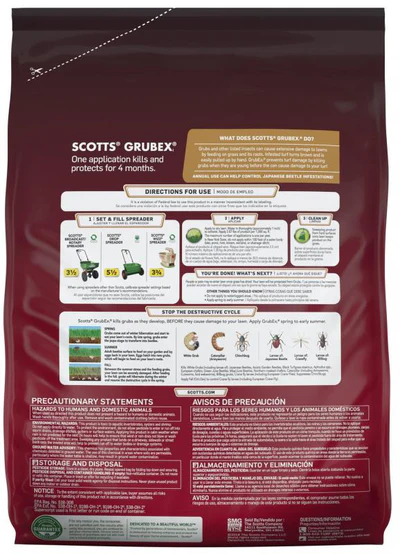
Chlorantraniliprole (e.g., Scotts GrubEx, Quali-Pro Grub Killer)
This is the gold standard for dog owners who need chemical grub control. Chlorantraniliprole belongs to the anthranilic diamide class and works by binding to ryanodine receptors in insect muscle cells. Mammals have these receptors too, but the binding affinity is roughly 1,400 times lower in mammals than in insects, which is why it carries a “Caution” signal word rather than “Warning” or “Danger.”
- EPA signal word: Caution
- Oral LD50 (rat): > 5,000 mg/kg (very low toxicity)
- Pet re-entry: After granules are watered in and lawn is dry
Imidacloprid (e.g., Bayer Advanced Season-Long Grub Control)
Imidacloprid is a neonicotinoid, meaning it acts on the insect nervous system. It's moderately toxic to mammals at high doses. The EPA classifies it as a “Caution” for acute oral toxicity in mammals, but the concern is higher than with chlorantraniliprole, particularly because neonicotinoids have been under regulatory scrutiny for broader ecological reasons since the mid-2010s.
- EPA signal word: Caution
- Oral LD50 (rat): ~450 mg/kg (moderate toxicity)
- Primary concern for dogs: Direct granule ingestion at scale
Trichlorfon (e.g., BioAdvanced 24-Hour Grub Killer Plus)
This one requires attention. Trichlorfon is an organophosphate insecticide. It works by inhibiting acetylcholinesterase, and unlike the options above, that mechanism has significantly more relevance to mammalian systems.
- EPA signal word: Warning
- Oral LD50 (rat): ~250 mg/kg (moderate to high toxicity)
- Cholinesterase inhibition: Yes, the same mechanism responsible for nerve agent toxicity, albeit at vastly lower concentrations
- Risk to dogs if granules ingested: Genuine
Carbaryl (e.g., Sevin granules for lawns)
Carbaryl is a carbamate, which shares the acetylcholinesterase-inhibition mechanism with organophosphates. It was once the default lawn treatment for everything, but regulatory pressure and safety concerns have reduced its use. EPA has restricted some carbaryl formulations in residential turf.
- EPA signal word: Caution to Warning, depending on formulation
- Oral LD50 (rat): ~250, 850 mg/kg (formulation dependent)
- Some residential uses phased out: Per EPA review in the 2020s
Quick comparison table
| Active Ingredient | Signal Word | Mammalian Toxicity | Mechanism | Dog Risk if Granules Eaten |
|---|---|---|---|---|
| Chlorantraniliprole | Caution | Very low | Ryanodide receptor (insect-selective) | Low |
| Imidacloprid | Caution | Low to moderate | Neonicotinoid (nervous system) | Low to moderate |
| Trichlorfon | Warning | Moderate to high | Organophosphate (AChE inhibition) | Moderate to high |
| Carbaryl | Caution/Warning | Moderate | Carbamate (AChE inhibition) | Moderate |
What Makes Certain Grub Products Riskier for Dogs Than Others
The toxicity of the chemical itself is only half the picture. The other half is what your dog actually does with it.
Direct Granule Ingestion Is Where Things Go Wrong
Every year, veterinary poison hotlines report calls about dogs eating grub control granules directly out of the spreader, off a driveway where product spilled, or from spots where granules clumped and didn't get watered in. This is not theoretical. It's one of the most common pesticide ingestion scenarios for household dogs.
Why is it so concerning? Because a granule is a concentrated dose of active ingredient mixed with carriers and inert materials. When a dog swallows granules, the active ingredient hits their system at a much higher concentration than when it's been dispersed across thousands of square feet and diluted with water into the soil profile.
The Watering-In Step Isn't Optional
If you read "water in after application" as a suggestion for better product performance, let me reframe it: it's the single most important step for pet safety. Once granules are dissolved and carried into the top inch of soil, they're no longer accessible to your dog. The active ingredient binds to soil particles and root zones where grubs feed. It's not lying on the surface as something your dog can lick, eat, or roll in.
Cholinesterase Inhibitors vs. Everything Else
Organophosphates and carbamates deserve their own category when talking about dog safety. Most modern insecticides don't affect mammalian nervous systems at any realistic exposure level. But cholinesterase inhibitors do.
They cause salivation, urination, defecation, tearing, vomiting, and muscle tremors. That progression isn't a maybe, it's the pharmacological mechanism at play.
Products containing trichlorfon or carbaryl are not "toxic to dogs." They're specifically neurotoxic at sufficient dose, which is a substantially different risk category than "low-mammalian-toxicity insecticide that might cause mild GI upset if ingested."
Your Dog's Behavior Changes the Equation
You should evaluate your specific dog, not the abstract concept of "a dog."
| Dog Behavior | Risk Profile with Chemical Grub Control |
|---|---|
| Ignores the lawn entirely | Very low — follow product label for re-entry |
| Walks on lawn but doesn't eat grass or soil | Low — safe once granules are watered in |
| Occasionally eats grass | Low to moderate — avoid trichlorfon/carbaryl |
| Known grass eater or dirt nibbler | Moderate — strongly prefer chlorantriliprole or organic options |
| Compulsive pica (eats non-food items) | High — biological controls or milky spore only |
Signs Your Dog May Have Been Exposed to Grub Control Chemicals
| | |
|—|
|  |
| Image source: Bing (Web (fair-use with source credit)) |
|
| Image source: Bing (Web (fair-use with source credit)) |
You applied grub control two hours ago and your dog just ate some granules off the lawn. What would you actually see? Here's a real breakdown, framework style.
For Insecticide Ingestion (Especially Organophosphates or Carbamates)
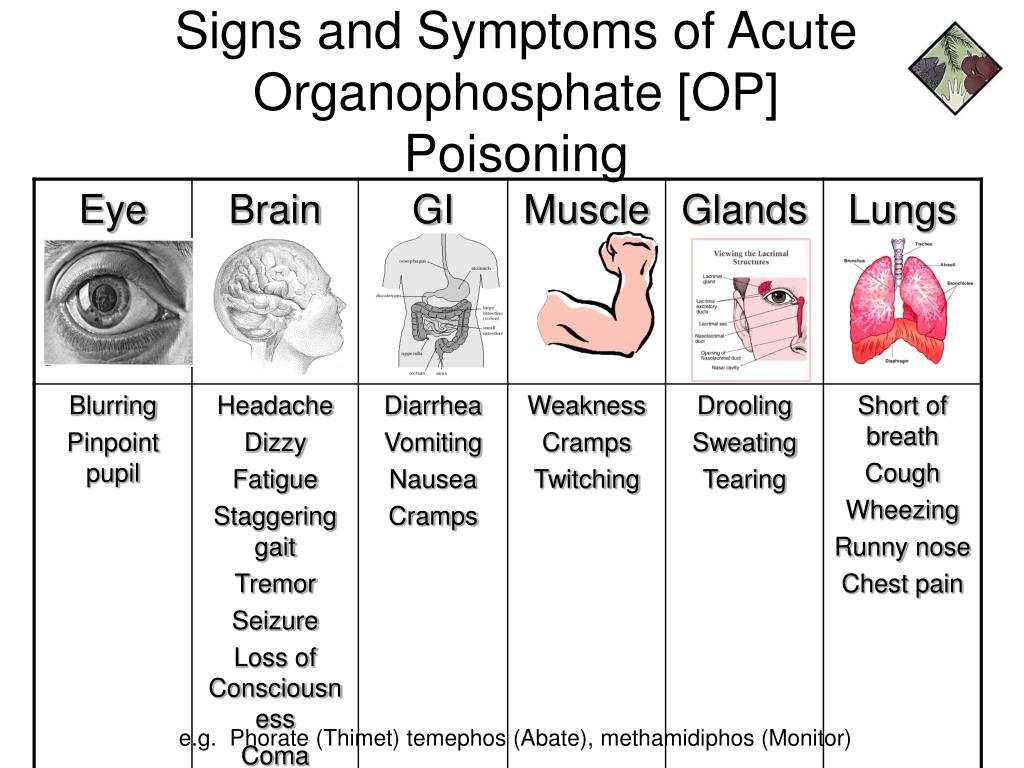
If your dog has gotten into a product containing tracoparyl, carbaryl, or another nerve-affecting active, watch for these progressive signs. The mnemonic vets use is SLUDGE (copious salivation, lacrimation, urination, defecation, GI distress, emesis), plus muscle tremors and respiratory changes.
Stage 1, Early / mild (within 15 minutes to 2 hours):
- Excessive drooling that looks out of character
- Loose stool or fecal accidents in a housetrained dog
- Mild vomiting, often just bile
- Squinting or excessive tearing
Stage 2, Moderate (1 to 4 hours, untreated):
- Shaking, muscle fasciculations (twitches you can see under the skin)
- Pinpoint pupils (miosis), this is a hallmark of cholinesterase inhibition
- Breathing changes, rapid or labored
- Behavior changes, confusion, pacing, reluctance to settle
Stage 3, Severe (requires immediate veterinary intervention):
- Collapse, seizures
- Slow breathing, cyanotic gums
- Complete loss of bodily function control
For Chlorantraniliprole or Imidacloprid Ingestion
If your dog ate granules from a chlorantraniliprole or imidacloprid product, the clinical picture is typically far less dramatic. These compounds don't target mammalian nervous systems at all in realistic doses. Most exposures cause:
- Mild gastric upset (vomiting, diarrhea) from the inert carriers, not the active itself
- Lethargy for a few hours
- Decreased appetite up to 24 hours
These are not emergencies, but they warrant a call to your vet to get guidance specific to your dog's weight and how much they ate.
What to Do Immediately If You Know Exposure Happened
Time matters. Even if your dog looks fine, if you saw or strongly suspect granule ingestion, take these steps now.
- Remove the product from your dog's mouth if safe to do so, wear gloves, be calm.
- Contain the remaining product so your dog can't go back for more.
- Note the exact product name and active ingredient, you'll need this for your vet or a poison hotline.
- Call ahead. Two 24-hour resources exist specifically for this situation: , Pet Poison Helpline at 1-855-764-7661
, ASPCA Animal Poison Control at 1-888-426-4435
- _do NOT induce vomiting without explicit direction from a vet or poison specialist, some products do more damage coming back up than staying in the stomach.
- Bring the product label to your vet if they want you to come in.
What About Milky Spore and Nematodes?
Before getting into the application and storage safety stuff for chemical controls, there's often a question about whether biological options count as "grub control" from a pet safety standpoint. Short answer: yes, and they're genuinely the safest options if your dog has high exposure risk.
Milky spore disease (Paenibacillus papillae, formerly Bacillus popilliae) is a bacterium that specifically infects Japanese beetle grubs. It's harmless to dogs, humans, wildlife, and most other insects. It works slowly, 2 to 4 years to establish effectively in your soil.
Once established, it can last 10 to 15 years. The big limitation is that it's pretty much specific to Japanese beetle grubs, so if your grub species is different, it won't help.
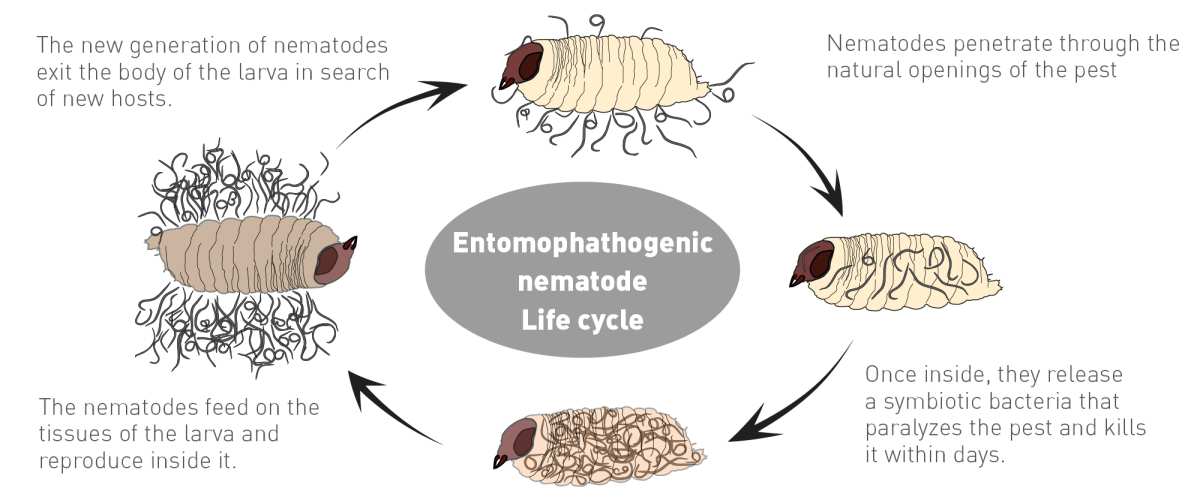
Beneficial nematodes (Heterorhabditis bacteriophora and similar species) are microscopic roundworms that hunt and kill grubs. They're sold live, usually in a moist medium that you mix with water and spray on your lawn via garden sprayer. They're completely non-toxic to mammals.
They do require specific conditions to be effective (soil temps above 60°F, adequate moisture, application in early morning or evening to avoid UV exposure). They have a short shelf life and need to be applied relatively soon after purchase.
Neither of these options poses any toxicological risk to dogs at all. They're biological organisms, not chemistry.
Pet-Safe Grub Control Options: Biological and Lower-Toxicity Alternatives
| | |
|—|
|  |
| Image source: Bing (Web (fair-use with source credit)) |
|
| Image source: Bing (Web (fair-use with source credit)) |
If you'd rather not bring any合成 pesticide onto your property, biological grub control methods offer a genuinely effective, zero-toxicity-risk alternative for dogs.
Milky Spore
Milky spore targets Japanese beetle grubs specifically. You'll need to confirm Japanese beetles are your primary grub species, because milky spore won't help with European chafers, May beetles, or masked chafers. Application is a grid-like pattern across affected areas.
It can take 2 to 4 years to see significant grub reduction. Once established, each infected grub releases billions of new spores into the soil when it dies, creating a self-sustaining cycle. From a safety perspective, this is as clean as it gets.
Dogs could literally eat treated soil and see no adverse reaction.
Beneficial Nematodes
Nematodes are applied as a liquid spray in the evening or on overcast days, since UV exposure kills them. Heterorhabditis bacteriophora is the species most commonly sold for grub control. These nematodes carry symbiotic bacteria that kill grubs within 24 to 48 hours of contact. They're compatible with any dog.
They're also the fastest-acting biological option, though they require living-grub-present conditions and proper soil moisture to work.
When Biological Controls Beat Chemical Ones
Biologicals are the smarter choice when:
- You have a puppy, small-breed dog, or dog known to eat grass
- The grub threshold doesn't yet warrant aggressive treatment
- You're early in a multi-season strategy and can invest in long-term establishment
- You'd simply rather not have active pesticide in your yard
How to Use Chemical Grub Control Without Putting Your Dog at Risk
You've chosen your product based on active ingredient. Now apply it like someone who knows exactly what "keep dogs off the lawn" means on that label. These steps align with EPA label requirements that are common to most consumer grub killers.
- Apply according to the specified rate, typically 2, 3 lbs per 1,000 sq ft. Over-application doesn't kill more grubs. It just leaves excess granules on the surface, raising your dog's exposure.
- Water the full area immediately after application. At least a quarter-inch of measured irrigation. Amounts may vary slightly by product label; the point is dissolving granules into the soil profile.
- Allow the grass to dry before any pet re-entry. Usually 24 hours post-watering. Some product labels are less specific; check yours.
- Sweep any granules off hard surfaces like driveways or sidewalks. These spots bypass the "absorbed into soil" safety margin.
- Keep the bag sealed and out of your dog's reach in a garage shelf, locked cabinet, or utility closet at all times. A torn open bag on the garage floor is the most preventable ingestion scenario in existence.
- Store dogs indoors or in an untreated zone such as a covered deck, indoor kennel or crate run, until the lawn is fully dry.
What to Do If Your Dog Eats Grub Control Granules Right Now
This is not a "wait and see" situation. That doesn't mean panic, but it means act now.
Within the first 2 minutes: Your dog likely still has granules in or around their mouth. Put on a glove, check their teeth and gums, and remove any you find without getting bitten if your dog's in distress.
In the next 10 minutes: Read the bag or pull up the product page and copy down the active ingredient and EPA registration number. Note how many granules your dog had access to, approximately how many they appear to consume, your dog's weight, and product formulation (granule vs liquid bait). Call either Pet Poison Helpline (1-855-764-7661) or ASPCA Animal Poison Control (1-888-426-4435) with that information, and they will triage whether an emergency vet visit is needed.
Do not let your dog run free outside unsupervised thinking it might dilute the dose. Carry small dogs. Leash bigger ones.
If you cannot reach a hotline within a reasonable time and your dog is symptomatic, go straight to a veterinary ER.
Real Talk: What Lawn Care Professionals Do at Home
In speaking with multiple independent lawn care operators who also own dogs, a consistent pattern emerges. Most avoid home application of trichlorfon to any lawn with a dog. Multiple experienced operators we've spoken with say they keep pets away from freshly treated lawns for a minimum of 24 hours, even when using chlorantraniliprole products with short label re-entry periods.
They water in immediately. They sweep hard surfaces. They use spreaders and never dump product directly from the bag onto grass.
Several say that when clients have dogs known to eat grass, they steer them away from curative treatments in late summer altogether. Instead, they push a spring preventive timing using chlorantraniliprole, when grub kills are lower and the product has a clean pet safety profile.
Quick Reference: Grub Control Ingredients by Dog Safety Profile
| Active Ingredient | Dog Safety When Applied Correctly | Major Risk If Granules Eaten | Best For |
|---|---|---|---|
| Chlorantraniliprole | Excellent | Low GI upset only | Owners with puppies, grass eaters, small breeds |
| Imidacloprid | Very good | Low to moderate GI/neurological depending on dose | Owners with average-sized dogs that ignore the lawn |
| Trichlorfon | Caution warranted | Moderate, possible neurotoxic signs | Curative situations, no known grass eaters in the home |
| Carbaryl | Caution warranted | Moderate, similar to trichlorfon | Homeowners comfortable with age-old chemistry, no puppies |
| Milky spore / Nematodes | Zero risk | None | Owners favoring biological-only yard care |
So—Is Grub Control Safe for Dogs? The Honest Answer
The honest answer is: it depends on the product, the application, and your specific dog. Blanket yes or no is exactly what causes misinformed pet owner forums. Chlorantraniliprole, applied according to label and watered in properly, presents a minor risk to dogs. Imidacloprid is solid but should still be watered in.
Trichlorfon and carbaryl widen the safety margin for exposure.
The "trust but verify" checklist before every application
Before you buy, ask yourself these questions to match the right approach to your household:
- What active ingredient does the product contain? You need the name from the label, not the brand name on the front.
- Does your dog eat grass, dig, roll, or otherwise treat the lawn as a sensory experience? If yes, skip the organophosphates and carbamates entirely.
- How big is your dog? Under 10 pounds means toxicity margins are small. Act conservatively.
- Are you applying preventive (next spring's new grubs) or curative (currently active grubs in summer)? Your product and timing choice shifts based on this.
- Can you keep the dog off the treated area for at least a full drying cycle, plus 24 hours, or a longer window like 48 hours if your situation calls for it? This alone eliminates most of the practical risk from modern chemical grub control.
If you can answer yes to every item, chemical grub control with a low-toxicity active ingredient is a reasonable, evidence-based choice. If you can't keep your dog off the lawn or your dog's a known grass eater with a high exposure risk, biological controls are the safer long-term play with no pet toxicity downside.
The Verdict and a Decision Guide Based on Your Situation
Here's a straightforward decision framework based on everything we've covered.
Choose chlorantraniliprole if: you have a dog of any size, you need reliable preventive control, and you can follow label directions for watering in and keeping your dog off the lawn until dry. This is the best all-around choice for pet owners as of 2026.
Choose imidacloprid if: your dog is medium to large, doesn't eat grass, and you want season-long preventive control. Still very safe when applied correctly.
Choose trichlorfon or carbaryl only if: you're dealing with a severe active grub infestation, your dog has zero access to the treated area, and you've exhausted other options. These are curative products, not preventive ones.
Choose milky spore or beneficial nematodes if: you have a puppy, a small-breed dog, a known grass eater, or you simply prefer a zero-chemical approach. Accept the slower timeline and species limitations.
Frequently Asked Questions
How long after applying grub control is it safe for dogs?
Most product labels specify that dogs can re-enter the treated area once the lawn is completely dry after watering in. This typically means 24 hours post-application. Some labels are less specific, so always read yours.
When in doubt, wait a full 48 hours.
Is GrubEx safe for dogs?
Scotts GrubEx uses chlorantraniliprole as its active ingredient. When applied according to the label and watered in properly, it carries a very low risk to dogs. The key is keeping your dog off the lawn until the product has been watered in and the grass is dry.
What happens if my dog eats grub killer granules?
The severity depends entirely on the active ingredient. Chlorantraniliprole ingestion typically causes mild stomach upset. Trichlorfon or carbaryl ingestion can cause drooling, vomiting, tremors, and more serious neurological signs.
Call your vet or a pet poison helpline immediately with the product name and your dog's weight.
Can I apply grub control if I have a puppy?
Yes, but stick with chlorantriliprole-based products or biological options like milky spore and beneficial nematodes. Puppies are smaller, more curious, and more vulnerable to toxicity per pound of body weight. Avoid trichlorfon and carbaryl entirely in households with puppies.
Do I need to wash my dog's paws after they walk on treated grass?
Once the product has been watered in and the lawn is dry, routine paw washing isn't necessary. If your dog was on the lawn before it dried, rinse their paws with clean water and monitor for any signs of irritation or excessive licking.
Is organic grub control actually effective?
Milky spore is effective against Japanese beetle grubs specifically, but it takes years to establish. Beneficial nematodes work faster but require proper soil conditions and timing. Neither works as quickly as a chemical application, but both are legitimate long-term strategies with zero pet toxicity risk.