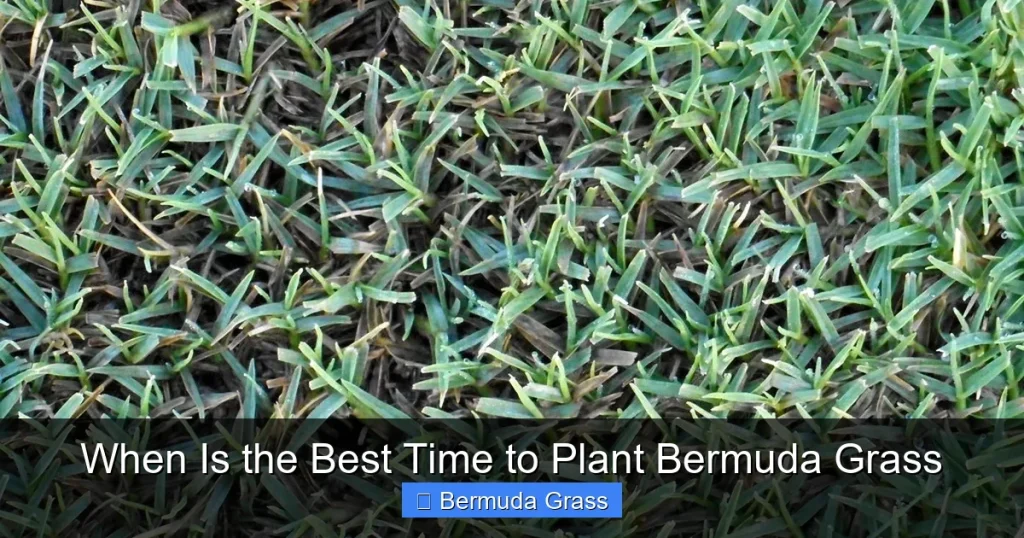
Achieving a beautiful Bermuda grass lawn hinges on precise timing. The absolute best time to plant Bermuda grass is in late spring to early summer, once soil temperatures consistently reach 65-70°F and the risk of frost has passed. This warm-season grass thrives in heat, making proper timing crucial for strong root development and quick establishment, whether you’re using seed, sod, or sprigs.
Dreaming of a lush, emerald green lawn that can withstand the summer heat and foot traffic? Bermuda grass is often the answer, known for its resilience and beautiful appearance in warm climates. But achieving that picture-perfect lawn isn’t just about choosing the right grass; it’s crucially about timing. Plant Bermuda grass at the wrong time, and you could be facing slow growth, patchy areas, or even complete failure.
This comprehensive guide will walk you through everything you need to know about when is the best time to plant Bermuda grass. We’ll delve into the science behind why certain times are better than others, explore the ideal conditions, and provide practical, step-by-step advice for planting Bermuda grass, whether you’re using seed, sod, or sprigs. By the end of this guide, you’ll be equipped with the knowledge to give your Bermuda lawn the strongest possible start, ensuring it thrives for years to come.
Key Takeaways
- Optimal Timing: The best time to plant Bermuda grass is late spring to early summer, typically from April to June in most warm-season regions.
- Soil Temperature is Key: Aim for consistent soil temperatures between 65°F and 70°F (18-21°C) for optimal germination and root establishment. Air temperature should also be consistently warm.
- Post-Frost Planting: Always wait until all danger of frost has passed in your specific region before planting any form of Bermuda grass.
- Method Matters (Slightly): While the general timing is similar, sod offers quicker establishment, allowing for a slightly wider planting window than seeds, sprigs, or plugs, which require more time to mature.
- Preparation is Crucial: Proper soil testing, amendment, and weed control before planting significantly increase the chances of a successful and thriving Bermuda lawn.
- Consistent Moisture: After planting, consistent, shallow watering is essential for germination and root development, especially during the initial establishment phase.
- Avoid Late Fall/Winter: Planting Bermuda grass in late fall or winter is highly discouraged as the grass will not have enough warm growing days to establish before cold weather sets in, leading to failure.
Understanding Bermuda Grass’s Warm-Season Nature
Bermuda grass (Cynodon dactylon) is a true warm-season grass. What does “warm-season” mean in practical terms for planting? It means this grass loves the heat. Unlike cool-season grasses that prefer milder temperatures and can even tolerate some shade, Bermuda grass actively grows and thrives when temperatures are consistently warm, and the sun is abundant. Understanding this fundamental characteristic is the first step in knowing when to plant Bermuda grass successfully.
Why Timing is Crucial for Warm-Season Grasses
Imagine planting a tropical plant in the middle of winter; it wouldn’t stand a chance. The same principle applies to Bermuda grass. Its physiology is adapted to warm environments. When temperatures are too low, Bermuda grass goes dormant, its growth slows dramatically, or it simply won’t germinate or establish roots effectively. Planting at the right time ensures:
- Optimal Germination: Seeds need specific warmth to sprout efficiently.
- Rapid Root Development: Strong roots are essential for anchoring the plant and absorbing water and nutrients, especially in the establishment phase.
- Vigorous Growth: Warm temperatures encourage the grass to spread quickly, filling in your lawn faster.
- Weed Suppression: A vigorously growing Bermuda grass lawn can outcompete weeds more effectively.
Key Factors Influencing Planting Time
Several environmental factors work together to determine the ideal window for planting Bermuda grass:
Soil Temperature
This is arguably the most critical factor. While the air might feel warm, the soil needs to be adequately heated for Bermuda grass seeds to germinate and for sod or sprigs to put down roots. Cold soil leads to poor germination and root shock. The ideal soil temperature for Bermuda grass germination and root growth is consistently between 65°F and 70°F (18°C to 21°C).
Air Temperature
Consistent warm air temperatures are also vital. Daytime highs should regularly be above 75°F (24°C), and nighttime lows should not dip below 60°F (15°C) for sustained periods. This ensures the grass has enough warmth to photosynthesize efficiently and grow without stress.
Frost Risk
A single late spring frost can devastate newly planted Bermuda grass, especially if it’s still in its delicate seedling or new root stage. It’s imperative to wait until all danger of frost has completely passed in your region. Consult local agricultural extensions or weather resources for average last frost dates.
The Absolute Best Time: Late Spring to Early Summer
Considering the needs of Bermuda grass, the consensus among lawn care experts is clear: the best time to plant Bermuda grass is from late spring to early summer. This period typically spans from April through June in most warm-season regions of the United States, but it can vary slightly based on your specific climate and USDA hardiness zone.

Visual guide about When Is the Best Time to Plant Bermuda Grass
Image source: thegrassoutlet.com
Optimal Soil Temperature Range (65-70°F)
During late spring and early summer, the sun has had ample time to warm the soil. This is when you’ll consistently find your soil temperature hitting that sweet spot of 65°F to 70°F. This range is perfect for encouraging rapid germination of seeds and robust root development for sod, sprigs, and plugs. Planting when the soil is too cold will lead to dormant seeds, slow establishment, and make your new grass vulnerable to diseases and weeds.
Consistent Warm Air Temperatures
Alongside warm soil, late spring and early summer bring consistently warm air temperatures. You’ll typically experience daytime highs in the 70s, 80s, or even 90s°F (20s to 30s°C) and nighttime lows that rarely drop below 60°F (15°C). These conditions are precisely what Bermuda grass craves for active growth and quick establishment. The longer window of warm weather allows the grass to mature and strengthen before the stress of peak summer heat or the dormancy of cooler fall temperatures.
Post-Frost Period
By late spring, the threat of a late-season frost is generally gone. Planting Bermuda grass after this risk has passed protects delicate new growth from potential damage. This gives your grass a clear runway of warm, growing days to establish itself without setbacks.
Practical Tip: How to Measure Soil Temperature
Don’t guess! You can easily measure your soil temperature with a simple soil thermometer, available at most garden centers. Insert the thermometer about 2-4 inches deep into the soil. Take readings in several spots across your lawn area and average them. Do this for a few consecutive days in the late morning or early afternoon to ensure consistent warmth before you begin planting Bermuda grass.
Planting Bermuda Grass from Seed
Planting Bermuda grass from seed is often the most economical option, but it requires patience and precise timing for success.
When to Sow Seeds
The best time to plant Bermuda grass seeds is firmly within the late spring to early summer window, once soil temperatures are consistently 65-70°F and there’s no longer any danger of frost. This typically means April, May, or early June, depending on your geographic location. Planting too early results in poor germination rates, while planting too late in the summer might not give the grass enough time to establish deeply before cooler fall temperatures arrive.
Advantages of Seeding
- Cost-Effective: Generally the cheapest method for establishing a large lawn.
- Variety: A wider selection of specific Bermuda grass cultivars might be available as seed.
- DIY Friendly: Can be done by most homeowners with basic tools.
Disadvantages of Seeding
- Slower Establishment: It takes longer to achieve a dense, mature lawn compared to sod.
- More Vulnerable: Seedlings are delicate and susceptible to weeds, disease, and environmental stress.
- Water Intensive: Requires frequent, light watering during the germination phase, which can be demanding.
Practical Tip: Seedbed Preparation and Watering
Before sowing, ensure your seedbed is finely tilled, level, and free of debris and weeds. After broadcasting the seeds, lightly rake them into the top 1/8 to 1/4 inch of soil. Roll the area to ensure good seed-to-soil contact. Crucially, water lightly but frequently (2-4 times a day) to keep the top inch of soil consistently moist until germination occurs, which can take 7-21 days for Bermuda grass. Reduce frequency and increase depth of watering once seedlings are established.
Planting Bermuda Grass from Sod
Sod offers an instant lawn and is a popular choice for those wanting immediate results. While the overall optimal planting window is similar, sod can be a bit more forgiving with timing.
When to Lay Sod
The best time to plant Bermuda grass using sod is still late spring to early summer (April-June) when conditions are ideal for root establishment. However, because sod comes with an established root system and mature grass blades, it can tolerate a slightly wider window. You might successfully lay sod into mid-summer or even early fall (as long as warm temperatures persist for at least 6-8 weeks after installation), provided you can commit to rigorous watering.
Advantages of Sod
- Instant Lawn: Provides an immediate, mature turf cover.
- Weed Control: The dense sod chokes out most weeds from the start.
- Less Water Intensive (Initially): While it needs frequent watering, it’s less delicate than seedlings and less prone to drying out completely.
- Erosion Control: Quickly stabilizes soil on slopes.
Disadvantages of Sod
- Higher Cost: Significantly more expensive than seeding.
- Labor Intensive: Laying sod is physically demanding.
- Time Sensitive: Sod must be laid immediately upon delivery (within 24 hours) as it can quickly dry out and die.
Practical Tip: Sod Installation and Immediate Care
Prepare your soil just as you would for seeding, ensuring it’s level and enriched. Lay sod panels tightly together, staggering seams like bricks. Water immediately after laying, ensuring the sod and the top few inches of underlying soil are thoroughly saturated. Continue to water frequently (daily, or even twice a day in hot weather) for the first 1-2 weeks, gradually reducing frequency as the roots establish. Avoid heavy foot traffic for the first 2-3 weeks.
Planting Bermuda Grass from Sprigs or Plugs
Sprigs (sections of stolons and rhizomes) and plugs (small pieces of sod with roots and leaves) are intermediate options between seed and sod. They offer a balance of cost and establishment speed.
When to Plant Sprigs/Plugs
Similar to seeding, the best time to plant Bermuda grass using sprigs or plugs is during late spring to early summer (April-June), when soil temperatures are consistently warm (65-70°F) and air temperatures are favorable. This allows the sprigs and plugs ample time to spread and form a dense turf before the cooler temperatures of fall.
Advantages of Sprigs/Plugs
- Cost-Effective: Less expensive than sod, more expensive than seed.
- Faster Coverage than Seed: Spreads quicker than seeds because you’re starting with established plant material.
- Good for Repair: Ideal for filling in bare spots or establishing Bermuda in smaller areas.
Disadvantages of Sprigs/Plugs
- Slower than Sod: Takes longer to achieve a fully dense lawn than with sod.
- Labor Intensive: Planting individual sprigs or plugs can be time-consuming.
- Weed Competition: More susceptible to weed growth in the initial phases than sod.
Practical Tip: Spacing and Watering
For sprigs, broadcast them evenly over prepared soil and lightly cover them with about 1/2 inch of soil. For plugs, dig small holes about 6-12 inches apart and plant each plug so the top is level with the surrounding soil. Water immediately after planting to settle the soil around them. Keep the area consistently moist with frequent, shallow waterings (1-2 times daily) until new growth is evident and the grass begins to spread, usually within 2-4 weeks.
What About Other Times of the Year? (And Why They’re Less Ideal)
While late spring to early summer is optimal, you might wonder about other seasons. Here’s why they are generally less ideal for planting Bermuda grass:
Planting in Mid-Summer (Pros & Cons)
- Pros: Soil and air temperatures are definitely warm enough for rapid growth.
- Cons: Intense heat can stress new plantings, requiring extremely diligent watering to prevent drying out. High temperatures can also make turf establishment more challenging due to potential heat stress and increased disease pressure. It’s doable with careful management, but not ideal.
Planting in Early Fall (Pros & Cons)
- Pros: Air temperatures are often pleasant, and soil can still retain warmth.
- Cons: The biggest issue is the dwindling number of warm growing days. Bermuda grass needs a minimum of 6-8 weeks of active growth to establish a strong root system before winter dormancy. Planting in early fall (e.g., September) might not provide enough time, leaving the grass vulnerable to winter kill.
Planting in Late Fall/Winter (Avoid!)
- Cons: This is unequivocally the worst time to plant Bermuda grass. Soil temperatures are too low for germination or root establishment. The grass will not grow, and seeds will likely rot or be eaten by pests. Sod, sprigs, or plugs will go dormant without establishing roots, leading to failure and wasted effort/money.
Essential Preparation for Successful Bermuda Grass Planting
No matter when you plant Bermuda grass, proper preparation of the planting site is paramount. This foundational work will significantly impact the success and health of your future lawn.
Soil Testing and Amendment
Before you do anything else, conduct a soil test. This will tell you your soil’s pH, nutrient levels, and organic matter content. Bermuda grass prefers a soil pH between 6.0 and 7.0. Based on your test results, you can amend your soil with lime to raise pH, sulfur to lower it, or compost to improve structure and nutrient content. Healthy soil is the bedrock of a healthy lawn.
Weed Control
Weeds are the archenemy of newly planted Bermuda grass. They compete for water, nutrients, and sunlight, often winning against delicate seedlings or establishing sprigs/plugs. Eliminate existing weeds before planting. This might involve non-selective herbicides (like glyphosate, applied weeks before planting) or manual removal. For seeds, consider a “stale seedbed” technique where you prepare the soil, allow weeds to germinate, then kill them before sowing your Bermuda grass seed.
Grading and Leveling
A smooth, level surface isn’t just aesthetically pleasing; it’s functional. Proper grading ensures even water distribution and prevents puddling, which can lead to disease. Remove any rocks, debris, or old turf. Fill in low spots and level out high spots to create a uniform surface for planting. A fine-grade rake can help achieve this.
Initial Watering
Before planting, lightly moisten the soil. This helps create a more hospitable environment for seeds to settle in or for sod/sprigs/plugs to make good contact with the soil. Avoid making the soil waterlogged, just consistently moist.
Post-Planting Care: Ensuring Your Bermuda Thrives
Planting Bermuda grass at the right time is only half the battle. The initial weeks and months after planting are crucial for establishing a strong, healthy lawn. Consistent and proper care will ensure your Bermuda grass thrives.
Watering Schedule
This is perhaps the most critical post-planting task. The goal is to keep the top inch or two of soil consistently moist, but not waterlogged, until the grass is established. This often means:
- Seeds/Sprigs/Plugs: Light, frequent watering (2-4 times a day) for the first 2-3 weeks to prevent the topsoil from drying out. Gradually decrease frequency and increase depth as roots develop.
- Sod: Thoroughly saturate immediately after laying. Water daily, or even twice daily in very hot weather, for the first 1-2 weeks. After that, gradually reduce frequency but increase depth to encourage deep root growth.
Once established, Bermuda grass prefers deep, infrequent watering. Aim for 1 inch of water per week, either from rain or irrigation, to encourage roots to grow deep into the soil, making the lawn more drought-tolerant.
Fertilization
A starter fertilizer, low in nitrogen and high in phosphorus (e.g., 5-10-5 or 10-20-10), is often recommended at or shortly after planting to promote root development. Follow product instructions carefully. Once established and actively growing, Bermuda grass is a heavy feeder. Fertilize every 4-6 weeks during its active growing season (late spring through early fall) with a balanced lawn fertilizer, adhering to soil test recommendations.
Mowing Practices
Begin mowing Bermuda grass when it reaches about 2 inches in height. For seeds, wait until the seedlings are strong enough to withstand mowing without being pulled up. For sod, wait about 1-2 weeks or until the roots have started to knit with the soil. Bermuda grass performs best when mowed short, ideally between 0.5 to 1.5 inches. Mow frequently (every 5-7 days during peak growth) and never remove more than one-third of the blade height at a time. A sharp mower blade is essential to prevent tearing the grass.
Weed Management
Even with good preparation, weeds can emerge. For newly planted Bermuda grass, pre-emergent herbicides should generally be avoided, especially with seeds, as they can inhibit germination. Hand-pulling is the safest method for young lawns. Once the Bermuda grass is well-established (usually after 2-3 mowings), you can consider selective post-emergent herbicides specifically labeled for Bermuda grass and safe for new lawns to control broadleaf weeds.
Troubleshooting Common Bermuda Planting Issues
Even with the best timing and preparation, you might encounter some challenges when planting Bermuda grass. Here are a few common issues and how to address them:
Slow Germination/Growth
- Issue: Seeds not sprouting, or growth is very slow.
- Possible Causes: Soil too cold, insufficient watering, seeds planted too deep, poor seed quality.
- Solution: Re-check soil temperature. Ensure consistent, light watering to keep the top inch moist. If seeds were planted too deep, you might need to re-seed lightly in affected areas. Always use fresh, high-quality seeds from a reputable supplier.
Patchy Growth
- Issue: Uneven growth, with some areas thick and others bare.
- Possible Causes: Uneven seed distribution, inconsistent watering, poor soil preparation (compaction, nutrient deficiencies), pest or disease activity.
- Solution: Address underlying soil issues (aeration, soil amendments). Ensure even watering. If it’s a seeding issue, consider overseeding thin areas. Check for signs of pests (e.g., armyworms) or diseases (e.g., brown patch) and treat accordingly.
Weed Infestation
- Issue: Weeds quickly taking over new Bermuda grass.
- Possible Causes: Inadequate pre-planting weed control, planting when weeds are most active, insufficient watering leading to stressed Bermuda grass.
- Solution: Hand-pull weeds diligently while the Bermuda grass is young. Once established, use a selective post-emergent herbicide safe for Bermuda grass. Ensure your Bermuda grass is getting enough water and nutrients to grow vigorously and outcompete weeds.
Conclusion
Planting Bermuda grass successfully is a rewarding endeavor that can transform your outdoor space. The most critical takeaway is understanding and respecting its warm-season nature. By choosing the best time to plant Bermuda grass—late spring to early summer, when soil temperatures consistently hit 65-70°F and frost danger has passed—you provide your lawn with the ideal conditions for a strong start.
Whether you opt for the cost-effectiveness of seeds, the instant gratification of sod, or the balance of sprigs and plugs, remember that diligent preparation and consistent post-planting care are equally vital. By following the guidelines in this guide, you’ll be well on your way to establishing a resilient, vibrant Bermuda lawn that stands up to summer heat and traffic, becoming the envy of your neighborhood for years to come.