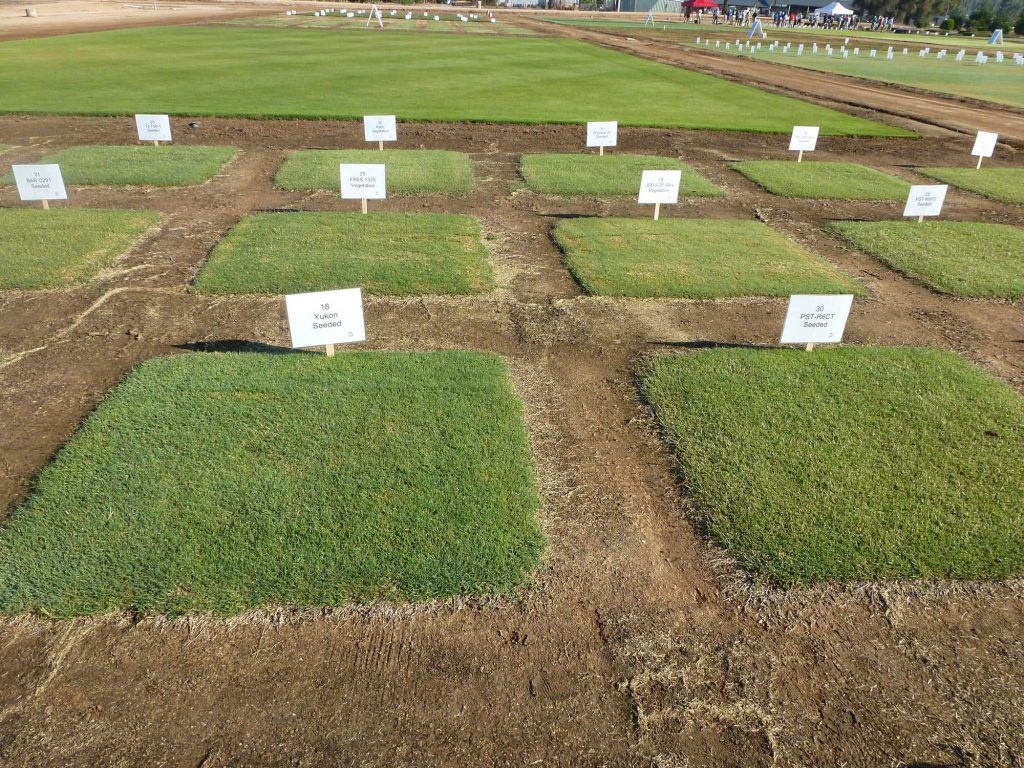
Yukon Bermuda grass is a fantastic choice if you’re looking for a resilient, lush green lawn that stays vibrant all season long. This grass type is known for its durability and low maintenance needs, making it perfect for busy homeowners and landscape enthusiasts alike. Whether you’re aiming for a sports field or a beautiful backyard, Yukon Bermuda provides excellent drought tolerance and quick recovery from wear and tear.
In brief, Yukon Bermuda grass thrives in warm climates, requires minimal watering, and offers a dense, even turf that withstands heavy use. Its fast growth and strong root system make it a popular choice for those wanting a durable lawn with less fuss. Choosing Yukon Bermuda can transform your outdoor space into a green haven that stays vibrant and healthy year-round.
If your goal is a low-maintenance, drought-resistant lawn that remains lush and green, Yukon Bermuda grass is an excellent option. Its adaptability and resilience make it ideal for various outdoor needs, ensuring your yard stays beautiful without requiring intensive care or frequent watering. This grass type is particularly suited for warm regions, offering a durable and attractive landscape for years to come.

Yukon Bermuda Grass: An In-Depth Look at a Popular Turf Option
What Is Yukon Bermuda Grass?
Yukon Bermuda grass is a warm-season turfgrass known for its dense, lush appearance. It is a variety of Bermuda grass that thrives in hot, sunny climates. This type of grass is often chosen for lawns, sports fields, and golf courses because of its durability and attractive look.
Origin and Development of Yukon Bermuda
Yukon Bermuda was developed through selective breeding to improve cold tolerance and adaptability. It originated in the southern United States and is a result of efforts to create a grass that performs well in diverse climates. The development aimed to combine the heat tolerance of Bermuda with better cold resistance for broader use.
Physical Characteristics of Yukon Bermuda Grass
Yukon Bermuda grass features fine-textured blades with a rich green color. Its growth habit is low and spreading, which creates a smooth, uniform surface. During the peak growing season, it forms a thick mat that resists weeds and foot traffic.
Growing Conditions for Yukon Bermuda
Yukon Bermuda thrives in full sunlight, requiring at least six hours of direct sun each day. It prefers well-draining soils with a pH level between 5.8 and 7.0. Adequate water and proper fertilization are essential for healthy growth.
Climate Suitability
Yukon Bermuda is best suited for USDA zones 7 through 10. It can tolerate some cold but performs optimally in warmer regions. Its tolerance to heat makes it popular in southern states and areas with long, hot summers.
Soil Requirements
This grass prefers sandy or loamy soils that drain well to prevent root rot. Soil testing before planting can help determine nutrient levels and pH balance. Amending soil with organic matter can improve overall health and growth.
Planting Yukon Bermuda Grass
Starting Yukon Bermuda involves either sod installation, seed planting, or sprigs. Each method offers different advantages depending on the project’s timeline and budget.
Seeding Yukon Bermuda
Seeding is a cost-effective way to establish Yukon Bermuda. Use high-quality, disease-free seeds for better germination. Sow the seeds evenly in early spring or late spring once temperatures consistently stay above 65°F.
Sodding Yukon Bermuda
Sodding provides an instant lawn but comes with higher costs. Lay sod over prepared soil, ensuring good soil contact. Water the sod thoroughly to promote root establishment.
Using Sprigs or Plugs
Sprigs and plugs are other options for establishing Yukon Bermuda. They root quickly and are suitable for patching or renovation. Space them evenly apart for uniform coverage.
Maintenance Tips for Yukon Bermuda Grass
Proper maintenance keeps Yukon Bermuda green and healthy throughout the season.
Watering Practices
Yukon Bermuda needs about 1 to 1.5 inches of water weekly. Deep, infrequent watering encourages deep root growth. Avoid overwatering, which can lead to disease.
Fertilization Schedule
Apply a balanced fertilizer with nitrogen during the growing season. Typically, fertilize every six to eight weeks for optimal growth. Use soil tests to guide precise nutrient application.
Mowing Height and Frequency
Mow Yukon Bermuda at a height of 1.0 to 1.5 inches. Regular mowing helps maintain its dense appearance. During peak summer, mow more frequently to prevent thatch buildup.
Weed and Pest Control
Healthy Yukon Bermuda resists many weeds, but spot treatment may be necessary. Use herbicides carefully, following label instructions. Keep an eye out for common pests like White Grubs and Armyworms.
Benefits of Yukon Bermuda Grass
Yukon Bermuda offers numerous advantages for property owners and landscapers.
- Durability: Handles heavy foot traffic without damage.
- Water Efficiency: Requires less water once established.
- Attractive Appearance: Maintains a bright green color with fine texture.
- Weed Resistance: Forms a dense mat that naturally crowds out weeds.
- Cold Tolerance: Performs reasonably well in cooler climates compared to other Bermuda types.
Common Challenges with Yukon Bermuda
Despite its perks, Yukon Bermuda does face some challenges.
Cold Damage
While more cold-tolerant than other Bermuda grasses, Yukon can still suffer frost damage in extremely cold temperatures. Proper winter care can help minimize harm.
Thatch Buildup
Overwatering and mowing too short can lead to thatch accumulation. Regular aeration and dethatching help maintain healthy soil conditions.
Color Variations
Yukon Bermuda may turn brown during dormancy or drought periods. Consistent watering and fertilization keep it vibrant.
Mixing Yukon Bermuda with Other Grasses
Blending Yukon Bermuda with other turfgrasses can improve lawn resilience. For example, combining with cool-season grasses like Kentucky Bluegrass provides year-round coverage in transitional zones.
Environmental Impact and Sustainability
Yukon Bermuda is considered environmentally friendly because of its drought tolerance and low fertilization needs. Using native or adapted grasses minimizes water use and chemical inputs.
Harvesting and Use Cases
Yukon Bermuda is ideal for athletic fields, golf courses, and residential lawns. Its ability to recover quickly after heavy use ensures long-lasting, attractive turf.
Future Trends in Yukon Bermuda Cultivation
Research focuses on developing varieties with better shade tolerance and disease resistance. Advances in seed technology aim to make planting more efficient and environmentally friendly.
Summary
Yukon Bermuda grass offers a blend of beauty, durability, and adaptability. It suits hot climates but can also handle cooler temperatures better than traditional Bermuda grasses. Proper planting, maintenance, and care ensure a healthy, lush lawn that stands up to traffic and weather challenges. With its excellent drought tolerance and dense growth habit, Yukon Bermuda remains a popular choice for many landscapers and homeowners worldwide.
Yukon bermuda seed vs Sodded bermuda
Frequently Asked Questions
What are the best soil conditions for growing Yukon Bermuda grass?
Yukon Bermuda grass thrives best in well-drained soils with a pH level between 5.8 and 6.5. It prefers moderate to high fertility levels, so incorporating organic matter and fertilizers can promote healthy growth. Sandy loam soils are ideal, but the grass can adapt to various soil types as long as drainage is adequate. Proper soil preparation before planting helps establish a dense and healthy turf.
How should I water Yukon Bermuda grass to maintain its health?
Maintain consistent moisture by watering deeply and infrequently to encourage deep root growth. Aim to keep the soil evenly moist, especially during the active growing season. It generally requires about 1 to 1.5 inches of water per week, including rainfall. Avoid overwatering, which can lead to root diseases, and ensure proper drainage to prevent waterlogging.
What are common pests and diseases that affect Yukon Bermuda grass?
This grass variety can be susceptible to pests like grubs, armyworms, and mole crickets. It may also face diseases such as dollar spot, brown patch, and leaf spot, especially in humid conditions. Regular lawn inspections, proper fertilization, and aeration help prevent these issues. Applying appropriate pesticides or fungicides, when necessary, can manage infestations effectively.
Can Yukon Bermuda grass handle heavy foot traffic?
Yes, Yukon Bermuda grass has a dense growth habit and good recuperative ability, making it suitable for high-traffic areas. Its quick recovery helps maintain a lush appearance even in busy yards or sports fields. Regular mowing and proper fertilization also support its durability under frequent use.
What is the optimal mowing height for Yukon Bermuda grass?
Maintain a mowing height of about 1 to 2 inches to promote healthy growth and density. Keeping the grass at this height helps prevent weeds from establishing and reduces stress during hot summer months. Regular mowing and clipping remove dead or diseased leaves, encouraging a vigorous turf.
Final Thoughts
Yukon bermuda grass stands out as a resilient and low-maintenance turf option. Its adaptability to various climates ensures a lush green lawn year-round.
This grass type requires minimal watering and mowing, making it ideal for busy homeowners. Choosing Yukon bermuda grass guarantees a durable and attractive yard.
In summary, Yukon bermuda grass offers reliable beauty and practicality for any landscape.