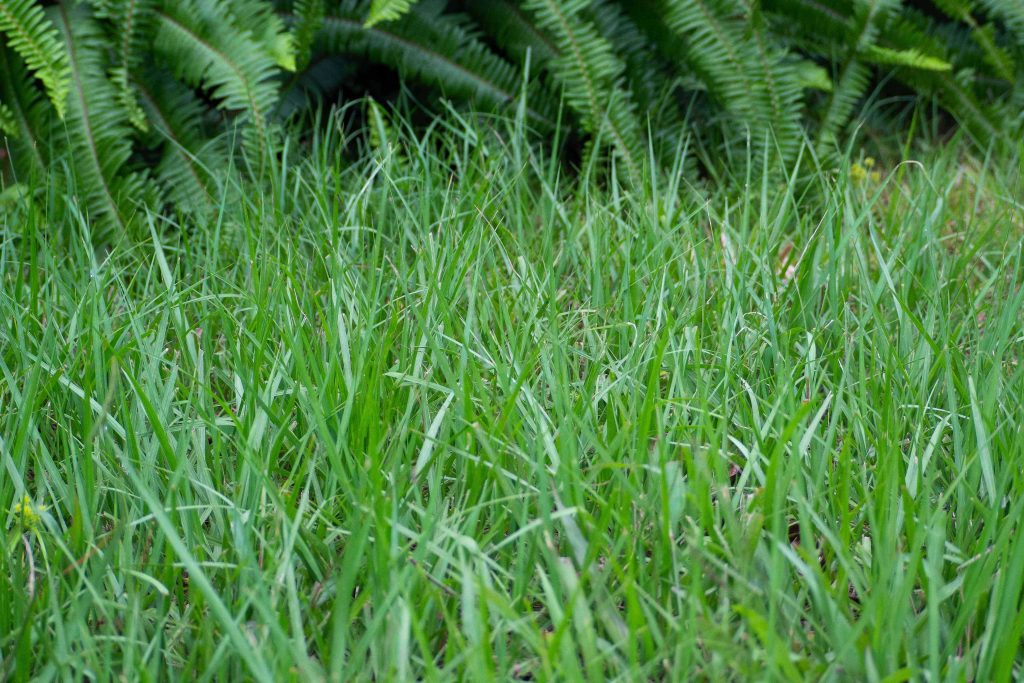
The best time to plant Bahia grass seed is during the late spring to early summer when soil temperatures are warm enough to promote healthy germination. For optimal results, aim to plant when daytime temperatures range between 70-90°F (21-32°C), ensuring the soil is moist and free of weeds. By planting at the right time, you give your new grass the best chance to establish strong roots and grow lushly throughout the season.
Planting Bahia grass at the right time is crucial for a vibrant, durable lawn. Usually, late spring to early summer is ideal because the warm soil and longer daylight hours support healthy seed germination and growth. Avoid planting during colder months or extreme heat, as these conditions can hinder germination and lead to patchy results. Planning your planting schedule around these optimal conditions will help you enjoy a thick, green Bahia grass lawn that thrives all season long.

When Is the Best Time to Plant Bahia Grass Seed
Understanding Bahia Grass and Its Growing Needs
Bahia grass is a warm-season grass that thrives in hot and sunny conditions. It is popular in southern states because of its drought resistance and ability to grow in poor soils. Knowing the optimal time to plant helps ensure healthy, lush turf.
Prime Seasons for Planting Bahia Grass
The best time to plant Bahia grass seed is during its active growing season, which is late spring to early summer. Planting during this period allows the grass to establish roots before the heat of mid-summer arrives. Conversely, planting in late fall or winter is not recommended as the grass remains dormant and struggles to grow.
Why Late Spring Is Ideal
Late spring, typically from April to June in most southern regions, offers warm soil temperatures and increasing daylight. These conditions promote germination and quick establishment of Bahia grass. Soil temperatures heated to at least 65 to 70°F (18 to 21°C) accelerate seed sprouting.
Benefits of Planting in Early Summer
If you miss the late spring window, early summer planting from June to July is still feasible. However, ensure the soil is warm enough and the weather forecast predicts consistent warmth and moisture. Bahia grass establishes quickly in these conditions, making early summer a good alternative.
Factors Influencing the Timing of Planting
Several environmental factors impact when you should plant Bahia grass seed. These include soil temperature, rainfall, and local climate patterns. Understanding these can help determine the most suitable planting time for your specific location.
Soil Temperature and Germination
Soil temperature plays a crucial role in seed germination. Bahia grass seeds prefer temperatures above 65°F (18°C). Use a soil thermometer to check conditions rather than relying solely on air temperature, as soil warms faster.
Rainfall and Moisture Levels
Adequate moisture is necessary for seed germination and growth. A planting window with regular rainfall or irrigation support ensures the soil remains moist enough for seed sprouting. Avoid planting during drought periods unless you can provide supplemental watering.
Climate Considerations
Regions with mild winters and hot summers are best suited for Bahia grass. In areas with cold winters, planting should be scheduled carefully to avoid frost periods, which can damage young seedlings.
Timing for Different Regions
The planting window varies across zones. In northern parts of the South, wait until soil temperatures consistently reach 65°F (18°C) in late spring. In the Gulf Coast and southern states, planting from April through July is typically suitable.
Zone-Based Recommendations
- Zone 8 and below: Plant between April and June.
- Zones 9 and 10: Plant from March to July for best results.
Preparing Your Lawn for Planting Bahia Grass
Proper preparation ensures the seed establishes well. Clear debris, till the soil lightly, and remove weeds. Improving soil with organic matter can help retain moisture and promote healthy root growth.
Ideal Soil Conditions
Bahia grass prefers sandy or loamy soils with good drainage. If the soil is heavy clay, amend it with sand or organic material to improve drainage and aeration.
Steps to Prepare the Area
- Clear the area of weeds, grass, and debris.
- Loosen the soil using a rake or tiller to a depth of 4 inches.
- Level the soil surface to ensure even seed contact and water absorption.
- Incorporate organic matter if soil is poor or compacted.
Timing and Method for Seeding Bahia Grass
Timing should align with optimal soil and weather conditions. Spread the seed evenly using a broadcast spreader or hand for smaller areas. Cover the seed lightly with soil or mulch to protect against birds and elements.
Best Seeding Techniques
For large lawns, use a broadcast spreader for uniform coverage. For smaller patches, hand scattering works well. After spreading, lightly rake the soil to ensure good seed-to-soil contact.
Watering Schedule Post-Planting
Keep the soil consistently moist for the first two weeks after planting. Light, frequent watering prevents seed dehydration and encourages germination. Once established, Bahia grass can tolerate less frequent watering.
Managing Growth and Ensuring Successful Establishment
Proper watering, mowing, and fertilization support healthy growth. Bahia grass is slow to establish initially but becomes a hardy ground cover with patience.
Watering Tips
Water deeply but infrequently once the grass is established. During establishment, daily light watering keeps the soil moist. Avoid overwatering, which can lead to disease.
Mowing and Maintenance
Once the grass reaches 3 inches in height, mow to 2-3 inches to promote dense growth. Regular mowing prevents weeds from taking over and encourages healthy turf.
Fertilization for Best Results
Apply a balanced fertilizer suited for warm-season grasses. Usually, fertilize in late spring or early summer to support growth during the active season. Follow manufacturer instructions to avoid over-fertilizing.
Common Mistakes to Avoid When Planting Bahia Grass
Planting at the wrong time, poor soil prep, or inadequate watering can hinder establishment. Don’t plant during cold or drought conditions, as seedlings may fail to thrive.
Key Points to Remember
- Always check soil temperature before planting.
- Ensure consistent moisture during germination.
- Plant during late spring or early summer for best results.
- Prepare soil properly for optimal seed contact and drainage.
- Avoid planting in extremely hot, dry, or cold periods.
Summary of the Best Timing for Planting Bahia Grass
| Region | Optimal Planting Months | Soil Temperature Range |
|———|————————–|————————|
| Zone 8 and below | April–June | 65°F to 70°F (18°C to 21°C) |
| Zones 9 and 10 | March–July | 65°F to 70°F (18°C to 21°C) |
Proper timing increases the chances of successful germination and a lush, healthy Bahia lawn.
The right time to plant Bahia grass seed is crucial for establishing a vibrant, resilient turf. Focus on late spring to early summer, ensure your soil is ready, and maintain adequate moisture. With patience and proper care, your Bahia grass will thrive in the warm months and provide a beautiful, low-maintenance lawn for years to come.
How To Care For A Bahia Grass Lawn Part 1
Frequently Asked Questions
What seasonal conditions favor planting Bahia grass seed?
Plant Bahia grass seed when the soil temperature consistently remains between 65°F and 70°F. This typically occurs in late spring through early summer in most regions. Optimal soil conditions include warmth and adequate moisture, which promote germination and healthy growth. Avoid planting during the cold winter months or when the soil is too wet, as this can hinder seed establishment.
How does rainfall influence the timing for Bahia grass seed planting?
Waiting for a period of moderate and consistent rainfall ensures that the soil stays moist and supports seed germination. If the area experiences dry conditions, consider irrigating to keep the soil uniformly moist. planting just before or during a rainy spell helps establish a strong root system and reduces the need for supplemental watering in the early stages.
Can I plant Bahia grass seed during the cooler months?
It is generally not advisable to plant Bahia grass seed during cooler months, especially when temperatures drop below 60°F. Cooler weather slows germination and can lead to poor establishment. For best results, target planting in late spring or early summer when temperatures are more consistently warm, allowing the grass to establish before the onset of cooler weather.
What factors should I consider regarding soil readiness before planting Bahia grass?
Ensure the soil is well-drained, free of debris, and has a neutral to slightly acidic pH. Before planting, conduct a soil test to adjust pH levels if necessary and incorporate organic matter to improve fertility. Proper soil preparation creates an ideal environment that encourages rapid germination and healthy growth of Bahia grass.
How does the choice of planting time affect Bahia grass seed establishment in different regions?
The best planting time varies depending on your local climate and growing season. In warmer regions, planting in early spring works well, while in cooler areas, late spring or early summer offers more consistent soil temperatures. Consider regional weather patterns and soil conditions to select the optimal window for planting Bahia grass seed for successful establishment.
Final Thoughts
The best time to plant bahia grass seed depends on your climate. For optimal growth, plant in late spring or early summer when temperatures are warm. This period provides the right conditions for the seed to establish roots quickly.
Avoid planting during extreme heat or cold, as it can hinder germination. Knowing when is the best time to plant bahia grass seed helps ensure a healthy, lush lawn. Timing your planting correctly promotes strong growth and long-lasting results.