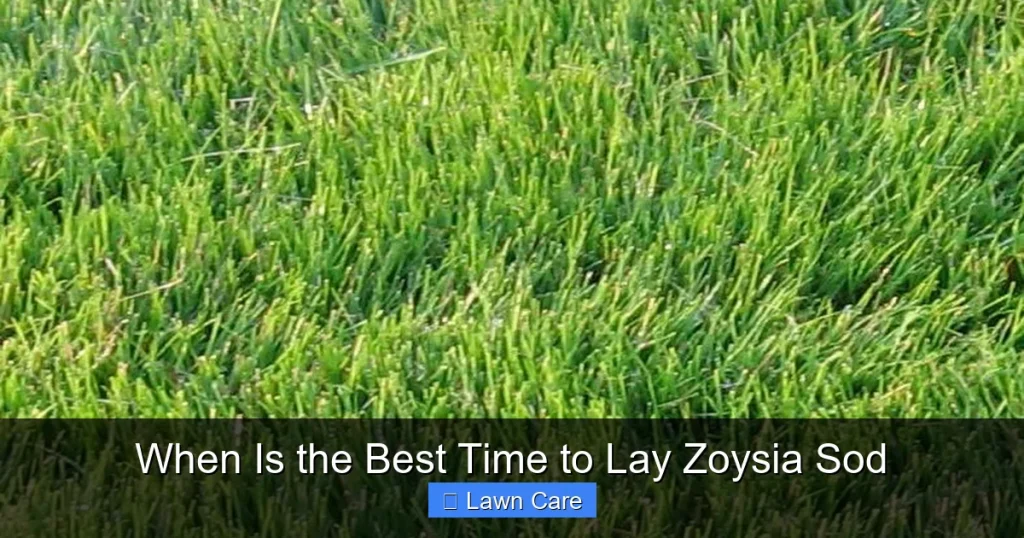
The best time to lay Zoysia sod is during its active growing season, typically late spring through early summer. Aim for consistently warm temperatures and avoid extreme heat or frost. This ensures your Zoysia sod can establish roots effectively for a vibrant, resilient lawn.
So, you’re dreaming of that beautifully manicured, dense, and resilient Zoysia lawn? It’s a fantastic choice, known for its ability to choke out weeds and thrive in warm weather. But like any big project, timing is everything. Laying sod isn’t just about unrolling beautiful green carpets; it’s about giving that new grass the best possible chance to take root and flourish. If you get the timing wrong, you might find yourself battling struggling grass, wasted money, and a lot of frustration.
We’ve all seen those stunning lawns, and Zoysia is often the secret ingredient. It’s tough, it’s beautiful, and it requires less maintenance once established. But the journey from bare earth to a perfect Zoysia lawn starts with a crucial decision: when do you lay the sod? This isn’t a one-size-fits-all answer. It depends on where you live, what the weather is doing, and what you want for your lawn’s future. Let’s dive into figuring out the absolute best time to lay your Zoysia sod.
## Understanding Zoysia Grass’s Growth Habits
Before we talk about timing, let’s get to know Zoysia a little better. Zoysia is a warm-season grass. This means it absolutely loves warmth and actively grows when temperatures are consistently high. It doesn’t do well in cold or frost. In fact, during cooler months, Zoysia goes dormant, turning a beautiful, but dead-looking, golden-brown color. This dormancy is a natural survival mechanism, but it tells us a lot about when this grass is happiest and most receptive to establishing itself.
When we lay sod, we’re essentially transplanting mature grass. The goal is to help those roots quickly anchor into the new soil so the grass can start drawing nutrients and water. For Zoysia, this process is most successful when the air and soil temperatures are warm enough to encourage active root growth. It needs warmth to get going, but not so much that it wilts and dries out before it can establish. This sweet spot is key to a successful Zoysia sod installation.
### The Active Growing Season: Your Primary Window
The absolute golden rule for laying Zoysia sod is to do it during its peak active growing season. For most regions where Zoysia is popular, this translates to late spring through early to mid-summer. Think of it as Mother Nature giving you the thumbs-up to get your new lawn started. During this time, soil temperatures are typically ideal, and there’s usually plenty of sunlight and rainfall (though you’ll supplement this with watering).
Why is this the best time?
- Optimal Soil Temperatures: Zoysia grass roots grow best when the soil temperature consistently stays between 70°F and 90°F (21°C to 32°C). Late spring and early summer are when you’re most likely to see these temperatures sustained.
- Abundant Sunlight: Longer days mean more sunlight, which is vital energy for photosynthesis and helps the sod establish quickly.
- Natural Growth Spurt: Zoysia is in its prime growing phase, meaning it’s actively seeking to expand its root system and spread.
- Reduced Stress: While you still need to water diligently, the ambient temperatures are less likely to scorch new sod compared to the intense heat of mid-summer.
For example, if you live in a region like the Southern United States, you’ll likely find that May, June, and even July are excellent months for laying Zoysia sod. In slightly cooler climates where Zoysia is still viable, pushing this window a bit earlier into May might be more beneficial. The key is to monitor your local weather and aim for a period of consistent warmth without immediate extreme heat.
## Factors to Consider for Optimal Timing
While the active growing season is the primary guide, several other factors can influence the *perfect* time to lay your Zoysia sod. Thinking about these will help you fine-tune your approach and ensure the best possible outcome for your new lawn.
### Temperature is King (But Not Just Air Temp!)
We’ve touched on this, but it bears repeating: soil temperature is more critical than air temperature for root establishment. While hot air can be stressful, it’s the ground that needs to be warm enough to encourage root growth. If the soil is too cold, the roots simply won’t grow, and the sod will struggle to take hold. This is why spring and early summer are usually the sweet spots.
Practical Tip: If you’re unsure about your soil temperature, you can use a soil thermometer. Stick it a few inches into the ground in a sunny spot. Aim for readings consistently in the 70-90°F range.
Conversely, laying sod during a severe heatwave in mid-summer can be risky. While Zoysia *is* heat-tolerant, newly laid sod is fragile. The intense sun and high temperatures can dry out the sod and the shallow roots before they’ve had a chance to penetrate the soil. You’ll need to water much more frequently, and even then, it might not be enough to prevent stress.
### Rainfall Patterns: Nature’s Helping Hand
While you’ll be watering your new sod religiously, consistent natural rainfall can be a huge benefit. If you can time your sod installation for a period where your region typically experiences moderate, regular rainfall, it can significantly ease the establishment process. This helps keep the soil consistently moist without you having to constantly run the sprinklers.
What to watch out for: Conversely, laying sod right before a prolonged drought or a period of very infrequent rain can be problematic. You’ll need to be extra vigilant with your watering to compensate.
This doesn’t mean you should postpone your sodding project if a dry spell is predicted. It’s more about understanding the typical climate patterns and choosing a window where nature is more likely to be on your side.
### Avoiding Frost and Freeze
This is a non-negotiable for warm-season grasses like Zoysia. You absolutely must avoid laying sod when there is a risk of frost or freezing temperatures. Cold snaps will not only halt root growth but can also damage or kill the grass blades and the tender young roots. Zoysia needs time to establish a strong root system before it faces the stress of winter.
Important Note: Zoysia goes dormant in the cold. If you lay sod too late in the fall, it may not have enough time to establish before going dormant. It will likely survive the winter but might not look good or establish properly until the following growing season, if at all.
This is why late spring and early summer are so highly recommended. They provide a substantial window of warm weather for the sod to root and establish itself before the cooler temperatures of fall arrive.
## The Nuances of Regional Timing
The “best time to lay Zoysia sod” is heavily influenced by your geographical location. What works in Florida will be different from what works in North Carolina or even further north where Zoysia is still a popular choice.
### Southern Climates (e.g., Florida, Texas, Georgia)
In these warmer regions, the growing season for Zoysia is longer.
- Ideal Window: Mid-spring (April) through late summer (August).
- Considerations:
- Early Spring (April-May): Excellent. Temperatures are warming up, and there’s ample time for establishment before the intense summer heat.
- Late Spring/Early Summer (May-July): This is prime time. Consistent warmth, good sunlight, and the grass is highly active.
- Late Summer (August): Still viable, but you need to be mindful of the approaching fall. Ensure you have at least 6-8 weeks of warm weather before the first expected frost to allow for adequate rooting.
- Avoid: Laying sod during the absolute peak of summer heatwaves in July/August can be very challenging due to extreme temperatures.
### Transitional Climates (e.g., Parts of Virginia, Tennessee, Oklahoma)
In these areas, the window is a bit tighter.
- Ideal Window: Late spring through early summer (May to early July).
- Considerations:
- Late Spring (May-June): This is your sweet spot. You get warm soil temperatures without the extreme heat that can stress new sod.
- Early Summer (July): Can still work, but be prepared for potentially hotter conditions. Watering becomes extremely critical.
- Avoid: Early spring when soil may still be too cool, and late summer/early fall due to the risk of frost arriving too soon.
### Northern Limits of Zoysia’s Range (e.g., Parts of Missouri, Kansas, Delaware)
Here, timing is most critical.
- Ideal Window: Late May through June.
- Considerations:
- Late May to June: This is the safest bet. You’re ensuring warm soil and air temperatures for establishment but still have a decent amount of the growing season left.
- Avoid: Anything before late May due to cool soil, and anything after early July due to the shortened window before cooler fall weather sets in.
Regardless of your specific location, the principle remains the same: aim for a sustained period of warm soil and air temperatures during the grass’s active growing phase, with enough time before winter for the roots to firmly establish. For a comprehensive understanding of timing across different grass types, you might find it helpful to look into when is the best time to plant Bermuda grass, as it shares similar warm-season characteristics.
## Preparation is Key, No Matter the Season
While timing is crucial for *when* to lay Zoysia sod, it’s vital to remember that excellent preparation is non-negotiable for success, regardless of the season. Even if you pick the perfect day, poorly prepared soil will doom your new lawn.
### Site Preparation Steps
1. Clear the Area: Remove all existing vegetation, weeds, rocks, and debris. If you’re replacing an old lawn, you might need to kill the existing grass first.
2. Soil Testing: Get your soil tested to understand its pH and nutrient levels. Zoysia prefers a slightly acidic to neutral pH (6.0-7.0).
3. Amend the Soil: Based on your soil test, add necessary amendments. This might include compost to improve drainage and fertility, or lime to raise pH if it’s too acidic.
4. Tilling: Till the soil to a depth of at least 4-6 inches. This loosens compacted soil, allowing new roots to penetrate easily.
5. Leveling: Rake the soil to create a smooth, level surface. Remove high spots and fill low spots. The goal is a firm, even base.
6. Moisten the Soil: Lightly water the prepared soil just before laying the sod. This provides an immediate moisture source for the roots of the sod.
Pro Tip: Don’t skimp on preparation! This step is as important as choosing the right time to lay your sod. A well-prepared bed ensures good soil-to-sod contact, which is essential for rapid root establishment.
## Post-Installation Care: The Crucial First Weeks
Once your Zoysia sod is laid, the work isn’t over. In fact, the first few weeks are critical for ensuring it establishes properly. This is where your diligence in watering will pay off.
### Watering: Your Most Important Task
* Immediately After Laying: Water the entire area thoroughly until the sod and the soil underneath are completely saturated. You should see water start to drain from the edges.
* First 1-2 Weeks: Keep the sod consistently moist. This means watering daily, sometimes twice a day, especially if the weather is hot and sunny. The goal is to prevent the sod from drying out. Gently lift a corner of the sod to check for moisture.
* After 2 Weeks: As the roots begin to establish, you can gradually reduce the frequency of watering but increase the depth. Aim for about 1 inch of water per week, allowing the soil to dry slightly between waterings.
* Beyond Establishment: Once the sod is well-rooted (you’ll know when it resists being easily pulled up), you can transition to a more regular watering schedule for Zoysia, which is generally drought-tolerant once mature.
### Mowing and Other Care
* First Mowing: Wait until the sod is well-rooted and begins to show new growth. Usually, this is about 2-3 weeks after installation.
* Mowing Height: Mow at the recommended height for Zoysia (typically 1-2 inches). Never remove more than one-third of the grass blade at a time.
* Fertilizing: Hold off on fertilizing until the sod is well-established and actively growing.
Don’t forget: Proper watering is paramount, especially in the initial weeks. It’s better to water lightly and frequently in the very beginning, then transition to deeper, less frequent watering. Learn more about when is the best time to water Bermuda grass to get a sense of best practices for warm-season grasses.
## Can You Lay Zoysia Sod in the Fall?
This is a common question, and the answer is nuanced. In warmer climates with mild winters, laying Zoysia sod in early fall (September) can sometimes work. The soil is still warm from the summer, and temperatures are beginning to cool down, which can be less stressful than intense heat.
However, you must ensure there’s enough time for the sod to establish before the first hard frost or freezing temperatures arrive. This typically means a minimum of 4-6 weeks of favorable weather. If you wait too late into fall, the sod might not root sufficiently and could suffer winter damage or fail to thrive in the spring.
The Catch: If you lay sod in the fall, you’re relying on the remaining warmth of the soil and the root development happening before dormancy. It’s a riskier strategy than spring or early summer planting. If you’re in a region with significant winter cold, it’s best to avoid fall sodding entirely and wait for the spring growing season.
If you’re considering a fall project, it’s wise to consult with local horticultural experts or experienced landscapers in your area. They can provide specific advice based on your microclimate and the typical onset of cold weather. For instance, if you’re looking to reseed your lawn and wondering about the best timing, you might find information on when is the best time to reseed a lawn helpful, as it covers general principles of establishment.
## Conclusion: Timing for Triumph
Achieving a perfect Zoysia lawn is a rewarding endeavor, and getting the timing right for laying your sod is a significant step towards that goal. The best time to lay Zoysia sod is undeniably during its active growing season, which generally spans from late spring through early summer. This period offers the ideal combination of warm soil temperatures, ample sunlight, and sufficient time before the onset of harsh winter conditions.
Remember to consider your specific climate zone, as this will fine-tune the exact months that are most conducive to success. Always prioritize thorough soil preparation, as this lays the groundwork for robust root development. Finally, be prepared for diligent post-installation care, especially consistent watering, to ensure your new Zoysia sod becomes a beautiful, established lawn that you can enjoy for years to come. By following these guidelines, you’ll be well on your way to a stunning Zoysia landscape.
Key Takeaways
- Zoysia sod thrives when laid during its active growing season, which is generally late spring through early summer. This period offers ideal temperatures for root establishment.
- Avoid extreme temperatures: Laying sod during the peak of summer heat or in the chilling grip of frost can severely stress the new grass.
- Consider your climate: The exact timing depends on your specific geographical location and its typical weather patterns.
- Soil temperature is crucial: Zoysia prefers soil temperatures between 70°F and 90°F (21°C to 32°C) for optimal root growth.
- Early fall can be a secondary option: If spring and summer are missed, early fall might work in milder climates, allowing some establishment before winter.
- Proper soil preparation is key: Regardless of timing, ensuring well-prepared soil with adequate moisture is vital for sod success.
- Consistent watering post-installation is non-negotiable: No matter when you lay the sod, diligent watering is required for the first few weeks.
Quick Answers to Common Questions
What is the ideal soil temperature for laying Zoysia sod?
The ideal soil temperature for laying Zoysia sod is consistently between 70°F and 90°F (21°C to 32°C) to encourage optimal root growth.
Can I lay Zoysia sod during the peak of summer heat?
While Zoysia is heat-tolerant, laying sod during peak summer heat can be very stressful for new sod. It requires significantly more diligent watering to prevent it from drying out before it can establish roots.
Is early spring a good time to lay Zoysia sod?
Early spring might be too early in many regions, as soil temperatures may still be too cool for Zoysia’s roots to establish effectively. Late spring is generally a better choice.
How long does it take for Zoysia sod to establish?
Zoysia sod typically takes 2-3 weeks to start showing significant rooting, and several months to become fully established and resilient. Consistent watering is key during this establishment period.
What happens if Zoysia sod is laid too late in the fall?
If laid too late in the fall, Zoysia sod may not have enough time to establish its root system before the first frost or winter dormancy, potentially leading to winter damage or poor spring growth.
Frequently Asked Questions
When is the absolute earliest I can lay Zoysia sod in the spring?
The absolute earliest you can lay Zoysia sod in spring is when your soil temperatures consistently reach at least 70°F. This is usually in late spring, after the danger of frost has passed and the ground has warmed sufficiently.
What are the signs that my Zoysia sod has successfully rooted?
You’ll know your Zoysia sod has successfully rooted when it resists being pulled up easily. You should also see signs of new green growth appearing across the surface.
How much should I water newly laid Zoysia sod?
Immediately after laying, water thoroughly until the soil is saturated. For the first 1-2 weeks, keep the sod consistently moist, watering daily or even twice daily if conditions are hot and dry.
Can I lay Zoysia sod on a cloudy day?
Yes, laying sod on a cloudy day can be beneficial as it provides slightly cooler conditions, reducing the immediate stress on the sod. However, the soil temperature and the overall weather forecast for the coming weeks remain the most critical factors.
Is it better to lay sod in the morning or afternoon?
Laying sod in the morning is generally preferred. It allows you to work during the cooler parts of the day, and you can immediately water the sod in the afternoon heat, helping it settle in before the evening cool-down.
What if I miss the ideal spring/summer window for laying Zoysia sod?
If you miss the ideal spring or summer window, you might consider early fall in milder climates, ensuring at least 4-6 weeks of establishment time before frost. Otherwise, it’s best to wait until the following spring to avoid stressing the grass.