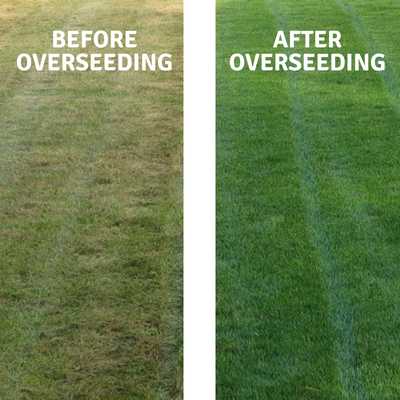
The best time to reseed a lawn is during the early fall or spring when temperatures are cooler and rainfall is more consistent. This allows the seeds to germinate and establish themselves before the stress of summer heat or winter cold. Are you looking to revive your patchy, dull lawn? Well, you’re in luck! In this article, we’re going to delve into the topic of when is the best time to reseed a lawn. A beautiful, lush lawn is the pride of every homeowner, but achieving that can be a daunting task. Reseeding is a great way to fill in bare spots, thicken the grass, and get that picture-perfect lawn you’ve always wanted. But timing is everything when it comes to reseeding, and choosing the wrong time can result in disappointment and wasted effort. So, let’s explore the optimal seasons for reseeding and uncover some helpful tips to ensure success.

When is the Best Time to Reseed a Lawn?
When it comes to maintaining a lush and vibrant lawn, reseeding plays a crucial role. Over time, lawns can become thin, patchy, or develop bare spots due to various factors such as foot traffic, weather conditions, or pests. Reseeding is the process of planting new grass seeds to rejuvenate and revitalize your lawn, ensuring it remains healthy and green throughout the year. However, timing is everything when it comes to reseeding a lawn. To achieve the best results, it’s important to consider the season, weather conditions, and grass type before embarking on this endeavor.
The Best Time to Reseed: Spring or Fall?
The optimal time to reseed a lawn depends on several factors, including your climate zone and the type of grass you have. In general, the two most favorable seasons for reseeding are spring and fall. Let’s dive into the details of each season to help you determine which is the best time for your lawn.
1. Reseeding in Spring
Spring is a popular time for lawn care enthusiasts to reseed their lawns. Here’s why:
- Weather Conditions: Spring brings mild temperatures, increased sunlight, and ample rainfall, creating ideal conditions for grass seed germination and growth.
- Moisture: Adequate moisture is essential for successful germination. Spring showers provide natural irrigation, reducing the need for manual watering.
- Less Competition: Many weeds are just starting to emerge in the spring, giving newly seeded grass a better chance to establish itself before having to compete for space and nutrients.
However, there are a few considerations to keep in mind when reseeding in the spring:
- Timing: It’s crucial to wait until soil temperatures consistently reach around 55°F (13°C) before reseeding in the spring. Grass seeds require a warm soil environment to germinate successfully.
- Weed Control: Spring reseeding requires careful weed control. Weeds can quickly take advantage of the open spaces in the lawn, competing with the new grass for resources. Pre-emergent herbicides can help prevent weed growth.
2. Reseeding in Fall
Fall, specifically late summer through early fall, is another excellent time to reseed a lawn. Here are the reasons why:
- Weather Conditions: As temperatures cool down, but before the first frost, grass seeds have the opportunity to establish themselves without the stress of scorching heat. Additionally, fall often brings more consistent rainfall, reducing the need for frequent watering.
- Less Weed Competition: Weeds tend to slow down and become less aggressive in the fall. This provides newly seeded grass with a better chance to grow and establish itself before winter arrives.
- Soil Preparation: Fall reseeding allows for ample time to prepare the soil beforehand. Aerating and dethatching can be done in late summer, allowing the seeds to reach the soil and establish strong root systems.
While fall is generally a favorable season for reseeding, there are a few considerations to keep in mind:
- Timing: Aim to reseed at least six weeks before the first expected frost. This gives the new grass enough time to grow and establish strong roots before the arrival of winter.
- Competition from Leaves: Falling leaves can pose a challenge as they may smother newly seeded areas. Regular raking or using a leaf blower can help prevent leaves from obstructing the growth of new grass.
Factors to Consider for Optimal Reseeding
While spring and fall are generally considered the best seasons for reseeding, it’s important to consider other factors that can affect the success of your lawn’s reseeding efforts. These factors include:
1. Grass Type
Different grass types have varying growth patterns, optimal temperatures, and germination requirements. It’s crucial to determine the type of grass in your lawn and understand its specific needs before reseeding. Some grass types, such as cool-season grasses like fescue or Kentucky bluegrass, thrive in cooler temperatures and are better suited for reseeding in the fall. Warm-season grasses like Bermuda grass or Zoysia grass, on the other hand, prefer warmer temperatures and are best reseeded in the spring.
2. Soil Preparation
Properly preparing the soil before reseeding is essential for the success of your lawn. Before sowing grass seeds, ensure the soil is free of debris, rocks, and weeds. Loosen compacted soil using a rake or a mechanical aerator, allowing the seeds to penetrate and establish good root growth. Additionally, consider conducting a soil test to evaluate the nutrient levels and acidity of the soil. This will help you determine if any amendments, such as lime or fertilizer, are necessary to create an optimal environment for seed germination.
3. Watering and Maintenance
Consistent watering is crucial for the successful establishment of newly reseeded areas. The soil should be kept moist, but not saturated, until the new grass reaches a height of about 2 inches (5 cm). Avoid overwatering, as it can lead to shallow root systems and increased susceptibility to disease. Regular mowing should begin once the grass reaches a recommended height for your grass type, typically around 3-4 inches (7-10 cm). Be sure to follow proper mowing practices to encourage healthy growth and minimize stress on the new grass.
4. Overseeding vs. Complete Reseeding
Depending on the condition of your lawn, you may choose to either overseed or undergo complete reseeding. Overseeding involves spreading grass seeds over existing grass to fill in thin areas, while complete reseeding requires starting from scratch by removing the existing grass and starting anew. The extent of your lawn’s needs, time constraints, and personal preference will determine which approach is best for you.
In conclusion, the best time to reseed a lawn depends on various factors such as climate, grass type, and maintenance preferences. Spring and fall generally provide the most favorable conditions for successful reseeding. However, it’s important to consider specific factors such as weather conditions, weed control, soil preparation, and watering to ensure optimal results. By carefully planning and executing your lawn reseeding project, you can achieve a healthier, greener lawn that will be the envy of the neighborhood.
What is the Best Time to Plant Grass Seed? – Fall Lawn Tips | DoMyOwn.com
Frequently Asked Questions
When is the best time to reseed a lawn?
The best time to reseed a lawn depends on the type of grass and the climate in your area. However, generally, the prime time for lawn reseeding is in the late summer or early fall. Here are some frequently asked questions regarding the best time to reseed a lawn:
Question 1: Can I reseed my lawn during spring?
Answer: While it is possible to reseed a lawn in the spring, it is generally not recommended. The spring season comes with unpredictable weather and an increased chance of weed competition, which can hinder the germination and growth of new grass seeds.
Question 2: Is it okay to reseed a lawn in summer?
Answer: Reseeding a lawn during the summer is generally not recommended. The hot and dry conditions of summer make it challenging for new grass seeds to establish and thrive. Moreover, summer heat can increase the risk of the soil drying out, leading to poor germination and weak seedling growth.
Question 3: Why is late summer or early fall the best time to reseed a lawn?
Answer: Late summer or early fall provides the ideal combination of warm soil temperatures, cooler air temperatures, and more consistent moisture, creating optimal conditions for germination and establishment of new grass seeds. Additionally, weed competition tends to be lower during this time, allowing the grass seeds to grow more effectively.
Question 4: Can I reseed my lawn in winter?
Answer: Winter is generally not the best time to reseed a lawn, especially in regions with cold climates. The cold temperatures and frost can impede seed germination and growth. It is advisable to wait until the spring or early fall when the weather conditions are more favorable for successful lawn reseeding.
Question 5: Are there any exceptions to the recommended reseeding time?
Answer: Yes, there might be exceptions depending on your specific location, grass type, and climate. It is recommended to consult with a local gardening expert or lawn care professional who can provide tailored advice based on your specific circumstances.
Final Thoughts
The best time to reseed a lawn depends on the type of grass and the climate of your region. For cool-season grasses like Kentucky bluegrass and fescue, the ideal time is early fall when the soil is still warm, but the temperatures are cooler. This allows the seeds to establish before winter and ensures a lush lawn in the following spring. For warm-season grasses like Bermuda grass and zoysia, it’s best to reseed in late spring or early summer when the soil temperatures are consistently above 60°F. Reseeding during these periods maximizes the germination and establishment of the new grass. Remember, timing is key when it comes to reseeding a lawn for optimal results.