Here is the opening plus the first five H2 sections of the article.
If you're wondering when is best time to treat for grubs, the answer isn't a single date on the calendar. It depends on which type of product you're using, what species you're dealing with, and whether you're trying to prevent an infestation or kill grubs that are already feeding on your roots. Get the timing right and one application does the job.
Get it wrong and you've wasted money while your lawn slowly tears apart.
The core principle is straightforward. Preventive products need to be in the soil before eggs hatch, typically late spring through early summer. Curative products work best when grubs are small and actively feeding, usually mid-summer through early fall.
Understanding that distinction is the difference between a healthy lawn and a renovation project.
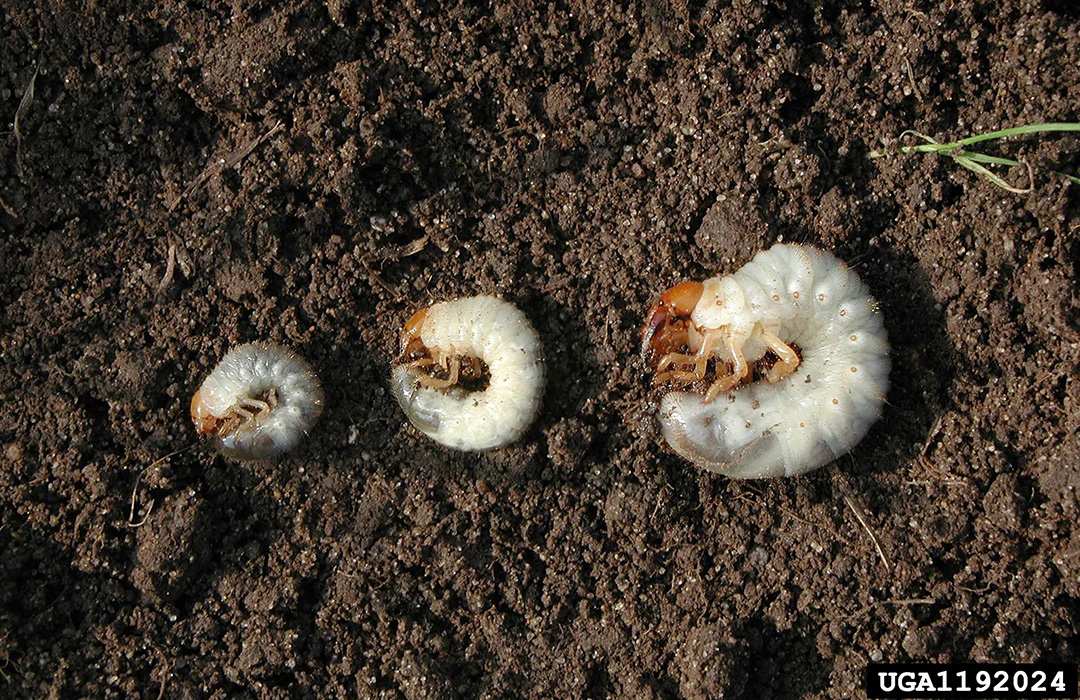
Image source: Bing (Web (fair-use with source credit))
Quick Answer
The best time to treat for grubs depends on your goal. Apply preventive products in late spring before eggs hatch. Use curative products in late summer when grubs are small and feeding.
Timing varies by region and grub species. Always confirm grubs are present before treating.
How the Grub Life Cycle Dictates Your Timing
Everything comes down to the grub life cycle. Scarab beetles, which include Japanese beetles, European chafers, and June bugs, follow a predictable annual pattern. Adult beetles lay eggs in mid-summer.
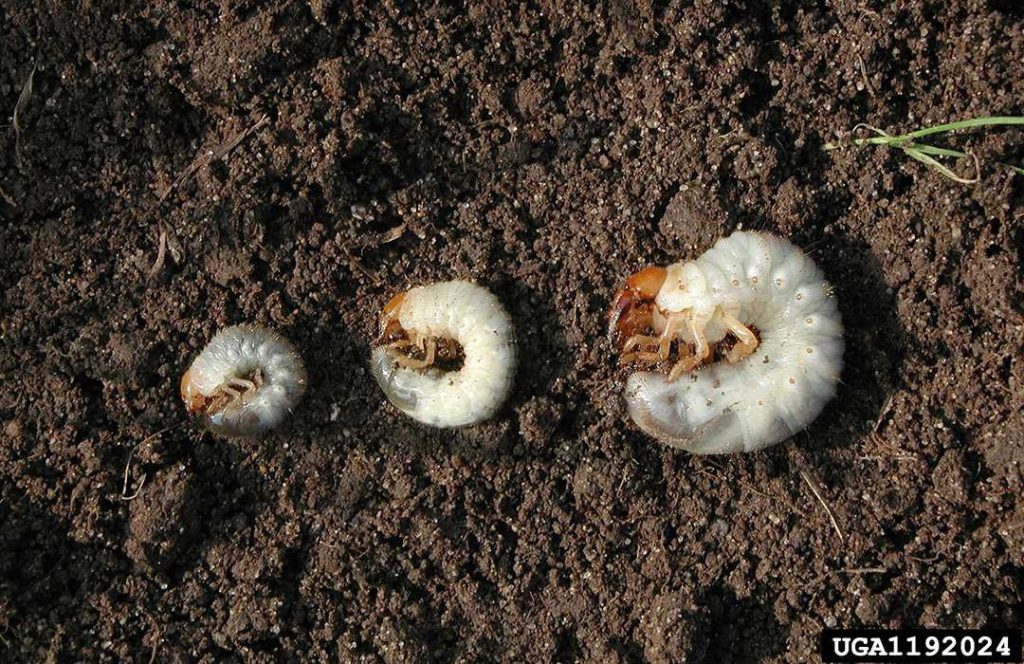
Those eggs hatch into larvae, the white grubs you find curled in your soil, within a couple of weeks. The larvae feed on turf roots through late summer and fall, then burrow deep to overwinter. In spring they pupate, and adults emerge to start the cycle again.
This cycle creates two distinct treatment windows. The preventive window targets eggs and newly hatched larvae before significant feeding occurs. The curative window targets actively feeding larvae while they're still small enough to kill easily.
Miss both windows and you're either applying product with nothing to kill or dealing with grubs that are nearly mature and tough to control.
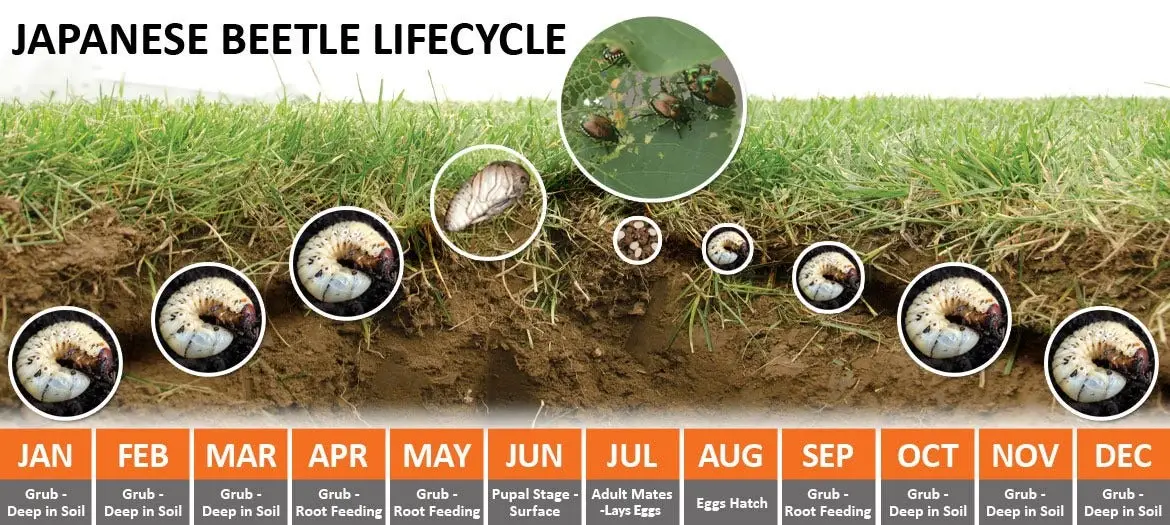
Image source: Bing (Web (fair-use with source credit))
Species matters here. Japanese beetles typically lay eggs from mid-July through August in most regions. European chafers fly earlier, often in June and July, so their egg hatch comes sooner.
June bugs tend to follow a similar mid-summer pattern. If you know which species is damaging your lawn, you can narrow your timing window significantly.
Soil temperature plays a role too. Most scarab beetles start laying eggs when soil temperatures at a 2-inch depth reach 65°F and hold steady. Tracking soil temps in your area gives you a better heads-up than following a fixed calendar date.
Preventive vs. Curative: Two Completely Different Windows
This is where most people go wrong. They grab a product without understanding whether it's designed to prevent or cure. Those are two different tools for two different moments in the grub life cycle.
Preventive products contain active ingredients like chlorantraniliprole, imidacloprid, or halofenozide. They work by targeting eggs and very young larvae. You apply them before the grubs are a problem.
The product needs to be in the soil and active when eggs hatch. If you apply a preventive after larvae are already growing, it largely won't work.
Curative products contain faster-acting ingredients like trichlorfon. They kill grubs that are already feeding. You apply them when you confirm grubs are present and active.
They work quickly but don't have the long residual of preventive products.
Here's a side-by-side breakdown:
| Factor | Preventive Treatment | Curative Treatment |
|---|---|---|
| Best application window | Late spring to early summer (May–June) | Mid-summer to early fall (July–September) |
| Target stage | Eggs and newly hatched larvae | Actively feeding larvae |
| Speed of action | Slow, residual protection | Fast knockdown |
| Typical active ingredients | Chlorantraniliprole, imidacloprid, halofenozide | Trichlorfon |
| How it works | Affects molting and nervous system of young larvae | Nervous system toxicant, kills on contact and ingestion |
| Watering requirement | Needs watering in to activate | Needs watering in to move to root zone |
| Best for | Annual maintenance programs | Confirmed infestations with visible damage |
The key takeaway is this. If you're applying a preventive in September, you've missed the window. If you're applying a curative in May, the grubs are probably pupating or too large for reliable control.
The Decision Tree: Which Window Applies to You Right Now
Let's walk through this step by step. Answer these questions and you'll land on the right timing for your situation.
Step 1: Do you have confirmed grubs right now?
If yes, move to Step 2. If no, move to Step 3.
Step 2: How big are the grubs?
If they're under an inch long and you're finding more than 10 per square foot of turf, you're in the curative window. Apply a product with trichlorfon as soon as possible. Water it in well.
These grubs are actively feeding and vulnerable. If they're over an inch and it's late September or October, they're getting ready to burrow deep for winter. Curative control gets much harder at that point.
Your best move is to plan a preventive application next year and manage the damage in the meantime.
Step 3: Have you had grub problems in previous years?
If yes, you're a strong candidate for preventive treatment. Apply a preventive product in late spring, typically May through June depending on your region. The goal is to have the active ingredient in the soil before adult beetles lay their eggs.
If you've never had grub problems and you're not seeing signs of damage, you may not need to treat at all. Monitoring with a soap flush test in mid-summer is a smarter approach than spraying preventively every year without cause.
Step 4: What product are you holding?
Read the label. If it says "preventive" or lists chlorantraniliprole or imidacloprid, apply in late spring. If it says "curative" or lists trichlorfon, apply when grubs are confirmed and active.
Don't try to use a preventive as a curative or vice versa. They don't work that way.
Geographic and Species Variables That Shift Your Timing
Your location changes everything. A timing guide written for Ohio won't match what works in Georgia or Oregon. Here's how geography shifts your window.
Northern tier states (Minnesota, Wisconsin, New England): Adult beetle flight and egg laying happen later, often peaking in late July through August. Your preventive window runs June through mid-July. Your curative window runs August through September.
The compressed growing season means you have less margin for error.
Mid-Atlantic and Midwest (Pennsylvania, Ohio, Illinois, Michigan): This is Japanese beetle and European chafer territory. Adult flight typically peaks in July. Preventive applications work best in May through June.
Curative applications target August through September. These regions often have the highest grub pressure in the country.
Southeast (Georgia, Carolinas, Alabama): Warm-season grasses like Bermuda and St. Augustine change the equation. Grub species mix is broader, and the longer growing season can mean extended feeding periods.
Preventive timing is similar, May through June, but curative windows can stretch later into fall because soil temps stay warmer longer.
Pacific Northwest (Oregon, Washington): European chafer is the primary concern in many areas. Japanese beetle populations are limited but growing. Timing trends earlier due to milder springs.
Preventive applications in April through May may be appropriate in warmer microclimates.
A practical tip: check your local cooperative extension service for degree-day models specific to your area. Many university extension programs track soil temperatures and adult beetle flight data. That local information is worth more than any generic national guideline.
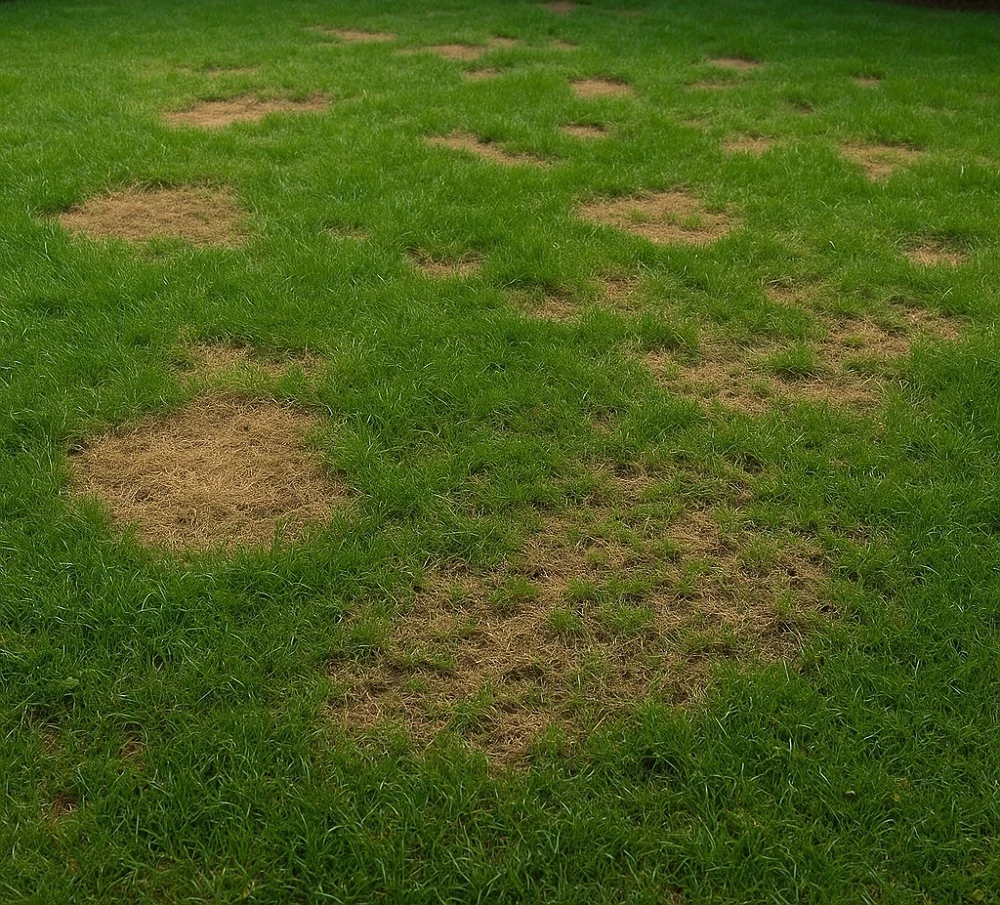
Image source: Bing (Web (fair-use with source credit))
Image source: Bing (Web (fair-use with source credit))