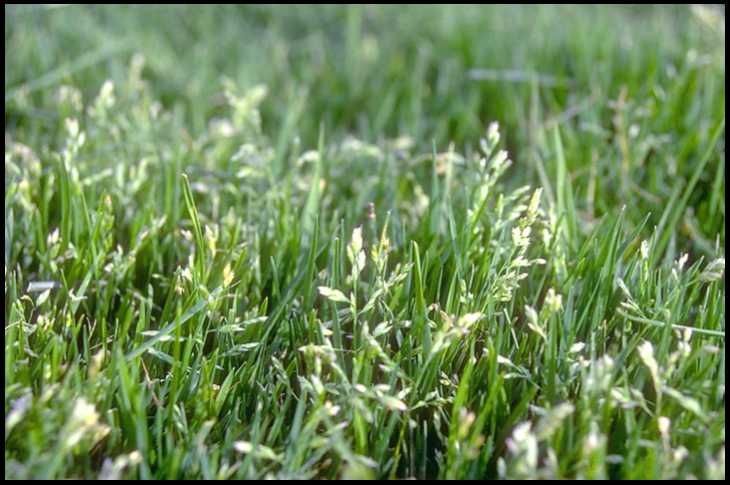
The best time to seed Kentucky bluegrass is during early fall or late spring, when temperatures are moderate and soil conditions are ideal for germination. Planting at the right time ensures your lawn grows lush and healthy, giving you a vibrant green space to enjoy.
In short, Kentucky bluegrass should be seeded in early fall, around September to October, or in late spring, from April to early May. These periods provide the optimal balance of warmth, moisture, and sunlight needed for successful growth. Knowing exactly when to plant helps you avoid challenges like drought or extreme heat, which can hinder seed germination and establishment. By planting at the right moment, you’ll set the stage for a thick, resilient lawn that stays beautiful year-round. Let’s explore the best timing and tips for seeding Kentucky bluegrass to get your lawn looking its best.

When Does Kentucky Bluegrass Seed? A Complete Guide to Planting Timing
Understanding Kentucky Bluegrass and Its Growing Needs
Kentucky bluegrass is a popular cool-season grass known for its lush, green appearance and dense growth. It thrives best during cooler months but can struggle in extreme heat or drought unless properly cared for. Knowing the right time to plant Kentucky bluegrass seed is crucial for establishing a healthy, beautiful lawn.
Optimal Seasons for Kentucky Bluegrass Seeding
The best time to plant Kentucky bluegrass seed depends largely on your local climate and the specific season. Generally, seeding is most successful during early fall and late spring when temperatures are moderate.
Seeding in Fall
Fall is often considered the prime time for planting Kentucky bluegrass. During fall, soil temperatures range between 50°F and 65°F, perfect for seed germination. Cooler air temperatures reduce stress on new seedlings and promote strong root development.
Seeding in Spring
Spring seeding is also possible but requires attention. Early spring, just as soil temperatures reach about 50°F, offers another window for planting. However, warmer temperatures later in spring can hinder seed growth and increase evaporation, making watering more challenging.
Soil Temperature: The Key to Successful Seeding
Soil temperature impacts how well Kentucky bluegrass seed germinates. The ideal soil temperature for planting is between 50°F and 65°F. If the soil is too cold, germination slows down, increasing the risk of poor seed development.
Monitoring Soil Temperatures
Use a soil thermometer to check the temperature at a depth of 2 to 4 inches. Consistently measuring temperatures helps determine the best planting window.
Adjusting for Weather Variability
Weather conditions vary each year, so it’s essential to stay updated on local forecasts. Warm spells in early spring or fall may extend the planting window, while early frosts can shorten it.
Timing Based on Regional Climates
Different regions have unique growing seasons. Let’s explore how regional climates influence Kentucky bluegrass seeding.
North and Northeast Regions
In cooler northern areas, planting between late August and early October works best. This allows seedlings to establish before the first frost.
Midwest and Mountain Areas
Seeding should be done from mid-September to early October to maximize growing conditions and avoid early winter freezes.
Southern Regions
In the warmer South, late fall or early spring are better options. Planting in late October or early March gives the grass time to develop before the hottest or coldest months.
Factors Affecting Seeding Time
Several factors besides temperature can influence the best time to plant Kentucky bluegrass.
Soil Moisture and Drainage
Proper soil moisture is crucial. Avoid seeding during droughts or when the soil is overly wet to prevent seed rot and poor germination.
Weather Patterns
Unseasonably warm or cold days can shift the ideal planting window. Keeping an eye on weather forecasts helps plan accordingly.
Type of Kentucky Bluegrass
Different varieties may have slightly different planting needs. Some cultivars may germinate faster or be more tolerant of temperature fluctuations.
Preparing Your Lawn for Seeding
Preparation enhances seed success. Properly preparing your soil ensures good seed-to-soil contact, which is essential for germination.
Steps to Prepare the Soil
- Remove weeds, rocks, and debris from the area.
- Loosen the soil by aerating or tilling to about 2 inches deep.
- Mix in compost or soil amendments to improve fertility and drainage.
- Level the soil surface evenly to prevent water pooling.
Timing Your Preparation
Plan to prepare the soil a few weeks before seeding, especially in fall to get the best results during the optimal planting window.
Best Practices for Seeding Kentucky Bluegrass
Once the timing is right, following certain practices helps ensure successful germination and healthy growth.
Seed Spreading Techniques
Use a broadcast spreader or hand distribute the seed evenly across the prepared soil. Aim for a planting rate of about 1 to 2 pounds per 1000 square feet for optimal coverage.
Seeding Depth
Seed should be planted about 1/4 to 1/2 inch deep. Cover lightly with soil or mulch to protect against birds and ensure soil contact.
Watering Schedule
Keep the soil consistently moist during germination, which typically takes 14 to 21 days. Water lightly but frequently to avoid washing away the seed.
Post-Seeding Care and Maintenance
Proper care after seeding enhances growth and helps establish a dense turf.
Watering and Fertilization
Continue regular watering, gradually reducing frequency as the grass matures. Apply a balanced fertilizer after the grass has established.
Dealing with Weed Competition
Prevent weeds by maintaining proper lawn health. Avoid heavy weed growth that can compete with young bluegrass seedlings.
Ongoing Lawn Maintenance
Mow the grass when it reaches about 3 inches high, keeping the mower blades sharp. This encourages healthy root growth and thick turf development.
Common Mistakes to Avoid When Seeding Kentucky Bluegrass
Knowing what can go wrong helps you prevent issues.
Seeding at the Wrong Time
Planting outside the recommended seasons can lead to poor germination or stress on new seedlings.
Overwatering or Underwatering
Striking a balance in watering is essential—too much water can drown seeds, while too little prevents germination.
Improper Soil Preparation
Skipping soil preparation can cause uneven seed germination and patchy lawns.
Ignoring Regional Conditions
Always tailor seeding plans to your local climate and weather patterns for the best outcomes.
Related Topics
For more tips, consider exploring related topics such as lawn aeration, watering techniques, and choosing the right Kentucky bluegrass variety. These can help you maintain a healthy, vibrant lawn throughout the year.
By planning your seeding around these guidelines and understanding regional differences, you’ll give your Kentucky bluegrass the best chance to thrive. Proper timing, preparation, and aftercare are keys to a lush, green lawn that you can enjoy for years to come.
When To Seed Kentucky Bluegrass?
Frequently Asked Questions
What is the best time of year to plant Kentucky bluegrass seeds in your area?
The optimal time to plant Kentucky bluegrass seeds is during the late summer to early fall, typically from August to September. This period offers cooler temperatures and increased soil moisture, creating ideal conditions for seed germination and establishment. Planting at this time allows the grass to develop strong roots before the winter dormancy period, resulting in a healthy and lush lawn in the spring.
How do seasonal changes affect the seeding schedule for Kentucky bluegrass?
Seasonal variations significantly influence when you should seed Kentucky bluegrass. In regions with cold winters, seeding in late summer or early fall ensures the grass establishes before the first frost. Conversely, in milder climates, early spring can be suitable, but spring seeding may require more frequent watering and care to promote germination and growth before summer heat arrives.
What are the temperature ranges ideal for Kentucky bluegrass seed germination?
Kentucky bluegrass seeds germinate best when soil temperatures range between 60°F and 75°F (15°C to 24°C). Temperatures within this range promote quick sprouting and healthy root development. It’s important to wait until the soil has warmed sufficiently in early fall or late summer before planting, as planting too early in cold soil can delay germination and reduce germination success.
Can I seed Kentucky bluegrass during the spring, and what should I consider?
Yes, you can seed Kentucky bluegrass in spring, especially if the soil warms up to the appropriate temperature. However, spring seeding often requires more diligent watering and weed management to ensure the new grass establishes well. Keep in mind that early spring planting may be impacted by unpredictable weather, so plan accordingly and be prepared for ongoing maintenance to support healthy growth.
How does soil temperature affect seed germination timing for Kentucky bluegrass?
Soil temperature plays a crucial role in the germination process. When soil temperatures are within the 60°F to 75°F (15°C to 24°C) range, seeds begin to sprout quickly. If the soil remains too cold, germination slows down or stalls; if it gets too hot, seeds may struggle to establish. Monitoring soil temperature helps you determine the best window for seeding to maximize success and ensure healthy lawn development.
Final Thoughts
Kentucky bluegrass seed is best planted in late summer to early fall when conditions are ideal for germination. This timing allows the grass to establish roots before cold winter weather sets in.
Planting during this period ensures healthy growth and a lush, green lawn.
When does kentucky bluegrass seed, the key is to wait until soil temperatures are between 60-75°F for optimal results.