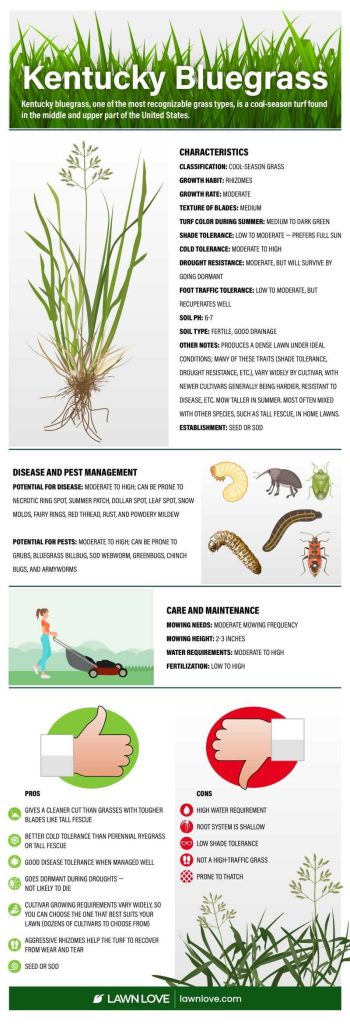
The best time to plant Kentucky bluegrass is during early fall or early spring when the weather is cool and moist. These seasons give the grass a healthy start, allowing it to establish well before the heat of summer or the cold of winter sets in. By planting at these times, you maximize your chances of a lush, green lawn that thrives throughout the year.
In short, the ideal time to plant Kentucky bluegrass is in early spring or early fall. These periods provide optimal growing conditions, helping the grass develop strong roots and reach its full potential.
Getting your Kentucky bluegrass lawn off to a great start depends on planting at the right time. When the weather is mild and there’s plenty of moisture, the grass can take root easily, leading to a thick, resilient turf. Planting too late in summer or during the cold winter months can hinder growth and result in patchy results. Whether you’re starting fresh or overseeding, timing is key to ensuring a vibrant, healthy lawn that will be the envy of your neighborhood.

When Should You Plant Kentucky Bluegrass?
Understanding Kentucky Bluegrass and Its Growing Conditions
Kentucky bluegrass is a popular cool-season grass known for its lush green color and dense growth. It thrives in areas with moderate temperatures and sufficient moisture. Knowing its preferred growing conditions helps determine the best time for planting.
This grass type grows best when daytime temperatures are between 60°F and 75°F (15°C to 24°C). It prefers well-drained soil rich in organic matter and needs adequate sunlight to flourish.
Understanding these needs is essential to planting at the right time, ensuring healthy establishment and lasting beauty of your lawn.
Why Timing Matters for Planting Kentucky Bluegrass
Timing impacts how successfully your bluegrass will establish and grow. Planting at the wrong time can lead to poor germination or slow growth.
Early planting allows the grass to develop strong roots before the heat of summer or the cold of winter. Conversely, planting during unsuitable seasons increases the risk of disease or failure to sprout.
Getting the timing right ensures the grass has enough time to establish roots while weather conditions support healthy growth.
Best Seasons to Plant Kentucky Bluegrass
Fall Planting: The Ideal Time
Fall is generally the best season to plant Kentucky bluegrass. In most regions, planting in early to mid-fall provides optimal conditions.
Cooler temperatures reduce stress on new seedlings, and the increased rainfall helps with germination. The soil remains warm enough for seed germination even as air temperatures cool.
Planting in the fall also allows the grass to develop a strong root system before winter dormancy.
Spring Planting: A Good Option
Spring is another suitable time for planting bluegrass, especially if you missed the fall window.
Plant after the last frost date when soil temperatures reach at least 50°F (10°C). This allows the seeds to germinate quickly and establish roots during the growing season.
Be aware that spring planting might require more frequent watering due to warmer, drier weather.
Summer Planting: Generally Not Recommended
Summer planting is usually discouraged because high temperatures and dry conditions stress young grass.
If you need to plant in summer, start early in the morning or late in the evening to avoid heat stress. Ensure plenty of watering to keep the soil consistently moist.
However, it’s better to wait for cooler weather for successful establishment.
How Soil Temperature Affects Planting Time
Soil temperature is crucial for Kentucky bluegrass seed germination. The ideal soil temperature for planting is between 50°F and 65°F (10°C to 18°C).
Below this range, germination slows down significantly or doesn’t occur at all. Above 70°F (21°C), seeds may germinate too quickly, leading to weaker root systems.
Using a soil thermometer helps determine the best planting time based on temperature.
Timing for Overseeding and Lawn Renovation
If you’re overseeding an existing lawn, plan for early fall when the grass is less stressed.
For lawn renovation or complete reseeding, aim for early to mid-fall or spring.
This timing provides the best conditions for seed germination and establishment, especially when temperatures are moderate.
Factors Influencing Planting Dates
Several factors can influence the best planting time, including regional climate, soil conditions, and recent weather patterns.
In warmer climates, planting might be best in late winter or early spring, avoiding the hottest months.
In cooler regions, late summer or early fall might be more suitable to ensure the seed’s success.
Monitor local weather forecasts and soil conditions to choose the optimal window.
Preparing Your Lawn Before Planting
Before planting Kentucky bluegrass, proper preparation is key.
Clear the area of debris, weeds, and old grass.
Loosen the soil to a depth of 4 to 6 inches (10 to 15 cm) and amend it with compost or organic matter if necessary.
Level the soil surface for even seed distribution and good seed-to-soil contact, which promotes germination.
Timing and preparation go hand in hand to ensure your lawn gets off to a strong start.
Using a Seeding Schedule for Best Results
Create a planting schedule based on your local climate and ideal planting windows.
Mark the last frost date in spring and the first frost date in fall to stay on track.
Aim to seed at least 4 weeks before the first expected frost in fall or post-frost in spring.
Regularly monitor weather conditions and soil temperature to adapt your schedule if needed.
This organized approach improves germination success and lawn quality.
Additional Tips for Success
– Keep the soil consistently moist during germination and early growth.
– Avoid heavy foot traffic on newly seeded areas.
– Use a starter fertilizer to give young grass a healthy boost.
– Consider light raking or rolling after seeding to improve seed-to-soil contact.
Following these steps maximizes your chance for a healthy, green Kentucky bluegrass lawn.
Plant your Kentucky bluegrass at the right time for your region, typically during early fall or late spring, depending on the climate.
Timing your planting with soil temperature and weather conditions supports successful germination and growth.
By understanding these key factors, you can ensure your lawn becomes thick, lush, and beautiful, providing years of enjoyment.
When To Seed Kentucky Bluegrass?
Frequently Asked Questions
What is the ideal season for planting Kentucky bluegrass in most regions?
Plant Kentucky bluegrass during the early fall or late spring. These seasons provide moderate temperatures and consistent moisture, which help the grass establish strong roots. Planting in fall allows the grass to develop before winter, while spring planting allows for vigorous growth during warmer months.
How does soil temperature influence the timing for planting Kentucky bluegrass?
Kentucky bluegrass thrives when soil temperatures are between 50°F and 65°F (10°C to 18°C). Planting during this range ensures good seed germination and healthy root development. If the soil is too cold or too hot, germination slows down or seeds may fail to establish properly.
What are the benefits of planting Kentucky bluegrass early in the season?
Planting early allows the grass to establish deep roots before harsher weather conditions arrive. It also gives the grass a longer growing period, which results in a thicker, more durable lawn. Early planting reduces the risk of disease and weed invasion.
Can I plant Kentucky bluegrass in summer, or is it too hot?
Summer planting is generally not recommended because high temperatures can stress young seedlings and decrease germination rates. If you must plant in summer, do so early in the morning or late in the afternoon and ensure consistent watering to keep soil moist.
What preparations should I make before planting Kentucky bluegrass in the recommended season?
Prepare the soil by removing weeds, loosening the topsoil, and adding compost or fertilizer to improve fertility. Reseed or prepare the area to ensure good seed-to-soil contact, which promotes even germination. Adequate preparation increases the chances of a healthy, lush lawn.
Final Thoughts
The best time to plant Kentucky bluegrass depends on your local climate.
In cooler regions, early fall is ideal because the soil stays warm, helping roots establish before winter. In milder areas, early spring works well, giving the grass time to grow strongly before summer heat arrives.
Planting during these periods ensures optimal growth and turf health. When should you plant Kentucky bluegrass? Generally, it’s best in early fall or early spring, depending on your climate. Doing so guarantees a lush, healthy lawn.