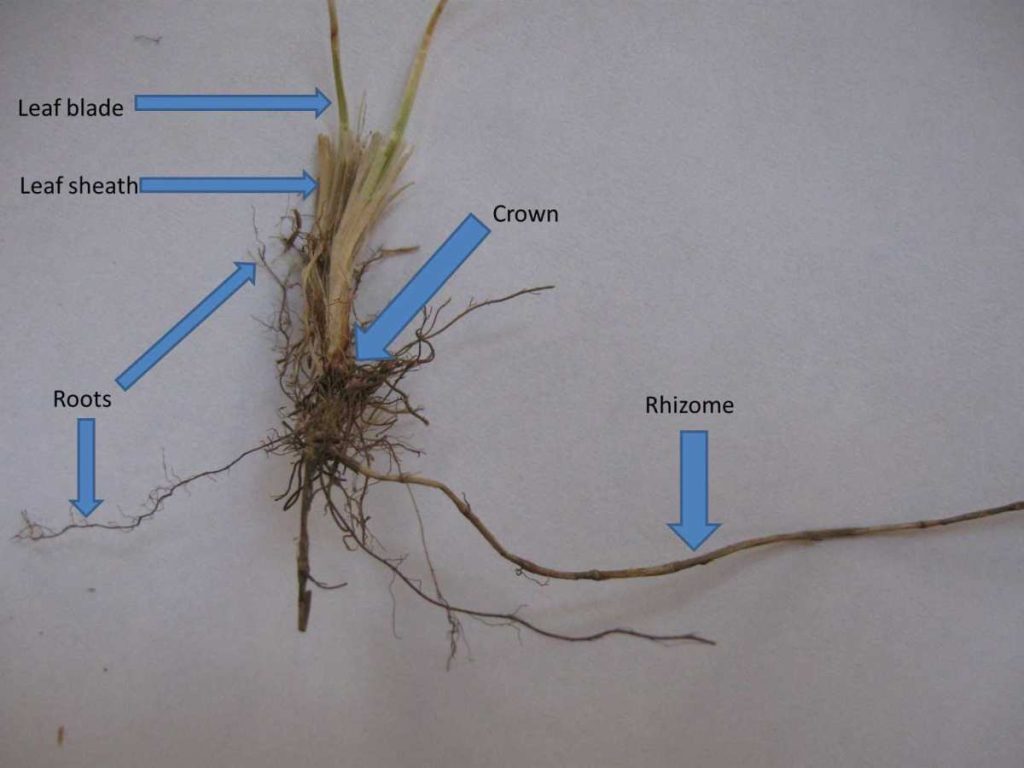
Kentucky Bluegrass roots typically grow between 6 and 12 inches deep, but under ideal conditions, they can reach as much as 24 inches. This deep rooting helps the grass withstand drought and heavy foot traffic, making it a popular choice for lush lawns.
In short, Kentucky Bluegrass generally has a root system that extends from about 6 to 12 inches deep, with potential to grow even deeper in favorable conditions. Its roots are well-developed and resilient, enabling the grass to stay healthy and vibrant throughout varying weather patterns. Understanding the root depth is essential for proper watering, fertilizing, and overall lawn maintenance, ensuring your grass remains strong and beautiful.
If you’re wondering how deep Kentucky Bluegrass roots grow, know that they develop a strong, deep root system that promotes durability and drought resistance. Proper care can encourage roots to penetrate further, resulting in a lush, resilient lawn. This grass type’s ability to develop extensive roots makes it ideal for creating a hardy, low-maintenance yard that stays green year-round.

How Deep Are Kentucky Bluegrass Roots
Kentucky bluegrass is a common grass used for lawns, sports fields, and parks. Many homeowners and landscapers wonder just how deep the roots of this grass grow. Understanding the depth of Kentucky bluegrass roots can help in caring for it properly and ensuring a healthy, lush lawn. In this section, we will explore the typical root depth, what influences root growth, and how to encourage deep roots for a resilient lawn.
Typical Root Depth of Kentucky Bluegrass
Kentucky bluegrass roots generally grow to a depth of about 6 to 18 inches. However, under ideal conditions, roots can extend even deeper. The majority of the roots stay within the top 12 inches of soil, where they access essential nutrients and water.
The root system is fibrous and dense, forming a strong network that helps the grass withstand drought and heavy foot traffic. Deeper roots enable the grass to survive dry periods because they reach moisture stored further underground.
Factors That Affect Root Depth
Various factors influence how deep Kentucky bluegrass roots grow. These include soil type, watering practices, mowing height, and overall lawn health.
Soil Type and Composition
Loamy, well-draining soils encourage deeper root growth because roots can move freely without obstruction. Heavy clay soils can restrict roots to shallower depths due to poor drainage and compaction. Sandy soils tend to promote deeper roots because they allow roots to penetrate easily and access water deeper underground.
Watering and Irrigation Practices
Consistent watering, especially during dry periods, encourages roots to grow deeper to find moisture. Overwatering or shallow watering can cause roots to stay shallow, weakening the plant’s resilience. Deep, infrequent watering is ideal to promote deeper root growth.
Mowing Height and Maintenance
Mowing too short stresses the grass and discourages deep root development. Cutting the grass at higher heights, around 2.5 to 3 inches, helps the roots grow deeper as the plant maintains more energy reserves and access to sunlight.
Fertilization and Soil Health
Healthy soil rich in organic matter supports vigorous root growth. Proper fertilization provides nutrients that encourage roots to grow deeper and stronger. Avoid over-fertilizing, which can lead to shallow roots and weak turf.
How to Promote Deeper Roots in Kentucky Bluegrass
Encouraging deep root growth improves drought tolerance and reduces the need for frequent watering. Implementing good lawn care practices can significantly enhance root penetration.
Deep Watering Techniques
Applying water slowly and deeply allows roots to reach further into the soil. Use soaker hoses or drip irrigation systems to deliver water effectively. Watering once a week with about one inch of water encourages roots to grow downward.
Proper Mowing Practices
Maintain mowing heights of 2.5 inches or higher. Leaving grass slightly taller promotes photosynthesis and stores energy in roots, aiding in deeper penetration.
Fertilization Strategies
Use balanced fertilizers with nitrogen, phosphorus, and potassium. Applying fertilizers in spring and fall stimulates healthy root development. Avoid quick-release fertilizers that can promote shallow roots.
Soil Aeration and Overseeding
Aeration relieves soil compaction and creates space for roots to grow deeper. Overseeding with Kentucky bluegrass introduces vigorous plants with expanding root systems, contributing to overall lawn strength.
Root Depth and Lawn Resilience
Deep-rooted Kentucky bluegrass is more resistant to drought, heat, and foot traffic. Strong root systems provide better anchorage and access to water and nutrients.
- Deeper roots help the grass recover faster after stress.
- They enable the lawn to stay green longer during dry spells.
- Deep roots improve the overall health and appearance of the turf.
Related Topics: Root System Comparison and Environmental Impact
Comparison with Other Grass Types
Kentucky bluegrass typically has shallower roots than tall fescue or Bermuda grass, which can extend roots beyond 24 inches. Choosing the right grass species depends on your lawn’s specific needs and environmental conditions.
Environmental Factors Affecting Root Growth
Climate, seasonal changes, and soil pollution can influence root development. In colder regions, roots may not grow as deep due to shorter growing seasons. Maintaining healthy soil and proper watering helps mitigate these challenges.
Summary of Root Depth Insights
Understanding Kentucky bluegrass root depth is vital for lawn care. It generally extends 6 to 18 inches, with ideal conditions encouraging deeper growth. Practices like proper watering, mowing, fertilization, and soil management promote healthy roots.
By nurturing your lawn with these techniques, you enable Kentucky bluegrass to develop a resilient, extensive root system. This results in a beautiful, hardy lawn that withstands environmental stresses and remains lush year-round.
Kentucky Bluegrass Pros and Cons
Frequently Asked Questions
What factors influence the depth of Kentucky bluegrass roots?
The depth of Kentucky bluegrass roots depends on several factors, including soil type, moisture levels, and mowing practices. Well-drained soils with adequate nutrients encourage roots to penetrate deeper, often reaching 12 to 18 inches. Consistent watering and proper fertilization also promote healthy root growth, enabling the grass to develop a strong and extensive root system.
How does soil compaction affect the root depth of Kentucky bluegrass?
Soil compaction restricts root growth by limiting the space available for roots to extend downward. When the soil is compacted, roots tend to stay shallow, which can weaken the grass and make it more susceptible to drought and disease. Loosening the soil through aeration allows roots to grow deeper, improving the overall health and resilience of the grass.
Can Kentucky bluegrass develop roots deeper than 18 inches?
Yes, under optimal conditions, Kentucky bluegrass roots can grow beyond 18 inches. Providing consistent moisture, proper fertilization, and minimized soil disturbance encourages roots to extend deeper into the soil. Deep roots help the grass access water and nutrients from lower soil layers, making it more drought-tolerant and vigorous.
How does mowing height influence root depth in Kentucky bluegrass?
Mowing at a higher height promotes deeper root growth by allowing the grass to maintain a healthy leaf-to-root ratio. Cutting the grass too short stresses the plant and can lead to shallower roots, reducing drought tolerance and overall health. Maintaining a mowing height of about 2.5 to 3 inches encourages roots to grow deeper into the soil.
What soil conditions are ideal for promoting deep root growth in Kentucky bluegrass?
Loose, well-drained soils rich in organic matter support deep root development. Avoid compacted or clay-heavy soils that hinder root penetration. Regular aeration, proper fertilization, and maintaining optimal moisture levels create ideal conditions for Kentucky bluegrass to develop a strong, extensive root system that extends well into the soil profile.
Final Thoughts
The roots of Kentucky bluegrass typically extend 12 to 24 inches underground, providing stability and drought resistance. These roots help the grass endure seasonal changes and foot traffic.
Understanding how deep are Kentucky Bluegrass roots guides proper maintenance and watering practices. Deep roots mean less frequent watering and better resilience in dry periods.
In conclusion, the depth of Kentucky bluegrass roots varies but generally reaches up to 24 inches, offering strength and adaptability.