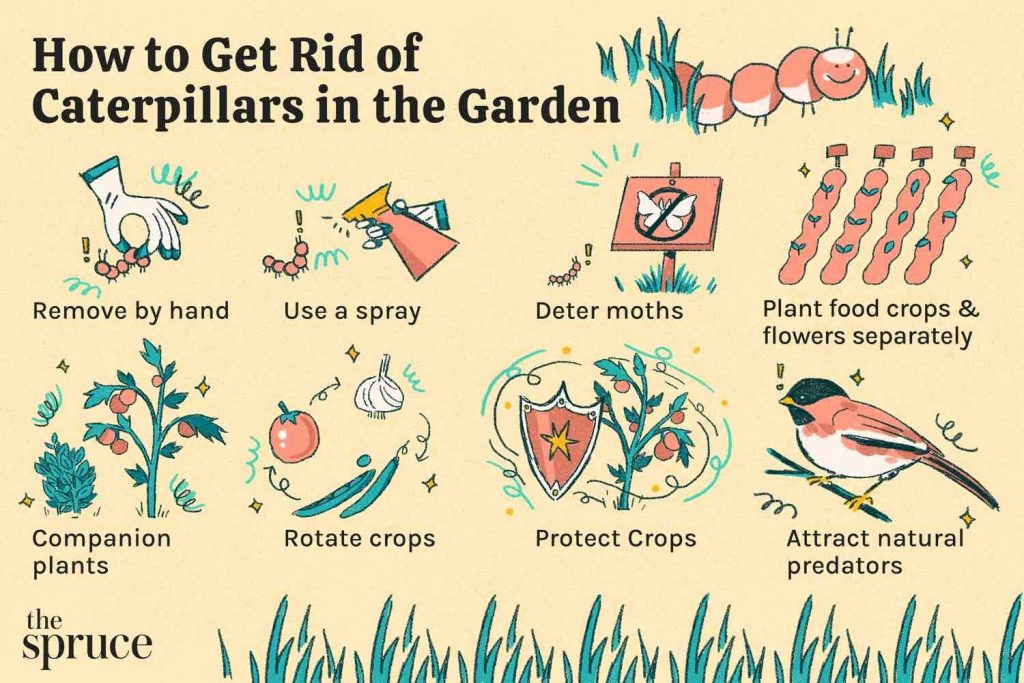
If you’re dealing with pesky caterpillars invading your yard, the good news is that there are several effective strategies to keep them at bay. Start by introducing natural predators like birds and beneficial insects, which can help control caterpillar populations. Additionally, you can use organic insecticides or neem oil as sprays to deter these unwanted visitors. Regularly inspecting your plants and removing any visible caterpillars by hand can also make a significant difference. With a combination of prevention and treatment, you can reclaim your garden and protect your plants from these hungry pests.
Caterpillars can wreak havoc on your garden, munching through leaves and damaging your plants. Understanding the lifecycle of these pests is crucial for effective management. While they may be a natural part of the ecosystem, some species can cause significant damage if left unchecked. In this blog, we’ll explore various methods to help you get rid of caterpillars in your yard, combining natural solutions with practical tips to ensure your garden thrives again. Whether you’re a seasoned gardener or just starting, these strategies can help you maintain a healthy, caterpillar-free environment for your plants.

“`html
How To Get Rid Of Caterpillars In Yard
Caterpillars can be a real nuisance in your yard, especially if you’re keen on keeping your plants healthy and thriving. These little creatures, while fascinating in their own right, can quickly turn into pests when they start munching on your precious foliage. In this guide, we will explore effective methods to evict caterpillars from your yard, ensuring your plants remain in tip-top shape.
Understanding Caterpillars and Their Impact
Before you can effectively deal with caterpillars, it’s essential to understand who they are and why they invade your space. Caterpillars are the larval stage of moths and butterflies. They primarily feed on leaves and can cause significant damage to ornamental plants and vegetables.
If you notice your plants starting to look ragged, it might be time to inspect for caterpillars. The good news is that by taking action early, you can prevent severe damage.
Identifying Caterpillar Species
There are many types of caterpillars, and some are more harmful than others. Here are a few common species you might find in your yard:
- Woolly Bear Caterpillars: Often furry and black with orange stripes, these caterpillars are generally not harmful to plants.
- Tomato Hornworms: Large and green, these caterpillars are known for their appetite for tomatoes, peppers, and eggplants.
- Cutworms: Usually found in the soil, these caterpillars can sever young plants at the base.
- Eastern Tent Caterpillars: Forming unsightly webs in trees, these can defoliate foliage if left unchecked.
Knowing the type of caterpillar you are dealing with can help you choose the best method for removal.
Natural Remedies for Caterpillar Control
If you prefer eco-friendly options, there are several natural remedies to consider. These methods can help you control caterpillar populations without resorting to harsh chemicals.
1. Handpicking
One of the simplest methods is to go out and manually remove caterpillars from your plants. Check the underside of leaves, as this is a common resting spot for many caterpillars. Place any collected caterpillars in a bucket of soapy water to eliminate them safely.
2. Neem Oil
Neem oil is an effective natural pesticide derived from the seeds of the neem tree. Mix it with water and a few drops of dish soap, then spray it on affected plants. Neem oil disrupts the life cycle of caterpillars and can help keep their numbers in check.
3. Diatomaceous Earth
Diatomaceous earth is a powder made from fossilized algae. It can be sprinkled around plants to create a barrier that is sharp enough to injure caterpillars. This method is non-toxic and safe for pets and wildlife.
Chemical Control Options
If natural remedies aren’t enough, you might consider chemical control options. Always follow the manufacturer’s instructions to ensure safe and effective use.
1. Bacillus thuringiensis (Bt)
Bt is a naturally occurring bacteria that targets caterpillars. It is non-toxic to humans and pets. When caterpillars ingest Bt, it causes them to stop feeding and eventually die. This method is particularly effective for specific species, such as hornworms.
2. Insecticidal Soap
Insecticidal soap works by suffocating soft-bodied insects, including many caterpillars. Spray it directly onto the affected areas, focusing on the caterpillars themselves.
Preventing Caterpillars in Your Yard
Prevention is often the best strategy for keeping caterpillar populations at bay. Here are some steps you can take.
1. Regular Inspections
Make a habit of checking your plants regularly. Early detection can make a significant difference in how easily you can manage caterpillars.
2. Maintaining Plant Health
Healthy plants are less susceptible to pests. Ensure that your plants receive adequate water, sunlight, and nutrients. Consider using mulch to help retain soil moisture and reduce stress on plants.
3. Encouraging Natural Predators
Many birds, insects, and even some garden animals love to eat caterpillars. Attract these natural predators to your yard by planting native flowers, shrubs, and creating a welcoming environment.
Traps and Barriers
In addition to natural deterrents, there are some practical traps and barriers that can help keep caterpillars away.
1. Row Covers
Using lightweight fabric row covers can physically block caterpillars from accessing your plants. Just remember to secure the edges to prevent them from getting underneath.
2. Sticky Traps
Sticky traps can catch caterpillars and other insects. Place these traps near infested areas but be cautious about attracting non-target insects as well.
Post-Control Maintenance
After you’ve successfully reduced the caterpillar population, it’s important to maintain control over your yard.
1. Continue Monitoring
Keep checking your plants regularly even after the initial removal. This can help you spot any new caterpillars early on.
2. Rotate Crops
If you grow vegetables, consider rotating your crops each season. This practice can reduce the likelihood of caterpillars returning to feast on their favorite plants.
3. Cleanup Debris
Regularly cleaning up fallen leaves and debris can eliminate potential hiding spots for caterpillars and their eggs.
In conclusion, managing caterpillars in your yard doesn’t have to be a complicated task. With the right knowledge and techniques, you can keep your plants thriving and pest-free. By employing a combination of identification, prevention, and control methods, you can create a healthy garden environment. Maintaining a vigilant and proactive approach will go a long way in ensuring that caterpillars don’t take over your outdoor space.
“`
Control Catepillars In The Garden Organically And Effectively
Frequently Asked Questions
What natural methods can effectively repel caterpillars from my garden?
Using natural methods can be an effective way to keep caterpillars at bay. You can introduce beneficial insects like ladybugs and lacewings, which prey on caterpillars. Additionally, you can sprinkle diatomaceous earth around your plants; this fine powder damages the exoskeletons of insects when they crawl over it. Another option is to use neem oil, which disrupts the life cycle of caterpillars and deters them from feeding on your plants.
How can I identify the types of caterpillars infesting my yard?
Identifying caterpillars is crucial for effective management. Start by observing their physical characteristics such as color, size, and markings. Many caterpillars also have specific host plants they prefer. You can take close-up photos and compare them to online resources or identification guides to determine their species. Knowing the specific type can help you choose the most suitable control methods.
When is the best time to take action against caterpillars?
Timing your interventions can significantly impact effectiveness. It’s best to start monitoring your yard in early spring, when caterpillars hatch and begin feeding. Act as soon as you notice significant numbers or damage. Regularly check your plants, especially during warm months, to catch infestations early and apply your chosen control methods effectively.
What chemical treatments are available to eliminate caterpillars?
If natural methods do not yield satisfactory results, consider chemical treatments. Products containing Bacillus thuringiensis (Bt) target caterpillars specifically while remaining safe for other beneficial insects. Insecticides with active ingredients like spinosad also effectively control caterpillars. Always follow label instructions carefully and apply treatments in the early morning or late afternoon to minimize harm to beneficial insects.
How can I prevent caterpillars from returning after I eliminate them?
To reduce the likelihood of caterpillars returning, implement preventative measures. Practice crop rotation to disrupt their life cycle and remove debris where they might hide. Regularly inspect your plants for signs of caterpillar eggs or larvae. Encourage natural predators like birds and beneficial insects by planting a diverse range of flowers and plants. Maintaining a healthy garden environment will make it less attractive to caterpillars.
Final Thoughts
To effectively manage caterpillars in your yard, start by regularly checking your plants and removing any visible caterpillars by hand. Use natural deterrents like neem oil or insecticidal soap to target any remaining pests without harming beneficial insects.
Encourage natural predators, such as birds and beneficial insects, by creating a diverse garden environment. You can also plant aromatic herbs that repel caterpillars, adding beauty to your yard.
By following these steps, you will be well-equipped to address the issue of caterpillars in your yard. Keep a vigilant eye, and soon you’ll enjoy a healthier garden free from these pests.