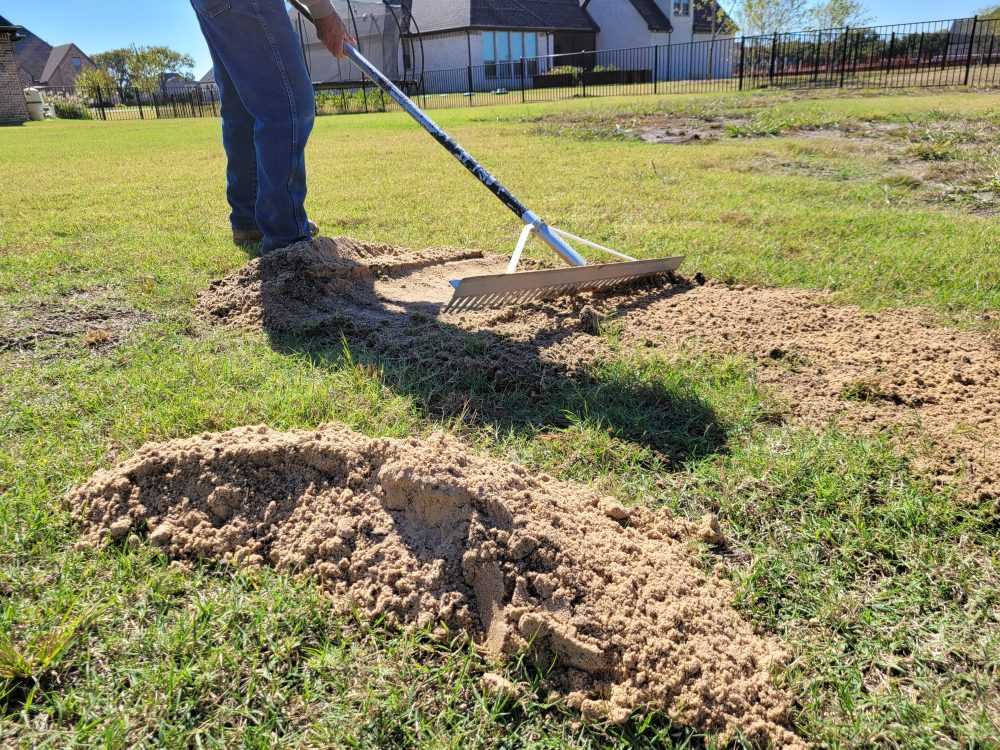
The best soil for leveling a lawn is a combination of topsoil, compost, and sand. Leveling your lawn is essential for creating a smooth and even appearance, preventing water pooling, and promoting optimal grass growth. By using the right soil mixture, you can achieve the desired level without much effort. Topsoil provides a solid foundation and nutrients for the grass roots, while compost enhances soil fertility and moisture retention. Adding sand helps to improve drainage and prevents soil compaction. This winning combination creates the perfect balance of nutrients, moisture, and airflow for a healthy lawn. In this blog article, we will explore the benefits of using this soil mixture, how to prepare it, and the steps to level your lawn effectively. So, let’s dive in and transform your uneven lawn into a lush and beautiful landscape.

Best Soil for Leveling Lawn
Having a level and even lawn is not only visually appealing but also crucial for proper water drainage and maintenance. One of the key factors that contribute to achieving a level surface is the type of soil used. In this article, we will explore the best soil options for leveling a lawn and provide detailed information on their properties, benefits, and how to use them effectively. So, let’s dive in!
1. Topsoil
Topsoil is often the go-to choice for leveling a lawn due to its balanced composition and high nutrient content. It is the upper layer of soil, ranging from 2 to 8 inches in depth, and contains organic matter, minerals, and microorganisms that promote healthy plant growth.
Benefits of using topsoil for leveling a lawn:
– Provides a smooth and even surface for your lawn
– Enhances nutrient availability for grass and other plants
– Improves drainage and moisture retention
– Allows for better root development
To use topsoil for leveling, follow these steps:
1. Measure the area: Determine the square footage of the area that needs leveling. This will help you calculate the amount of topsoil required.
2. Prepare the surface: Remove any weeds, rocks, or debris from the area to be leveled. Rake the surface to even it out.
3. Apply the topsoil: Spread a layer of topsoil evenly over the lawn, aiming for a depth of about 1-2 inches. Use a rake or shovel to distribute the topsoil evenly.
4. Level the soil: Use a leveling tool, such as a garden rake or a lawn roller, to even out the topsoil. Make sure the surface is smooth and free of bumps or depressions.
5. Seed or sod: If needed, sow grass seeds or lay sod over the leveled soil. Follow the recommended instructions for proper grass establishment.
2. Sandy Loam
Sandy loam soil is another excellent option for leveling a lawn. It consists of a mixture of sand, silt, and clay, with a higher proportion of sand. Sandy loam soil has good drainage properties and is easy to work with.
Benefits of using sandy loam for leveling a lawn:
– Allows for efficient water drainage
– Promotes root aeration
– Provides a stable base for grass growth
– Facilitates nutrient absorption
To use sandy loam for leveling, follow these steps:
1. Prepare the surface: Clear the area of any existing vegetation, rocks, or debris. Rake the surface to remove any bumps or unevenness.
2. Test the soil: Conduct a soil test to determine the nutrient levels and pH of the soil. This will help you make any necessary amendments before leveling.
3. Add organic matter: If the soil lacks organic matter, incorporate compost or well-rotted manure into the sandy loam to improve its fertility and structure. Mix it thoroughly with the existing soil.
4. Spread the sandy loam: Evenly distribute the sandy loam over the lawn area to be leveled. Aim for a depth of about 1-2 inches.
5. Level the soil: Use a rake or leveling tool to distribute the sandy loam evenly. Smooth out any bumps or depressions to create a level surface.
6. Water and settle: Water the leveled soil lightly to help it settle. Allow it to settle for a day or two before proceeding with seeding or sodding.
3. Clay-based Soil
While clay soil is not commonly used for leveling lawns, it can be effective when properly amended. Clay soil has fine particles that retain water and can become compacted, leading to poor drainage and uneven surfaces. By adding amendments, clay soil can be improved and used for leveling purposes.
Benefits of using clay-based soil for leveling a lawn:
– Increases water retention
– Improves soil structure
– Provides necessary nutrients for plant growth
– Enhances root development
To use clay-based soil for leveling, follow these steps:
1. Test the soil: Perform a soil test to determine the clay soil’s composition and nutrient levels. This will help you understand the necessary amendments required.
2. Add organic matter: Incorporate organic matter, such as compost or well-rotted manure, into the clay soil. This will improve its drainage and nutrient-holding capacity.
3. Mix in sand: Blend coarse sand into the clay soil to improve its structure and drainage. Aim for a ratio of 70% clay soil and 30% sand.
4. Apply the amended soil: Spread the amended clay soil evenly over the lawn area to be leveled. Aim for a 1-2 inch depth.
5. Level the soil: Use a rake or leveling tool to even out the soil, removing any bumps or depressions. Create a smooth and level surface.
6. Water and settle: Lightly water the leveled soil to help it settle. Allow it to settle for a day or two before proceeding with seeding or sodding.
Achieving a level lawn not only enhances its aesthetic appeal but also contributes to proper water drainage and maintenance. Choosing the best soil for leveling plays a crucial role in achieving a smooth and even surface. Topsoil, sandy loam, and clay-based soil, when properly amended, can provide excellent results. Remember to prepare the surface, apply the soil evenly, and level it using appropriate tools. By following these steps, you’ll be on your way to a beautifully leveled lawn that will be the envy of your neighbors.
Best Soil Mix For Lawn Leveling I'VE Ever Used
Frequently Asked Questions
What is the best soil for leveling a lawn?
The best soil for leveling a lawn is a high-quality topsoil that is rich in organic matter and has a balanced texture. It should have good drainage properties, be easy to work with, and promote healthy grass growth.
What characteristics should I look for in soil for leveling my lawn?
When selecting soil for leveling your lawn, look for the following characteristics:
– Loam or sandy loam texture: These soil types provide good water drainage while retaining enough moisture for healthy grass growth.
– Organic matter content: Soil with a higher organic matter content helps improve soil structure and fertility, promoting better root growth and nutrient availability.
– pH level: Aim for a slightly acidic to neutral pH range of 6.0 to 7.0, as it supports optimal nutrient uptake by grass plants.
Can I use any type of topsoil for leveling my lawn?
While any topsoil can be used for leveling a lawn, it is recommended to choose high-quality topsoil that meets the necessary characteristics. Low-quality topsoil may contain weed seeds, pests, or excess clay, which can lead to poor lawn establishment and growth.
Should I add compost or other amendments to the soil for leveling my lawn?
Adding compost or other organic amendments to the soil can be beneficial for leveling a lawn. These amendments improve soil structure, provide essential nutrients, and enhance water retention. It’s a good practice to mix compost or well-rotted manure into the top 4-6 inches of the existing soil before leveling.
How do I level my lawn using soil?
To level your lawn using soil, follow these steps:
1. Identify low spots and uneven areas.
2. Remove any existing grass or vegetation from the areas you plan to level.
3. Spread a layer of soil over the low spots and uneven areas, aiming for a depth of about 1-2 inches.
4. Use a rake or leveling tool to distribute the soil evenly and smooth out the surface.
5. Water the newly leveled areas thoroughly to help settle the soil.
6. Allow the soil to settle for a few days, then add more soil if necessary to achieve the desired level.
Can I level my lawn without adding soil?
In some cases, minor lawn leveling can be done without adding soil. You can try using a lawn roller or a topdressing mix to even out small bumps or depressions. However, for more significant leveling, adding soil is usually necessary to achieve optimal results.
Final Thoughts
The best soil for leveling a lawn is one that is rich in organic matter and has a balanced composition of clay, silt, and sand. It should have good drainage properties to prevent waterlogging and aeration to promote healthy root growth. Look for soil that is free from weeds, pests, and diseases, as these can negatively impact your lawn. Additionally, ensure that the soil is easily workable and can be spread evenly across the lawn. By using the best soil for leveling a lawn, you will create a smooth and even surface that is perfect for your outdoor activities.