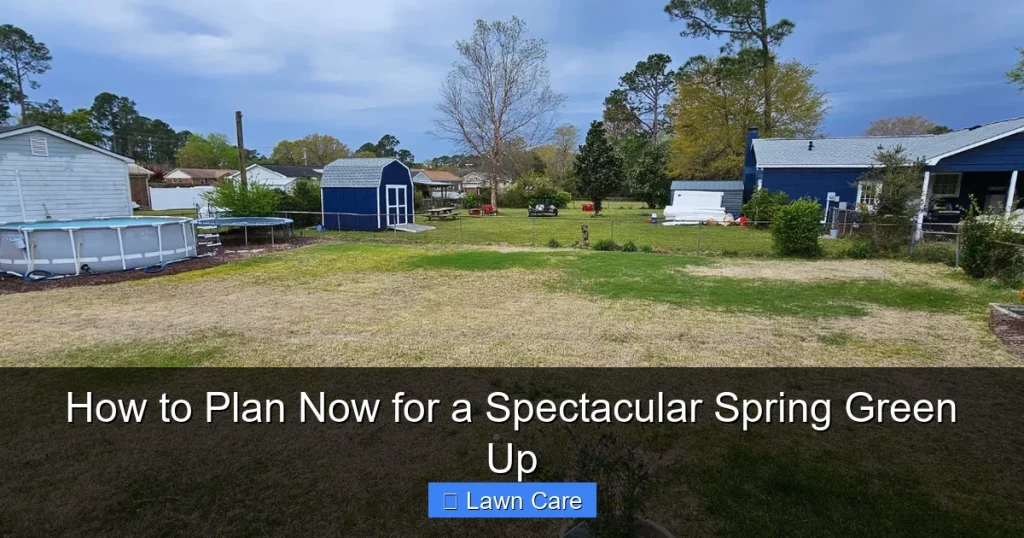
Don’t wait for spring to plan your lawn’s transformation! By taking proactive steps now, you can ensure a spectacular spring green up. This guide offers essential tips for fall lawn care, soil improvement, and preparing your equipment.
Spring. The very word conjures up images of budding flowers, chirping birds, and, of course, that glorious, vibrant green lawn. But achieving that picture-perfect green carpet doesn’t happen by magic. The secret to a spectacular spring green up lies not in frantic efforts when the snow melts, but in smart, proactive planning and action taken *now*, during the fall and winter months. Think of it as giving your lawn a head start, a nourishing embrace before the cold sets in, so it bursts forth with life when the warmer weather arrives.
We often associate lawn care with spring and summer tasks, but the foundation for a healthy, thriving lawn in the next growing season is laid long before the first spring daffodil blooms. By understanding the needs of your lawn during the cooler months and taking specific steps, you can ensure it emerges from winter strong, resilient, and beautifully green. This isn’t just about aesthetics; a healthy lawn is a more robust lawn, better able to resist pests, diseases, and the harshness of fluctuating weather. So, let’s dive into how you can plan now for that spectacular spring green up you’ve been dreaming of.
## Embrace the Power of Fall Cleanup
As the vibrant colors of autumn begin to fade, your lawn might seem like it’s winding down. But this is a critical period for essential preparation. One of the most significant tasks you can undertake now is a thorough fall cleanup. This involves more than just raking leaves; it’s about setting your lawn up for success through the winter.
### Rake Those Leaves!
It might seem like a chore, but diligently raking leaves is crucial. A thick blanket of leaves can smother your grass, blocking vital sunlight and air circulation. This can create a damp, dark environment where fungi can thrive, leading to disease. Furthermore, decomposing leaves can mat down and suffocate the turf. Aim to rake leaves regularly throughout the fall, especially after major shedding periods. If you have a lot of leaves, consider using a leaf blower for faster cleanup.
### Clear Debris and Fallen Branches
Beyond leaves, clear away any fallen branches, twigs, or other debris. These can also hinder airflow and create shaded, damp spots. Removing them now prevents potential damage and keeps your lawn clear for winter.
### Edge for a Defined Look
While not directly impacting grass health, edging your lawn in the fall provides a clean, defined look that carries through winter and sets a beautiful stage for spring. It’s a satisfying way to see the fruits of your labor, even as the season changes. This task, along with other aesthetic improvements, can be part of your overall lawn preparation.
## Nourish and Improve Your Soil
The health of your lawn is directly tied to the health of its soil. Fall is an excellent time to assess and improve your soil’s quality, laying the groundwork for robust root development and nutrient uptake come spring.
### Aeration for Compacted Soil
Over the summer, foot traffic, mowing, and even rain can compact your soil. Compacted soil restricts air, water, and nutrient movement to the grass roots. Fall is the ideal time to aerate your lawn. This process involves creating small holes in the soil, allowing it to decompress. You can rent an aerator or hire a professional service. This is a foundational step for improving soil quality.
### Soil Testing: Know What You Need
Before you reach for any fertilizers, it’s wise to get a soil test. This will tell you the pH of your soil and its current nutrient levels. Most grasses prefer a slightly acidic to neutral pH (around 6.0-7.0). If your pH is off, it can prevent your lawn from absorbing nutrients properly, even if they are present. A soil test will guide you on what specific amendments or fertilizers your lawn needs. You can often get test kits from your local cooperative extension office.
### Amend Your Soil
Based on your soil test results, you might need to amend your soil. This could involve adding lime to raise pH or sulfur to lower it. You might also need to add specific nutrients like nitrogen, phosphorus, or potassium. Incorporating organic matter, like compost, is also highly beneficial. Fall is a great time to work compost into the soil, especially if you’re planning to overseed. Improving soil quality now ensures your lawn has the best possible foundation for growth.
## Overseeding for a Thicker, Greener Lawn
Bare patches and thin areas in your lawn are not only unsightly but also invite weeds. Fall is the prime season for overseeding, a process that introduces new grass seed to your existing lawn. This helps to fill in those thin spots, increase density, and create a more resilient turf.
### Choose the Right Seed
Select a grass seed variety that is well-suited to your climate and existing lawn type. Consider factors like sun exposure, drought tolerance, and foot traffic. A mix of high-quality grass seed will give your lawn the best chance to thrive.
### Prepare for Seeding
After aerating your lawn and before you spread the seed, you want to ensure good seed-to-soil contact. Lightly rake the area to loosen the soil surface and create some nooks for the seeds to settle into. Remove any debris.
### The Overseeding Process
Spread the grass seed evenly over your lawn according to the manufacturer’s recommendations for your chosen seed type. You can use a broadcast spreader for larger areas or a drop spreader for more precise application. After seeding, lightly rake the area again to gently cover the seeds with a thin layer of soil.
### Water and Care
Newly seeded areas require consistent moisture. Water lightly and frequently – enough to keep the surface moist but not waterlogged. This is crucial for germination. As the new grass establishes, you can gradually reduce the frequency of watering while increasing the amount. Overseeding now will result in a much thicker and greener lawn come spring. For more in-depth guidance, check out [how to overseed a lawn for better coverage](https://lawnhelpful.com/how-to-overseed-a-lawn-for-better-coverage/).
## Tackle Weeds Before They Bloom
Winter annual weeds might seem like a distant concern, but fall is the perfect time to get a head start on weed control. By addressing weeds now, you’ll significantly reduce their presence and the competition they pose to your grass in the spring.
### Pre-Emergent Herbicides
For weeds that germinate in the fall and overwinter as small plants, a pre-emergent herbicide applied in early fall can be very effective. These herbicides prevent weed seeds from germinating. Be sure to choose a product that is safe for your lawn type and follow the application instructions carefully.
### Post-Emergent Herbicides
If you have existing weeds, a post-emergent herbicide can help kill them. Fall applications can be particularly effective for perennial weeds, as the plants are drawing energy down into their roots, making them more susceptible to the herbicide. Again, select the right product and follow all safety guidelines.
### Manual Removal
For smaller infestations or for those who prefer a more natural approach, manual weeding in the fall is also beneficial. Get those persistent weeds out by the root before they can establish themselves or go to seed.
## Strategic Fertilization for Winter Hardiness
Fertilizing your lawn in the fall is one of the most important steps you can take for its long-term health. This feeding provides the essential nutrients your grass needs to store energy, strengthen its root system, and prepare for the harsh conditions of winter.
### The Importance of Fall Fertilization
A fall fertilizer application encourages deep root growth. Stronger roots mean a more resilient lawn that can better withstand drought, disease, and temperature fluctuations. It also helps your lawn green up faster in the spring.
### Choosing the Right Fertilizer
Look for a fertilizer with a higher ratio of phosphorus (the middle number in the N-P-K analysis) and potassium (the third number). Phosphorus is vital for root development, and potassium helps with overall plant hardiness and disease resistance. Nitrogen (the first number) is still important, but a slow-release formula is best for fall to avoid excessive top growth that can be damaged by frost.
### Timing is Key
The best time to fertilize in the fall is typically after the last mowing of the season but before the ground freezes. This allows the grass to absorb the nutrients without stimulating growth that could be damaged by cold weather. For many regions, this falls between late September and early November. If you’re looking for natural options, consider [how to create a lush and green lawn using natural fertilizers](https://lawnhelpful.com/how-to-create-a-lush-and-green-lawn-using-natural-fertilizers/).
## Prepare Your Lawn Care Equipment
Don’t forget about the tools of the trade! As you transition into fall and winter, it’s the perfect time to get your lawn care equipment ready for its spring debut. A well-maintained mower and other tools will not only function better but will also last longer.
### Mower Maintenance
This is the prime time for deep cleaning and maintenance of your lawn mower.
#### Cleaning Your Mower
After your final mow, give your mower a thorough cleaning. Remove grass clippings from the deck, wheels, and engine. This prevents rust and rot. If you have a gas mower, consider cleaning the carburetor now to prevent issues when you need it next. For detailed instructions, you might find resources like [how to clean a lawn mower carburetor without removing it](https://lawnhelpful.com/how-to-clean-a-lawn-mower-carburetor-without-removing-it-2/) helpful.
#### Sharpening Blades
Dull mower blades tear grass, leading to ragged edges that are susceptible to disease and look unsightly. Sharpening your blades in the fall ensures they are ready for the first cut of spring.
#### Oil Change and Tune-Up
For gas-powered mowers, it’s a good idea to change the oil, check spark plugs, and inspect air filters. Consider a full tune-up if you plan to store it for an extended period. Properly storing your lawn mower for winter is also essential.
### Other Equipment
Don’t overlook other tools like trimmers, edgers, and spreaders. Clean them, check for any damage, and ensure they are in good working order. Proper care now means less hassle and expense when spring arrives.
## Water Wisely Through the Fall
While watering needs decrease as temperatures drop, don’t neglect your lawn’s hydration entirely. Adequate moisture in the fall is crucial for helping your grass establish roots and prepare for winter dormancy.
### Consistent Moisture
Even in fall, aim for your lawn to receive about an inch of water per week, either from rain or irrigation. This helps new grass seedlings establish and keeps existing turf healthy. If you’re using a sprinkler system, adjust your [sprinkler timer for lawn watering](https://lawnhelpful.com/how-to-set-a-sprinkler-timer-for-lawn-watering/) accordingly.
### Deep Watering
When you do water, water deeply and less frequently. This encourages deeper root growth, which is essential for drought tolerance and winter hardiness. Avoid frequent, shallow watering, which can lead to shallow root systems.
### Adjusting for Winter
As temperatures consistently drop and the ground begins to approach freezing, you can scale back watering significantly. The goal is to ensure the grass isn’t stressed by drought leading into winter.
Planning for a spectacular spring green up is an ongoing process, and the fall is your golden opportunity to lay the groundwork. By focusing on fall cleanup, soil improvement, strategic seeding and weeding, proper fertilization, and equipment maintenance, you’re not just preparing your lawn for winter; you’re investing in its vibrant return come spring. Remember, a healthy lawn is a beautiful lawn, and the best time to ensure that beauty starts is now. So, get out there and give your lawn the care it deserves, and you’ll be rewarded with a truly spectacular display of green in the months ahead.
Key Takeaways
- Start Early with Fall Cleanup: Rake leaves promptly to prevent smothering grass and allow sunlight and air to reach the turf.
- Prioritize Soil Health: Aerate compacted soil and test your soil’s pH and nutrient levels to guide your fertilization strategy.
- Overseeding for Density: Fall is the ideal time to overseed, filling in bare patches and creating a thicker, more resilient lawn.
- Address Weeds Now: Apply pre-emergent or post-emergent herbicides in the fall to target winter annuals and perennial weeds.
- Fertilize Strategically: A fall fertilizer application provides essential nutrients for root development and winter hardiness.
- Gear Up Your Equipment: Clean and service your lawn mower and other tools, ensuring they are ready for the spring season.
- Water Wisely: Ensure your lawn receives adequate moisture in the fall to help it establish and prepare for winter.
Quick Answers to Common Questions
When is the best time to start planning for spring lawn green-up?
The best time to plan for a spectacular spring green-up is during the fall. Actions taken in the fall have a significant impact on your lawn’s health and appearance in the spring.
Why is fall cleanup so important for my lawn?
Fall cleanup, especially raking leaves, is crucial because it prevents grass from being smothered, allows for adequate sunlight and air circulation, and reduces the risk of fungal diseases.
How can I improve my lawn’s soil quality in the fall?
You can improve soil quality by aerating compacted soil, testing its pH and nutrient levels, and amending it with compost or other necessary nutrients based on the test results.
Is fertilizing in the fall really necessary?
Yes, fertilizing in the fall is highly beneficial. It helps strengthen the root system, increases winter hardiness, and encourages faster green-up in the spring.
What equipment maintenance should I do in the fall?
In the fall, you should clean your lawn mower, sharpen the blades, change the oil, and check other essential components. This ensures your equipment is ready for the spring season.
Frequently Asked Questions
What are the signs my lawn needs aeration?
Signs your lawn needs aeration include compacted soil that is hard to penetrate, thinning grass, increased thatch buildup, and poor drainage leading to standing water after rain.
Can I overseed my lawn in the spring instead of the fall?
While overseeding is possible in the spring, fall is generally the preferred time. Cooler temperatures and increased rainfall in the fall create ideal conditions for seed germination and establishment, with less competition from weeds.
What is the best fertilizer ratio for fall application?
For fall fertilization, look for a balanced fertilizer with a higher middle number (phosphorus) and third number (potassium) to promote root growth and winter hardiness. A slow-release nitrogen is also beneficial.
How often should I water my lawn in the fall?
In the fall, you should aim for about an inch of water per week, whether from rain or irrigation. Water deeply and less frequently to encourage deeper root growth.
Should I still mow my lawn in the fall?
Yes, you should continue to mow your lawn in the fall until growth completely stops. Mow at your regular height or slightly higher, as this helps protect the crown of the grass plant during winter.
What’s the difference between pre-emergent and post-emergent herbicides?
Pre-emergent herbicides prevent weed seeds from germinating, while post-emergent herbicides are used to kill existing weeds that have already sprouted.