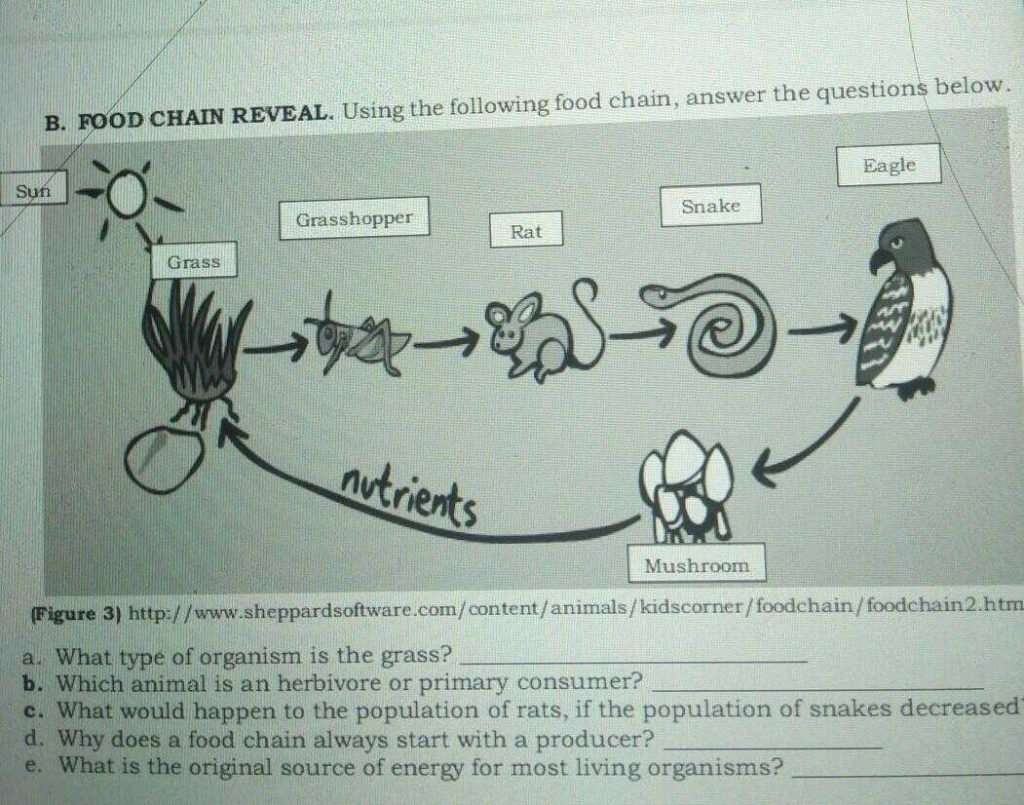
Grass is a type of plant, specifically a member of the Poaceae family, also known as the grass family. These organisms are essential components of our ecosystems, serving various roles from providing food for herbivores to contributing to soil health. Grasses are characterized by their slender leaves and hollow stems, which allow them to thrive in diverse environments, from lawns and meadows to savannas and prairies. As a group of flowering plants, they reproduce through seeds, but they also have unique adaptations, like rhizomes and stolons, that allow them to spread and recover quickly from disturbances. Understanding grass can deepen our appreciation for the complexity and interdependence of natural ecosystems, showcasing how even the simplest organisms play significant roles in the environment.

“`html
What Type of Organism is Grass?
Grass is a fascinating and essential part of our ecosystem. It falls into a specific category within the plant kingdom. To fully understand what type of organism grass is, we need to explore its characteristics, classification, and ecological importance.
Classification of Grass
Grass is classified as a member of the Poaceae family. This family is also known as the grass family. Here are some key points regarding its classification:
- Kingdom: Plantae
- Clade: Angiosperms
- Order: Poales
- Family: Poaceae
- Genus: Various, including Panicums and Triticum (wheat)
Grass is a flowering plant, which means it produces flowers to reproduce. This crucial trait sets it apart from non-flowering plants like mosses or ferns. Additionally, grasses are monocots, characterized by having one seed leaf or cotyledon.
Physical Characteristics of Grass
Grass plants possess unique physical traits that define their structure and function. Here are some critical features of grass:
- Leaves: Grass leaves are long and narrow, often arranged in a spiral pattern along the stem.
- Roots: Grass has a fibrous root system that spreads out horizontally, allowing for stability and nutrient absorption.
- Stems: The stems of grass are typically hollow and segmented. This structure contributes to their flexibility.
Types of Grass
There are many types of grass, and they can be broadly categorized into two groups: warm-season grasses and cool-season grasses.
Warm-Season Grasses
Warm-season grasses thrive in warmer temperatures and are often seen during the summer months. Examples include:
- Bermudagrass
- Buffalograss
- St. Augustinegrass
These grasses typically grow best in regions where temperatures exceed 80°F (27°C).
Cool-Season Grasses
Cool-season grasses, on the other hand, flourish in cooler temperatures and are ideal for spring and fall. Examples include:
- Kentucky bluegrass
- Perennial ryegrass
- Tall fescue
These grasses thrive in temperatures ranging between 60°F and 75°F (15°C-24°C).
The Role of Grass in the Ecosystem
Grass plays a vital role in the ecosystem. Its presence supports various wildlife and helps maintain soil health. Here are some ecological benefits of grass:
- Soil Erosion Prevention: The fibrous root system of grass helps hold soil together, preventing erosion.
- Habitat: Grasslands provide habitat for numerous animals, including insects, birds, and mammals.
- Carbon Sequestration: Grass absorbs carbon dioxide from the atmosphere, helping mitigate climate change.
The Importance of Grass in Agriculture
Grass also plays a crucial role in agriculture. It is often used as fodder for livestock and can be grown as a cash crop. Here’s how grass is important in farming:
- Livestock Feed: Many farmers grow grass to feed animals like cows, sheep, and goats.
- Crop Rotation: Grass can be integrated into crop rotation practices to enhance soil fertility.
- Biofuel: Some types of grass, such as switchgrass, can be used to produce biofuels.
Grass and Human Interaction
Humans interact with grass in many ways, from landscaping to sports. Here are some common uses of grass:
- Lawns: Grass is a popular choice for creating lawns in residential and commercial areas.
- Sports Fields: Many sports fields, such as soccer, football, and golf courses, are made of grass.
- Ornamental Uses: Some types of grass are used in landscaping for aesthetic purposes.
The Life Cycle of Grass
Understanding the life cycle of grass helps us appreciate its role in the ecosystem. Grass typically goes through several stages:
- Germination: Grass seeds need water, warmth, and air to sprout and begin growing.
- Seedling Stage: Young grass plants develop their first set of leaves and roots.
- Mature Plant Stage: As grass matures, it produces flowers and seeds for reproduction.
Each stage is essential for the continuation of the grass species.
Grass and Its Nutritional Value
While humans typically do not consume grass, many animals rely on its nutritional benefits. Here’s how grass serves as a vital food source:
- High Fiber: Grass is rich in fiber, essential for the digestive systems of many herbivores.
- Vitamins and Minerals: Grasses provide important vitamins like A, C, and E, along with minerals such as calcium.
- Energy Source: Grass is a significant energy source for grazing animals due to its carbohydrates.
Grass Maintenance and Sustainability
To keep grass healthy and sustainable, proper maintenance practices are crucial. Here are some tips for maintaining grass:
- Mowing: Regular mowing helps maintain the desired height and promotes dense growth.
- Watering: Grass needs adequate water, especially during dry periods, to remain healthy.
- Fertilizing: Applying fertilizers can help replenish nutrients in the soil.
By following these practices, grass can thrive and continue providing its ecological benefits.
Challenges Facing Grass
Despite its resilience, grass faces several challenges. Here are some common threats:
- Pests: Insects and diseases can negatively impact grass health.
- Climate Change: Changes in climate can affect grass growth patterns and distribution.
- Urbanization: Expanding cities can lead to habitat loss for grasslands.
Addressing these challenges is essential for preserving grass ecosystems.
Grass is an incredible organism that contributes significantly to our planet. From its classification as a member of the Poaceae family to its critical role in ecosystems worldwide, grass is indispensable. Whether in agriculture, landscaping, or natural habitats, this remarkable plant is woven into the fabric of life on Earth.
“`
What is the largest organism in the world? #sciencefacts #shorts #facts
Frequently Asked Questions
What is the classification of grass within the plant kingdom?
Grass belongs to the Poaceae family, commonly known as the grass family. This family includes a wide variety of species, from common lawn grasses to cereal crops. Grasses are classified as flowering plants, which means they reproduce through seeds produced in flowers.
How do grasses differ from other types of plants?
Grasses exhibit unique structural features compared to other plants. They typically have narrow leaves with parallel veins, which helps them efficiently utilize sunlight and water. Additionally, grasses have a fibrous root system, allowing them to absorb nutrients effectively and stabilize soil.
What role do grasses play in the ecosystem?
Grasses play a crucial role in many ecosystems. They provide food and habitat for numerous animals, including insects, birds, and mammals. Grasses also help prevent soil erosion by stabilizing the ground with their root systems, and they contribute to the carbon cycle by absorbing carbon dioxide during photosynthesis.
Can grass survive in various climates and environments?
Yes, grass is remarkably adaptable and can thrive in a range of climates and environments. Different species of grass have evolved to withstand specific conditions, from the arid deserts to wetlands. This adaptability allows grasses to establish themselves in diverse habitats worldwide.
What benefits do grasses offer to humans?
Grasses provide numerous benefits to humans, including serving as a primary source of food through crops like wheat, rice, and corn. They also play a significant role in landscaping and recreational spaces, enhancing the aesthetic appeal of parks and gardens. Additionally, grasses can improve soil health and reduce erosion, making them valuable in agriculture and land management.
Final Thoughts
Grass belongs to the plant kingdom and is classified as a flowering plant within the family Poaceae. This group of organisms plays a vital role in ecosystems, providing food and habitat for various animals.
Grass is characterized by its long, narrow leaves and jointed stems, which allow it to thrive in diverse environments. Understanding what type of organism is grass helps us appreciate its significance in agriculture and natural landscapes. Grass not only stabilizes soil but also contributes to the overall health of the ecosystem.