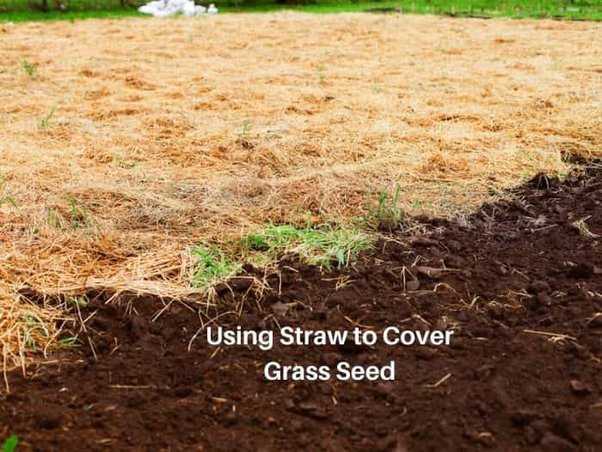
When planting grass seed, a common question arises: what should you cover it with to ensure successful growth? The best solution is to use a light layer of mulch, straw, or topsoil. These materials help retain moisture, provide insulation, and protect the seeds from birds and other pests. Covering the seeds with too thick a layer can hinder germination, so aim for a light application. Now that we’ve got that quick answer, let’s dive deeper into the reasons behind these choices and explore the benefits of each option for covering grass seed.
Finding the right way to protect and nurture your newly sown grass seed is essential for a lush, green lawn. The covering not only helps keep the seeds moist but also promotes better germination rates. By creating a conducive environment for the seeds, you can enhance their chances of developing into healthy grass. Let’s explore the various options available that can help you achieve the perfect lawn.

“`html
What to Cover Grass Seed With
When planting grass seed, it is essential to know the best methods for covering it. Covering grass seed helps with moisture retention, seed protection, and promoting germination. There are various options available, each with its benefits. In this section, we will explore these options in detail, guiding you to make an informed choice.
Importance of Covering Grass Seed
Covering grass seed is crucial for several reasons. Here are the main benefits:
- Moisture Retention: A cover helps retain moisture, which is vital for seed germination.
- Protection from Birds: Seeds are often snacks for birds. A good cover keeps them at bay.
- Prevention of Erosion: Covering seed prevents soil erosion, especially in windy or rainy conditions.
The right cover can make a significant difference in the success of growing grass. Let’s look at various options available for covering grass seed.
Types of Materials to Cover Grass Seed
There are many materials you can use to cover grass seed. Here are some popular choices:
Soil
Using a light layer of soil is a common method. It is simple and effective.
– Advantages:
– Provides nutrients to the seeds.
– Retains moisture.
– Disadvantages:
– Too much soil can bury the seeds too deep.
Mulch
Mulch options like straw, grass clippings, or wood chips can be beneficial.
– Advantages:
– Helps keep moisture in.
– Offers good protection against pests.
– Disadvantages:
– Some types can be heavy and might smother tiny seeds.
Hydroseed
Hydroseeding is a mix of seed, fertilizer, and mulch applied together.
– Advantages:
– Provides an even coverage.
– Excellent for erosion control.
– Disadvantages:
– Can be expensive compared to other methods.
Compost
Compost is an excellent organic option for grass seed covering.
– Advantages:
– Enriches the soil as it breaks down.
– Encourages beneficial organisms.
– Disadvantages:
– Needs to be applied lightly to avoid burying seeds.
How to Apply the Covering Material
Applying the covering material properly is just as important as choosing the right one. Follow these steps for the best results:
- Prepare the Area: Rake the surface to create a smooth seedbed.
- Spread the Seeds: Distribute the grass seeds evenly across the area.
- Apply the Cover: Use your chosen material to cover the seeds lightly.
- Water Gently: Use a gentle spray to moisten the cover without washing it away.
Proper application ensures that the seeds remain in contact with the soil, improving germination rates.
Factors to Consider When Choosing a Cover
When deciding what to cover grass seed with, consider the following factors:
- Seed Type: Different grass types may require different covering techniques.
- Climate: In hotter climates, a thicker cover may be needed for moisture retention.
- Soil Type: Sandy soils may require different covering than clay soils.
These factors will guide you in selecting the most suitable covering material.
Additional Tips for Successful Grass Seed Germination
In addition to covering your grass seed, here are some tips to promote successful growth:
- Water Regularly: Consistent moisture is key. Water daily, especially in hot weather.
- Avoid Foot Traffic: Keep pets and people off the area while seeds are germinating.
- Monitor for Weeds: Weeds can compete with your grass. Remove them promptly.
These tips can enhance the chances of healthy grass growth.
Common Mistakes to Avoid
When covering grass seed, avoid these common mistakes:
- Too Much Cover: Excessive material can suffocate seeds, preventing them from sprouting.
- Inconsistent Coverage: Uneven application can lead to patchy growth.
- Ignoring Weather: Planting before a heavy rain can wash away seeds.
Being aware of these mistakes can lead to a successful outcome when establishing your lawn.
DIY Options for Covering Grass Seed
If you prefer a DIY approach, there are several homemade options for covering grass seed:
- Shredded Newspaper: Use layers of shredded newspaper to create a biodegradable cover.
- Peat Moss: A light layer of peat moss can help retain moisture.
- Cardboard: Cut cardboard pieces can slow down weeds while the grass grows.
These options are often cost-effective and environmentally friendly.
Maintenance After Seeding
Once you have covered the grass seed, proper maintenance is essential.
- Monitor Moisture: Check the soil daily to keep it moist but not soggy.
- Fertilization: After seedlings emerge, consider applying a starter fertilizer.
These steps will help ensure a lush, green lawn as the grass matures.
Final Thoughts on What to Cover Grass Seed With
Choosing the right material to cover grass seed can significantly impact its growth. Each option has its pros and cons, and understanding these can help you make the best choice. Whether you opt for soil, mulch, compost, or a DIY solution, consistency in care is essential. By following the tips provided, you can look forward to a beautiful lawn that will thrive for years to come.
“`
What To Cover New Grass Seed With
Frequently Asked Questions
What materials can be used to protect newly sown grass seed?
You can use a variety of materials to protect grass seed after sowing. Common options include straw, peat moss, compost, or mulch. These materials help retain moisture, provide insulation against temperature fluctuations, and reduce the risk of erosion or washouts during rain. Straw is particularly popular as it allows sunlight in while still protecting the seed.
How does covering grass seed affect its growth?
Covering grass seed plays a crucial role in promoting healthy growth. The cover material retains moisture, which is essential for seed germination. Additionally, it helps to regulate soil temperature, creating an ideal environment for young grass. By reducing exposure to wind and sun, the covering also decreases the chances of seed displacement and enhances the overall success rate of germination.
Can I use old grass clippings to cover seed?
Yes, you can use old grass clippings to cover grass seed. Grass clippings can help retain moisture and provide a light barrier against weeds. However, make sure the clippings are dry and not too thick, as too much coverage can smother the seeds and limit their access to sunlight. A thin layer works best to allow air and light to reach the seeds.
Is it necessary to cover grass seed with a specific thickness?
Yes, it is important to cover grass seed with an appropriate thickness. A general rule of thumb is to cover the seeds with a layer that is about 1/4 inch thick. This thickness protects the seeds from wind and birds while still allowing them to reach the soil for optimal germination. Too thick of a layer can hinder the seeds from sprouting effectively.
What factors should I consider when choosing a covering material?
When selecting a covering material, consider factors such as moisture retention, light permeability, and the potential for weed growth. Choose materials that allow moisture to reach the seeds while preventing excessive evaporation. Also, opt for options that do not contain weed seeds themselves, as this can complicate establishment and maintenance of your new grass.
Final Thoughts
Covering grass seed properly ensures optimal growth and protection. A light layer of straw or mulch helps retain moisture while preventing birds from eating the seeds. Avoid using too much material, as this can suffocate the seeds.
Additionally, consider watering the area gently after covering it. This helps settle the covering and promotes seed germination. Ultimately, knowing what to cover grass seed with makes a significant difference in establishing a healthy lawn.