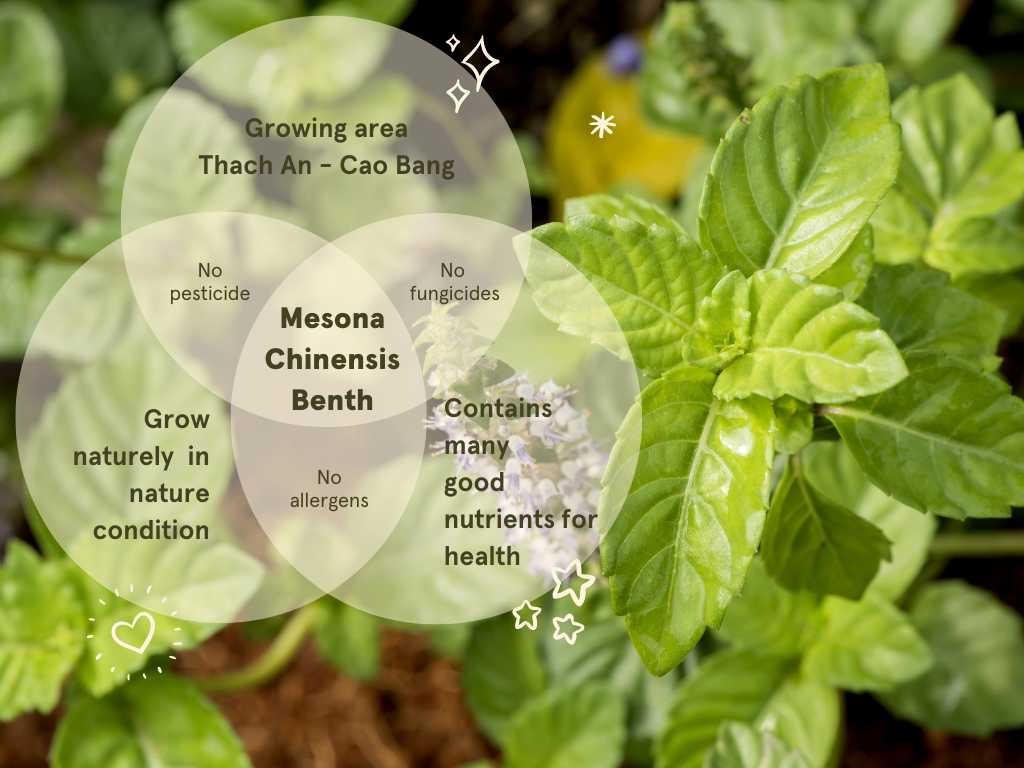
Grass jelly is a fascinating and delicious dessert that’s popular in many Asian countries. Made from the leaves of the Mesona chinensis plant, it’s a unique treat with a slightly herbal flavor and a smooth, jelly-like texture. Often served chilled, grass jelly can be enjoyed alone or with a variety of toppings, such as fruit, syrup, or in bubble tea. Not only is it a refreshing option on a hot day, but it also boasts some health benefits, including being low in calories and a source of antioxidants. So, if you’re curious about expanding your dessert horizons, grass jelly is definitely worth a try!

What is Grass Jelly?
Grass jelly, known as **cincau** in Indonesia and **lea** in China, is a popular dessert in many Asian countries. This unique jelly is made from the leaves of the **Mesona chinensis** plant. The process of making grass jelly is simple, yet the result is a delightful treat that has captivated many taste buds across the globe.
Grass jelly is typically black or dark green in color, with a slightly chewy texture. It is often served chilled and can be enjoyed on its own or used as an ingredient in various desserts and beverages. Curious about what makes grass jelly so special? Let’s dive deeper into its origins, health benefits, and ways to enjoy it.
The Origin of Grass Jelly
Grass jelly has a rich history that dates back centuries. It is believed to have originated in **China**, where it has been a traditional dessert for many generations. The use of **Mesona chinensis** leaves in culinary practices can be traced to the **Tang dynasty**.
Over time, grass jelly spread to other Asian countries, including **Malaysia, Vietnam, and Indonesia**. Each culture has embraced it, adding their own unique twists and flavors. Today, grass jelly is enjoyed in various forms and dishes, creating a delightful fusion of tastes.
How is Grass Jelly Made?
The process of making grass jelly is quite fascinating. Here’s a simple breakdown of how it is made:
- **Harvesting the leaves**: Fresh Mesona chinensis leaves are collected, as they contain the natural gelling agents needed to create the jelly.
- **Boiling the leaves**: The leaves are boiled in water for several hours to extract their essence. This process helps to release the natural sugars and aroma of the leaves.
- **Straining**: After boiling, the mixture is strained to remove the solid leaves, leaving behind a dark liquid.
- **Setting the jelly**: Sugar and often a bit of agar-agar are added to the liquid. The mixture is then poured into molds and allowed to cool and set, resulting in the familiar jelly texture.
This traditional method highlights the simplicity and natural ingredients that define grass jelly.
Nutritional Benefits of Grass Jelly
Grass jelly is not only delicious but also boasts several health benefits. Here are some reasons to include it in your diet:
- **Low in calories**: Grass jelly is very low in calories, making it a guilt-free treat.
- **Rich in antioxidants**: The leaves contain antioxidants that may help fight free radicals in the body.
- **Cooling properties**: Many believe that grass jelly has cooling effects, which can be beneficial in hot weather.
- **Digestive aid**: The plant is also known to help with digestion, making it a perfect addition after a heavy meal.
Incorporating grass jelly into your diet can be a tasty and healthy choice.
Ways to Enjoy Grass Jelly
Grass jelly can be enjoyed in various creative ways. Here are some popular methods to indulge in this delightful treat:
As a Dessert
One of the most common ways to enjoy grass jelly is as a dessert. It can be served plain or topped with various ingredients:
- **Sugar syrup**: Drizzling a sweet syrup can enhance the flavor.
- **Coconut milk**: Mixing in coconut milk creates a creamy texture.
- **Fruits**: Adding fresh fruits like mango or lychee can provide a refreshing twist.
In Beverages
Grass jelly also makes a fantastic addition to beverages. Here are a few examples:
- **Grass jelly drinks**: Simply mix with water and sweeten to taste for a refreshing drink.
- **Milk tea**: Add grass jelly to bubble tea for an interesting texture.
- **Smoothies**: Blend grass jelly into your favorite smoothie recipes for added nutrition.
In Ice Cream and Desserts
For those with a sweet tooth, grass jelly can be used creatively in:
- **Ice cream**: Incorporate it into ice cream for a unique flavor.
- **Puddings**: Layer it in puddings for a delightful surprise.
- **Cakes**: Use it as a filling or topping for cakes.
Each of these options allows you to experience the chewy texture and unique taste of grass jelly in different ways.
Grass Jelly Around the World
As grass jelly traversed through different cultures, various adaptations were made. Here’s how different countries enjoy grass jelly:
In Taiwan
In Taiwan, grass jelly is often served as a dessert in night markets. It is commonly paired with shaved ice and is a popular during hot summer days. Locals enjoy it mixed with sweetened red beans or grass jelly syrup.
In Vietnam
In Vietnam, grass jelly is frequently included in **che**, a traditional dessert that consists of various ingredients like beans, fruits, and coconut milk. It adds a refreshing element to the dish.
In Thailand
In Thailand, grass jelly is often found in drinks like **Thai iced tea**. Its addition balances the sweetness and provides a unique textural element.
Grass jelly’s versatility has allowed it to be embraced in countless culinary practices across various cultures.
Where to Find Grass Jelly
Finding grass jelly has become easier with its growing popularity. Here are some places you can look for this delightful treat:
- **Asian grocery stores**: These stores often stock pre-packaged grass jelly or the raw leaves for making your own.
- **Restaurants**: Many Asian restaurants offer grass jelly desserts or drinks.
- **Online**: Many e-commerce platforms offer a variety of grass jelly products that can be delivered to your doorstep.
If you’re eager to try making grass jelly yourself, check your local grocery stores for the required ingredients.
Common Myths About Grass Jelly
As with many popular foods, grass jelly is surrounded by a few misconceptions. Here are some common myths clarified:
- **Myth: Grass jelly is made from grass**: This is false; it is made from the Mesona chinensis plant.
- **Myth: All jellies are unhealthy**: Grass jelly is low in calories and offers several health benefits.
- **Myth: Grass jelly is only a dessert**: Grass jelly can be enjoyed in beverages and mixed into various dishes.
Understanding these myths helps appreciate grass jelly’s true nature and versatility.
Grass jelly is a delightful ingredient that has stood the test of time, providing a unique flavor and texture that many love. With its numerous health benefits and adaptability in various dishes, it continues to be celebrated and enjoyed in different ways around the world. Whether in a dessert, drink, or as part of a meal, grass jelly is a treat that invites exploration and enjoyment.
People Try Grass Jelly Drink For The First Time
Frequently Asked Questions
“`html
What are the main ingredients used to make grass jelly?
Grass jelly is primarily made from the leaves of the Mesona chinensis plant, which is a member of the mint family. The leaves undergo a boiling process, creating a thick liquid that cools into a jelly-like substance. Some recipes may include additional ingredients such as sugar or starch to enhance the flavor and texture.
In which dishes or beverages is grass jelly commonly used?
Grass jelly is popular in various Asian desserts and drinks. It often appears in desserts like grass jelly with syrup, mixed with fruits, or served in shaved ice. Additionally, some people enjoy it in beverages, combining it with tea or sweetened coconut milk for a refreshing treat.
How does grass jelly contribute to health and wellness?
Grass jelly is believed to have several health benefits. It is low in calories and contains antioxidants, which can help combat oxidative stress. Some cultures also use it as a natural remedy for digestive issues and to cool the body, especially in hot climates.
Can grass jelly be consumed by people with dietary restrictions?
Yes, grass jelly is generally suitable for various dietary restrictions. It is typically vegan and gluten-free, making it a good option for people following plant-based diets or with gluten sensitivities. However, individuals should always check specific product labels to ensure no allergens are present.
How should one store grass jelly after opening?
After opening, it’s best to store grass jelly in an airtight container in the refrigerator. Properly stored, it can last for about one week. Always check for any signs of spoilage before consumption.
“`
Final Thoughts
Grass jelly is a popular dessert made from the leaves of the Mesona chinensis plant. This gelatinous treat offers a unique texture and a mildly herbal flavor, making it an enjoyable addition to various dishes. Commonly served chilled, grass jelly pairs well with fruits, syrups, or sweetened drinks.
Overall, what is grass jelly? It’s not just a refreshing dessert; it’s a versatile ingredient found in many Asian cuisines, providing a delightful experience for anyone who tries it. Whether you enjoy it on its own or as part of a larger dish, grass jelly remains a cherished staple.