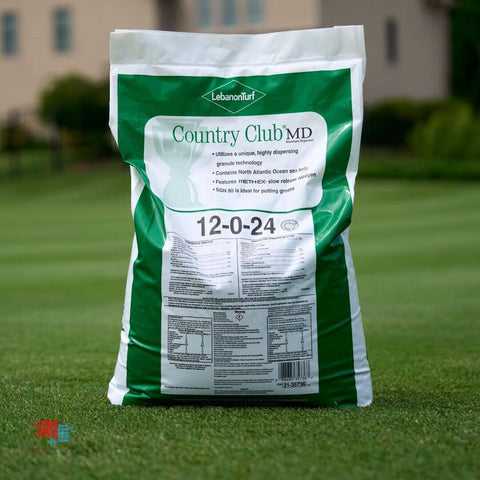
The best fertilizer for lawns depends on your grass type and the current season, but generally, a balanced, slow-release fertilizer rich in nitrogen is ideal for healthy, lush grass. Using the right fertilizer can transform a dull, patchy yard into a vibrant green space you’ll love to show off. Choosing the right type ensures your lawn gets the essential nutrients it needs to grow strong, resist pests, and recover quickly from stress. With so many options available, understanding what to look for—such as nutrient content and application timing—can make all the difference. Proper fertilization doesn’t just improve your lawn’s appearance; it promotes long-term health and resilience, making yard maintenance easier and more rewarding. Keep reading to discover which fertilizers work best and how to apply them for stunning results.
The best fertilizer for lawns is a balanced, slow-release formula with high nitrogen content tailored to your grass type and season. It provides essential nutrients gradually, supporting even growth and healthy grass development.

What Type of Fertilizer Is Best for Lawns
Understanding Lawn Fertilizers
Fertilizers provide essential nutrients that help grass grow strong and healthy. They supply key elements like nitrogen, phosphorus, and potassium, which are vital for different aspects of plant growth. Choosing the right fertilizer depends on your lawn’s specific needs, soil type, and the season.
Different Types of Fertilizer
Fertilizers come in various forms, each with pros and cons. These include granular, liquid, organic, synthetic, slow-release, and quick-acting fertilizers. Knowing the differences helps you pick the best option for your lawn.
Granular Fertilizers
Granular fertilizers are solid particles that spread evenly across your lawn. They release nutrients gradually, providing long-lasting feeding. They are easy to apply with a spreader and work well for regular maintenance.
Liquid Fertilizers
Liquid fertilizers are fast-acting and deliver nutrients quickly to the grass roots. They are often applied with a sprayer and are ideal for quick nutrient boosts or correcting deficiencies. They require more frequent applications compared to granular fertilizers.
Organic Fertilizers
Organic fertilizers come from natural sources like compost, manure, or bone meal. They improve soil health over time and promote sustainable lawn care. They release nutrients slowly, which helps prevent over-fertilization.
Synthetic Fertilizers
Synthetic fertilizers are chemically manufactured and designed for immediate nutrient availability. They provide fast results but should be used carefully to avoid soil and water contamination.
Slow-Release vs. Quick-Release Fertilizers
Slow-release fertilizers gradually release nutrients over several weeks, reducing the risk of burn and runoff. Quick-release fertilizers provide rapid nourishment but often need more frequent applications.
Choosing the Right Fertilizer Based on Nutrient Content
The key to selecting the best fertilizer is understanding its **NPK ratio**. This ratio indicates the proportions of nitrogen (N), phosphorus (P), and potassium (K).
Understanding NPK Ratios
– **Nitrogen (N):** Promotes lush, green growth. Essential for leaf development.
– **Phosphorus (P):** Supports root growth and overall plant vigor.
– **Potassium (K):** Helps the lawn withstand drought, disease, and cold weather.
Select a fertilizer with an appropriate NPK ratio based on your lawn’s needs and growth stage.
Fertilizer Ratios for Different Seasons
– Spring: Fertilizers high in nitrogen (N) encourage rapid growth.
– Summer: Balanced or lower nitrogen to prevent stress and promote root strength.
– Fall: Fertilizers with higher potassium (K) improve cold tolerance and prepare the lawn for winter.
– Winter: Minimal fertilization unless overseeding or repairing damage.
Soil Testing and Its Importance
Before choosing a fertilizer, testing your soil provides accurate data on nutrient levels. Soil tests reveal deficiencies and pH levels that influence fertilizer effectiveness.
How to Test Your Soil
You can purchase a testing kit or hire a professional. Collect soil samples from multiple spots in your yard, following test kit instructions. The results guide you to choose fertilizers that complement your soil’s current state.
Interpreting Soil Test Results
– Low nitrogen: Use fertilizers high in nitrogen.
– Low phosphorus: Add phosphorus-rich fertilizers.
– Low potassium: Opt for potassium-based formulas.
– pH imbalance: Adjust pH with lime or sulfur before fertilizing.
Fertilizer Application Tips
Applying fertilizer correctly maximizes benefits and minimizes waste or damage. Follow recommended application rates and timing.
Timing is Key
Apply fertilizers during active growth periods, typically in spring and early summer. Avoid fertilizing during dormant seasons unless necessary for repairs or overseeding.
Application Methods
– Use a broadcast spreader for granular fertilizers for even distribution.
– Liquid fertilizers can be applied using a hose-end sprayer or pump sprayer.
– Water the lawn after fertilizing to help nutrients penetrate the soil and prevent runoff.
Frequency of Fertilization
Most lawns benefit from fertilization every six to eight weeks during peak growth. Adjust frequency based on grass type, soil health, and weather conditions.
Environmental Considerations and Best Practices
Proper fertilizer use protects the environment and your lawn. Avoid over-fertilizing, which can lead to runoff into waterways, causing pollution.
Eco-Friendly Lawn Fertilization
Opt for organic or slow-release fertilizers to reduce environmental impact. Maintain healthy soil with compost and aeration to lessen reliance on chemical fertilizers.
Water Management and Fertilizer Use
Water deeply after fertilizer application to allow nutrients to reach the roots. Avoid fertilizing before heavy rain, which can wash nutrients away.
Common Mistakes to Avoid
– Applying fertilizer on dry or frozen soil.
– Over-fertilizing, leading to excessive growth and runoff.
– Ignoring soil test results.
– Applying fertilizer too late in the season, which can harm your lawn.
Final Thoughts on Choosing the Best Fertilizer
Choosing the right fertilizer depends on your lawn’s specific needs, soil health, and local climate. Regular testing and proper application practices ensure your lawn stays healthy, lush, and green. Remember that sustainable lawn care benefits both your landscape and the environment.
What is the BEST LAWN Fertilizer – STOP Wasting Money!
Frequently Asked Questions
How do I choose the right fertilizer based on my lawn’s nutrient needs?
To select the appropriate fertilizer, analyze your lawn’s soil to identify nutrient deficiencies. Conduct a soil test to determine levels of nitrogen, phosphorus, and potassium. Choose a fertilizer that provides the necessary nutrients in proper ratios to promote healthy growth. For example, if your soil lacks nitrogen, opt for a fertilizer with a high nitrogen content to encourage lush, green grass.
What fertilizer types are suitable for different grass varieties?
Different grass types have specific nutrient requirements. Cool-season grasses like Kentucky bluegrass and fescue thrive with balanced fertilizers that promote dense foliage. Warm-season grasses such as Bermuda or zoysia benefit from fertilizers with higher potassium levels to strengthen their resilience. Select a fertilizer formulated for your grass type, ensuring it supports optimal growth and color.
Are organic fertilizers effective for maintaining a healthy lawn?
Yes, organic fertilizers can effectively nourish your lawn by improving soil health and providing nutrients gradually. They often contain compost, manure, or plant-based ingredients that enhance microbial activity in the soil. Using organic fertilizers reduces chemical runoff and creates a sustainable environment for your grass, resulting in a healthy, vibrant lawn over time.
When is the best time to apply fertilizer to my lawn?
The ideal timing depends on your grass type and climate, but generally, fertilize during the active growing season when your grass can absorb nutrients effectively. For cool-season grasses, early spring and fall work best. Warm-season grasses respond well to fertilization in late spring through summer. Avoid applying fertilizer during dormancy or extreme heat to prevent damage and runoff.
Final Thoughts
The type of fertilizer that is best for lawns depends on the specific needs of your grass and soil conditions. A balanced, slow-release fertilizer provides steady nourishment and promotes healthy growth. Organic options improve soil health over time, creating a sustainable lawn environment.
Choosing the right fertilizer involves understanding your lawn’s requirements and applying it at appropriate times. Regular feeding helps maintain vibrant, green grass and prevents issues like weeds and pests.
What type of fertilizer is best for lawns? Opt for a balanced, slow-release formula tailored to your grass type. This approach keeps your lawn lush and healthy all season long.