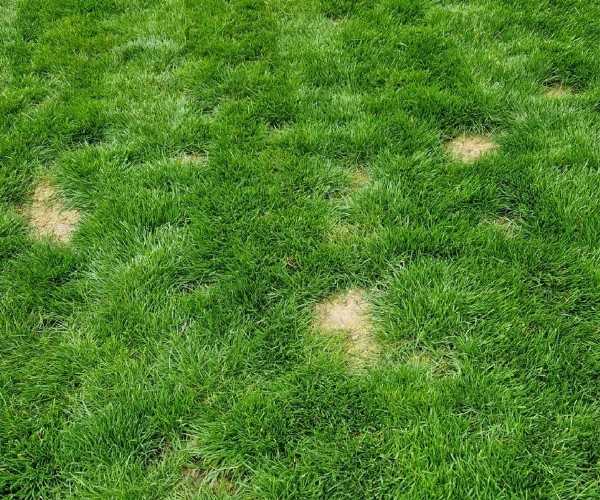
To fix brown patches in your lawn quickly, identify the cause—such as pests, disease, or drought—and address it directly. Reseed bare spots, improve watering habits, and fertilize appropriately to encourage healthy grass growth. Regular lawn maintenance and proper watering can prevent future brown patches and keep your yard lush and vibrant.
Brown patches in your lawn can be frustrating, especially when you’re proud of your outdoor space. These unsightly spots often appear suddenly, making you wonder what went wrong. The good news is that most brown patches can be fixed with a few simple steps, and even better, you can prevent them from spreading. Whether caused by over- or under-watering, pests, disease, or compacted soil, addressing the root cause is key. By understanding how to treat these patches and maintaining a healthy lawn, you’ll soon have a vibrant, green yard that’s the envy of your neighborhood. Keep reading to discover practical tips to restore your lawn’s beauty and stay ahead of future problems.

How do I fix brown patches in my lawn
Understanding the Causes of Brown Patches
Brown patches often appear suddenly and can make your lawn look unhealthy. These patches are caused by various issues that damage the grass and soil. Identifying the root cause is essential to fix the problem effectively. Common causes include pests, diseases, drought, overwatering, and soil compaction.
Common Lawn Diseases
Fungal infections are a leading cause of brown patches. Diseases like brown patch disease, dollar spot, and rust thrive in specific weather conditions. Brown patch disease, caused by the fungus *Rhizoctonia solani*, appears as irregular brown zones with a darker border. It often develops during hot, humid weather.
Pests That Damage Lawns
Moss, grubs, or chinch bugs can create brown patches by destroying grassroots. For instance, white grubs feed on roots, weakening the grass and causing patches to die off. Inspect your lawn for signs of pests by digging small sections and checking for insects or damaged roots.
Environmental Factors
Extreme weather conditions, such as drought or heavy rainfall, can stress your grass causing brown patches. Overwatering prevents roots from getting enough oxygen, leading to suffocation and root rot. Conversely, drought conditions dry out the grass, making it turn brown and die.
Steps to Fix Brown Patches in Your Lawn
Once you understand the cause, you can take targeted steps to repair your lawn. Follow a systematic approach to restore health and appearance.
Assess and Diagnose the Damage
Start by carefully inspecting the brown patches. Look for signs of pests, fungal growth, or soil issues. Use a small shovel to examine the roots beneath the patches for signs of rot or pests. Take note of weather conditions that could have contributed to the damage.
Proper Watering Practices
Water your lawn deeply and infrequently rather than shallow, frequent watering. Aim for about 1 to 1.5 inches of water per week, including rainfall. Watering early in the morning allows grass to dry during the day, reducing disease spread. Avoid overwatering to prevent root rot.
Improve Soil Health
Healthy soil is the foundation of a lush lawn. Aerate compacted soil using a lawn aerator to increase airflow. Incorporate organic matter like compost to boost soil nutrients. Regularly test soil pH and adjust it to stay within the optimal range of 6.0 to 7.0 for most grass types.
Apply Appropriate Fertilizers
Balanced fertilization encourages healthy growth. Use a fertilizer formulated for lawns, preferably with a nitrogen-phosphorus-potassium (NPK) ratio suited for your grass. Avoid over-fertilizing, which can promote fungal growth or burn the grass edges.
Manage Pests and Diseases
For pests such as grubs or chinch bugs, apply insecticides specifically designed for these insects. For fungal diseases like brown patch, apply a fungicide containing chlorothalonil or another appropriate fungicide. Follow label instructions carefully for the best results.
Reseeding and Repairing the Lawn
In areas where grass has died completely, reseeding is crucial to restore the lawn’s uniformity.
Choosing the Right Grass Seed
Select a grass seed that matches your existing lawn and suits your local climate. For cool-season grass, varieties like Kentucky bluegrass or fescue work well. For warm-season lawns, Bermuda grass or zoysia are good options.
Preparation for Reseeding
Remove dead grass and loosen the soil in the brown patches. Reseed with the appropriate grass seed, then lightly cover with soil or compost to protect the seeds and retain moisture.
Watering and Maintenance After Reseeding
Keep reseeded patches consistently moist until the grass establishes. Water lightly two to three times daily in the first two weeks. Gradually reduce watering frequency while increasing the depth to encourage deep roots.
Preventative Measures to Keep Your Lawn Healthy
Prevention is key to avoiding brown patches in the future. Establishing a routine maintenance schedule helps keep your lawn resilient.
Regular Lawn Maintenance
Mow at the correct height for your grass type, typically 2.5 to 3 inches. Keep mower blades sharp to prevent tearing grass blades. Rake leaves and debris regularly to avoid suffocation and fungal growth.
Proper Fertilization Schedule
Fertilize during the growing season based on your grass type. Use slow-release fertilizers to provide nutrients steadily. Avoid fertilizing during drought or extreme heat to prevent additional stress.
Water Management and Irrigation System
Set your irrigation system to water evenly and at appropriate times. Use rain sensors or timers to prevent overwatering. Adjust watering based on weather conditions and season changes.
Soil Testing and pH Adjustment
Test your soil every year to monitor pH and nutrient levels. Lime can be added if the soil is too acidic, and sulfur can be used to raise pH if it is too alkaline. Proper pH levels help grass absorb nutrients effectively.
Monitoring and Early Intervention
Regularly walk your lawn to identify problems early. Catching issues like pests or fungal infections in their initial stages prevents extensive damage. Address problems promptly with appropriate treatments.
Additional Tips for a Lush, Green Lawn
Healthy lawns are less prone to brown patches. Maintain proper watering, fertilization, and mowing routines. Aerate and overseed annually to promote dense and resilient grass.
Signs of a Healthy Lawn
A well-maintained lawn will have uniform color, thick coverage, and strong roots. Regularly aerated and fertilized lawns resist pests and diseases better. Proper watering keeps grass vibrant without causing stress.
When to Seek Professional Help
If brown patches persist despite following these steps or if you suspect severe disease or pest infestations, consider consulting a lawn care specialist. They can perform detailed diagnostics and recommend targeted treatments.
Maintaining a lush, green lawn requires understanding the underlying causes of brown patches and taking proactive steps to address them. With patience and consistent care, your lawn can recover and remain beautiful throughout the seasons.
How to Get Rid of Brown Patch (4 Easy Steps)
Frequently Asked Questions
What are the common causes of brown patches in a lawn?
Brown patches often result from various factors such as fungal infections, pet urine, drought stress, or improper watering. Over-fertilization or compacted soil can also lead to poor grass health, making patches more likely. Identifying the specific cause helps you choose the appropriate treatment to restore your lawn’s health.
How can I improve soil health to prevent future brown patches?
Enhance your soil by aerating regularly to reduce compaction and improve air circulation. Incorporate organic matter or topsoil to boost nutrient levels. Testing your soil’s pH and nutrient content allows you to apply targeted amendments, creating a healthier environment for grass to grow evenly and resist stress.
What steps should I take to repair existing brown patches effectively?
Remove dead grass and aerate the affected areas to loosen compacted soil. Reseed or overseed those patches with a suitable grass variety, then keep the area consistently moist until new grass establishes. Applying a balanced fertilizer supports healthy growth and helps the lawn recover faster.
How can watering practices influence the appearance of brown patches?
Irregular or excessive watering can weaken grass roots, leading to patchy areas. Maintain a consistent watering schedule, ensuring the lawn receives deep, infrequent watering that reaches the root zone. Proper watering encourages resilient grass that can better withstand environmental stressors.
Are there natural or chemical treatments to eliminate fungal causes of brown patches?
For fungal issues, applying a fungicide specifically formulated for lawn fungi can help eliminate the problem. Alternatively, natural remedies like compost teas or neem oil may prevent fungal growth. Always follow product instructions carefully and consider consulting a lawn care professional for persistent issues.
Final Thoughts
To fix brown patches in your lawn, start by watering the area deeply and consistently to rehydrate the grass. Aerate the soil if it feels compacted, allowing nutrients to reach the roots more effectively. Use a nitrogen-rich fertilizer to promote healthy growth.
Reseeding the patches helps fill in thin or dead spots and encourages uniform lawn coverage. Regular maintenance and proper watering will prevent future brown patches.
In conclusion, how do I fix brown patches in my lawn? Focus on watering, fertilizing, aerating, and reseeding to restore your lawn’s health.