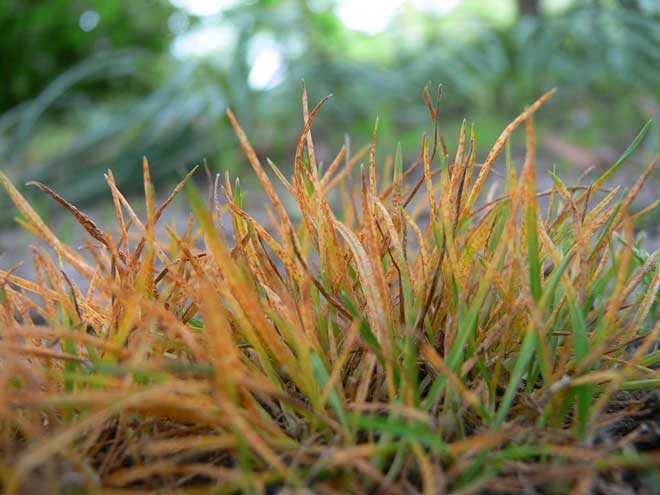
If you’re dealing with rust in your lawn, the good news is that you can get rid of it with a few simple steps. Start by improving your lawn’s air circulation and reducing moisture. Regular mowing and proper watering practices can make a significant difference. Additionally, applying a nitrogen-rich fertilizer can help strengthen your grass and eliminate the rust. Be sure to choose a suitable fungicide if the problem persists. With a little effort and attention, your lawn can be back to looking lush and green in no time.
Rust in your lawn can be frustrating, but understanding its causes and solutions is the key to restoring your turf to its former glory. Lawn rust, typically characterized by orange or yellow spots, is a fungal disease that thrives in warm, humid conditions. It often indicates an imbalance in nutrients or improper lawn care practices. Recognizing the signs early can help prevent a minor issue from escalating into a larger problem. By focusing on effective treatment methods, you can rejuvenate your lawn and enjoy a vibrant outdoor space once again. Let’s dive into the best strategies to tackle this common lawn issue!

How To Get Rid Of Rust In The Lawn
Rust is a common problem for lawns, and it can make your once-vibrant grass look dull and unhealthy. Rust is caused by a fungus known as Puccinia, which thrives in moist, warm conditions. Understanding how to effectively manage and eliminate this issue can restore your lawn’s health.
In this article, we’ll explore in detail the causes of lawn rust, its signs and symptoms, prevention strategies, and effective methods to remove rust. Let’s dive into the world of lawn care and ensure your grass stays green and vibrant.
Understanding Lawn Rust
Before you can tackle rust, it’s important to know exactly what it is. Lawn rust is a disease that infects grass, resulting in yellow or orange spots on the leaves. These spots can eventually lead to the grass dying.
Causes of Lawn Rust
Lawn rust predominantly occurs due to a few key factors:
- High Humidity: Rust loves a humid environment. Excess moisture can lead to outbreaks.
- Low Fertility: Grass that is not well-nourished becomes more susceptible to diseases.
- Poor Air Circulation: Dense, overgrown grass can trap moisture, encouraging rust growth.
Signs and Symptoms of Rust
Identifying rust early is crucial for managing it effectively. Here’s what to look for:
- Yellowish or Reddish Spots: These spots appear on the leaves of the grass.
- Flecks of Orange Powder: This powder is the spores of the rust fungus and can be seen when leaves are brushed against.
- Stunted Growth: Infected grass may not grow properly and could die off in severe cases.
Common Types of Grass Affected
Different types of grass can be affected by rust. Some of the most susceptible types include:
- Perennial Ryegrass
- Bermudagrass
- Fescue
Knowing the types of grass in your lawn can help you take preventive measures.
How to Confirm Lawn Rust
If you suspect rust, confirming it is essential. Consider these steps to verify the presence of lawn rust:
- Visual Inspection: Check for the characteristic yellow or orange spots and powdery spores.
- Use a White Sheet: Place a white sheet on the grass and brush the leaves. If orange dust appears, you likely have rust.
- Monitor Grass Growth: If your grass is not thriving or showing stunted growth, rust could be the cause.
Prevention of Lawn Rust
Preventing rust is just as important as treating it. Follow these tips to keep rust at bay:
- Proper Watering: Water your lawn deeply but infrequently to reduce moisture on the leaves.
- Fertilize Regularly: Use a high-quality fertilizer to strengthen grass and promote healthy growth.
- Maintain Lawn Height: Mow your lawn to the recommended height for your grass type to improve air circulation.
Ideal Lawn Care Practices
In addition to preventive measures, adopting good lawn care practices can significantly reduce rust risk:
- Regular Aeration: Aerate your lawn to improve air flow and reduce soil compaction.
- Choose Resistant Grass Varieties: Opt for grass types that are known to be more resistant to rust.
- Reduce Thatch: Keep the thatch layer thin (less than ½ inch) to minimize moisture retention.
Treating Lawn Rust
If you already have rust in your lawn, don’t worry! There are effective methods for treatment.
Cultural Control Methods
Cultural controls are practical steps to manage rust without chemicals. Consider the following methods:
- Mowing: Regularly mow your lawn to remove infected leaves and reduce spore spread.
- Watering Practices: Water early in the morning to allow the grass to dry during the day.
- Mulching: Remove clippings to prevent fungal spread.
Chemical Control Methods
Sometimes, you may need to use fungicides to combat severe rust. Choosing the right product can make a big difference.
- Fungicides: Look for fungicides specifically labeled for rust control.
- Application Timing: Apply fungicide at the first signs of rust and follow the product instructions carefully.
- Safety Precautions: Wear protective gear during application and keep pets and children away.
Long-Term Lawn Care Strategies
Once you have addressed the rust, it is vital to adopt long-term care practices. This will not only help prevent rust but also promote a healthy lawn.
- Soil Testing: Perform soil tests regularly to determine nutrient levels and pH balance.
- Seasonal Treatments: Schedule seasonal treatments for fertilization and pest control.
- Regular Maintenance: Develop a lawn care calendar to keep track of watering, fertilizing, and mowing schedules.
Monitoring Lawn Health
Monitoring is essential for maintaining lawn health. Here’s how you can keep track:
- Inspect Regularly: Conduct weekly inspections to detect early signs of rust or other issues.
- Record Keeping: Maintain a logbook of treatments, observations, and lawn conditions.
- Seek Professional Help: If problems persist, consult with a lawn care professional for tailored advice.
Understanding how to get rid of rust in the lawn is essential for every homeowner who values a beautiful and healthy lawn. By employing prevention strategies, effective treatments, and long-term care practices, you can ensure your grass remains vibrant all year round. Remember, keeping your lawn in great shape takes time and patience, but the rewards are certainly worth it. A lush, green lawn not only enhances the beauty of your property but also provides a healthy outdoor space for you and your family.
How To Get Rid Of Rust Disease/Fungus In The Lawn
Frequently Asked Questions
What are the common signs of rust in the lawn?
Common signs of rust in the lawn include yellow or orange-brown spots on the grass blades, a noticeable orange dust on the grass, and a general weakening of the grass. Infected areas may appear thinner and less vibrant, and you might notice patches where the grass struggles to grow.
What environmental conditions contribute to lawn rust?
Lawn rust often thrives in warm, humid conditions with limited air circulation and excess moisture. Overly dense grass that isn’t mowed regularly can trap moisture, creating an ideal environment for rust spores. Additionally, low nitrogen levels in the soil can increase susceptibility to rust.
How can I prevent rust from returning to my lawn?
To prevent rust from returning, maintain proper lawn care practices. Mow regularly to keep grass at the recommended height, aerate the lawn to improve airflow, and apply a balanced fertilizer to promote healthy growth. Water your lawn early in the morning to reduce excess moisture and avoid over-fertilizing, which can lead to lush growth that is more susceptible to disease.
Is it necessary to treat lawn rust, or can I manage it naturally?
You can manage lawn rust naturally by improving cultural practices. Regularly mowing, watering adequately, and ensuring proper nutrient levels can significantly reduce the occurrence of rust. However, severe infestations may require treatment with fungicides to effectively control the problem.
Can lawn rust affect other plants or the overall garden?
While lawn rust primarily affects grass, it can also spread to other turfgrass or ornamental grasses. However, it typically does not affect broadleaf plants. Maintaining garden hygiene by removing infected grass clippings and debris can help prevent the spread of rust to other areas.
Final Thoughts
To get rid of rust in the lawn, start by improving air circulation and sunlight exposure. Regularly mowing your grass and avoiding overwatering can significantly reduce moisture, a key contributor to rust development.
Applying a balanced fertilizer can strengthen your lawn’s health, making it more resistant to disease. Additionally, consider using fungicides specifically designed to combat lawn rust to provide an effective solution.
Consistent maintenance plays a crucial role in preventing rust from returning. By following these steps, you’ll successfully manage and eliminate the issue of ‘How To Get Rid Of Rust In The Lawn.’