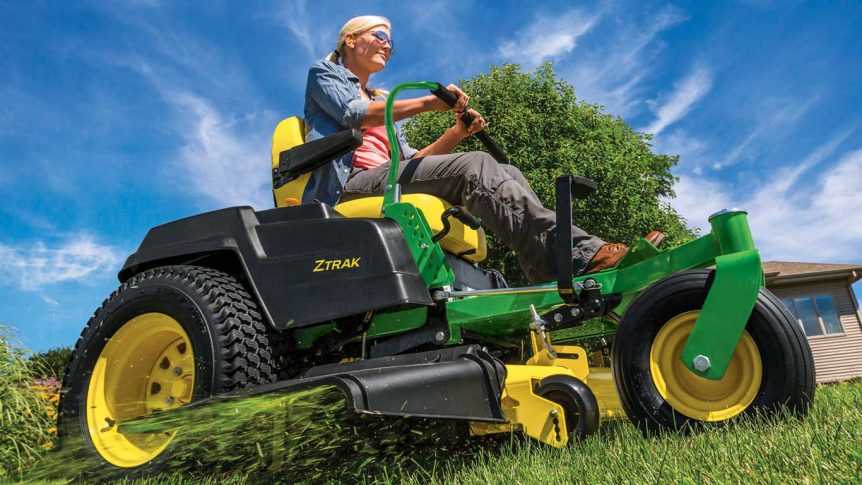
The key to a lush, healthy lawn lies in proper mowing practices that promote strong grass growth and prevent common issues. The best mowing practices involve adjusting your mower height, mowing regularly, and ensuring your blades are sharp. These simple steps can transform your yard from patchy and dull to vibrant and inviting.
In short, to achieve an optimal lawn, mow at the right height for your grass type, cut no more than one-third of the grass height at a time, and keep your mower blades sharp. Regular mowing, combined with proper grass care, creates a resilient and beautiful lawn that will be the envy of your neighborhood.
Maintaining a beautiful lawn isn’t just about watering and fertilizing; mowing plays a crucial role in its overall health. Mowing is more than just a routine chore—it’s a vital part of lawn care that influences how well your grass grows, resists weeds, and withstands environmental stresses. When done correctly, mowing can stimulate thicker, greener grass, while poor practices can lead to a stressed and uneven yard. Whether you’re a seasoned gardener or just starting out, understanding the best mowing practices can dramatically improve your lawn’s appearance and vitality. From choosing the right mower height to mowing frequency, mastering these tips will help you keep your outdoor space looking its best all season long.

What are the best mowing practices for a lawn?
Understanding the Importance of Proper Mowing
Taking care of your lawn starts with understanding why mowing practices matter. Proper mowing helps keep your grass healthy, lush, and vibrant. It also prevents pests and diseases from taking hold and ensures your yard looks its best.
Set the Right Mowing Height
Choosing the correct mowing height is essential for a thriving lawn. For most grasses, a height of two and a half to three inches works well. This length allows grass to develop strong roots and shade the soil, reducing weed growth.
Why Height Matters
Keeping grass at an appropriate height promotes drought resistance and improves disease resistance. Cutting too short weakens grass, making it vulnerable to stress and pests.
Adjusting Your Mower
Most lawnmowers have adjustable blades. Set the cutting height to match your grass type and season. Check and change this setting regularly as needed.
Frequency of Mowing
How often you mow depends on grass growth and weather conditions. During peak growing seasons, mowing once a week often suffices. In slower growth periods, every ten to fourteen days may be enough.
Why Regular Mowing Matters
Consistent mowing encourages uniform growth and avoids scalping. Scalping occurs when too much grass gets cut at once, which can damage plants and hinder recovery.
Monitoring Grass Growth
Keep an eye on your lawn’s growth rate. Adjust your mowing schedule if you notice uneven or excessive growth. This approach helps maintain an even, healthy lawn.
Sharpen Your Mower Blades
Sharp blades make cleaner cuts, reducing stress on your grass. Dull blades tear grass instead of cutting it, leading to ragged edges and potential disease entry points.
How to Check Blade Sharpness
Inspect blades regularly for nicks or dullness. A good rule of thumb is to sharpen blades at least once every season or after every 20-25 hours of use.
Maintaining Blades
Remove blades carefully and sharpen them with a file or grinder. Always balance blades after sharpening to avoid vibrations that can damage your mower.
Follow the Proper Mowing Pattern
Altering your mowing direction each time prevents the grass from developing a pattern. For example, mow vertically, then horizontally, and finally diagonally.
Benefits of Changing Directions
Switching patterns reduces soil compaction and prevents grass from leaning in one direction. It also helps cut grass evenly.
Creating a Mowing Grid
Design a simple grid or pattern in your yard to vary your mowing route. This practice keeps your lawn looking tidy and promotes even growth.
Proper Mowing Technique
Use a steady speed and avoid rushing. Let the mower do the work, and avoid pushing too hard, which may scalp the grass or damage the mower.
How to Mow Correctly
Begin mowing from one edge and work systematically across the yard. Overlap your passes slightly to ensure complete coverage.
Safety Tips
Always wear sturdy shoes and eye protection. Turn off the mower before adjusting or removing blades.
Dealing with Edges and Obstacles
Trim along edges and around obstacles carefully. Use a string trimmer or edger for precise borders without damaging the main lawn.
Trimming Strategies
Mow to the edge first if possible, then go back with a trimmer for clean lines. This approach keeps your lawn looking sharp.
Grass Clipping Management
Leave grass clippings on the lawn if they are finely cut. They decompose quickly and add nutrients back into the soil, a practice called grasscycling.
Benefits of Grasscycling
Grass clippings improve soil health, retain moisture, and reduce the need for additional fertilizer.
When to Remove Clippings
If clippings are too long or wet, remove them to prevent suffocation or fungal diseases. Use a rake or blower to clear thick clumps.
Seasonal Mowing Considerations
Adjust your mown height and frequency depending on the season. In summer, keep grass slightly taller to protect roots from heat. In fall, rake or mulch clippings to prevent thatch buildup.
Winter Preparation
As temperatures drop, mowing slows. Avoid mowing when the grass is frozen or very wet to prevent damage.
Additional Tips for Healthy Lawns
Combine your mowing practices with proper watering, fertilizing, and aeration. A balanced lawn care routine supports grass health and resilience.
Watering Tips
Water deeply but infrequently to encourage deep roots, ideally early in the morning.
Fertilizing Schedule
Apply fertilizer based on your grass type and season. Follow recommended rates and avoid overfeeding.
Aeration Benefits
Aerate your lawn to reduce soil compaction and improve nutrient absorption. This process creates space for roots to grow stronger.
Common Mowing Mistakes to Avoid
Avoid cutting more than one-third of the grass height at a time. Never mow when the grass is wet, as this can lead to uneven cuts and clumping.
Preventing Damage
Mow at the right height consistently and keep blades sharp. Proper maintenance prevents unnecessary stress on your lawn.
Addressing Scalping
Never cut your grass too short, especially during hot weather. Scalping damages roots and increases vulnerability to drought.
By following these best mowing practices, you can develop a routine that keeps your lawn lush, healthy, and beautiful. Regular maintenance, proper equipment, and attentive care create a thriving green space your family can enjoy all season long.
How to Mow a Lawn CORRECTLY
Frequently Asked Questions
How can I determine the ideal mowing height for my lawn?
To find the best mowing height, consider the type of grass on your lawn. Most grasses thrive when cut to about 2.5 to 3 inches tall. Avoid cutting more than one-third of the grass height at a time, which helps prevent stress and promotes healthy growth. Regularly monitor your lawn and adjust the mowing height based on seasonal changes and grass conditions to keep it healthy and vibrant.
What tools should I use for effective mowing and maintenance?
Use a sharp mower blade to ensure clean cuts that reduce stress on the grass. For larger lawns, a mower with adjustable cutting heights and a bagging feature helps collect clippings efficiently. Additionally, consider including a grass trimmer or edger to maintain sharp borders and prevent overgrowth in hard-to-reach areas. Regular maintenance of your equipment promotes consistent performance and a well-kept lawn.
What is the best mowing frequency to keep my lawn healthy?
Mow your lawn frequently enough to keep it at the recommended height, typically once a week during the growing season. During peak growth periods, you might need to mow more often, while less frequent mowing suffices during slower growth periods. Avoid waiting too long between cuts, as tall, untrimmed grass can weaken the roots and create an environment for pests and diseases.
How can I prevent lawn damage caused by mowing?
To prevent damage, always mow with a sharp blade and avoid mowing over wet grass, which can lead to clumping and uneven cuts. Change your mowing pattern regularly to prevent soil compaction and ruts. Additionally, ensure your mower is well-maintained to operate smoothly, and avoid cutting the grass too short, as this can expose the roots and make the lawn more susceptible to drought and weeds.
What should I do with grass clippings after mowing?
If your mower has a bagging feature, collect the clippings to prevent them from smothering the grass. Alternatively, leave finely chopped clippings on the lawn as natural mulch; they decompose quickly and return nutrients to the soil. Avoid leaving large piles of clippings, as they can block sunlight and promote disease. Regular mowing and proper clipping management contribute to a healthy, green lawn.
Final Thoughts
The best mowing practices for a lawn involve setting the correct cutting height and mowing regularly to prevent stress on the grass. Use a sharp blade to ensure clean cuts that promote healthy growth. Always mow when the grass is dry to avoid uneven clumping and uneven wear. Avoid cutting more than one-third of the grass height at a time to maintain a lush, healthy lawn. Consistent maintenance through proper mowing not only improves the appearance but also encourages a dense, vibrant turf.