Mowing grass when it’s wet can be a tricky task, but it’s not impossible. If you find yourself in a situation where your lawn is damp, the best quick solution is to wait until the grass dries a bit before mowing. If you must mow, use a rotary mower instead of a reel mower, as it can handle the moisture better. Additionally, mow at a higher cutting height to avoid scalping the grass. Wet grass clumps together, which can lead to uneven cuts and clogs in your mower, so keep that in mind. With these handy tips, you can maintain your lawn even in less-than-ideal conditions. So let’s dive into why mowing wet grass isn’t the best idea and explore some practical tips for managing it.

“`html
Mowing Grass When Wet: What You Need to Know
Mowing grass when it’s wet is a common dilemma for many homeowners. After a rainstorm or heavy dew, the grass often looks overgrown and unkempt. However, mowing wet grass can lead to various challenges and issues that every lawn enthusiast should understand.
The Challenges of Mowing Wet Grass
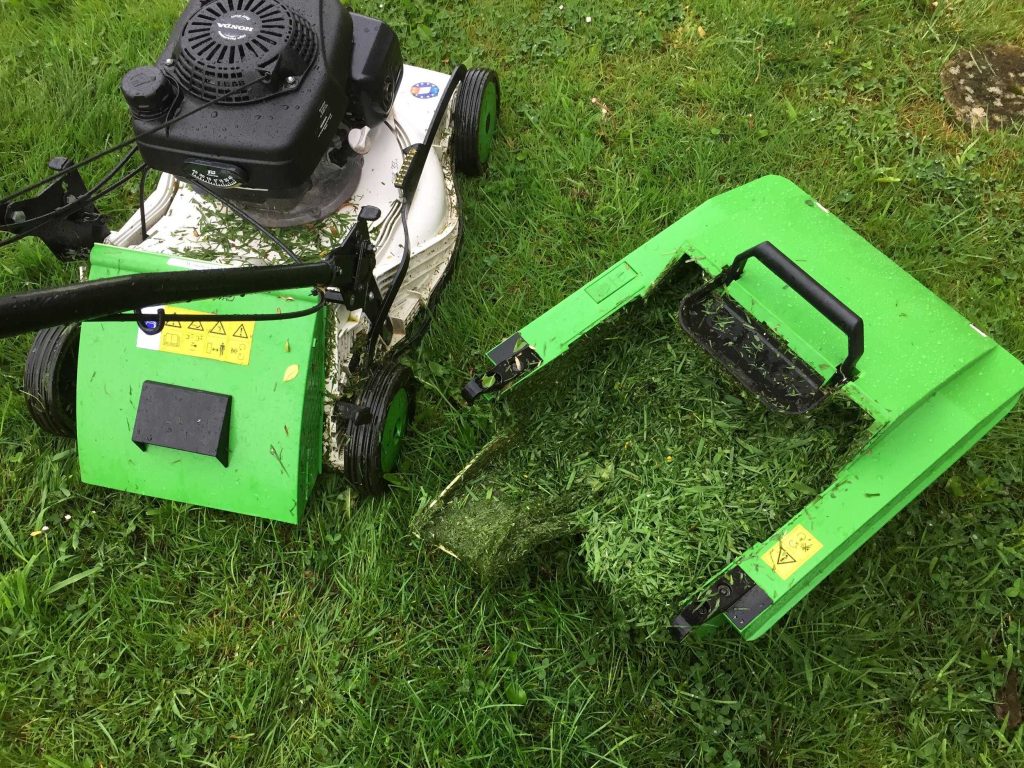
Mowing when the grass is wet can pose several problems. First, it can lead to clumping. When the mower cuts wet grass, it tends to stick together, forming clumps that can block the mower’s path. This not only makes the mowing process inefficient but can also create uneven patches on your lawn.
Additionally, a wet lawn can become compacted. Walking on wet grass can crush the soil beneath, compacting it and damaging the roots of your grass. This damage can make it harder for your lawn to absorb water and nutrients in the future.
Safety Concerns
Mowing wet grass also raises safety concerns. The ground can become slippery, increasing the risk of slipping and falling while mowing. Moreover, wet grass can cause the mower to slip or skid, making it harder to control.
It’s essential to prioritize safety when mowing during these conditions. Wearing appropriate footwear with good traction can help reduce the risk of accidents.
Understanding Grass Types
Not all types of grass respond the same way to wet mowing. Cool-season grasses, like Kentucky bluegrass and tall fescue, might be more forgiving than warm-season grasses such as Bermuda or Zoysia.
- Cool-Season Grasses: These grasses thrive in the cooler months. They can handle some wet mowing but still benefit from dry conditions.
- Warm-Season Grasses: Best mowed when dry, these grasses can suffer from disease when cut wet.
Understanding your grass type is crucial to maintaining a healthy lawn and achieving the best results.
Identifying the Right Timing
Timing your mowing after rain can make a significant difference. Ideally, wait at least a few hours after the rain stops. This allows the grass to dry somewhat, making it easier to cut without the issues mentioned earlier.
A good rule of thumb is to check the soil. If you can see moisture on your shoes after walking, the ground is likely still too wet for mowing.
Tips for Mowing Wet Grass
If you must mow wet grass, consider these helpful tips:
- Use a Sharp Blade: A sharp mower blade will cut cleanly, reducing stress on the grass.
- Adjust the Mower Height: Raising the mower height helps avoid cutting too much grass at once.
- Reduce Speed: Take your time when mowing wet grass to maintain control.
These tips can help mitigate some of the challenges associated with mowing wet grass.
Consider Using a Mulching Mower
If you frequently find yourself mowing in less-than-ideal conditions, consider investing in a mulching mower. These mowers are designed to chop grass into smaller pieces, allowing for better dispersion even when the grass is wet.
This can prevent clumping, ensuring a more even cut and a healthier lawn.
Post-Mowing Care
After mowing wet grass, it’s essential to care for your lawn properly.
- Check for Clumps: Clear any clumps of grass left behind to avoid suffocating the underlying grass.
- Water Wisely: Allow the lawn to dry before watering again to prevent waterlogging.
Proper aftercare can ensure your lawn remains healthy and vibrant.
Common Myths About Mowing Wet Grass
There are many myths surrounding mowing wet grass. One common belief is that it weakens the grass. In moderation, wet mowing can be fine, especially if your grass type allows for it.
However, excessive mowing when wet can lead to issues such as disease and poor growth. Understanding these differences is key to proper lawn care.
Additional Benefits of Mowing Wet Grass
While there are challenges, there can also be some benefits to mowing wet grass.
- Less Dust: Mowing wet grass can reduce dust clouds, making it easier to breathe.
- Moisture Retention: Cutting wet grass helps retain moisture, which can be beneficial during dry spells.
These benefits are worth considering if you find yourself needing to mow during wet conditions.
The Bottom Line on Mowing Wet Grass
Ultimately, the decision to mow wet grass will depend on your specific circumstances. If it’s too muddy or slippery, it’s best to hold off until conditions improve.
However, if time is of the essence, using the right techniques and equipment can help you manage mowing even when the grass is wet.
In conclusion, understanding the implications of mowing grass when wet is essential for maintaining a healthy lawn. Armed with the right knowledge and tools, homeowners can navigate this common lawn care challenge with confidence.
“`
How To Mow A Lawn That Is Wet or Damp
Frequently Asked Questions
What are the risks of mowing grass while it’s wet?
Mowing wet grass can lead to several issues. The mower can struggle to cut through wet blades effectively, resulting in an uneven cut. Additionally, wet grass can clump together, clogging the mower’s deck and making the job more difficult. It can also lead to soil compaction, damaging the grass roots and exposing the soil to weeds and disease.
How does wet grass affect lawn health?
Mowing wet grass can stress the lawn and hinder its growth. When grass blades are wet, they tend to bend rather than stand upright, which means the mower may not make a clean cut. This uneven cutting can leave the grass vulnerable to disease and pests. Furthermore, damp conditions can promote fungal growth, leading to potential health issues for your lawn.
What should I do if I accidentally mow wet grass?
If you find yourself in a situation where you’ve mowed wet grass, assess the damage first. If you notice clumping or uneven patches, avoid mowing again until the grass dries out. Allowing the grass to recover and drying out before your next mowing session can help restore its health. In the future, try to schedule mowing after a dry spell to avoid similar situations.
Can I prevent issues when mowing wet grass?
To minimize problems when mowing wet grass, consider using a mower with a high lift blade that can handle wet conditions better. Adjust the cutting height slightly higher to avoid scalping the grass. Also, try to mow during the warmest part of the day when the grass is less likely to be soaked. Regular maintenance of your mower, including keeping the blades sharp, also helps achieve a cleaner cut.
Is there an ideal moisture level for mowing?
The ideal moisture level for mowing is when the grass is dry and ideally has not been watered for at least 24 hours. This allows the blades to stand upright, reducing the chances of uneven cuts and clumping. Observing the weather and scheduling your mowing during drier periods can ensure that you maintain a healthier lawn.
Final Thoughts
Mowing grass when wet can lead to uneven cuts and potential lawn damage. It increases the risk of clumping, which can suffocate the grass beneath and promote disease. Additionally, wet grass can clog mower blades, making the task more difficult and inefficient.
Consider waiting for the grass to dry before mowing to achieve the best results. Maintaining a healthy lawn requires attention to timing and weather conditions. Ultimately, avoiding mowing grass when wet can help keep your yard looking its best.