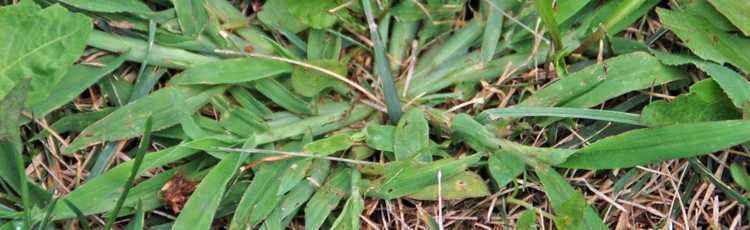
The main difference between Johnson grass and crabgrass lies in their appearance, growth habits, and impact on your lawn or field. Johnson grass is a tall, robust perennial that can grow very quickly and is often used for forage, while crabgrass is a low-growing annual weed that tends to invade lawns and disturbed areas. Understanding these differences can help you manage and control these grasses effectively.
Johnson grass is a large, perennial grass with broad leaves, often reaching heights of 6 to 10 feet, known for its deep roots and resilience. Crabgrass, on the other hand, is a shorter, invasive annual with a sprawling growth pattern, commonly appearing in summer. Both can be problematic, but knowing what sets them apart helps in choosing the right treatment and preventing their spread.
If you’re trying to differentiate between Johnson grass and crabgrass, focus on their size, growth cycle, and how they affect your land. Recognizing these traits early can save you time and effort in maintaining a healthy, weed-free yard or pasture.

What Is the Difference Between Johnson Grass and Crabgrass
Introduction to Johnson Grass and Crabgrass
Johnson grass and crabgrass are two common types of grasses seen in lawns, fields, and gardens. Although they look similar, especially to those unfamiliar with plants, they have many notable differences. Recognizing these differences helps in managing and controlling each type effectively. Both grasses can be invasive, but their growth habits, appearance, and control methods vary.
Basic Characteristics of Johnson Grass
Johnson grass, scientifically known as *Sorghum halepense*, is a perennial grass. It is native to North Africa and Asia but now grows in many parts of the United States. Johnson grass can grow up to eight feet tall, making it quite tall compared to other grasses. It has broad leaves with a rough texture and produces seed heads that are feathery and spread out.
Basic Characteristics of Crabgrass
Crabgrass, with the scientific name *Digitaria sanguinalis*, is an annual grass. It generally is much shorter than Johnson grass, typically reaching about 12 to 24 inches tall. It has fine, wiry stems with leaves that are narrow and smooth. Crabgrass produces seed heads that look like clusters of finger-like projections and spreads rapidly across lawns and gardens.
Growth Habits and Lifecycle
Johnson grass grows from established roots and produces new shoots every year. Its perennial nature means it can survive winter and regrow each spring from underground stems called rhizomes. Crabgrass completes its life cycle in one growing season. It germinates in spring, grows quickly during the summer, and produces seeds by late summer or fall before dying back.
Comparison Table: Growth and Lifecycle
| Feature | Johnson Grass | Crabgrass |
|---|---|---|
| Growth Type | Perennial (comes back every year) | Annual (dies each season) |
| Reproduction | Rhizomes and seeds | Seeds only |
| Growth Period | Grows year-round in warm climates | Grows mainly in summer |
Physical Appearance and Identification
Identifying Johnson grass and crabgrass involves observing their size, leaf shape, and seed heads. Johnson grass has broad leaves that are rough on the surface. It produces large, feathery seed heads that tend to be taller than the plant itself.
Crabgrass has fine, delicate stems and narrow leaves. Its seed heads resemble fingers or fingers spread out, which is a key visual feature. Crabgrass tends to stay close to the ground and spreads outward, forming patches.
Detailed Comparison of Visual Features
- Johnson Grass: Tall (up to eight feet), broad leaves, rough texture, feathery seed head, and rhizomes for spreading.
- Crabgrass: Shorter (up to two feet), narrow and smooth leaves, finger-like seed heads, and spreads via seed dispersal.
Habitat Preferences and Growing Conditions
Johnson grass prefers moist, fertile soils and thrives in warm climates. It is often found along roadsides, in fields, and in disturbed areas. This grass can tolerate drought and poor soil but grows fastest with ample water and nutrients.
Crabgrass favors hot, sunny areas with well-drained soil. It often invades lawns that have thin or weak grass cover. Crabgrass is particularly common in areas where mowing is irregular and the grass is stressed.
Preferred Environments
- Johnson Grass: Moist, fertile soil, warm weather, disturbed sites.
- Crabgrass: Dry to moist soil, full sun, weak or thin turf areas.
Impact on Lawns and Agriculture
Johnson grass can be problematic in agricultural settings because it is resistant to many herbicides and competes aggressively with crops. It can also be difficult to eradicate once established due to its deep root system.
Crabgrass is mainly a lawn weed. It quickly takes over thin or bare patches, making lawns look uneven and patchy. While it doesn’t generally affect crops, it can reduce the aesthetic value of your lawn and may interfere with regular grass growth.
Control Challenges
- Johnson Grass: Hard to control due to rhizomes and seed production; requires persistent management.
- Crabgrass: Easier to control early with pre-emergent herbicides or manual removal.
Methods of Control and Management
Controlling Johnson grass involves physical removal, chemical treatments, and improving soil health to prevent its spread. Because of its resilient root system, herbicides often need to be applied repeatedly.
Crabgrass control is typically achieved with pre-emergent herbicides applied before germination or post-emergent products targeted at young plants. Regular lawn maintenance, such as reseeding and proper mowing, can also reduce its spread.
Recommended Management Strategies
- Johnson Grass: Manual removal, herbicides (like glyphosate), and soil management.
- Crabgrass: Pre-emergent herbicides before germination, hand-pulling, and dense turf for suppression.
Environmental and Ecological Considerations
Johnson grass provides some habitat for wildlife but can outcompete native plants, leading to reduced biodiversity. It also has a high water requirement, which could impact water resources.
Crabgrass, while mainly an annoyance for lawns, can create temporary habitats for insects and small animals. However, its invasion can suppress native or desirable grasses, disrupting local ecosystems.
Ecological Impact Summary
- Johnson Grass: Can displace native plants, requires lots of water, and resists control efforts.
- Crabgrass: Short-lived but widespread, can reduce native grasses and lawn diversity.
Understanding the key differences between Johnson grass and crabgrass helps in choosing the right control methods and preventing unwanted spread. Johnson grass’s tall, coarse, and perennial nature contrasts sharply with crabgrass’s shorter, fine, and annual growth. Recognizing these traits makes managing each weed easier and more effective. Proper identification and timely intervention are essential to keep your lawns and fields healthy and free from invasive grasses.
Identifying Grassy Weeds: Johnsongrass
Frequently Asked Questions
How can one visually distinguish between Johnson grass and crabgrass in a lawn?
Johnson grass features tall, coarse, and broad leaves with a prominent, thick stem that can grow several feet tall. Its seed heads are elongated with a spiky appearance. In contrast, crabgrass has finer, thinner leaves that form low-growing mats; its seed heads are bushy and spread out, giving a more granular look. Recognizing these differences helps in identifying each species quickly in the field.
What are the typical growth patterns of Johnson grass compared to crabgrass?
Johnson grass tends to grow erect and can reach heights of 6 to 10 feet, with a strong, upright habit that allows it to dominate areas quickly. It develops a dense root system that makes it hard to remove. Crabgrass spreads horizontally through creeping stems, forming a thick, low ground cover that quickly invades open spaces. While Johnson grass grows upward, crabgrass prefers to spread outward across surfaces.
In terms of habitat preference, how do Johnson grass and crabgrass differ?
Johnson grass commonly thrives in moist, fertile soils, often found in fields, along roadsides, and in disturbed areas where it can take advantage of rich nutrients. Crabgrass prefers dry, compacted soils, frequently invading lawns and turfgrass areas during warm months. Its ability to adapt to various conditions makes it a common weed in residential landscapes, whereas Johnson grass often indicates more disturbed or agricultural environments.
What impacts do Johnson grass and crabgrass have on native plants and cultivated areas?
Johnson grass can outcompete native plants and agricultural crops due to its rapid growth and extensive root system, often leading to reduced biodiversity in affected areas. Crabgrass, while less aggressive than Johnson grass, can still overshadow desirable turfgrass and garden plants, leading to uneven lawns and reduced aesthetic appeal. Both weeds require management to prevent overgrowth and maintain healthy landscapes.
How do the seed production and dispersal mechanisms differ between Johnson grass and crabgrass?
Johnson grass produces numerous large seeds that are spread primarily by wind and animals, allowing it to establish quickly over large areas. Its seed heads are thick and spike-like, facilitating dispersal. Crabgrass produces many small seeds that disperse via wind and can easily settle in cracks and bare soil, enabling it to rapidly colonize open spaces and disturbed landscapes. Understanding these mechanisms helps in planning effective control strategies.
Final Thoughts
Johnson grass and crabgrass differ mainly in appearance and growth habits. Johnson grass is tall and sturdy, often reaching over six feet, with broad leaves. Crabgrass is shorter, usually spreading quickly across lawns with its coarse texture.
Johnson grass is primarily a warm-season perennial, while crabgrass is a fast-growing annual. Their root structures also vary—Johnson grass has deep roots, whereas crabgrass has shallow ones.
What is the difference between Johnson grass and crabgrass? The key lies in their growth patterns, height, and root systems, making each unique in their management.