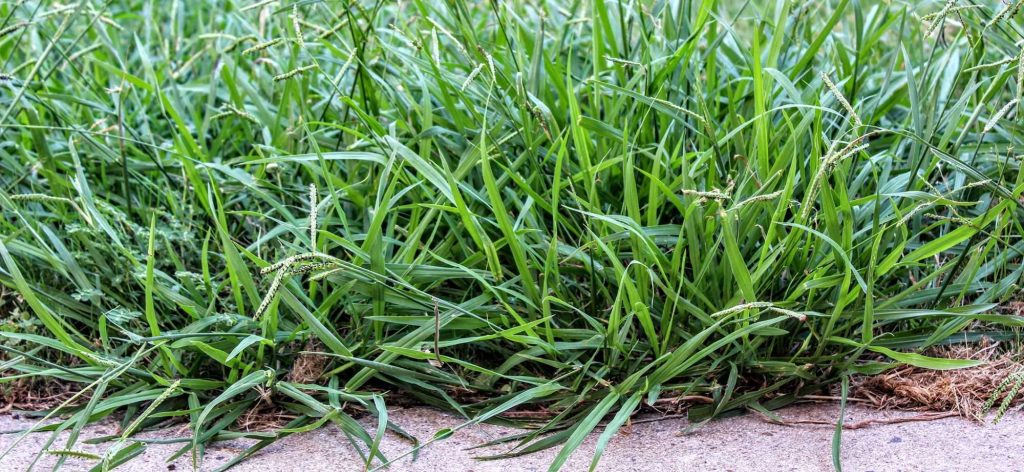
Crabgrass is a common lawn invader that immediately catches your eye with its sprawling, coarse appearance. If you’re wondering what crabgrass looks like and how to identify it, you’re in the right place. It’s a pesky weed that often takes over lawns during the warmer months, with its distinctive growth pattern and texture making it stand out from regular grass.
**Short summary:** Crabgrass is a fast-growing, invasive weed characterized by wide, coarse blades and a sprawling, spreading habit. It appears as patches of light green, often with a low, matted look, disrupting the uniformity of your lawn.
Knowing what crabgrass looks like is key to controlling it early before it takes over your yard. This weed begins as a small, low-growing clump that quickly spreads through underground runners. Its broad, somewhat rough leaves are usually lighter in color than your healthy grass, and during the summer, it produces seed heads that resemble fluffy, finger-like clusters. Identifying crabgrass early allows you to take swift action, whether through manual removal or targeted weed control, to keep your lawn lush and even.

What Is Crabgrass and What Does It Look Like?
Introduction to Crabgrass
Crabgrass is a common weed that invades lawns and gardens. It is known for its quick growth and spreading habit. Many homeowners find it frustrating because it can quickly take over a healthy lawn if not controlled early.
Basic Characteristics of Crabgrass
Crabgrass is a warm-season annual grass. It thrives in hot weather and can grow rapidly during summer months. Its appearance can vary slightly depending on the species, but certain features remain consistent.
Physical Appearance of Crabgrass
The plant typically forms low-growing patches. Its blades are flat, wide, and have a coarse texture. The leaves are light green to bluish-green and often have a rough feel. The growth pattern resembles a crab, with sprawling, spreading stems.
Size and Height
Crabgrass usually grows between 4 to 24 inches tall. During peak growth, it can appear dense and bushy. The height varies depending on the species and environmental conditions.
Leaf Shape and Color
The leaves of crabgrass are broad, flat, and have a rough surface. They are usually about 2 to 4 inches long and 0.25 to 0.75 inches wide. The color ranges from bright green to bluish-green, sometimes with a slight purple tint at the base.
Distinctive Features for Identification
Identifying crabgrass can be easier by looking for certain features. Its growth habit, leaf shape, and seed head are key clues.
Growth Habit and Spreading
Crabgrass spreads by underground runners called stolons and creeping stems. This sprawling growth makes it look like the weed is spreading in all directions. It tends to form patches that can quickly dominate a lawn.
Seed Head Appearance
In late summer, crabgrass produces distinct seed heads. These are flat, finger-like clusters that extend outward from the plant. Each seed head contains numerous tiny seeds which aid in the rapid spread of the weed.
Crabgrass vs. Other Grass Types
To correctly identify crabgrass, it helps to compare it with other common lawn grasses.
Crabgrass vs. Fescue
Fescue has fine, soft blades and grows upright. It stays green longer in fall and winter. In contrast, crabgrass has coarse blades and sprawls along the ground.
Crabgrass vs. Kentucky Bluegrass
Kentucky Bluegrass forms lush, dense turf with a fine texture. It grows upright and does not spread through stolons like crabgrass. Its seed heads are more rounded and less finger-like.
When and Where Does Crabgrass Grow?
Understanding its preferred environment helps prevent and manage crabgrass.
Ideal Growing Conditions
Crabgrass prefers soil temperatures above 55°F. It grows best in full sun and well-drained soils. It often invades lawns that are weak or poorly maintained.
Time of Year for Growth
Crabgrass germinates in late spring to early summer. It continues to grow throughout the summer, producing seed heads in late summer or early fall.
Visual Signs of Crabgrass Infestation
Early detection is crucial for control. Look for patches that stand out from your regular grass.
Patch Formation
Infested areas appear as light green patches that spread quickly. The patches are irregular in shape and can invade different parts of the lawn.
Growth Pattern and Spread
Crabgrass spreads by creeping stems, which root at nodes. These stolons help the plant cover large areas rapidly, making infestations look like patches of coarse, sprawling grass.
Additional Tips for Identification
Knowing what crabgrass looks like includes understanding how to spot it during different seasons.
Late Season Changes
In fall, the seed heads become prominent, making identification easier. Look for the characteristic finger-like seed clusters.
Signs of Competition
Crabgrass often outcompetes weaker grasses, leaving patches of coarse grass that differ noticeably in texture and color.
Summary of Visual Characteristics
– Sprawling, low-growing patches
– Coarse, broad leaves often bluish-green
– Spreading by stolons and creeping stems
– Finger-like seed heads in late summer
– Rapid expansion during warm months
Recognizing what crabgrass looks like helps you catch it early and prevent it from overtaking your lawn. Its distinctive spreading habit, seed heads, and coarse leaves are key identifiers. Regular inspection and understanding these features make weed control much easier and more effective.
Identify Crabgrass In ANY Lawn In Just 3-Steps
Frequently Asked Questions
What are the common features that help identify crabgrass in a lawn?
Crabgrass typically appears as a low-growing, spreading grass with coarse, wide leaves. It often forms dense patches that stand out from the surrounding turf because of its lighter green color. The grass blades have a slightly hairy texture, and the plants tend to have a sprawling, irregular growth pattern. During the summer, it produces distinctive seed heads that are spiky and finger-like, making it easier to distinguish from other grasses.
How does crabgrass differ from desirable turfgrass species?
Crabgrass differs from common lawn grasses in its growth habits and appearance. While turfgrass generally has a more uniform and fine texture, crabgrass exhibits a coarser leaf structure. It spreads aggressively by creeping stems called stolons, which allow it to quickly colonize bare patches. Unlike turfgrass, crabgrass tends to grow in clusters, with a more irregular and sprawling pattern. Its lighter green shade and spiky seed heads are also telltale signs.
What time of year is crabgrass most visible and noticeable?
Crabgrass becomes most apparent during late spring through summer when temperatures rise. It germinates when soil temperatures reach around 55-60°F (13-16°C), and as it matures, its broad, coarse leaves and seed heads become more prominent. During these months, the patches stand out against the finer, darker green of established turfgrass. Early detection in the late spring can help manage its spread before it becomes problematic.
What are the typical growth patterns of crabgrass in a lawn?
Crabgrass grows in a spreading manner, producing wide, sprawling patches that can quickly cover bare spots in a lawn. It develops low to the ground, with stems that root at nodes to form dense mats. Its growth pattern is aggressive, with stems that extend outward to colonize new areas. During peak season, the plant produces seed heads that extend outward like fingers, further aiding its spread.
How can one differentiate crabgrass from other weed species in a garden?
Crabgrass can be distinguished from other weeds by its coarse texture, sprawling growth, and finger-like seed heads. Unlike broadleaf weeds, crabgrass has grass-like leaves with a hairy texture. It often appears in irregular patches, unlike the more uniform growth of desirable grasses. Recognizing its seed heads—spiky, finger-like structures—is another key indicator that helps differentiate crabgrass from other types of weeds or grasses.
Final Thoughts
Crabgrass is a common weed that appears in lawns, especially during warm months. It has coarse, broad leaves and spreads quickly through runners. Its light green color and somewhat flattened growth make it easily identifiable.
This weed often forms dense patches, crowding out desired grass types. Its ability to establish rapidly makes it a challenge for many homeowners. Recognizing crabgrass early helps in managing its spread effectively.
In conclusion, understanding what is crabgrass and what does it look like aids in quick identification. Spotting its broad leaves, light-green shade, and sprawling growth helps you take prompt action.