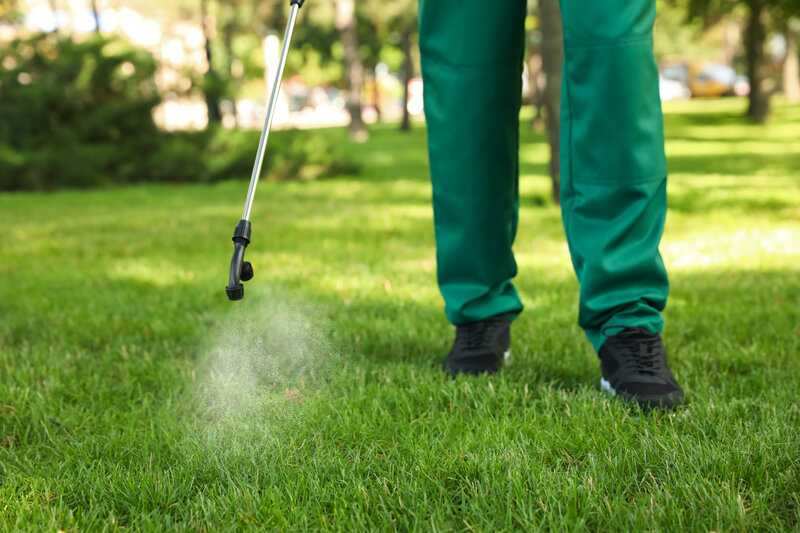
Lawn pest control is the essential process of identifying and eliminating insects and critters that damage your grass and plants. Want a lush, healthy lawn? The answer lies in effective pest management that keeps unwanted invaders in check.
Lawn pest control involves using specific methods to prevent or eradicate pests like grubs, ants, and beetles that can ruin your yard’s appearance and health. It’s about protecting your grass and plants so they thrive without the destructive interference of pests. By understanding which pests are common and implementing targeted treatments, homeowners can maintain a beautiful, pest-free lawn effortlessly. This not only enhances outdoor enjoyment but also boosts your property’s curb appeal. Whether you prefer natural solutions or chemical treatments, lawn pest control is the key to keeping your yard vibrant and pest-free all season long.

What Is Lawn Pest Control?
Lawn pest control involves managing and eliminating insects and other pests that damage or threaten your grass and plants. Pests can cause serious issues, making your lawn look unhealthy and unattractive. Proper pest control helps keep your yard lush, green, and thriving.
Understanding Common Lawn Pests
There are many types of pests that attack lawns. Each pest has different habits, feeding patterns, and preferred environments. Knowing these pests helps you choose the right control methods.
Insects That Damage Lawns
Major insect pests include grubs, chinch bugs, armyworms, and sod webworms. These insects feed on grass roots or blades, causing brown patches and thinning turf.
Other Pests to Watch For
Besides insects, pests like moles and gophers create tunnels that damage the soil and grass roots. Diseases and fungi can also act like pests, causing areas of dead or discolored grass.
Why Lawn Pest Control Is Important
Pest problems can spread quickly if not managed. They weaken grass, making it more vulnerable to drought, disease, and weeds. Controlling pests ensures a healthy, green lawn that boosts curb appeal and property value.
Signs of Lawn Pest Infestation
Look for patches of dying grass, visible pests on blades or soil, and irregular brown or yellow spots. Hearing unusual noises underground or feeling uneven grass surface can also indicate pest activity.
Methods of Lawn Pest Control
Natural Pest Control Techniques
Using beneficial insects like ladybugs or nematodes naturally reduces pest populations. Maintaining healthy soil and grass helps pests resist infestation.
Chemical Pest Control Products
Pesticides are effective for severe infestations. Always follow label instructions and apply at the right time to avoid harming other beneficial insects or the environment.
Mechanical and Cultural Controls
Manual removal, aeration, and proper mowing can reduce pest habitats. Ensuring proper watering and fertilizing keeps grass strong against pests.
Choosing the Right Pest Control Product
Select products specific to the pest you face. Consider factors like application method, safety, and environmental impact. Organic options are safer for families and pets.
Effectiveness of Different Treatments
Biological controls work well for small infestations, while chemical treatments are suitable for larger issues. Combining methods often yields the best results.
Preventing Lawn Pest Problems
Healthy lawns resist pests better. Regular maintenance, proper watering, and mowing height help prevent pest outbreaks. Avoid overwatering or overfertilizing, which attract pests.
Tips for Long-term Pest Management
- Monitor your lawn regularly for early signs of pests
- Apply pest control treatments at the right time for maximum effect
- Keep your grass healthy through proper fertilization and watering
- Aerate your lawn to improve soil health and reduce pests
- Use organic or environmentally friendly products when possible
Integrated Pest Management for Lawns
This is a comprehensive approach combining multiple strategies. It emphasizes prevention, observation, biological controls, and judicious use of chemicals.
Steps in Integrated Pest Management
- Inspect your lawn regularly for pests or damage
- Identify the pest species accurately
- Use cultural practices to make your lawn less attractive to pests
- Introduce beneficial insects or microorganisms to curb pest numbers
- Apply chemical treatments only when necessary and as a last resort
DIY Lawn Pest Control vs. Professional Services
DIY methods can work for minor pest problems and are cost-effective. However, severe infestations benefit from professional pest control services for efficient and safe treatment.
Pros and Cons of DIY Approach
- Lower costs and immediate action
- Requires knowledge about pests and products
- Potential for overuse or misuse of chemicals
Benefits of Hiring Professionals
- Expert pest identification and treatment planning
- Use of specialized equipment and products
- Safer application methods, reducing risk to family and pets
Maintaining a Pest-Free Lawn
Consistent lawn care and early intervention are key. Regularly check for signs of pests and address issues promptly to prevent outbreaks.
Recommended Maintenance Practices
- Water deeply but infrequently to promote deep root growth
- Mow at the recommended height for your grass type
- Remove debris and thatch where pests like to hide
- Apply appropriate fertilizers to keep grass healthy
- Implement pest prevention measures seasonally
Related Topics in Lawn Pest Control
Choosing Lawn Fertilizers and Soil Amendments
Healthy soil supports strong grass, making pests less likely to attack. Use organic fertilizers and soil conditioners to improve soil vitality.
Dealing with Weeds Alongside Pests
Weeds can compete with grass for nutrients and water. Maintaining a healthy lawn reduces weed and pest problems simultaneously.
Understanding Lawn Diseases and Fungi
Diseases like brown patch or rust can mimic pest damage. Proper identification ensures you treat the actual issue effectively.
Eco-Friendly Lawn Management
Focus on natural pest deterrents and sustainable practices. This approach reduces chemical use and benefits the environment and your family’s health.
Main Types of Lawn Damaging Insects | Expert Lawn Pest Control Tips
Frequently Asked Questions
What are common signs indicating the need for lawn pest control?
Signs that your lawn may need pest control include patchy or thinning grass, visible insects or larvae, and areas with unusual discoloration or damage to the plants. You might also notice increased digging or burrowing activity around your yard. Addressing these signs early helps prevent further damage and keeps your lawn healthy.
How do pests typically affect the health of a lawn?
Pests can cause significant damage to a lawn by feeding on grass roots, stems, or blades. This feeding activity weakens the grass, resulting in patchy spots, brown or dead patches, and overall thinning. Heavy pest infestations can lead to a decline in lawn vitality, making it more vulnerable to diseases and drought stress.
What methods are used in effective lawn pest control?
Effective lawn pest control combines cultural practices, such as proper mowing and watering, with targeted treatments like insecticides or organic solutions. Mechanical removal of pests, introducing beneficial insects, and maintaining healthy soil conditions also play a key role. An integrated approach ensures pests are managed without harming the environment.
When should I schedule lawn pest treatments for the best results?
Timing is crucial for successful pest management. It’s best to treat pests early in their life cycle, often during their active seasons in spring and summer. Regular inspections can help detect infestations early, allowing for timely intervention. Consult with a lawn care professional for a tailored maintenance plan based on your local climate and pest activity.
Final Thoughts
Lawn pest control involves managing insects and other pests that damage your grass and plants. It is essential for maintaining a healthy, attractive yard. Proper pest control prevents destruction, saving time and money on repairs.
By identifying pests early, homeowners can take effective measures to protect their lawn. Regular treatments and good lawn care practices keep pests at bay.
In conclusion, what is lawn pest control? It is a vital aspect of yard maintenance that ensures a pest-free and lush lawn.