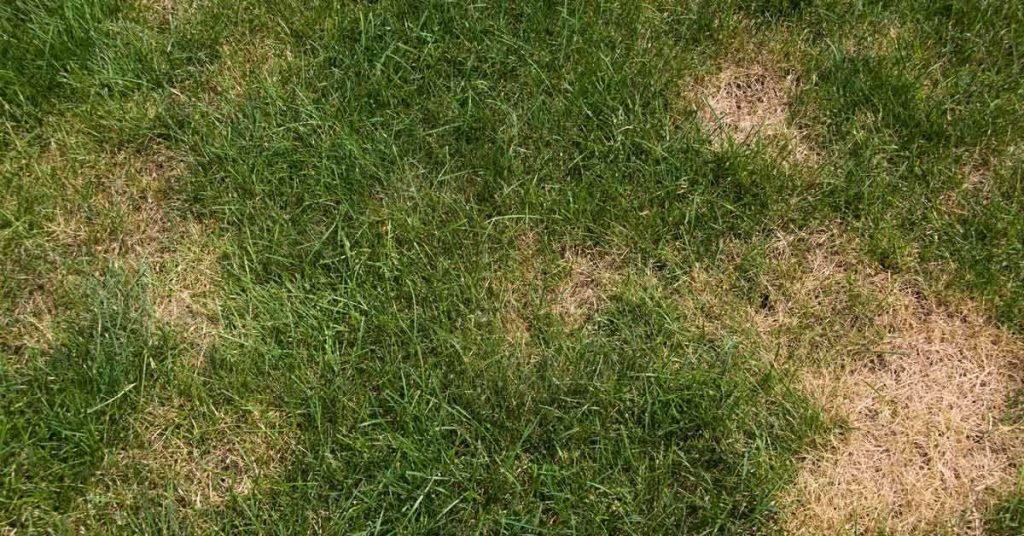
To spot lawn pests quickly, look for signs like irregular brown patches, chewed or wilting grass, and tiny insects crawling around. Identifying pests early allows for targeted treatment and healthier grass.
The best way to identify lawn pests is by observing changes in your yard’s appearance and inspecting the soil and grass closely for pests and damage. Recognizing the specific signs and insect types can help you choose the right control methods, preventing extensive damage to your lawn. Being proactive with regular monitoring is key to keeping pests at bay and maintaining a lush, healthy yard.
Keeping your lawn free from pests starts with knowing what to look for. Common indicators include discolored or patchy grass, holes in the turf, or the presence of insects like grubs, beetles, or chinch bugs. Early detection through careful observation can save you time, money, and effort while ensuring your lawn remains vibrant and inviting. Remember, pests often hide beneath the surface or on the underside of leaves, so a close examination is essential. Regularly checking your lawn during different times of day helps catch infestations early before they cause significant damage.

How to Identify Lawn Pests
Identifying lawn pests is essential to keeping your yard healthy and vibrant. Pests can cause serious damage if not caught early, so knowing what to look for helps you respond quickly. This guide will walk you through the signs, common pests, and ways to recognize them effectively.
Understanding the Signs of Pest Infestation
Before diving into specific pests, it’s important to know the general signs that your lawn may be under attack. Look for uneven patches where the grass looks brown or thinning. Holes in the soil or the presence of frass (insect droppings) can also signal pest activity.
Other clues include footprints in soft soil, chewed grass tips, or visible pests crawling on the grass surface. Monitoring these signs regularly helps catch infestations early before they spread widely.
Visual Cues on Your Lawn
Seeing damage is a clear way to identify pests. Look for areas where grass blades appear skeletonized or chewed. Wilting or yellowing patches that do not recover may indicate root-feeding pests.
In addition, check for the presence of insects or their cast skins. These are often clear signs of ongoing pest activity. Use a flashlight to inspect the undersides of leaves and the soil surface carefully.
Inspecting the Soil and thatch Layers
Pests often hide in the soil or thatch layer beneath your grass. Remove sections of thatch or soil to examine what’s underneath. Look for crawling insects, grubs, or larvae.
Use a small rake or shovel to lift the turf gently. If numerous pests are found, it’s a good indicator that your lawn needs treatment. Regular soil inspection is an effective way to catch pests early.
Recognizing Common Lawn Pests
Chinch Bugs
Chinch bugs are tiny insects, about 1/8 inch long, with black bodies and white wings. They tend to gather in dry, stressed areas of the lawn. Their feeding causes grass to turn yellow and eventually die.
Grubs
Grubs are white, C-shaped larvae of beetles. They live in the soil and feed on grass roots. Signs include brown patches that easily pull up, and sometimes, birds or skunks digging in your yard.
Armyworms
Armyworms are caterpillars that move in large groups, consuming lots of grass quickly. They have a green or brown body with distinctive stripes and can strip a lawn of foliage in a short time.
Sod Webworms
Sod webworms are small moth larvae that feed on grass blades. Look for silken webs on the turf or small brown patches where the grass is eaten down to the stems.
Billbugs
Billbugs are small beetles with a distinctive “bill” on their heads. Their larvae feed inside grass stems and roots, leading to dead patches that are easily pulled apart.
How to Differentiate Between Pest Types
Distinguishing pests helps you choose the right treatment. Focus on their size, shape, behavior, and the damage they cause. For example, soil-dwelling pests like grubs create underground damage, while surface feeders like chinch bugs are visible on the grass surface.
Creating a pest identification chart can aid in quick recognition. Record damage signs, pest appearance, and preferred habitat to make future pest management easier.
Using Monitoring Tools to Detect Pests
Sticky traps, soil sampling, and visual inspections are helpful tools. Sticky traps attract flying pests like adult beetles or moths, indicating increased activity. Soil samples can reveal underground pests like grubs or larvae.
Set traps in different lawn areas and check them regularly. Keeping track of pest presence over time guides targeted control efforts.
Recognizing Pest Damage Versus Other Lawn Issues
Sometimes, lawn problems mimic pest damage. Dryness, nutrient deficiency, or disease can cause similar symptoms. Compare affected areas with healthy parts of your yard.
Proper diagnosis often requires inspecting for pests or consulting a lawn care expert. Avoid rushing into treatments without confirming insect presence.
Preventing Lawn Pest Problems
Healthy lawns resist pests better. Apply proper watering, fertilization, and mowing practices to maintain strong grass. Regular lawn maintenance reduces pest habitat and discourages infestations.
Pest control is more effective when combined with cultural practices like aeration, overseeding, and thatch removal. Always keep an eye on your lawn to spot early signs of pests.
Knowing how to identify lawn pests involves observing signs of damage, inspecting your yard thoroughly, and understanding the characteristics of common pests. By staying vigilant and proactive, you can protect your lawn from extensive damage and ensure it remains lush and green. Regular monitoring and early intervention are your best tools in maintaining a pest-free yard.
How to check your lawn if you think you have lawn grubs
Frequently Asked Questions
What signs indicate the presence of lawn pests on my grass?
Look for uneven patches of dead or yellowed grass, which suggest pest activity. You may also notice thinning areas where grass appears to be chewed or pulled up easily. Additionally, spotting insect tracks, cast skins, or small holes in the turf can point to specific pest problems.
How can I identify common lawn pests like grubs or chinch bugs?
To identify grubs, gently pull back sections of the turf to check for creamy-white larvae with brown heads beneath the soil surface. Chinch bugs leave small black or white insects along with stippling or yellowing on the grass blades. Examine the affected areas closely and look for these specific insects to confirm their presence.
What other insects should I watch for that damage lawns?
Keep an eye out for armyworms, cutworms, and billbugs, which cause visible damage like chewed leaves or dead patches. Look for their distinctive markings or webbing, and inspect the soil and grass blades regularly to catch infestations early before extensive damage occurs.
How do frass and other debris help in identifying lawn pests?
Frass, or insect droppings, often accumulates near pest colonies and can signal their presence. For example, the presence of wood-colored frass near the soil may indicate wood-boring insects, while black specks on the grass could point to insect activity. Recognizing these signs helps determine which pests are affecting your lawn.
What tools can assist in identifying pests in my lawn?
Use a hand lens or magnifying glass to closely examine insects and larvae on the grass and soil. A garden trowel can help dig around affected areas to uncover hidden pests. Keeping a small notebook or camera to record signs and pest appearances also aids in tracking and confirming infestations over time.
Final Thoughts
Identifying lawn pests quickly prevents damage and saves time. Examine your grass for irregular patches, discolored spots, or holes. Look closely at the soil and grass blades for insects or larvae.
Early detection involves observing changes in lawn health and signs of pest activity. Use proper tools like a magnifying glass to spot tiny insects. Recognizing these signs helps you take prompt action.
In conclusion, knowing how to identify lawn pests ensures you maintain a healthy, lush yard. Pay attention to visual cues and act swiftly to control pests effectively.