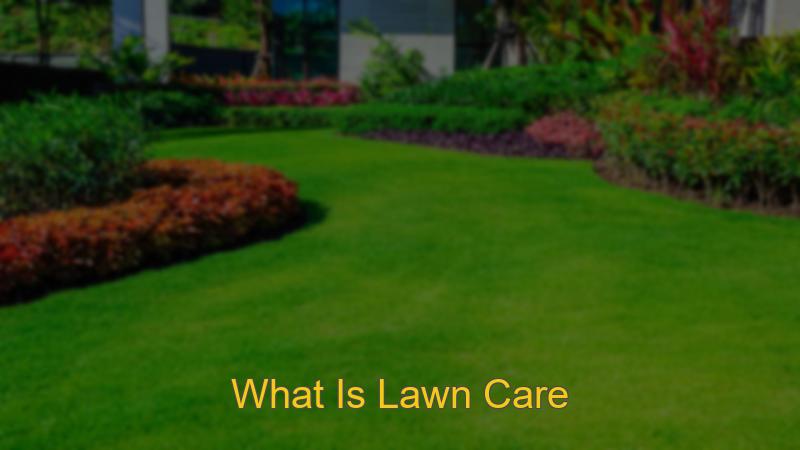
Effective lawn care demands knowledge of specific grasses, appropriate fertilization techniques, and integrated pest management. But how do you navigate this intricate landscape of information and cultivate the verdant oasis you envision?
The secrets to a thriving lawn, and a deeper understanding of what is lawn care, lie just ahead.
Essential Lawn Care Practices
Mowing. Watering. Fertilizing. Weed control.
Deep, infrequent watering encourages deep root growth, creating a more drought-tolerant lawn. Water early in the morning to minimize evaporation and allow the grass blades to dry before nightfall, reducing the risk of fungal diseases.
Fertilizing provides the necessary nutrients for healthy growth. A soil test can help determine the specific nutrient deficiencies in your lawn, allowing you to choose the right fertilizer for optimal results.
Apply fertilizer according to the package instructions and avoid over-fertilizing, which can harm the environment and your lawn.
Finally, effective weed control is vital for a pristine lawn. Regularly inspect your lawn for weeds and address them promptly.
You can choose from various methods, including hand-pulling, herbicides, or pre-emergent treatments that prevent weeds from germinating in the first place. By incorporating these essential practices – mowing, watering, fertilizing, and weed control – into your lawn care routine, you can cultivate a lush, healthy, and enviable lawn.
Soil Health and Lawn Care
Soil testing. Aeration. Overseeding. Topdressing.
Addressing compacted soil is also crucial. Over time, foot traffic and weather can compress the soil, restricting air, water, and nutrient movement to the grass roots.
Aeration, the process of creating small holes in the soil, alleviates compaction.
This allows roots to breathe, absorb water more efficiently, and access essential nutrients, leading to a stronger, healthier lawn.
Overseeding, the practice of spreading grass seed over an existing lawn, helps thicken the turf and fill in bare patches.
It’s particularly beneficial in the fall or spring when temperatures are moderate and rainfall is more consistent. Overseeding with a grass species suited to your climate and soil conditions improves the lawn’s density, making it more resilient to weeds, diseases, and drought.
Finally, topdressing involves applying a thin layer of compost, topsoil, or other organic matter over the lawn. This practice improves soil structure, adds beneficial microbes, and provides a slow-release source of nutrients.
Topdressing can also level out minor imperfections in the lawn’s surface, creating a smoother, more uniform appearance. By integrating these practices – soil testing, aeration, overseeding, and topdressing – you can cultivate a healthy soil ecosystem that supports a lush, vibrant lawn.
Pest and Disease Management
Identifying common lawn pests. Identifying common lawn diseases. Treatment options. Preventative measures.
Sod webworms, meanwhile, chew on grass blades at night, resulting in thinned or ragged areas.Lawn diseases, like pests, can significantly damage your turf.
Brown patch, a fungal disease, appears as circular patches of brown or straw-colored grass, often with a dark ring at the edge. Dollar spot, another fungal disease, creates small, round, straw-colored spots, roughly the size of a silver dollar. Powdery mildew appears as a white, powdery coating on grass blades, especially in shady areas.
Proper diagnosis is vital as treatments vary.Treatment options for pests and diseases range from cultural practices to chemical controls.
For grubs, beneficial nematodes or insecticides can be effective. Chinch bugs can be controlled with insecticides specifically targeted towards them.
For fungal diseases like brown patch and dollar spot, fungicides are often necessary. Remember to always follow product label instructions carefully.
Seasonal Lawn Care
Spring lawn care tips. Summer lawn care tips. Fall lawn care tips. Winter lawn care tips.
Summer brings the heat and often drought conditions. Regular, deep watering is crucial, preferably in the early morning to minimize evaporation.
Raise your mower blade to a higher setting to avoid scalping the grass and encourage deeper root growth.
Watch out for pests and diseases, addressing any issues promptly. If your lawn shows signs of stress despite watering, consider applying a summer fertilizer specifically formulated for hot weather.
As temperatures cool in the fall, your lawn’s growth slows, but it’s still actively preparing for winter. Continue watering deeply but less frequently, and fertilize with a formula higher in potassium to promote root development and cold hardiness.
This is also an ideal time to aerate and overseed again, allowing the grass to establish before winter sets in. Raking leaves diligently prevents them from smothering the grass and contributing to fungal diseases.
Winter lawn care primarily focuses on protection. Avoid heavy traffic on frozen grass to prevent damage.
Choosing the Right Grass Type
Coolseason grasses. Warmseason grasses. Factors influencing grass selection.
Warm-season grasses, on the other hand, prefer the higher temperatures of the southern states. Varieties like Bermuda grass, Zoysia grass, and St.
Augustine grass flourish during the summer and go dormant in cooler weather. They are highly drought-tolerant and prefer full sun exposure. While some warm-season grasses handle heavy traffic well, others are more susceptible to wear and tear.
Choosing between these two categories is primarily determined by your region’s climate. However, several other factors influence the best grass type for your specific needs.
Consider the amount of sunlight your lawn receives. Shady areas might necessitate a shade-tolerant cool-season grass, while sun-drenched yards open up options for both warm and cool-season varieties.
Soil type also plays a crucial role. Some grasses prefer well-drained soil, while others can tolerate clay or sandy conditions.
Lawn Care Equipment and Tools
Mowers (rotary, reel, robotic). Trimmers and edgers. Spreaders and sprayers. Other essential tools.
For a more precise, scissor-like cut, reel mowers offer a cleaner finish, particularly beneficial for finer grass varieties. For the ultimate in convenience, robotic mowers autonomously navigate and trim your lawn, freeing you from this regular chore.
Beyond mowing, trimmers and edgers are crucial for achieving a polished look.
Trimmers, with their flexible nylon lines, tackle those hard-to-reach areas around trees, fences, and flowerbeds, while edgers create crisp, defined lines between the lawn and walkways or driveways. For nourishing your lawn and protecting it from pests and diseases, spreaders and sprayers come into play.
Spreaders distribute granular fertilizers and other lawn treatments evenly, ensuring consistent coverage. Sprayers, on the other hand, are used for applying liquid fertilizers, herbicides, and insecticides. Finally, no lawn care toolkit is complete without a few other essentials.
A sturdy garden rake is invaluable for removing leaves and debris, while a sharp garden spade is essential for edging, transplanting, and various digging tasks.
Investing in quality lawn care equipment will not only make your lawn care tasks easier but also contribute significantly to the long-term health and beauty of your grass.
Sustainable Lawn Care Practices
Organic lawn care. Water conservation. Reducing chemical use. Integrated pest management.
A healthy soil also naturally suppresses weeds, minimizing the need for herbicides.
Water conservation is another crucial aspect of sustainable lawn care. Deep, infrequent watering encourages deeper root growth, making the grass more resilient to drought and disease.
Utilizing drought-tolerant grass varieties further reduces water needs. Employing smart irrigation techniques, such as rain barrels and drip irrigation systems, can also significantly conserve water. Adjusting mowing heights to slightly taller lengths helps shade the soil, reducing evaporation and water loss.
Minimizing chemical use is paramount for protecting pollinators, waterways, and human health. Instead of relying on synthetic pesticides and herbicides, consider natural alternatives.
Beneficial insects, such as ladybugs and lacewings, can control pest populations. Hand-picking weeds or using corn gluten meal as a natural pre-emergent herbicide offers effective, eco-friendly solutions.
Integrated pest management (IPM) takes a holistic approach to pest control, focusing on prevention and targeted treatments. Monitoring pest populations, understanding their life cycles, and employing a combination of cultural, biological, and mechanical controls minimize the need for chemical intervention.
DIY Lawn Care vs. Hiring a Professional
Cost comparison. Time commitment. Expertise and knowledge. DIY tips for beginners.
Think long-term: a poorly maintained lawn due to inexperience can lead to costly repairs down the line.
Time commitment is another crucial factor. DIY lawn care requires significant time and effort, from regular mowing and fertilizing to weeding and pest control.
If you’re short on time or prefer to spend your weekends relaxing, a professional service might be a better fit. They can handle all aspects of lawn care efficiently, leaving you free to enjoy your outdoor space.Expertise and knowledge play a significant role in achieving a healthy, vibrant lawn.
Professionals bring a wealth of knowledge about grass types, soil conditions, pest management, and local climate. They can identify potential problems early on and implement effective solutions, preventing minor issues from becoming major headaches.
If you’re a beginner, the learning curve can be steep, and mistakes can be detrimental to your lawn’s health.For those determined to embark on the DIY route, start with the basics.
Regular mowing at the correct height for your grass type is crucial. Learn about proper watering techniques and fertilize according to your lawn’s needs.
Common Lawn Problems and Solutions
Brown patches. Bare spots. Weeds. Thatch buildup.
For dry patches, ensure adequate and consistent watering, particularly during hot and dry periods.
Another common issue is bare spots, which can arise from heavy foot traffic, pet urine, or grub infestations. Overseeding these areas with a suitable grass seed and applying a starter fertilizer can promote new growth.
Protecting the area from further damage is crucial for successful recovery.
Weeds are persistent invaders that compete with your grass for resources.
Hand-pulling is effective for small infestations, but for larger areas, applying a broadleaf herbicide can provide more comprehensive control.
Pre-emergent herbicides, applied before weeds germinate, can also prevent future growth. Thatch, a layer of dead grass and organic matter that accumulates between the grass blades and the soil, can also create problems.
A thick layer of thatch prevents water, air, and nutrients from reaching the grass roots. If your lawn feels spongy or water runs off rather than soaking in, you likely have a thatch problem. Dethatching, either manually with a rake or with a power dethatcher, removes this layer and promotes healthy growth. Regular aeration, which creates small holes in the soil to improve air circulation, can also help prevent thatch buildup.
The Importance of a Healthy Lawn
Environmental benefits. Curb appeal and property value. Recreation and enjoyment.
This, in turn, protects local water bodies from sediment and chemical pollutants, preserving aquatic ecosystems.
Furthermore, healthy lawns help cool the surrounding environment through evapotranspiration, mitigating the urban heat island effect. This cooling effect can significantly reduce energy consumption for air conditioning during hot weather.
Beyond environmental advantages, a lush, green lawn enhances curb appeal and increases property value.
A well-cared-for yard creates a positive first impression, making a home more attractive to potential buyers.
It suggests pride of ownership and contributes to the overall aesthetic of the neighborhood.
Studies have shown that homes with healthy, attractive landscaping can command higher prices compared to similar properties with neglected yards. This return on investment makes lawn care a worthwhile endeavor for homeowners.
Finally, a healthy lawn provides a space for recreation and enjoyment. It offers a safe and comfortable area for children to play, families to gather, and pets to roam. Whether it’s a backyard barbecue, a game of catch, or simply relaxing in the sun, a well-maintained lawn creates an inviting outdoor living space. This connection with nature can reduce stress, improve mental well-being, and enhance the quality of life for everyone who enjoys it.
Creating a Lawn Care Schedule
Planning for yearround care. Adjusting for specific grass type and climate. Setting reminders and tracking progress.
Your local climate also plays a crucial role. Adjust your schedule based on the typical rainfall, frost dates, and temperature fluctuations in your area. For example, you might need to water more frequently during hot, dry spells or delay fertilization if a late frost is expected.
Once you’ve established a basic schedule, incorporate reminders and a tracking system to stay organized. Use a calendar, a dedicated lawn care app, or even simple handwritten notes to remind yourself of upcoming tasks.
This helps ensure that you don’t miss crucial steps like applying pre-emergent herbicide in the spring or winterizing your lawn in the fall.
Tracking your progress is equally important.
Note down the dates you completed specific tasks, the products you used, and any observations about your lawn’s health.
This historical record will be invaluable in identifying patterns, troubleshooting problems, and refining your schedule for optimal results in the future. Remember, a consistent and well-planned approach is key to achieving a healthy, lush lawn.