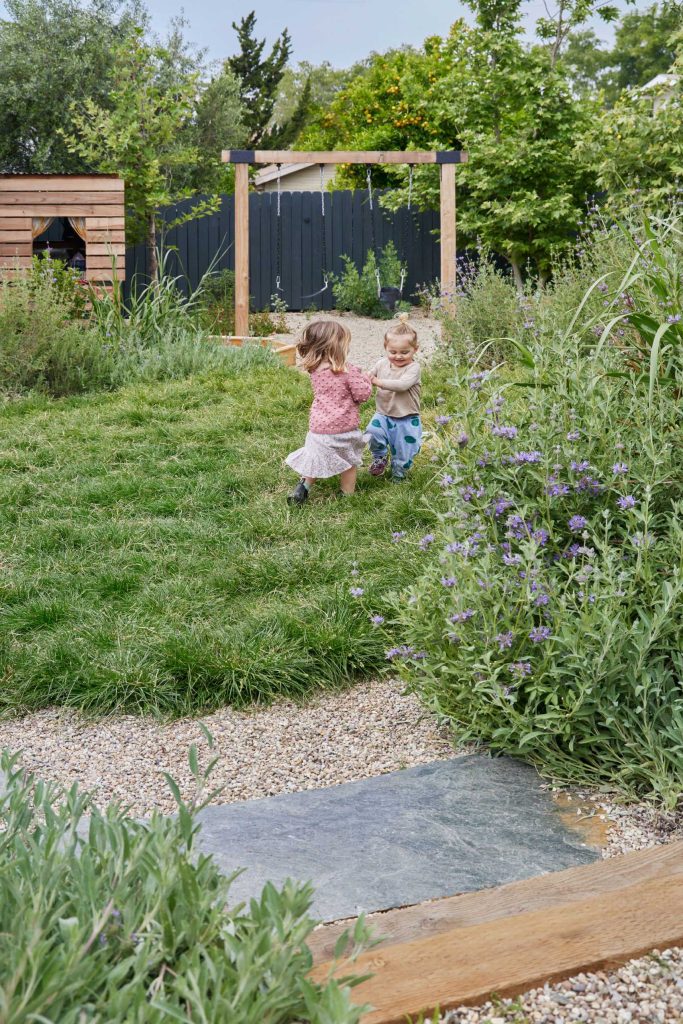
If you’re tired of constant mowing and want to slow down the growth of your grass, there are several effective strategies you can employ. One quick solution is to adjust your mowing height—keeping your grass slightly longer can lead to slower growth. Additionally, reducing the amount of fertilizer you use or opting for a slow-release variety can significantly impact growth rates. Moreover, choosing the right grass type for your climate can also help. Some varieties naturally grow slower than others. Let’s dive into these methods, explore how they work, and help you achieve that perfectly manicured lawn without the never-ending upkeep.

“`html
How to Make Your Grass Grow Slower
Growing grass is often seen as a straightforward task, but managing its growth can be challenging. Many homeowners prefer a well-maintained lawn that doesn’t require constant mowing. If you’re looking to *slow down grass growth*, you’re in the right place. Let’s dive into the methods and techniques that can help you achieve a beautiful lawn with less frequent maintenance.
Understanding Grass Growth
Before we explore how to slow down grass growth, it’s vital to understand what influences it. Grass grows based on several factors, including:
- Watering: Too much moisture encourages rapid growth.
- Fertilizers: High-nitrogen fertilizers promote lush grass.
- Sunlight: Grass needs sunlight, but too much can speed up growth.
- Temperature: Warm weather creates ideal conditions for growth.
By understanding these factors, you can make informed decisions about how to slow down grass growth effectively.
Adjusting Your Watering Schedule
Effective watering is crucial for grass health. However, overwatering can lead to faster growth. Here’s how to adjust your watering schedule:
- Water less frequently. Aim for deep watering once every week or two.
- Early morning is the best time to water, as less evaporation occurs.
- Monitor rainfall and adjust your watering accordingly.
By decreasing the amount of water your lawn receives, you can help slow down grass growth significantly.
Using the Right Fertilizer
Fertilizing your lawn with the appropriate materials can either speed up or slow down growth. To encourage slower growth, consider the following tips:
- Choose a slow-release fertilizer with low nitrogen content.
- Apply fertilizer less often, ideally only in spring and fall.
- In the summer, avoid using fertilizers altogether.
Using the right fertilizer can make a big difference in how quickly your grass grows.
Adjusting Mowing Practices
While it may seem counterintuitive, your mowing habits can impact the speed of grass growth. Here are some strategies:
- Mow your grass higher. Keeping blades at least 3 inches tall can slow growth.
- Sharpen your mower blades regularly for clean cuts.
- Avoid cutting grass too short, as this encourages rapid regrowth.
By adjusting your mowing practices, you can help maintain a controlled growth rate.
Implementing Shading Techniques
One effective way to slow down grass growth is to reduce the amount of sunlight it receives. You can achieve this through:
- Planting trees or shrubs to create natural shade.
- Utilizing shade cloth in areas that receive too much sun.
- Building fences or trellises that can block direct sunlight.
Shading techniques can help keep grass growth in check while still maintaining a healthy lawn.
Soil Management
The health of your soil plays a crucial role in grass growth. Proper soil management can help control how quickly grass develops. Here are some tips:
- Consider aerating your lawn to improve soil compaction.
- Test your soil pH, as too high or too low can affect growth rates.
- Incorporate organic matter to enhance soil health and reduce growth.
Healthy soil can lead to a more balanced lawn and help manage its growth.
Choosing the Right Grass Type
Different grass types have varying growth rates. When selecting grass for your lawn, consider:
- Opt for cool-season grasses like fescue or bluegrass for slower growth in warmer climates.
- Choose drought-resistant varieties that grow more slowly.
- Research local grasses that naturally have a slower growth rate.
Selecting the appropriate grass type can lead to a lawn that requires less maintenance.
Controlling Weeds
Weeds can compete with your grass for resources, leading to faster growth. To control weeds and promote slower grass growth, try these methods:
- Utilize mulch to suppress weed growth.
- Use organic herbicides that are less harmful to your lawn.
- Regularly maintain your lawn to prevent weed establishment.
Controlling weeds will help ensure that your grass grows at a more manageable rate.
Seasonal Considerations
Different seasons affect grass growth rates. Understanding seasonal changes can help you manage growth effectively:
- In spring, grass tends to grow rapidly, so focus on maintenance.
- During summer, consider reducing watering and fertilizing.
- In fall, growth slows naturally, allowing for less maintenance.
Being aware of seasonal changes can help you create a tailored maintenance plan.
Monitoring and Adjusting Practices
It’s important to monitor your lawn and make adjustments based on its health and growth. This can include:
- Regularly checking grass height and adjusting mowing accordingly.
- Evaluating soil health and making necessary amendments.
- Keeping an eye on weather conditions that could affect growth.
Consistent monitoring allows for proactive adjustments that can help slow grass growth.
Utilizing Ground Covers
In some areas of your yard, you might consider using ground covers instead of grass. These plants can provide beauty while minimizing grass growth. Consider:
- Clover, which grows slower and requires less maintenance.
- Thyme, a fragrant option that also suppresses weeds.
- Other low-growing plants that can replace traditional grass.
Using ground covers can reduce the amount of grass in your yard and slow down overall growth.
Regular Maintenance and Care
Regular maintenance is crucial for keeping your lawn healthy and under control. Here are some best practices:
- Keep your equipment clean and in good working order.
- Adopt a routine for mowing, watering, and fertilizing.
- Make sure to remove debris and leaves regularly.
Maintaining your lawn can help you achieve the slow growth you desire while keeping it looking its best.
By following these strategies, you can successfully slow down the growth of your grass. A well-maintained lawn can offer beauty without requiring constant attention. With a few adjustments to your gardening habits, you can enjoy a lush yard with less hassle.
“`
Make your grass SLOW down growing.
Frequently Asked Questions
What environmental factors can slow down grass growth?
Several environmental factors can influence the growth rate of grass. Cooler temperatures generally slow down growth, as most grass types thrive in warmer conditions. Additionally, inadequate sunlight can limit photosynthesis, leading to slower growth. Soil moisture also plays a crucial role; dry soil conditions can hinder grass growth significantly. Lastly, soil type and nutrient levels can impact grass vigor, with nutrient-poor soils often resulting in slower development.
How can mowing techniques affect the growth rate of grass?
Mowing techniques greatly influence grass growth. By keeping the mower blades set higher, you allow grass to remain taller, which can reduce the energy used for vertical growth and promote deeper root systems. Cutting grass too short can stress the plants, leading to faster growth in an attempt to recover. Therefore, implementing a higher mowing height can help maintain a slower and healthier growth rate.
What role does fertilization play in managing grass growth speed?
Fertilization significantly affects grass growth speed. Using high-nitrogen fertilizers promotes faster growth, so opting for a low-nitrogen fertilizer or delaying fertilization can help slow down growth. Timing is also important; applying fertilizers during the cooler months rather than the spring can lessen growth rates. Moreover, organic fertilizers usually release nutrients slowly, which helps manage growth effectively.
Can grass types influence how quickly they grow?
Yes, different grass types have distinct growth rates. Fine fescue varieties tend to grow slower compared to perennial ryegrass or Bermuda grass. Choosing slower-growing grass varieties for your lawn can help maintain a more controlled and manageable growth rate. Additionally, understanding the growth habits of the grass type can aid in planning appropriate lawn care practices to slow down growth.
How does watering frequency impact grass growth?
Watering frequency directly influences grass growth. Providing water too frequently encourages rapid growth, as grass becomes accustomed to consistent moisture levels. By reducing watering frequency, you may stress the grass slightly, which leads to slower growth. A less frequent watering schedule, allowing grass to dry out between waterings, helps promote a deeper root system while controlling growth speed.
Final Thoughts
To make your grass grow slower, consider adjusting your watering schedule. Watering less frequently encourages deeper root growth and helps the grass to adapt to drier conditions.
Additionally, mowing at a higher setting can reduce the overall growth rate. Taller grass shades the soil, reducing evaporation and slowing down growth.
Lastly, applying a slow-release fertilizer can regulate nutrient supply. This strategy helps control growth while still providing essential nutrients to your lawn. By implementing these tips, you can effectively learn how to make your grass grow slower.