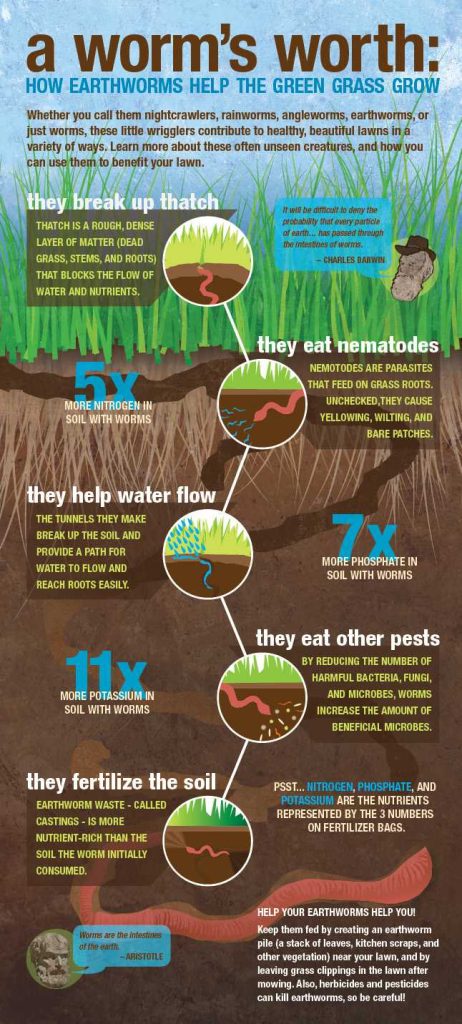
Earthworms play a crucial role in enhancing lawn soil health, making your garden thrive. They aerate the soil by burrowing through it, allowing water and nutrients to penetrate more effectively. This natural process improves drainage and helps prevent compaction, which can harm plant growth. Furthermore, as they consume organic matter, earthworms break it down into nutrient-rich castings that enrich the soil with essential minerals. This not only boosts the fertility of your lawn but also promotes beneficial microbial activity. So, if you’re looking to create a lush and vibrant lawn, encouraging earthworm populations is a simple yet effective solution. Let’s explore in detail how these little champions can transform your lawn into a green paradise.

How Earthworms Help Lawn Soil
Earthworms play an essential role in maintaining healthy lawn soil. These small creatures may not seem significant, but they have a vast impact on the soil ecosystem. By digging through the ground, they aerate the soil, improve its structure, and even help with nutrient cycling. Let’s dive deeper into how these fascinating organisms contribute to the health of our lawns.
The Role of Earthworms in Soil Aeration
One of the primary benefits of earthworms is their ability to aerate the soil. As they burrow through the ground, they create small tunnels. These tunnels allow air to circulate, which is vital for plant roots.
– **Improved Airflow:** Proper airflow ensures that plants can breathe and take in oxygen. This is crucial for root development.
– **Water Drainage:** Well-aerated soil drains better, preventing water from pooling on the surface. This is important for avoiding root rot.
Additionally, the tunnels created by earthworms help rainwater infiltrate the soil. This gives grass and plants access to the moisture they need to thrive.
Enhancing Soil Structure
Earthworms contribute to the overall structure of the soil. Their movements mix different layers of soil, promoting a healthy balance of particles.
– **Soil Aggregation:** Earthworm activity leads to the formation of soil aggregates. These clumps improve the soil’s ability to retain moisture and nutrients.
– **Reduced Compaction:** With regular earthworm activity, soil compaction decreases. This allows roots to penetrate more easily, making it easier for plants to establish themselves.
Soil structure is essential for growing grass and other plants, as it affects how water and nutrients reach the roots.
Nutrient Cycling and Plant Food
Earthworms are instrumental in the process of nutrient cycling. They consume organic matter such as decaying leaves and grass clippings. As they digest this material, they break it down into smaller particles.
– **Castings:** The excrement of earthworms, known as castings, is rich in nutrients. These castings contain nitrogen, phosphorus, and potassium, which are essential for plant growth.
– **Microbial Activity:** Earthworm castings enhance microbial activity in the soil. Beneficial microbes help decompose organic matter and release nutrients, making them available for plants.
This natural fertilization process ensures that lawns receive the nutrients they need without the use of synthetic fertilizers.
Organic Matter Breakdown
Earthworms are nature’s recyclers. They help break down organic matter into simpler forms that plants can use.
– **Composting Function:** As earthworms consume and process organic material, they contribute to the composting process. This results in healthier soil.
– **Improved Soil Fertility:** The breakdown of organic material boosts soil fertility, promoting lush and vibrant lawns.
By transforming waste into valuable resources, earthworms help maintain a sustainable lawn ecosystem.
The Impact of Earthworms on Soil pH
Soil pH is an essential factor in lawn health. Earthworms can influence the pH levels in the soil, making it more suitable for grass growth.
– **Neutralization of Acidity:** Earthworm activity can help neutralize overly acidic soils. They achieve this by breaking down organic acids found in decomposing matter.
– **Balancing Nutrients:** By improving pH levels, earthworms facilitate nutrient availability. A balanced pH means that plants can absorb nutrients more efficiently.
Healthy soil pH allows for optimal growth conditions for grass and other plants.
Earthworms and Soil Moisture Retention
Another benefit of earthworms is their contribution to soil moisture retention. Their tunneling creates spaces that help hold moisture within the soil.
– **Water Absorption:** Moisture can seep into the soil more effectively when earthworms are present. This means less watering for homeowners.
– **Drought Resistance:** Lawns with healthy earthworm populations are more resilient during dry spells. The improved moisture retention allows grass to survive longer periods without rain.
This natural water conservation through earthworm activity is a boon for both the environment and garden care.
Encouraging Earthworm Populations in Your Lawn
If you want to harness the benefits of earthworms in your lawn, there are several approaches to encourage their populations.
– **Minimize Soil Disturbance:** Avoid tilling your lawn excessively. Tilling disrupts earthworm habitats, making it harder for them to thrive.
– **Add Organic Matter:** Regularly add organic matter like compost or leaf mulch to your lawn. This provides food for earthworms and promotes their reproduction.
By following these simple steps, you can create a welcoming environment for earthworms, leading to healthier soil and lawn.
Common Types of Earthworms
There are various species of earthworms, and each plays its role in soil health.
– **European Nightcrawler:** Ideal for composting, they are excellent at breaking down organic matter.
– **Red Wiggler:** Known for their ability to consume large amounts of waste, making them perfect for vermicomposting.
Understanding these species can help you appreciate the diversity within the earthworm community and its overall impact on your lawn.
Significance of Earthworms in the Ecosystem
Beyond lawns, earthworms play a crucial role in the broader ecosystem. Here are some key points regarding their importance:
– **Biodiversity Support:** Earthworms support a range of plants, which in turn provides habitats for various wildlife.
– **Soil Erosion Prevention:** Their burrowing helps bind soil particles together, reducing soil erosion during heavy rains.
By maintaining healthy earthworm populations, we ensure the preservation of both our lawns and the environment.
The Future of Earthworms and Lawn Care
As more people turn to sustainable lawn care practices, the focus on earthworms will likely grow. Encouraging their presence not only benefits individual lawns but also contributes to broader ecological health.
– **Integrative Lawn Management:** Homeowners are increasingly adopting holistic approaches that include earthworms in their lawn care routines.
– **Educational Awareness:** Teaching others about the significance of earthworms fosters a greater appreciation for nature and sustainability.
Embracing earthworms in lawn care is a step towards a healthier planet.
In summary, earthworms are invaluable to lawn soil health. Their activities improve aeration, soil structure, nutrient availability, and more. By fostering earthworm populations, homeowners can enjoy lush, vibrant lawns while contributing to ecological balance. Overall, recognizing the role of earthworms is vital for achieving sustainable lawn maintenance.
This is What Happens When You Put Earthworm in Your garden soil
Frequently Asked Questions
What role do earthworms play in soil aeration?
Earthworms enhance soil aeration by burrowing through the ground, which creates channels. These channels allow air, water, and nutrients to reach plant roots more efficiently. This process improves overall soil structure, making it easier for roots to grow and access the resources they need.
How do earthworms contribute to nutrient cycling in lawn soil?
Earthworms help recycle nutrients by breaking down organic matter, such as fallen leaves and grass clippings. As they consume this material, they digest it and excrete nutrient-rich castings. These castings serve as a natural fertilizer, enriching the soil with essential nutrients and promoting healthy lawn growth.
What effect do earthworms have on soil pH levels?
Earthworms can influence soil pH levels by processing organic matter and releasing various compounds during digestion. Their castings often contain calcium carbonate, which can help neutralize acidic soils. This action creates a more balanced environment for grass and other plants, promoting healthier growth.
How do earthworms impact water retention in lawn soil?
Earthworms significantly improve water retention in soil by creating intricate burrow systems. These tunnels allow rainwater and irrigation to penetrate deeper into the ground, reducing runoff and promoting moisture retention. As a result, lawns require less frequent watering and can better withstand dry periods.
Can earthworms help in controlling soil compaction?
Yes, earthworms play an essential role in reducing soil compaction. Their constant movement through the soil helps break up dense layers. This action improves soil texture and creates more space for air and water, making it easier for grass and other plants to thrive.
Final Thoughts
Earthworms play a crucial role in enhancing lawn soil health. They aerate the soil, promoting better root growth and enabling water and nutrients to reach plant roots more effectively. Their natural composting abilities enrich the soil, improving its structure and fertility. Overall, understanding how earthworms help lawn soil allows homeowners to appreciate the benefits of these simple yet vital creatures for a vibrant and healthy lawn.