If you've ever walked a construction site and wondered why the first thing that happens is an all-out assault on every tree, bush, and root in sight? That's clearing and grubbing, and it's one of those steps that looks messy and simple until you realize how much can go wrong if it's not done right.
Clearing and grubbing is the process of removing all vegetation, roots, stumps, and organic debris from a site before any real building or grading work begins. Get this step wrong and you're looking at unstable ground, moisture problems, and even regulatory fines down the road. As of 2026, industry cost data pegs land clearing between $1,500 and $15,000 per acre depending on timber density, and that range jumps fast when you factor in steep terrain or wetland buffers.
Let's break down exactly what's happening out there, phase by phase, so you can tell the difference between a site that's truly prepped and one that's just been skimmed over.
Quick Answer
Clearing is the removal of all above-ground vegetation, including trees, brush, and grass. Grubbing is the removal of everything below the surface, such as stumps, roots, and organic topsoil. Together, they create a stable, clean base for construction by eliminating material that would decompose, settle, or interfere with foundations.
Most specs require grubbing to a depth of 6 to 12 inches below the surface.
What Clearing and Grubbing Actually Means (and Why Builders Get It Wrong)
The biggest misconception is that clearing and grubbing are the same thing. They're not. They're two distinct phases of site preparation, and each one has its own set of challenges, equipment, and inspection points.
Clearing tackles what you can see. Think trees, shrubs, brush, and any surface vegetation standing on the lot. The goal is to get everything above ground removed so you can see what you're working with.
G grubbing is what happens after. That's when crews pull out stumps, root systems, and layers of organic soil. Here's why that distinction matters.
If you only clear and skip grubbing, you're leaving material underground that will decompose over time. That decomposition creates voids, settlement, and unstable soil. You'd be surprised how many budget-conscious projects try to shortcut this phase and end up paying for it later through uneven foundations and drainage problems.
The U.S. Army Corps of Engineers and local building departments typically define the scope of both phases in their grading specifications. Clearing is usually measured by the area disturbed, while grubbing is defined by the depth to which organic material must be removed.
A grading plan from a licensed civil engineer will show exactly where the construction limit line falls, and that line dictates how far both phases extend.
Why You Can't Skip This Before Construction Starts
Picture pouring a concrete slab directly over a mat of buried roots and stumps. At first it looks fine. Then, months later, the organic material breaks down, the ground settles unevenly, and cracks spiderweb through your foundation.
That's the nightmare scenario that clearing and grubbing prevents.
Beyond structural stability, there are drainage concerns. Roots and organic debris create unpredictable moisture paths through the soil. When you remove them, you create a uniform substrate that responds predictably to compaction and grading efforts.
There's also the pest angle. Buried stumps and brush piles attract termites and other insects. For residential and commercial buildings, that's a long-term risk nobody wants.
And don't overlook the regulatory side. Failing to properly clear and grub can violate stormwater permits or trigger erosion control violations. In states with strict wetland protections, like Florida or Louisiana clearing can halt a project entirely and lead to fines.
The Two Distinct Phases: Clearing vs. Grubbing
Understanding the difference between these two phases is the single most important thing you can take away from this article. Each phase uses different tools, follows different specs, and addresses different problems.
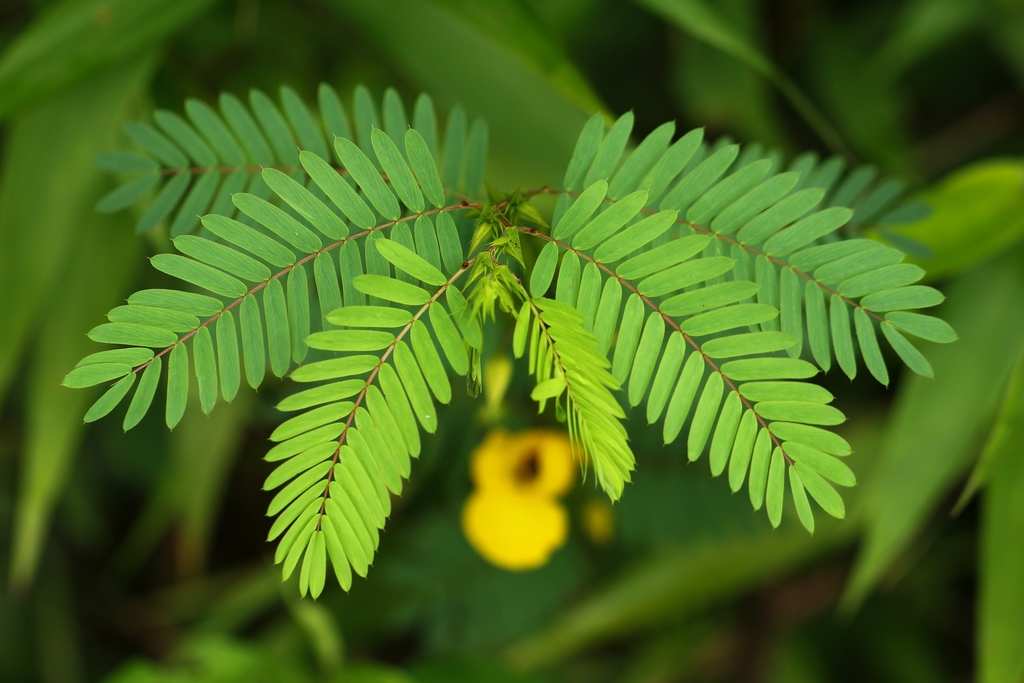
Image source: iNaturalist / William J. Deml (CC BY)
What Happens During Clearing
Clearing focuses on everything above the ground surface. Crews cut down trees, remove brush and shrubs, and strip away grass and surface vegetation. The resulting debris is either hauled off-site, mulched in place, or burned where local ordinances allow it.
The scope of clearing depends on the site. A half-acre residential lot with a few trees is straightforward. A ten-acre commercial pad with heavy timber and thick underbrush is a different animal entirely.
In heavy timber regions like the Pacific Northwest, crews might deal with old-growth stumps three or more feet in diameter. That changes the equipment list and the timeline significantly.
A typical clearing operation also identifies and protects trees that are meant to stay. Arborists or surveyors flag boundary trees, heritage specimens, or buffer zone plantings before any cutting begins. Get this wrong and you might be replacing a mature oak or facing a fine from the local tree preservation board.
What Happens During Grubbing
Once the surface is clean, grubbing goes underground. This is where crews excavate stumps, pull root balls, and strip away organic topsoil. Most specs call for grubbing to a depth of 6 to 12 inches below the finished subgrade level, though this varies based on soil reports and the intended structure.
Grubbing is the unglamorous part of site prep. It's slower, messier, and harder to inspect visually. That's exactly why it gets skipped or half-done on budget jobs.
But the consequences show up fast. Even a few large stumps left in place can cause localized settling that throws off slab elevations and utility trenches.
After grubbing, the exposed soil gets rough-graded and compacted before the next phase of construction begins. This is also when voids from removed stumps get backfilled with structural fill and compacted in lifts to match the surrounding soil density.
The Equipment You'd Actually See on Site
The machinery on a clearing and grubbing job tells you a lot about the scope of work. Light jobs might only need a skid steer and a dump tract. Heavy operations bring in a small fleet.
Here's a quick rundown of what you'd typically see:
- Bulldozer (with root rake): The workhorse for pushing over trees, piling brush, and extracting larger root systems. The root rake attachment lets the operator peel stumps and roots from the soil without moving excessive dirt.
- Excavator (long-reach): Ideal for pulling stumps in tight or sensitive areas where you can't drive a dozer. The long reach lets operators extract root balls without maneuvering over wet or protected ground.
- Forestry mulcher: Mounted on a boom or skid steer, this piece grinds trees and brush into mulch right where they stand. It's efficient for selective clearing and reduces hauling costs.
- Stump grinder: A that chews stumps down below grade after they been excavated. Common on residential jobs where a dozer would cause too much disturbance.
- Dump trucks and trailers: For hauling away green waste, stumps, and organic debris. Some sites process debris on-site and only export clean fill, which cuts disposal costs.
- Tractor with box blade: Used in the final stages for rough grading after grubbing is complete. It levels out the exposed soil and prepares it for compaction.
The choice of equipment depends on the terrain, the density of vegetation, the proximity of protected areas, and the overall project budget. A cramped urban inflex site might rely almost entirely on a compact excavator, while a sprawling solar farm could deploy multiple dozers and mulchers simultaneously.
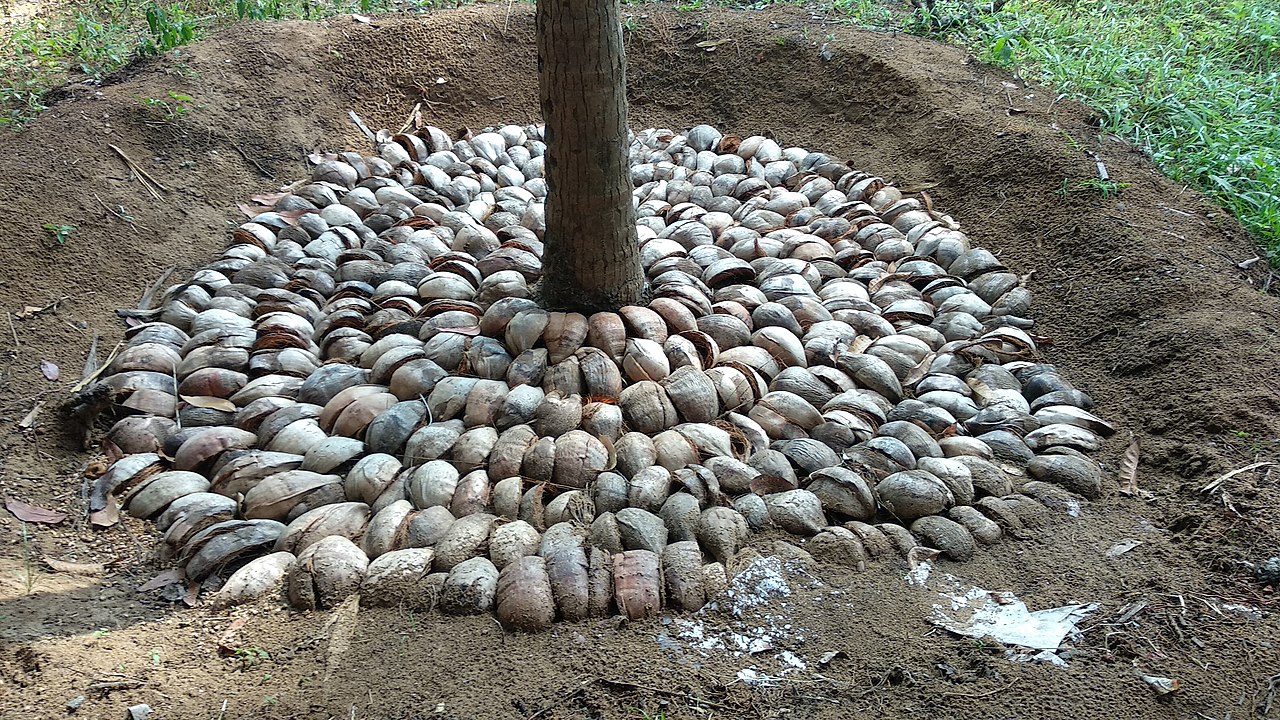
Image source: Wikimedia Commons / Vijayanrajapuram (CC BY-SA)
How to Tell If a Site Has Been Properly Cleared and Grubbed
Knowing what to look for separates an informed buyer or project manager from someone who just takes the contractor's word for it. There are clear visual and physical indicators that tell you whether the job was done thoroughly or rushed.
Green Flags (Done Right)
A properly cleared and grubbed site has a few telltale characteristics. First, the surface is uniform. You shouldn't see stumps poking through, patches of undisturbed brush, or mounds of buried root balls just under the topsoil.
The soil itself should look consistent in color and texture across the entire disturbed area.
Second, grading looks intentional. Even at the rough grade stage, the site should slope away from where structures will sit. If water pools in random spots, someone might have missed voids from removed stumps.
Third, erosion controls are in place. Silt fence, stabilized construction entrances, and temporary seeding on stockpiles all signal that the team is thinking ahead. These should be installed before or immediately after grubbing, not weeks later.
Red Flags (Cut Corners)
Watch for partial stumps left just below the surface. They often show up as soft spots when heavy equipment crosses the site or as sunken patches months after grass takes hold. Sawdust piles mixed into the soil are another giveaway.
They mean stumps were cut but not extracted.
Buried root mats are harder to spot but just as problematic. They sometimes resurface through paved areas years later as organic material decomposes and leaves voids. If the site smells earthy or feels spongy underfoot, that's a red flag.
Debris mixed into fill is another common shortcut. Road base, gravel, or structural fill contaminated with wood chips or sod creates inconsistent compaction. That leads to differential settlement under slabs and footings.
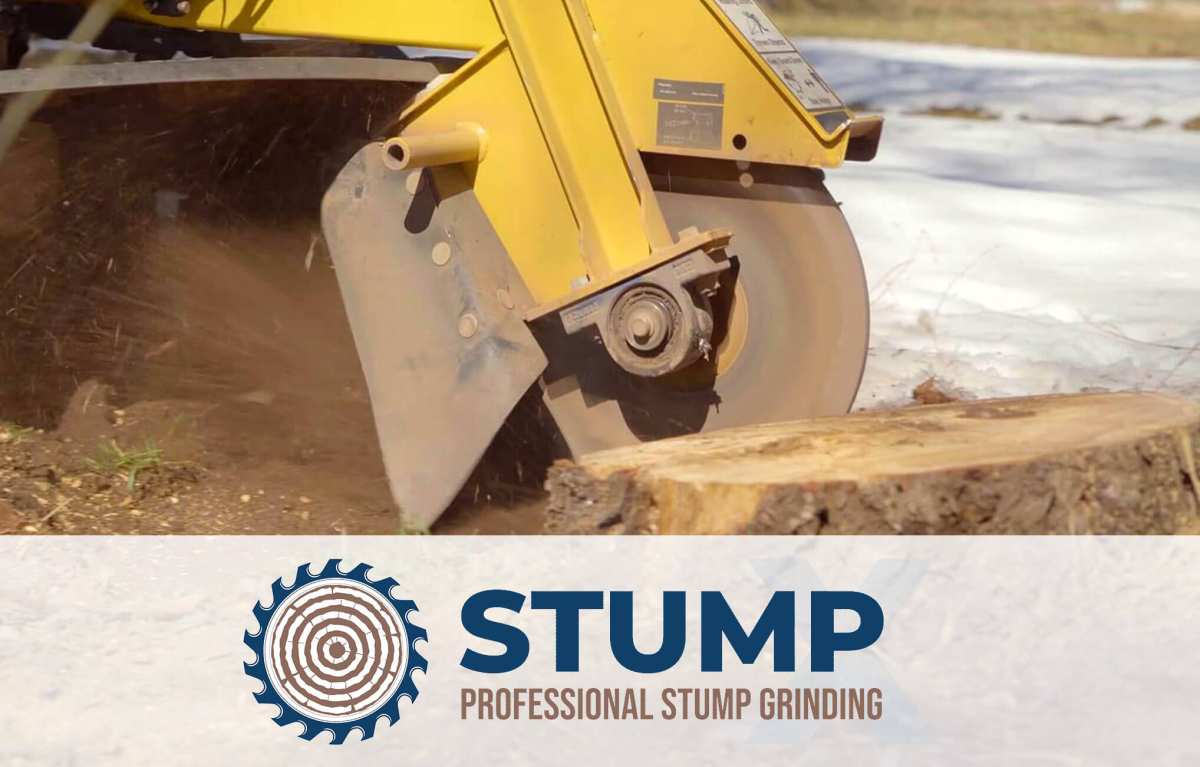
Image source: Bing (Web (fair-use with source credit))
Typical Sequence on a Real Jobsite
Understanding the order of operations helps you plan timelines and inspections correctly. Every site is different, but the backbone sequence stays largely the same.
- Pre-construction walkthrough. The contractor, engineer, and environmental consultant review the site together. They mark clearing limits, flag trees to remain, and note any sensitive areas.
- Install erosion control measures. Silt fence, sediment basins, and construction entrances go in before any soil is disturbed. This is often a permit requirement (more on that later).
- Clear vegetation. Trees come down first, then brush and surface vegetation. Debris is either stockpiled, mulched, or hauled off-site.
- Stump removal. Larger stumps get pulled with a dozer or excavator. Smaller ones may be ground down if extraction would cause too much disturbance.
- Excavate root zones and organics. This is the grubbing phase. Crews dig out root balls and strip the organic topsoil layer down to clean mineral soil.
- Backfill and rough grade. Voids from removed stumps get filled with compacted structural soil. The site gets rough-graded to match the drainage plan.
- Compact and test. The exposed subgrade gets compacted to spec, usually 95% Standard Proctor density per ASTM D698. Nuclear density gauges verify results before the next phase starts.
Skipping steps or doing them out of order is where problems start. For instance, clearing before installing erosion controls can trigger sediment runoff violations after the first rain event.
Regional Differences in Clearing and Grubbing
The fundamentals of clearing and grubbing don't change, but the execution varies wildly depending on where you're building. Vegetation type, soil composition, and local regulations all shape how crews approach the work.
What Changes in Wetlands-Rich Areas
In states like Louisiana, Florida, and parts of the coastal Carolinas, wetland delineation comes before anything else. You need a surveyed boundary showing where jurisdictional wetlands begin, and you cannot clear or grub within those limits without a Section 404 permit from the U.S. Army Corps of Engineers.
Sites with high water tables present another challenge. Excavators sink, dozers bog down, and standard compaction methods don't work. Crews often have to dewater the site first or wait for drier seasons.
That can add weeks to a schedule.
Protected species surveys may also be required. Gopher tortoise burrows in the Southeast or nesting birds in riparian zones can shut down operations on short notice.
What Changes in Rocky or Clay-Heavy Soil
The Texas Hill Country, parts of Appalachia, and stretches of the Mountain West combine heavy root systems with rocky or tightly packed clay soil. Extracting stumps here is slow and expensive. Excavators spend more time than expected just breaking root balls free from compacted ground.
In clay-heavy regions, grubbing exposes soil that shrinks and swells with moisture changes. That means backfill material and compaction protocols need to be tighter than usual. Over-excavation and replacement with select structural fill is common.
Why Visual and Physical Indicators Matter Here
Rocky sites test whether grubbing actually reached the specified depth. It's easy to claim twelve inches of removal when half of that depth is large rocks with limited organic material beneath them. Having a clear spec and measuring true organics-free depth during inspection prevents that issue.
Permits, Regulations, and Compliance You Should Know
Clearing and grubbing aren't just physical work. They come with a paper trail, and failing to dot your i's can cost you time and money.
The big one is the NPDES (National Pollutant Discharge Elimination System) stormwater permit. Under the Clean Water Act, any construction site disturbing one acre or more needs coverage. That permit requires a Stormwater Pollution Prevention Plan, or SWPPP, which spells out how you'll control erosion and sediment during every phase of work.
Clearing and grubbing are usually the first activities the SWPPP covers.
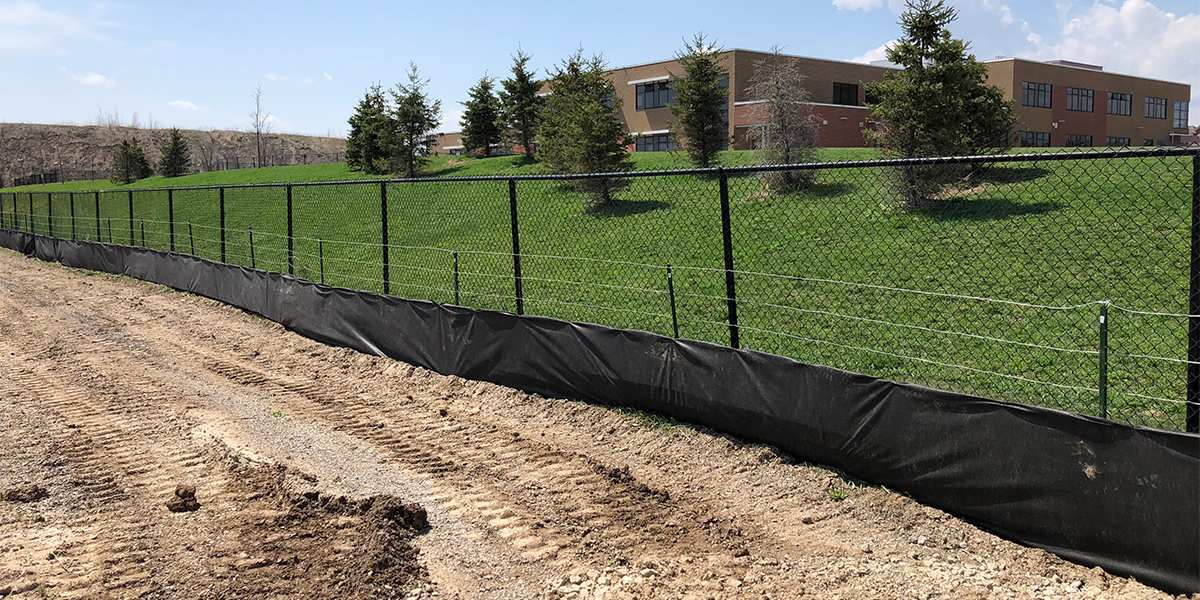
Image source: Bing (Web (fair-use with source credit))
Beyond the federal level, local municipalities often have their own clearing permits, tree ordinances, and buffer requirements. Austin, Texas, for instance, has strict tree preservation rules that limit which trees can be removed and require replacement planting for protected species. California's CEQA process can trigger environmental review even for modest clearing if sensitive habitat is involved.
Utility locating is another non-negotiable step. Before any grubbing starts, someone needs to call 811 and have underground utilities marked. Striking a gas line during stump extraction is a scenario nobody wants to experience.
The locator marks are typically valid for 30 days, so schedule grubbing work accordingly.
OSHA trenching standards also kick in once grubbing crosses into excavation depth. If holes from removed stumps exceed four feet in depth, anyone entering needs proper shoring or sloping. That's an easy compliance miss on a busy job site.
Real Costs and What Drives Them Up
Clearing and grubbing costs are typically bid as a lump sum or per-acre line item in site work estimates. Light clearing on open land might run $1,500 to $3,000 per acre. Heavy timber in difficult terrain can push past $15,000 per acre.
Grubbing is often bundled with clearing in a single bid, but it can be broken out separately on larger projects.
Here are the main cost drivers:
- Vegetation density: More trees and thicker brush mean more time, more equipment, and more debris to process.
- Stump size and count: Mature tree stumps with large root systems take longer to extract than small saplings. Contractors often count stumps over six inches in diameter as a separate cost category.
- Haul distance: Getting debris off-site costs money. If the nearest disposal facility is 30 miles away, trucking costs eat into the budget fast. On-site mulching helps here.
- Soil conditions: Rocky or wet ground slows every operation. Excavators work slower, trucks get stuck, and dewatering becomes a separate line item.
- Erosion control scope: More sensitive sites with nearby waterways or steep slopes require more extensive silt fence, sediment basins, and inspection schedules.
- Permitting complexity: Wetlands, protected species, or stringent local ordinances add consultant fees and review timelines.
One cost that catches people off guard is debris disposal tipping fees. Green waste facilities charge by the ton, and a heavily wooded acre can generate 50 tons or more of brush and stumps. Confirming disposal rates before the bid goes out will save unpleasant surprises later.
Common Mistakes That Come Back to Haunt You
The most frequent mistake isn't skipping clearing and grubbing entirely. It's doing a half-hearted job. Leaving stumps just below grade, burying root debris in fill, or clearing outside the permitted boundary all fall into this category.
Another common error is ignoring weather windows. Clearing during wet season without proper compaction planning turns the site into a muddy mess that adds dewatering costs and delays.
Missing the permit sequence is a close third. Grubbing before the SWPPP is approved or before erosion controls are installed can trigger stop-work orders and EPA scrutiny. It happens more often than anyone admits.
Expert Tips Contractors Wish They'd Known Sooner
Get a geotechnical engineer to evaluate exposed subgrade before calling grubbing complete. What looks like clean soil might still have pockets of organic material that need stripping.
Document everything with dated photos. When a dispute arises over whether grubbing reached the proper depth, a photo record from the day of work is worth more than any after-the-factor testimony.
Communicate early with your disposal facility about accepted materials. Some green waste sites reject stumps over a certain diameter or contaminated soil. Knowing the rules ahead of time avoids rejected loads and extra fees.
Finally, build a two-day weather buffer into your clearing and grubbing schedule. Rain delays are almost guaranteed and showing up to schedule costs less than paying standby rates for idle crews.
Frequently Asked Questions
Is clearing the same as grubbing?
No. Clearing removes all above-ground vegetation. Grubbing removes stumps, roots, and organic soil below the surface.
Most projects require both before grading or foundation work begins.
How deep does grubbing need to go?
Most specifications require grubbing to a depth of 6 to 12 inches below the finished subgrade. The exact depth depends on the site's soil report and the type of structure being built. A civil engineer's grading plan will state the required depth for your specific project.
How long does clearing and grubbing take?
A small, open lot might take one to three days. A heavily wooded multi-acre site can take two to four weeks, especially if rock, wet ground, or permit delays are involved. Scheduling utility locates and erosion control installation ahead of time keeps things moving.
Can I do clearing and grubbing myself?
For a small residential lot with light vegetation, yes, with the right equipment and safety precautions. However, anything over an acre usually requires a licensed contractor due to permit requirements, erosion control obligations, and the cost of heavy equipment.
Do I need a permit for clearing and grubbing?
In most U.S. jurisdictions, sites disturbing one acre or more need NPDES stormwater permit coverage. Many municipalities also require local clearing permits. Always check with your local building department before starting any work.