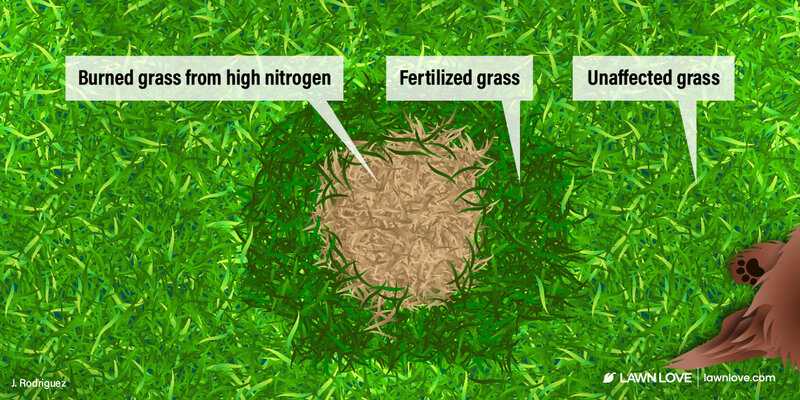
If you’re a dog owner, you know how frustrating it can be to deal with brown patches on your lawn caused by your furry friend’s urine. Fortunately, there are ways to prevent dog pee damage on grass. One quick solution is to promptly water the area after your dog has done their business, diluting the nitrogen concentration and minimizing harm to the grass. Additionally, consider training your dog to use specific areas for potty breaks, or introducing supplements that can alter the pH of their urine. By taking these simple steps, you can keep your lawn looking lush and green while still enjoying the company of your pet. Let’s dive into more tips and tricks to safeguard your grass from dog urine.

“`html
How To Prevent Dog Pee Damage On Grass
When it comes to keeping your lawn healthy while caring for your dog, knowing how to prevent dog pee damage on grass is essential. Dog urine is high in nitrogen, which, when concentrated, can create a problem for your grass. However, with the right strategies, you can maintain a beautiful yard and ensure your furry friend is happy. Here, we’ll explore various methods to tackle this issue effectively.
Understanding Dog Urine and Grass Damage
Dog urine contains urea, a compound that breaks down into nitrogen. While nitrogen is vital for plant health, too much of it can lead to unsightly brown patches on your lawn. In small amounts, it can nourish your grass, but excessive exposure can cause it to burn.
To better grasp this impact, consider the following:
- High concentrations of nitrogen can lead to “burn” spots.
- Different grass types react differently to urine.
- Hydration plays a key role in how urine affects grass.
Understanding these facts is crucial for developing an effective prevention strategy.
Selecting the Right Grass Type
Some grass varieties are more resistant to dog urine damage than others. Choosing the right type of grass can make a significant difference in how your lawn reacts.
Best Grass Types for Dog Owners
Here are grass types commonly recommended for dog owners:
- Perennial Ryegrass: Known for its resilience and quick recovery.
- Bermudagrass: Thrives in sunny climates and grows quickly.
- Fescue: Offers good drought resistance and holds up well to foot traffic.
If you’re considering re-sodding or seeding your lawn, pick one of these options for better durability.
Training Your Dog to Pee in Specific Areas
Another effective method to prevent damage is to train your dog to pee in designated areas. This strategy requires patience and consistency.
Establishing a Pee Zone
Here’s how to create a pee zone for your dog:
- Choose an area away from your primary lawn.
- Use positive reinforcement to encourage your dog to pee there.
- Consider using a specific surface, like gravel or mulch, to help distinguish this area.
Consistency in training will help your dog understand where it’s acceptable to go.
Watering Your Lawn
Regularly watering your lawn can significantly reduce the damaging effects of dog urine. When you dilute the urine quickly, it diminishes its concentration and reduces the risk of brown patches.
Tips for Effective Watering
Consider the following tips for watering:
- Water your lawn immediately after your dog pees.
- Choose early morning or late evening for watering to minimize evaporation.
- Use a sprinkler system on a timer for even distribution.
This approach helps keep your lawn healthy and lush.
Using Lawn Repair Products
Various products on the market can help repair and maintain your lawn after dog urine exposure. These solutions can promote recovery and health.
Recommended Lawn Repair Products
Look for products that include:
- Dog urine neutralizers: Help to balance nitrogen levels.
- Grass seed blends: Designed for quick recovery and resilience.
- Soil amendments: Improve soil health and support growth.
Using these products can give your lawn the boost it needs.
Maintaining a Healthy Lawn
A healthy lawn is more capable of withstanding damage. Regular maintenance can make a significant difference in your grass’s resilience to dog urine.
Routine Lawn Care Practices
Implement the following practices for lawn care:
- Mow regularly to encourage new growth.
- Fertilize your lawn at appropriate times to promote overall health.
- Aerate your lawn once a year to improve drainage and nutrient absorption.
Healthy grass can recover more quickly from minor damage.
Limitations on Dog’s Water Intake
Controlling your dog’s water intake can also help minimize urine concentration. However, it’s vital to approach this method responsibly.
How to Manage Water Intake
Here are some tips for managing water intake:
- Monitor your dog’s hydration levels, ensuring they remain healthy.
- Adjust feeding times to encourage bathroom breaks in specific areas.
- Consult with a vet before making any significant changes to your dog’s water consumption.
Always prioritize your dog’s health when considering this option.
Creating a Visual Cue
Dogs thrive on consistency and can benefit from visual cues. Training them to use certain areas can help prevent damage to your grass.
Setting Up Visual Cues
To create effective cues:
- Use flags or cones to create boundaries for them to recognize.
- Designate a pathway leading to the pee zone to encourage usage.
- Reward your dog for using the correct area with treats or praise.
Visual cues can reinforce their training and help them remember where to go.
Adopting a Potty Schedule
Developing a potty schedule can help you manage when and where your dog goes. This system can minimize accidents on your grass.
How to Create a Potty Schedule
Follow these steps to make an effective schedule:
- Take your dog out at the same times each day.
- Observe your dog’s habits for optimal timing.
- Ensure there’s a consistent routine, which helps establish good habits.
A schedule can provide structure and reduce potential damage.
Using Natural Remedies
Several natural remedies can help neutralize the effects of dog urine on your grass. These solutions often use common household items.
Popular Natural Remedies
Consider the following natural remedies:
- White vinegar: Mix with water and spray on affected areas.
- Baking soda: Sprinkle on brown patches to help neutralize odor.
- Corn gluten meal: Acts as a natural pre-emergent fertilizer to promote grass health.
These remedies can be an eco-friendly option for lawn maintenance.
Consulting Lawn Professionals
If you’re struggling to manage dog urine damage, don’t hesitate to consult professionals. Lawn care experts can offer tailored solutions.
Benefits of Professional Lawn Care
Here are some benefits to consider:
- Access to specialized knowledge about lawn care.
- Customized treatment plans to address specific issues.
- Ongoing maintenance options to keep your lawn healthy long-term.
Professional assistance can save you time and effort while ensuring your lawn stays in top shape.
By following the strategies outlined above, you can minimize dog pee damage on your grass and enjoy a thriving lawn. It’s all about making mindful choices and staying consistent in your efforts to maintain a beautiful yard while caring for your dog. Remember, with the right approach, you can achieve a balance between a lush lawn and a happy pet.
“`
How to stop the dog pee from ruining your lawn
Frequently Asked Questions
“`html
What are the signs of dog pee damage on grass?
Dog pee damage typically manifests as brown patches or dead spots on the grass. The areas may look dry and scorched, especially if the dog frequently pees in the same spot. Additionally, you might notice a difference in texture or color compared to the surrounding grass, which remains healthy and vibrant.
How can I train my dog to pee in a designated area?
To train your dog to pee in a specific area, establish a routine by taking them to the designated spot consistently. Use commands like “go potty” and reward them immediately after they pee in the correct location. Gradually encourage them to use this area by leading them there after meals, playtime, or naps.
Are there specific types of grass that are more resistant to dog urine?
Yes, some grass types are more resilient to dog urine than others. For instance, fescue and Kentucky bluegrass tend to hold up better against urine’s nitrogen content. Consider these varieties for areas where your dog often relieves itself to minimize damage.
Can I use products to neutralize dog urine on grass?
Yes, there are several products available that can help neutralize the effects of dog urine on grass. Look for enzyme-based cleaners specifically designed to break down urine components. These products can help restore the grass’s health by mitigating the damage caused by dog pee.
What role does watering play in preventing grass damage from dog urine?
Watering the grass plays a crucial role in preventing damage from dog urine. When you dilute the urine with water immediately after your dog pees, it helps disperse the nitrogen and salt concentration, reducing the likelihood of brown patches. Regularly watering the area can also promote grass recovery.
“`
Final Thoughts
To prevent dog pee damage on grass, ensure you establish designated potty areas in your yard. Training your dog to use these spots can significantly reduce harm to your lawn.
Regularly watering the affected areas dilutes the urine and minimizes discoloration. Additionally, consider using products designed to neutralize urine odors and promote grass recovery.
Consistent observation helps you identify any issues early and take action. By following these steps, you can effectively manage and mitigate dog pee damage on grass.