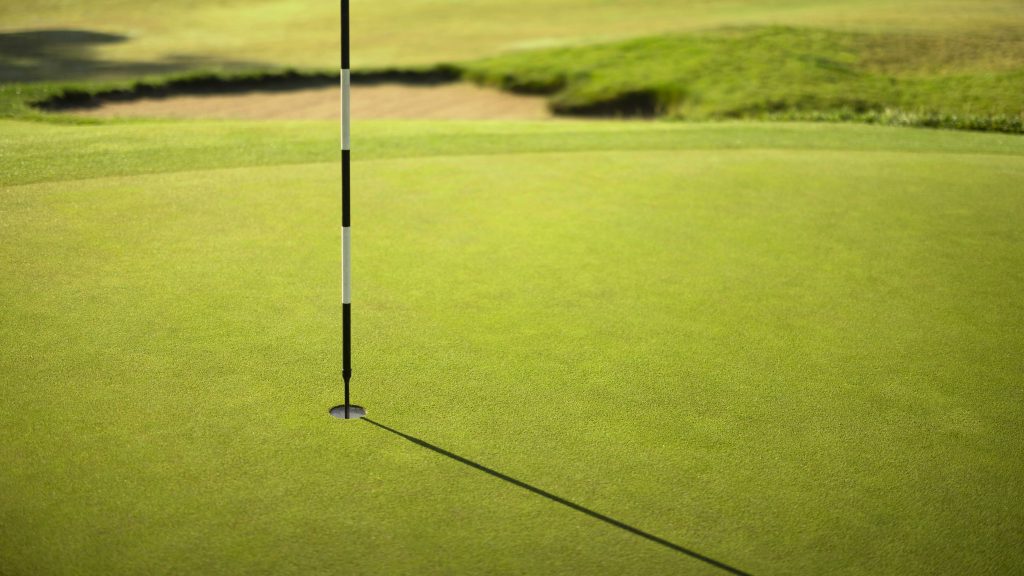
Bentgrass is a popular type of turfgrass used on golf course greens, known for its fine texture and ability to create a smooth, fast putting surface. It’s prized for its resilience in cooler climates and its excellent ability to be mowed very short, making it ideal for putting greens. If you’re wondering what exactly bentgrass is in golf, it’s essentially a delicate, dense grass that provides the perfect carpet-like surface for precision putting and play.
In brief, bentgrass is a high-maintenance but highly prized turfgrass used mainly on greens and tees. Its fine blades and ability to withstand frequent mowing make it a favorite among golf course superintendents who aim for pristine, fast greens that challenge players and enhance their game.
You might think all greens are the same, but bentgrass is a game-changer thanks to its unique characteristics. It thrives in cooler temperatures, offering a velvety, smooth surface that helps golfers judge their shots better. However, maintaining bentgrass requires careful attention to watering, fertilization, and mowing practices, making it more suitable for experienced turf managers. Whether you’re a golfer curious about course conditions or a greenkeeper seeking to understand different turf species, knowing about bentgrass helps appreciate why some greens are so exceptional.

What is Bentgrass in Golf
Bengrass is a popular type of turfgrass used mainly on golf courses. It is known for its fine texture and smooth playing surface, making it ideal for putting greens and fairways. Golfers and course managers choose bentgrass because of its ability to create a lush, consistent, and high-quality playing area.
Understanding Bentgrass: The Basics
Bengrass is a cool-season grass, meaning it thrives in cooler temperatures. It belongs to the *Agrostis* family, which includes several grass species used for turfgrass. The most common variety in golf is *Agrostis stolonifera*, also called creeping bentgrass.
This grass grows through *cloning* and *spreading* via stolons—above-ground runners that stretch across the soil surface. This spreading ability helps bentgrass recover quickly from damage and fill in gaps.
Because it has a *fine texture*, bentgrass creates a smooth, dense surface that is perfect for putting greens. Its dense growth provides minimal interference with the ball’s roll, resulting in accurate and consistent putting strokes.
Characteristics of Bentgrass in Golf
Fine Texture and Density
Bengrass is prized for its *fine leaf texture*. This fine texture allows for a *smooth and even* putting surface, which is vital for competitive golf. Its dense growth pattern minimizes ball bounce and promotes true roll.
Color and Appearance
Bengrass has a *bright green color* that remains vibrant during the growing season. Its appearance contributes to the overall beauty of golf course landscapes, especially on the greens where visual appeal matters.
Growth Habit and Maintenance
The grass has a *rapid growth rate* in ideal conditions, requiring regular mowing to keep it at the desired height. It prefers *well-drained soils* with a consistent water supply.
Regular aeration and topdressing help maintain its health and density. Proper fertilization is also crucial to keep bentgrass lush and resilient.
Why Do Golf Courses Use Bentgrass?
Golf courses favor bentgrass because of its *elite playing qualities*. It produces a *super smooth surface*, which improves putting accuracy and consistency.
Its *ability to recover quickly* from damage helps maintain high standards with less downtime. It also tolerates *heavy foot traffic* better than some other turfgrasses, making it ideal for active golf courses.
Moreover, bentgrass can be kept at *extremely low heights* without damage, creating the perfect putting surface.
Types of Bentgrass Used in Golf
Creeping Bentgrass (Agrostis stolonifera)
This is the most widely used type in golf. It has *vigorous spreading* via stolons and adapts well to a variety of soil types. Creeping bentgrass is favored for its *fine texture* and *top-quality* putting surface.
Colonial Bentgrass (Agrostis capillaris)
This type is less common but is sometimes used in specific regions. It has a *coarser texture* and is more *tolerant to warmer conditions*, but it does not produce as smooth a surface as creeping bentgrass.
Growing Conditions for Bentgrass
Climate Requirements
Bengrass flourishes in *temperate climates* with cooler summers. It does not tolerate *high heat* or *drought* conditions well, which can lead to stress and damage.
It prefers *air temperatures* between *60 to 75 degrees Fahrenheit*. In warmer climates, it may need *shade* or *special maintenance* to thrive.
Soil Preferences
Bengrass prefers *well-drained soils* with a *pH between 6.0 and 7.0*. Soil *fertility* and *texture* influence its growth, so proper soil management benefits its health.
It responds well to *regular aeration* to prevent compaction and improve water movement.
Maintenance of Bentgrass on Golf Courses
Mowing Practices
Maintaining a *low mowing height* of about *0.1 to 0.2 inches* is essential for a smooth putting surface. Regular mowing prevents thatch buildup and promotes dense growth.
Watering and Irrigation
Consistent watering helps maintain *healthy growth* and *green color*. Overwatering can lead to disease, while underwatering causes stress.
Golf courses often use *drip* or *sprinkler systems* to ensure even moisture distribution.
Fertilization
Bengrass requires *regular fertilization* with nitrogen for vigorous growth. Proper nutrient management supports its fine texture and density.
Applying *slow-release fertilizers* reduces the risk of disease and promotes steady growth.
Pest and Disease Control
Common issues include *fungal diseases* like dollar spot and brown patch. Maintaining proper moisture levels and aeration helps prevent these problems.
Implementing an integrated pest management plan ensures healthy turf and minimizes chemical use.
Challenges Faced in Growing Bentgrass
Heat Stress
High temperatures can cause *wilting* and *dead patches*. Shading and proper watering are necessary to manage heat stress.
Weed Invasions
Weeds like *dallisgrass* or *crabgrass* can invade bentgrass areas. Regular monitoring and targeted herbicide application help control these weeds.
Environmental Stresses
Extreme weather events such as *frost* or *heavy rain* can damage bentgrass turf. Proper drainage and suitable use of covers can mitigate these issues.
Bengrass plays a vital role in golf course design, particularly for greens and fairways. Its fine texture, rapid recovery, and adaptability make it the top choice for high-quality playing surfaces. However, maintaining bentgrass requires careful management of temperature, soil, and moisture conditions. With proper care and maintenance, bentgrass provides the smooth, resilient, and visually appealing surfaces that define exceptional golf courses. It continues to be a favorite among course superintendents striving to deliver the best possible golfing experience for players of all levels.
Beginners Guide to Golf Course Grass (Bermuda, Bent Grass, Po Annua & More)
Frequently Asked Questions
What are the key characteristics that differentiate bentgrass from other turfgrasses used in golf courses?
Bentgrass is known for its fine texture, dense growth habit, and ability to provide a smooth playing surface. Unlike some other turfgrass types, it tolerates close mowing, which results in a very flat, uniform putting surface. Its quick recovery from damage and adaptability to cooler climates make it a preferred choice for golf course greens and fairways.
How does bentgrass perform in different weather conditions, particularly in cooler climates?
Bentgrass thrives in cooler temperatures due to its preference for temperate climates, making it ideal for northern golf courses. It remains resilient during the growing season, staying green and healthy even after periods of cooler weather. However, it can be susceptible to heat stress in hotter conditions, requiring proper management to maintain its quality.
What maintenance practices are essential for keeping bentgrass healthy on a golf course?
Maintaining bentgrass involves regular mowing at a low height to promote a smooth surface, consistent watering to keep the soil moist, and appropriate fertilization to support healthy growth. Aeration helps reduce soil compaction, while pest and disease control prevent damage. Additionally, overseeding and topdressing keep the turf dense and uniform, ensuring optimal playability.
What challenges do golf course managers face when cultivating bentgrass?
Golf course managers often encounter issues like disease outbreaks, thatch buildup, and stress from environmental conditions. Maintaining the delicate balance between watering, mowing, and fertilization can be challenging, especially in regions with variable weather. Proper cultural practices and timely interventions are necessary to keep bentgrass in top condition.
How does bentgrass contribute to the overall playability of a golf course?
Because it provides a smooth, firm, and fast putting surface, bentgrass enhances the quality of play. The fine texture allows players to assess their putts more accurately, and its dense growth reduces ball bounce and uneven rolls. These qualities make it a critical element in creating a consistent and enjoyable golf experience.
Final Thoughts
Bentgrass is a popular turfgrass used on golf courses, especially on greens and fairways. It thrives in cool, humid climates and provides a smooth, dense surface ideal for putting. Its fine texture allows for precise ball roll and quick putting speeds.
This grass type requires diligent maintenance, including frequent mowing and proper irrigation. Its ability to recover quickly from divots makes it a favorite among golfers and course managers alike.
In conclusion, what is bentgrass in golf? It is a high-quality turfgrass that enhances playability and aesthetics on greens. Its unique qualities contribute to a top-tier golfing experience.