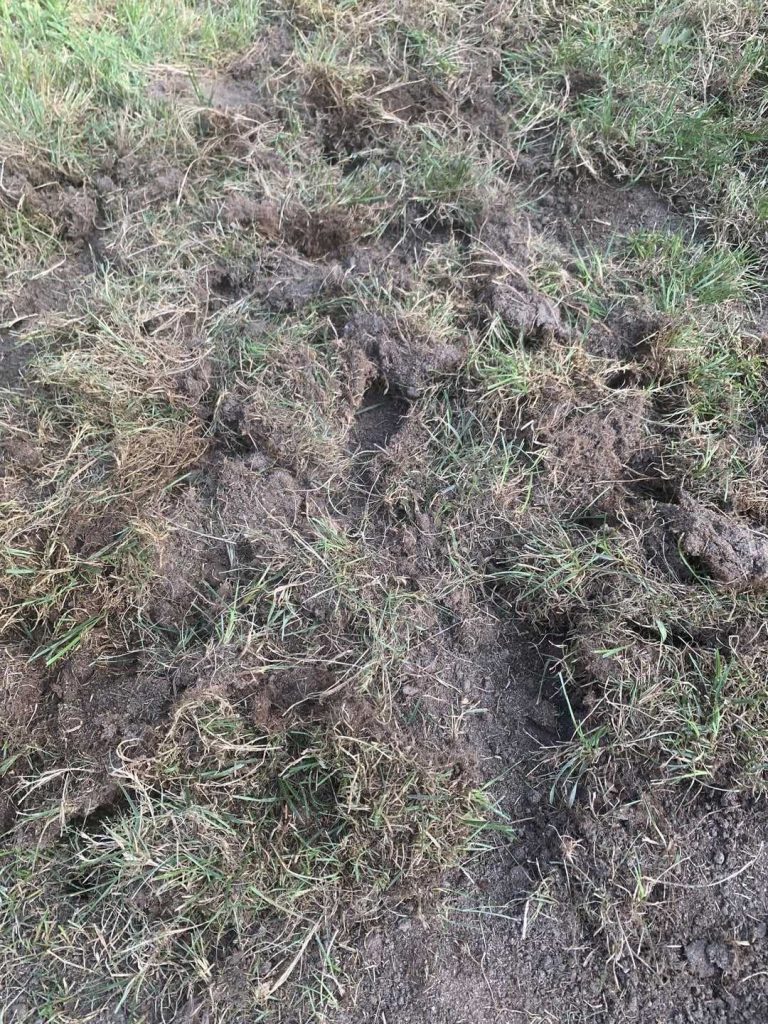
To dethatch bentgrass effectively, you can start by using a dethatching rake or machine, ideally during the growing season when the grass is healthy and robust. This process helps to remove the thick layer of thatch, improving air, water, and nutrient flow to the roots.
If your bentgrass lawn is feeling a bit dense or unhealthy, it might be time to consider dethatching. Bentgrass, prized for its lush appearance, can fall victim to thatch build-up, which is the layer of dead grass and organic matter that accumulates on the soil surface. When this layer gets too thick, it can suffocate your grass, leading to poor growth and health issues. Thankfully, dethatching is a straightforward process that can rejuvenate your lawn, making it vibrant and green once again. In this guide, we’ll walk you through the best methods and tips for successfully dethatching your bentgrass, so you can enjoy a thriving lawn all year round.

How do you dethatch bentgrass?
Dethatching bentgrass is an essential step in maintaining a healthy lawn. If you notice a thick layer of thatch in your bentgrass, it’s important to take action. Thatch is a layer of dead grass, roots, and organic matter that builds up on the soil surface. When it becomes too thick, it can create problems for your lawn. Let’s explore how to effectively dethatch bentgrass.
Understanding Thatch: What is it?
Thatch is a natural accumulation of decomposing materials, like grass clippings and roots. Some thatch is beneficial, providing a cushion for your lawn. However, too much thatch can suffocate the grass. Generally, a thatch layer of more than half an inch can lead to issues. Identifying the thickness can help you decide if dethatching is necessary.
Signs Your Bentgrass Needs Dethatching
You might be wondering if your bentgrass lawn needs dethatching. Here are some signs to look for:
- Your lawn feels spongy when you walk on it.
- You see uneven growth across the lawn.
- Water is pooling on the surface instead of soaking in.
Recognizing these signs early can prevent further damage.
When is the Best Time to Dethatch Bentgrass?
Timing is crucial in the dethatching process. The best time to dethatch bentgrass is during its growing season. Generally, late spring or early fall works best, as the grass can recover quickly. Avoid dethatching during hot summer months, as it can stress the grass.
Tools Required for Dethatching
Having the right tools makes dethatching easier. Here are some tools you might need:
- A dethatching rake, which has sharp, angled blades.
- A power dethatcher, which is a machine that speeds up the process.
- A lawn mower to trim the grass before dethatching.
Make sure to choose the right tool based on the size of your lawn.
Preparing Your Lawn for Dethatching
Before you begin dethatching, you need to prepare your lawn. Start by mowing the grass shorter than usual. This allows you to see the thatch better and makes dethatching easier. After mowing, water your lawn lightly. This softens the soil, making it easier for your tools to penetrate.
Step-by-Step Guide to Dethatching Bentgrass
Now that you’re ready, let’s go through the dethatching process step-by-step.
Step 1: Mow Your Lawn
As mentioned earlier, begin by mowing your lawn to about one inch in height. This height allows your dethatching tool to reach the thatch more effectively.
Step 2: Choose Your Dethatching Method
Decide whether you will use a dethatching rake or a power dethatcher. For smaller lawns, a dethatching rake is usually sufficient. For larger spaces, a power dethatcher can save you time and effort.
Step 3: Dethatch the Lawn
If you’re using a dethatching rake, pull it through the grass at a 45-degree angle. Work in small sections. If you’re using a power dethatcher, follow the manufacturer’s instructions for use. Make sure to make at least two passes over your lawn. This ensures you remove enough thatch.
Step 4: Rake Up the Thatch
After dethatching, you will have a lot of debris on your lawn. Use a rake to gather this thatch into piles. You can then compost the thatch or dispose of it in your yard waste bin.
Step 5: Overseed if Necessary
If your lawn has bare patches or looks thin after dethatching, consider overseeding. Choose a high-quality bentgrass seed and scatter it evenly over the lawn. Water lightly to help seeds germinate.
Post-Dethatching Care for Bentgrass
Taking care of your lawn after dethatching is crucial for recovery. Here are some important tips:
- Water the lawn regularly to help it recover.
- Avoid heavy foot traffic on the lawn for a few weeks.
- Fertilize your bentgrass to encourage healthy growth.
Proper care will help ensure your bentgrass bounces back quickly.
Benefits of Dethatching Bentgrass
Dethatching your bentgrass has several advantages.
- Improves air circulation to the roots.
- Enhances water and nutrient absorption.
- Encourages a thicker, healthier lawn.
By understanding these benefits, you’re more likely to stay motivated to maintain your lawn.
Common Mistakes to Avoid When Dethatching
While dethatching is straightforward, there are some common mistakes to watch out for:
- Dethatching when the lawn is stressed from heat.
- Not removing enough thatch during the process.
- Failing to water and fertilize afterward.
Staying aware of these issues can ensure a successful dethatching experience!
How Often Should You Dethatch Bentgrass?
The frequency of dethatching depends on your lawn’s condition. On average, bentgrass should be dethatched every 2-3 years. However, if you notice thatch buildup sooner, address it promptly. Regular lawn care practices can also help manage thatch levels.
Alternative Methods to Manage Thatch
If dethatching doesn’t seem ideal for you, there are alternative methods to manage thatch:
- Regular mowing can help break down thatch.
- Using a mulching mower returns nutrients to the soil.
- Maintaining proper watering and fertilization can prevent excessive thatch.
These methods can also help keep your bentgrass healthy without the need for dethatching.
In conclusion, dethatching bentgrass is a manageable task that leads to a healthier lawn. With the right tools and techniques, you can effectively remove thatch and promote vibrant growth. Remember to care for your lawn after dethatching and address thatch buildup regularly. With a bit of effort, your bentgrass can thrive, providing you with a lush, green yard.
Dealing With Bentgrass – Expert Lawn Care Advice
Frequently Asked Questions
“`html
What tools can I use to dethatch bentgrass effectively?
To dethatch bentgrass effectively, consider using a dethatching rake or a power dethatcher. A dethatching rake allows for manual removal of thatch, while a power dethatcher makes the process quicker and requires less physical effort. Choose a tool that best fits the size of your lawn and your comfort level.
When is the best time to dethatch bentgrass?
The best time to dethatch bentgrass is during its active growing season, typically in the late spring or early fall. Dethatching at this time allows the grass to recover quickly from the stress of the process. Avoid dethatching during extreme weather conditions, such as heat or frost.
How can I prepare my lawn before dethatching bentgrass?
Prepare your lawn for dethatching by mowing it to a shorter height, which helps make the dethatching process more efficient. Water the lawn thoroughly a day or two before dethatching to ensure the soil is moist but not saturated. This moisture helps reduce stress on the grass.
What should I do with the debris after dethatching?
After dethatching, you will need to manage the debris left on the lawn. You can either rake it up and compost it or leave it to decompose naturally, allowing nutrients to return to the soil. If the thatch layer was particularly thick, consider collecting more of the debris to prevent it from smothering the grass.
How often should I dethatch my bentgrass lawn?
A bentgrass lawn typically needs dethatching every 2 to 3 years, depending on the amount of thatch accumulation and the maintenance practices you follow. Monitoring the thatch layer regularly can help you decide when it’s time to dethatch. Keep an eye on soil health and grass growth as indicators.
“`
Final Thoughts
Dethatching bentgrass involves several key steps to maintain a healthy lawn. Start by assessing the thatch layer; if it’s more than a half-inch, it’s time to dethatch. Use a dethatching rake or machine, working in two directions for thorough coverage.
After dethatching, ensure you properly aerate and fertilize the lawn to promote recovery. Regular maintenance, including overseeding and proper watering, will help manage thatch buildup in the future. In summary, when considering how do you dethatch bentgrass? Follow these steps for optimal results.