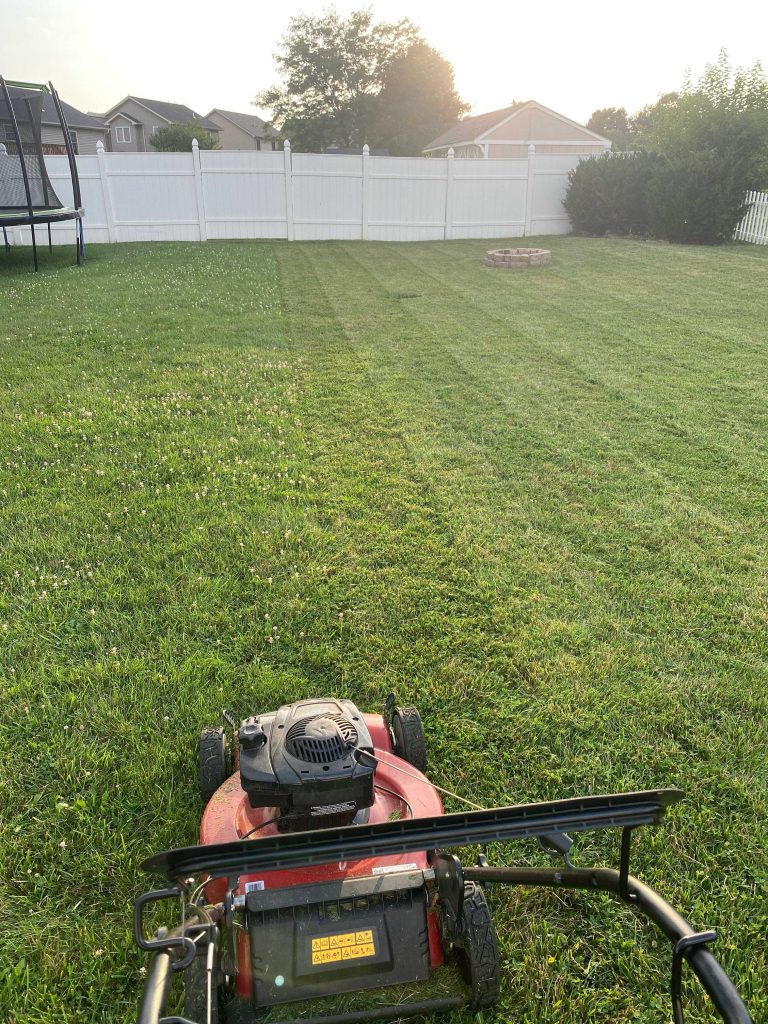
For a lush, healthy Kentucky bluegrass lawn, aim to cut the grass to about 2.5 to 3.5 inches. Keeping it within this height encourages strong root growth and prevents disease. Regular mowing at this height ensures your lawn stays green, dense, and resilient throughout the seasons.
In short, the ideal cutting height for Kentucky bluegrass is around 2.5 to 3.5 inches. Mowing at this height promotes healthy growth, discourages pests, and helps maintain an attractive, thick lawn. Consistency in cutting height is key to keeping your grass vigorous and vibrant.
Kentucky bluegrass is a popular choice for lawns because of its rich color and fine texture. However, its health depends heavily on how you mow it. Cutting it too short can stress the grass and weaken its roots, while cutting too high can lead to thatch build-up and poor disease resistance. The optimal height for Kentucky bluegrass is generally between 2.5 and 3.5 inches, which strikes a balance between aesthetics and health. Regular mowing within this range provides shade for the soil, conserves moisture, and encourages dense, vigorous growth. It’s best to adjust your mower height seasonally and avoid cutting more than one-third of the blade length at a time to keep your lawn thriving.

What Height to Cut Kentucky Bluegrass
Understanding Kentucky Bluegrass and Its Growth Habits
Kentucky Bluegrass is a popular grass type known for its lush, green appearance and ability to stay healthy in cooler climates. It grows in dense, fine-textured mats that create a beautiful lawn. Its growth rate depends on soil, weather, and mowing practices.
Kentucky Bluegrass tends to grow about one to two inches per week during active seasons. It is a cool-season grass, meaning it thrives in spring and fall. Knowing its growth habits helps decide the ideal cutting height for maximum health and appearance.
Why Mowing Height Matters for Kentucky Bluegrass
The height at which you cut Kentucky Bluegrass affects its overall health and appearance. Cutting too short can weaken the grass and make it vulnerable to weeds, disease, and drought. Conversely, mowing too high can lead to thatch buildup and uneven growth.
Maintaining an appropriate mowing height encourages deep roots, stronger stems, and a vibrant green color. It also helps the lawn resist pests and environmental stresses. Proper mowing height is a key practice for a durable, attractive Kentucky Bluegrass lawn.
Recommended Mowing Height for Kentucky Bluegrass
The best mowing height for Kentucky Bluegrass generally falls within a certain range. Most experts suggest cutting the grass to a height of about 2.0 to 3.0 inches. This range balances health, appearance, and resilience.
During the growing season, keep your mower blade at this height. Adjust slightly depending on the weather, soil conditions, and specific lawn needs. For example, during hot or drought periods, raising the cut height can help conserve moisture.
Optimal Height Based on Season
- Spring and Fall: Maintain 2.0 to 3.0 inches for best growth and recovery.
- Summer: Slightly raise mowing height towards 3.0 inches to reduce stress.
- Winter: Keep grass at the higher end of the range or slightly above, if your climate permits.
How to Properly Mow Kentucky Bluegrass
Proper mowing techniques ensure Kentucky Bluegrass stays healthy at the recommended height. Always use a sharp mower blade to get a clean cut. Regular mowing prevents the grass from becoming too tall or uneven.
Mow frequently enough so that you never remove more than one-third of the grass height at a time. Removing too much can shock the grass and slow its recovery. Typically, mowing once a week during peak growth is sufficient.
Steps for Cutting Kentucky Bluegrass Correctly
- Check the current height of your lawn before mowing.
- Adjust your mower to the desired cutting height.
- Remove no more than one-third of the grass height in a single mowing session.
- Keep mower blades sharp for smooth cuts.
- Collect clippings if desired, or leave them to decompose and return nutrients to the soil.
Factors Influencing the Ideal Mowing Height
Several factors can affect what height is best for your Kentucky Bluegrass lawn. Climate, soil type, and usage all play roles in determining the optimal mowing height.
Climate Conditions
In cooler regions, maintaining a slightly taller grass height helps protect against cold damage. In warmer areas, raising the height reduces water loss and heat stress.
Soil Type and Fertility
Well-drained, fertile soils support deeper rooting. Taller grass can help shade the soil and retain moisture. Less fertile soils may require higher mowing to prevent stress.
Traffic and Usage
Lawn areas with heavy foot traffic benefit from a slightly taller cut, which provides extra cushioning and reduces stress on the grass. For decorative or low-traffic lawns, lower cuts are acceptable but still within the recommended range.
How Mowing Height Affects Lawn Maintenance
Maintaining the right height influences not only the grass health but also how you care for your lawn long-term. Proper mowing height makes other maintenance tasks easier and more effective.
Water Retention and Drought Resistance
Taller grass shades the soil better, reducing evaporation and helping retain moisture. This natural cooling effect makes your lawn more drought-tolerant.
Weed Suppression
A healthy, dense Kentucky Bluegrass lawn at proper height naturally crowds out weeds. Mowing too low creates gaps where weeds can invade.
Grass Density and Thatch Control
Mowing at the right height encourages dense growth, which helps prevent thatch buildup. Thatch, a layer of dead grass and roots, can smother the lawn if not controlled.
Adjusting Mowing Height for Specific Conditions
Sometimes, adjustments are necessary based on lawn conditions. For example, after aeration or overseeding, raising the mower height can promote recovery.
Overseeding and Repair
When overseeding, set the mower higher to create a shaded environment that helps seedlings establish. Gradually lower the height as the grass matures.
Dealing with Drought or Heat
In hot weather, raise the cut height to reduce stress and prevent dehydration. This also allows deeper root growth.
Managing Disease or Pest Problems
If you notice disease or pests, keeping the grass slightly taller can improve airflow and reduce disease incidence. Consult with lawn care experts for specific cases.
Common Mistakes to Avoid When Mowing Kentucky Bluegrass
Even experienced homeowners can make errors if they’re not careful about mowing height. Recognizing common mistakes helps improve lawn care practices.
Cutting Too Low
This can weaken roots, increase water needs, and cause a more thin, patchy lawn. Always stay within the recommended height range.
Ignoring Regular Mowing Schedule
Irregular mowing can lead to uneven growth. Stick to a consistent schedule based on the grass’s growth rate.
Using Dull Blades
Dull blades tear grass instead of cutting cleanly, causing stress and increasing vulnerability to disease. Sharpen blades regularly.
Summary Table: Mowing Heights for Kentucky Bluegrass
| Season | Recommended Height |
|---|---|
| Spring | 2.0 to 3.0 inches |
| Summer | 2.5 to 3.0 inches |
| Fall | 2.0 to 3.0 inches |
| Winter | At least 2.0 inches, if applicable |
Choosing the correct mowing height is essential for maintaining a healthy, attractive Kentucky Bluegrass lawn. Keeping the grass between 2.0 to 3.0 inches maximizes its growth potential and resilience. Regular mowing, combined with proper technique and attention to environmental factors, results in a vibrant and durable lawn that stands up to weather stresses and heavy use. Adjust your mowing height based on the season, soil conditions, and lawn usage to keep your grass thriving year-round.
How TALL To Mow Your Lawn :: Mowing Heights By Grass Type
Frequently Asked Questions
What is the optimal cutting height for Kentucky bluegrass during the growing season?
During the active growing season, it is best to cut Kentucky bluegrass to a height of about 2.5 to 3.5 inches. This height promotes healthy root development and helps the grass withstand drought and stress better. Maintaining this range encourages dense growth and a lush appearance.
How does the mowing height affect the health of Kentucky bluegrass in summer?
In summer, keeping the grass slightly taller, around 3 to 4 inches, provides shade for the soil and reduces water evaporation. This helps the grass stay hydrated and withstand heat stress. Avoid cutting the grass too short, as it can weaken the turf and lead to weed invasion.
Should I adjust the cutting height based on the season?
Yes, adjusting the mowing height according to the season improves turf health. In spring and fall, aim for about 2.5 to 3 inches to promote vigorous growth. During winter dormancy or in cooler weather, raise the height to around 3.5 inches to protect roots and soil warmth.
How often should I mow Kentucky bluegrass to maintain proper height?
Frequency of mowing depends on growth rate, but typically, you should mow every 7 to 10 days. Never remove more than one-third of the grass blade height at once, as this minimizes stress and encourages healthy growth. Regular mowing keeps the turf dense and even.
What are the consequences of cutting Kentucky bluegrass too short?
Cutting Kentucky bluegrass too short, below 2 inches, can weaken the roots, decrease resilience to drought, and make the lawn more susceptible to weeds and disease. It also reduces the grass’s ability to recover quickly after mowing, leading to a patchy and unhealthy appearance.
Final Thoughts
The ideal height to cut Kentucky bluegrass is typically between 2.5 to 3.5 inches. Cutting at this height helps promote healthy growth and reduces stress on the grass.
Maintaining the proper mowing height encourages dense, lush turf that resists weeds and drought. Always avoid cutting more than one-third of the grass height at once to prevent damage.
In conclusion, what height to cut Kentucky bluegrass plays a crucial role in lawn health. Keeping it around 2.5 to 3.5 inches ensures a vibrant and resilient lawn.