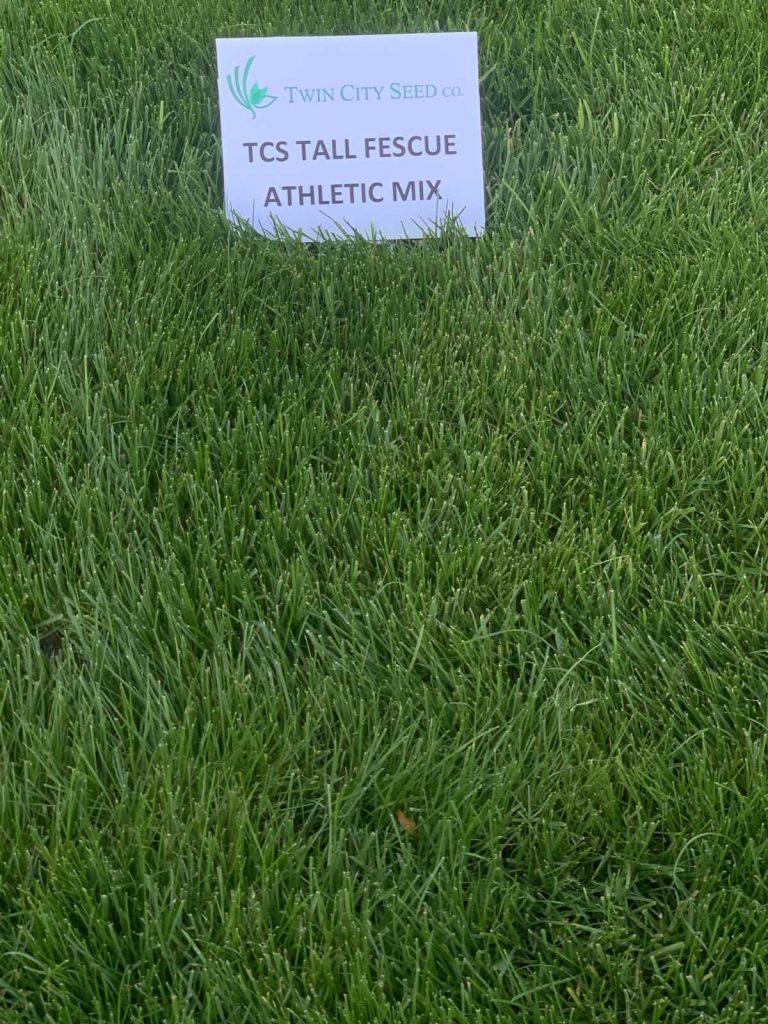
Yes, you can mix tall fescue and Kentucky bluegrass, and many homeowners do it to create a diverse, resilient lawn. Combining these grasses can offer the best of both worlds—tall fescue’s drought tolerance and Kentucky bluegrass’s lush appearance. Mixing these grasses isn’t just possible; it can result in a healthier, more durable lawn that adapts well to varying weather conditions and foot traffic.
Mixing tall fescue and Kentucky bluegrass is a great way to enhance your lawn’s overall health and appearance. They’re compatible species that can complement each other, provided you follow proper planting and maintenance practices. By choosing the right mixture, you can enjoy a green, lush yard that stays vibrant throughout the seasons.
Having a lush, green lawn is a goal for many homeowners, and choosing the right grass types plays a significant role. If you’re wondering whether tall fescue and Kentucky bluegrass can coexist in your yard, the answer is yes. This pairing can create a resilient, beautiful lawn that benefits from each grass’s unique qualities. Tall fescue provides deep roots and drought resistance, while Kentucky bluegrass offers a fine texture and rich color. When blended properly, these grasses can help you achieve a lawn that looks great and withstands environmental stresses. In this article, we’ll explore how to combine these grasses effectively, what benefits they offer, and tips for maintaining a mixed lawn.

Can You Mix Tall Fescue and Kentucky Bluegrass? A Complete Guide
Introduction to Mixing Grass Types
Mixing different grass varieties is a common practice among homeowners and landscapers to create a lush, resilient lawn. When considering tall fescue and Kentucky bluegrass, it’s natural to ask if these two types can be grown together. Understanding their characteristics helps determine if combining them benefits your yard. Let’s explore the science and practical tips behind mixing tall fescue and Kentucky bluegrass.
Understanding Tall Fescue
Tall fescue is a cool-season grass known for its deep roots and drought tolerance. It has a coarse texture and is often used in areas with limited water availability. Tall fescue grows well in full sun and can handle wear and tear from foot traffic. Its resilience makes it a popular choice for lawns that need less maintenance.
Getting to Know Kentucky Bluegrass
Kentucky bluegrass is also a cool-season grass prized for its soft texture and vibrant green color. It forms dense, attractive carpets that are excellent for aesthetic appeal. However, it prefers consistently moist soil and can be more sensitive to drought conditions. Kentucky bluegrass often requires regular watering and fertilization to stay healthy.
Are Tall Fescue and Kentucky Bluegrass Compatible?
Yes, these grasses can be mixed, but it depends on your lawn’s conditions and the goals you have. Since both are cool-season grasses, they grow during similar times of the year. Mixing them can create a lawn that is both durable and beautiful, combining tall fescue’s resilience with Kentucky bluegrass’s fine texture.
Benefits of Mixing Tall Fescue and Kentucky Bluegrass
- Enhanced Durability: Tall fescue’s toughness can help withstand heavy use, while Kentucky bluegrass cushions activity with its soft texture.
- Improved Drought Resistance: Tall fescue’s deep roots draw moisture from lower soil levels, benefiting the overall lawn during dry periods.
- Year-round Green Color: Combining these grasses creates a lush, green appearance across seasons, especially in spring and fall.
- Pest and Disease Resistance: Diversity in grass types reduces the risk of disease spread and pest infestations.
Challenges of Mixing the Two Grasses
Despite the benefits, mixing tall fescue and Kentucky bluegrass has some challenges:
- Different Growth Rates: Tall fescue tends to grow faster than Kentucky bluegrass, which may lead to uneven patches if not managed carefully.
- Varying Water Needs: While tall fescue is drought-tolerant, Kentucky bluegrass prefers more moisture, requiring tailored watering schedules.
- Maintenance Considerations: Different fertilization and mowing practices may be necessary to keep both grasses healthy.
How to Successfully Mix Tall Fescue and Kentucky Bluegrass
Choosing the Right Seed Mix
Start with high-quality seed blends that already combine tall fescue and Kentucky bluegrass. Many seed companies sell mixes designed for durability and aesthetic appeal, simplifying the process. Look for products with balanced proportions to suit your lawn’s needs.
Preparing Your Soil
Proper soil preparation enhances germination and growth. Conduct a soil test to determine pH and nutrient levels. Amend the soil with organic matter or fertilizers as needed to create a healthy environment for both grasses. Ensure the soil drains well to prevent waterlogging.
Planting Techniques
Spread the seed evenly using a broadcast spreader for uniform coverage. Lightly rake the soil to incorporate the seed into the top layer. Water immediately after planting to keep the soil moist but not waterlogged. Regular light watering helps promote germination.
Watering and Fertilization
Adjust watering schedules according to grass types—more frequent watering for Kentucky bluegrass, less for tall fescue. Fertilize the lawn with a balanced fertilizer suitable for cool-season grasses, applying it throughout the growing season to support healthy growth.
Mowing and Maintenance
Set mowing heights to suit the tallest grass in your blend—around 3 inches is ideal for tall fescue, while Kentucky bluegrass prefers 2 to 2.5 inches. Keep blades sharp to prevent tearing, and mow regularly to maintain a tidy appearance. Aerate and overseed as needed to encourage dense growth.
Seasonal Care Tips for Mixed Lawns
During spring and fall, monitor the growth of both grasses and adjust watering and fertilization accordingly. Remove thatch buildup and aerate to improve soil health. In winter, protect the lawn from frost damage by avoiding heavy traffic when the ground is frozen.
Long-term Considerations for a Mixed Lawn
Over time, you might notice some grasses become more dominant. To maintain a balanced mixture, overseed annually with your chosen seed blend. Consistent fertilization and watering schedules tailored to both grasses help sustain uniformity.
Related Topics Worth Exploring
Best Lawn Care Practices for Cool-Season Grasses
Learn how to optimize growth, avoid common problems, and keep your lawn healthy during cooler months.
Alternative Grass Mixes for Different Climates
Discover other combinations suited for warmer or drier regions, such as tall fescue with Bermuda grass.
Environmental Benefits of Lawn Diversity
A mixed lawn supports local biodiversity, reduces chemical use, and promotes sustainable landscaping.
Overseeding Tips for a Thicker Lawn
Find out how to reseed your lawn effectively to fill gaps and enhance overall appearance.
Tools and Equipment for Lawn Management
Explore the best tools for seeding, mowing, fertilizing, and watering to make lawn care easier and more effective.
Mixing tall fescue and Kentucky bluegrass offers a practical way to develop a resilient, attractive lawn. While it requires some management, the combination of these grasses can lead to a lawn that stays green longer, withstands wear, and requires less water. Proper preparation, planting, and maintenance strategies are key to success. Whether you want a lawn that looks great or stands up to heavy use, blending these two grasses can be a smart choice that benefits your yard all year long.
Kentucky 31 Vs Tall Fescue- Know Which One Is Best
Frequently Asked Questions
Will mixing tall fescue and Kentucky bluegrass affect the overall lawn quality?
Mixing tall fescue with Kentucky bluegrass can create a lawn that benefits from the strengths of both grasses. Tall fescue offers drought tolerance and deep roots, while Kentucky bluegrass provides a fine texture and dense coverage. Combining these grasses can lead to a resilient and visually appealing lawn, especially if the mixture is well-balanced and suited to your climate and soil conditions.
What are the advantages of planting tall fescue alongside Kentucky bluegrass?
Planting tall fescue with Kentucky bluegrass offers several benefits. Tall fescue’s drought resistance helps conserve water during dry periods, and its deep roots improve soil stability. Kentucky bluegrass contributes a lush, dense appearance and can recover quickly from damage. Together, they create a lawn that is both attractive and adaptable to varying weather conditions.
Are there any specific challenges when combining these grasses in the same area?
When mixing tall fescue and Kentucky bluegrass, uneven growth rates might occur, with tall fescue sometimes dominating in drier areas. Ensuring proper seeding ratios and appropriate maintenance practices helps mitigate these issues. Regular mowing and watering tailored to both grasses support a balanced and healthy lawn.
What soil conditions are ideal for successfully blending tall fescue and Kentucky bluegrass?
Both grasses thrive best in well-drained soils with a neutral to slightly acidic pH. Tall fescue prefers slightly more fertile soil, while Kentucky bluegrass thrives in soils rich in organic matter. Conducting a soil test before planting helps determine necessary amendments, such as lime or fertilizer, to optimize growth for both types.
Can I establish a mixed lawn with these grasses from seed, and what should I consider?
Yes, you can establish a mixed lawn from seed by selecting a blend that includes both tall fescue and Kentucky bluegrass seeds. Focus on seeding at the right time for your climate, usually early spring or fall. Proper soil preparation, consistent watering, and avoiding over-seeding ensure even germination and development of a healthy, mixed lawn.
Final Thoughts
Merging tall fescue and Kentucky bluegrass can create a resilient, visually appealing lawn. This blend combines the drought tolerance of tall fescue with Kentucky bluegrass’s lush texture.
However, consider their growth habits and maintenance needs to ensure compatibility. Proper care will help both grasses thrive together.
In conclusion, can you mix tall fescue and Kentucky bluegrass? Yes, they can coexist effectively when managed carefully, resulting in a durable and attractive turf.