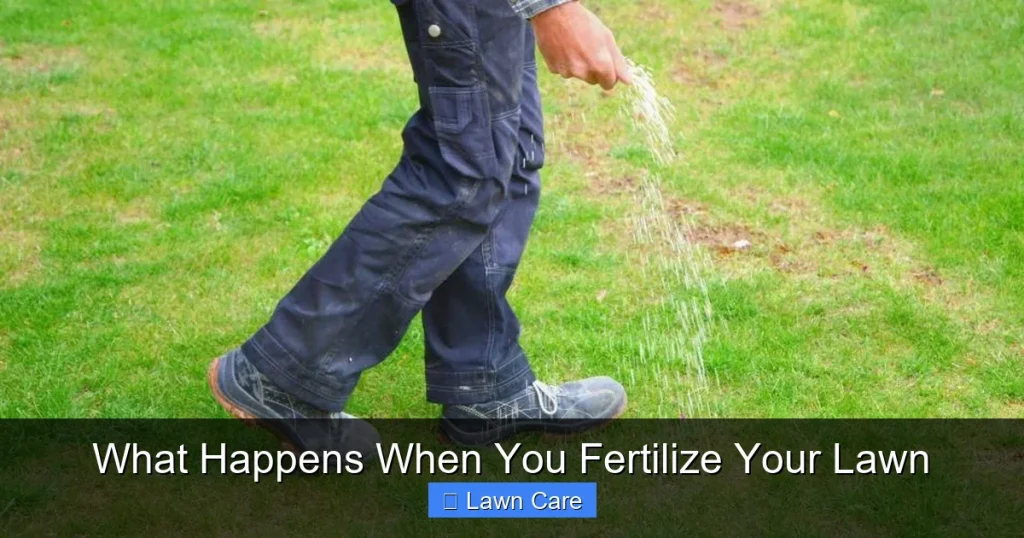
Fertilizing your lawn provides essential nutrients that fuel vigorous growth, leading to a denser, greener carpet of grass. It strengthens roots, improves disease resistance, and helps your lawn outcompete weeds. However, improper application can lead to burn, runoff, or unwanted algae growth.
Ever look at those perfectly manicured lawns and wonder what their secret is? Chances are, they’re getting a little help from fertilization. Fertilizing your lawn is like giving your grass a supercharged meal, packed with all the vitamins and minerals it needs to thrive. It’s not just about making your lawn look pretty; it’s about fostering a healthy, resilient ecosystem right in your backyard.
But what exactly happens when you spread those little granules or liquid goodness across your turf? It’s a bit more complex and fascinating than you might think. From the microscopic level of soil microbes to the visible transformation of your grass blades, fertilization sets off a chain reaction that can profoundly impact your lawn’s health and appearance. Let’s dive into the science and the practicalities of what happens when you fertilize your lawn.
- Nutrient Boost: Fertilizers deliver vital nutrients like nitrogen, phosphorus, and potassium, which are essential for grass growth and overall health.
- Enhanced Growth: These nutrients stimulate the production of chlorophyll, leading to deeper green color and more vigorous shoot and root development.
- Improved Resilience: A well-fed lawn is better equipped to withstand environmental stressors such as drought, heat, disease, and pest infestations.
- Weed Competition: Healthy, dense turf created by fertilization can crowd out weeds, making it harder for them to establish and spread.
- Potential for Burn: Over-fertilizing or applying it incorrectly can scorch grass blades, causing brown or yellow patches.
- Environmental Impact: Excess fertilizer can leach into waterways, contributing to pollution and harming aquatic ecosystems.
- Timing is Crucial: Fertilizing at the wrong time of year or during adverse weather conditions can be ineffective or detrimental.
Quick Answers to Common Questions
What is the main purpose of fertilizing a lawn?
The main purpose of fertilizing a lawn is to provide essential nutrients that the soil may be lacking, promoting healthy grass growth, a deeper green color, and increased resilience to stress.
How does fertilizer make grass greener?
Fertilizer, particularly nitrogen, is a key ingredient in chlorophyll production. Chlorophyll is what gives grass its green color and is vital for photosynthesis, leading to a richer, more vibrant green hue.
Can fertilizing harm my lawn?
Yes, fertilizing can harm your lawn if done incorrectly. Over-fertilizing can cause “fertilizer burn,” where the grass blades turn brown or yellow. Applying at the wrong time or in excessive amounts can also lead to other problems.
What are the three main nutrients in lawn fertilizer?
The three main nutrients found in most lawn fertilizers are Nitrogen (N), Phosphorus (P), and Potassium (K), often indicated by the N-P-K ratio on the packaging.
How soon can I expect to see results after fertilizing?
Results can vary depending on the type of fertilizer, the health of your lawn, and weather conditions. Typically, you might start seeing a greener color within a few days to a week, with more noticeable growth and density appearing over the next few weeks.
📑 Table of Contents
- The Science Behind the Green: How Fertilizers Work
- Visible Transformations: What You’ll See in Your Lawn
- The Role of Soil Health and Microbes
- When Things Go Wrong: Potential Negative Effects
- The Importance of Timing and Application
- Beyond Basic Fertilization: Complementary Lawn Care Practices
- Conclusion: The Power of Smart Fertilization
The Science Behind the Green: How Fertilizers Work
At its core, lawn fertilizer is designed to replenish nutrients in the soil that grass needs to grow. Grass, just like any other plant, requires specific elements to perform its life functions. The most important ones are often referred to by the “N-P-K” ratio you see on fertilizer bags: Nitrogen (N), Phosphorus (P), and Potassium (K).
Nitrogen (N): The Growth Engine
Nitrogen is the workhorse of the fertilizer world. It’s a key component of chlorophyll, the pigment that makes plants green and is essential for photosynthesis. When you fertilize with nitrogen, you’re directly fueling the production of more chlorophyll. This means your grass blades will become a deeper, richer green and grow faster and lusher. Nitrogen also plays a role in the formation of proteins, which are the building blocks of all living cells, including those in your grass.
Phosphorus (P): The Root Developer
Phosphorus is crucial for root development. Strong, healthy roots are the foundation of a robust lawn. They anchor the grass, absorb water and nutrients from the soil, and help the plant survive periods of stress. Fertilizers with a good amount of phosphorus encourage a more extensive and deeper root system, making your lawn more resilient to drought and foot traffic.
Potassium (K): The All-Around Helper
Potassium is often called the “quality nutrient” because it’s involved in so many processes within the plant. It helps regulate water uptake and use, strengthens cell walls, and improves the plant’s overall ability to resist diseases and pests. Think of potassium as the general manager, ensuring everything runs smoothly and the grass can handle tough conditions, like those encountered during a dry spell. If you’re wondering should you fertilize your lawn during a drought, understanding potassium’s role is key, as it helps the grass conserve water.
Visible Transformations: What You’ll See in Your Lawn
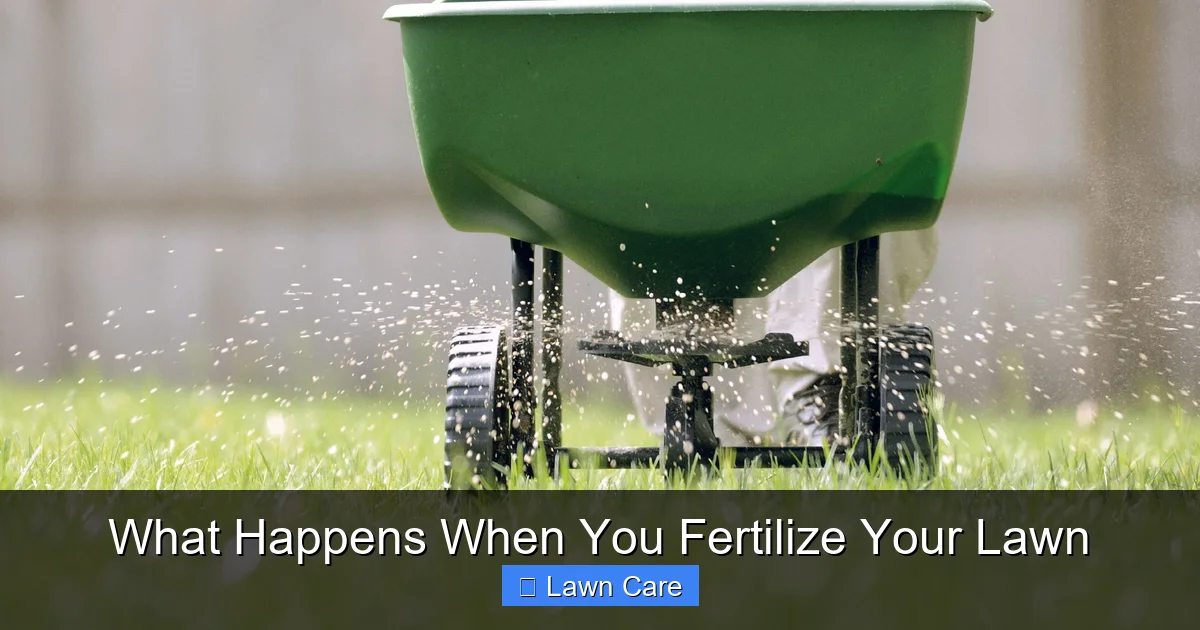
Visual guide about What Happens When You Fertilize Your Lawn
Image source: upkeep.today
The internal biochemical changes triggered by fertilization translate into very noticeable improvements on the surface of your lawn. It’s the reason why many homeowners fertilize their lawns regularly.
Deeper Green Color
One of the first things people notice after fertilizing is a richer, more vibrant green color. This is thanks to the increased chlorophyll production spurred by nitrogen. It’s like your lawn is putting on its best, most attractive outfit.
Increased Growth Rate
Your grass will start growing faster. This means you’ll likely need to mow more often. Understanding how often do you need to mow your lawn becomes important when your fertilization schedule kicks in. This increased growth isn’t just about height; it’s about density.
Thicker, Denser Turf
As the grass grows more vigorously, it produces more shoots from the base. This leads to a thicker, denser turf that feels softer underfoot and looks more appealing. A dense lawn also has practical benefits.
Better Weed Competition
A thick, healthy carpet of grass is your lawn’s best defense against weeds. When the turf is dense, there’s less space and less sunlight reaching the soil surface, making it difficult for weed seeds to germinate and establish. This is why proper fertilization can be a crucial part of a strategy to combat issues like crabgrass. For instance, a healthy lawn can better withstand invasion, and if you’re dealing with a takeover, knowing what to do when crabgrass takes over your lawn becomes essential.
The Role of Soil Health and Microbes
Fertilizer doesn’t just feed the grass; it also impacts the soil ecosystem. While synthetic fertilizers primarily provide readily available nutrients for the plant, they can also influence the soil’s microbial communities.
Microbial Activity
Some studies suggest that certain types of fertilizers can affect the populations and activity of beneficial soil microbes. These microbes play a vital role in nutrient cycling, breaking down organic matter, and improving soil structure. Ideally, fertilizer should support a healthy microbial balance.
Organic vs. Synthetic Fertilizers
It’s worth noting that natural fertilizers, like compost or manure, feed the soil microbes directly, which then release nutrients for the plants. This “slow-release” approach is often considered more beneficial for long-term soil health. If you’re interested in exploring these options, reading about what are the best natural ways to fertilize your lawn can be very informative.
When Things Go Wrong: Potential Negative Effects
While fertilization is generally beneficial, it’s not without its risks. Improper application or using the wrong type of fertilizer can lead to undesirable outcomes.
Fertilizer Burn
This is one of the most common problems. If you apply too much fertilizer, or if it’s not watered in properly, the salts in the fertilizer can draw moisture out of the grass blades, causing them to dehydrate and turn brown or yellow. It looks exactly like a burn. This is a critical reason why understanding what happens if you over-fertilize lawn in summer is so important, as lawns are already under stress during hot months.
Nutrient Runoff and Water Pollution
If fertilizer is applied heavily and then washed away by rain or irrigation before the grass can absorb it, these excess nutrients can end up in nearby streams, rivers, and lakes. This can lead to eutrophication, where excessive nutrients cause algal blooms, depleting oxygen in the water and harming aquatic life. This is why timing and careful application are crucial, especially if you’re considering fertilizing during a rain event.
Algae Growth
In some cases, especially in shady, damp areas where fertilizer might accumulate, it can contribute to algae growth on the soil surface. Algae can form a thick mat that prevents water and air from reaching the grass roots, suffocating the turf.
Imbalance of Nutrients
Using the wrong fertilizer or over-applying one nutrient can lead to an imbalance, potentially hindering the uptake of other essential nutrients. For example, excessive phosphorus can interfere with iron uptake, leading to yellowing of the grass even if nitrogen levels are adequate.
The Importance of Timing and Application
Knowing what happens when you fertilize your lawn also means understanding *when* and *how* to do it for the best results and to avoid problems.
Best Times to Fertilize
The ideal time to fertilize depends on your grass type and climate. Generally, cool-season grasses (like fescues and ryegrass) benefit most from fall and spring fertilization. Warm-season grasses (like Bermuda and Zoysia) are best fertilized in late spring and summer. For specific regions, like Florida, understanding when is the best time to fertilize your lawn in Florida is crucial for success.
Application Methods
Fertilizer comes in granular or liquid forms. Granular fertilizers are spread using a spreader (broadcast or drop), ensuring even distribution. Liquid fertilizers are usually applied with a hose-end sprayer. Whichever you choose, follow the product’s instructions precisely. It’s also vital to water your lawn after applying granular fertilizer to help it dissolve and move into the soil, preventing burn. However, be mindful of can you overwater your lawn, as too much water can also cause issues.
Reading the Label
Always read and follow the instructions on the fertilizer packaging. This includes the recommended application rate and any specific advice for your grass type. Don’t guess; measure carefully to ensure you’re applying the correct amount.
Beyond Basic Fertilization: Complementary Lawn Care Practices
While fertilization is a powerful tool, it works best as part of a comprehensive lawn care program. Other practices can enhance the benefits of fertilization and contribute to a healthier lawn.
Aerate Your Lawn
Aeration involves creating small holes in the soil, which relieves compaction and allows air, water, and nutrients to penetrate down to the grass roots. This makes fertilization more effective because the nutrients can actually reach where they’re needed. Knowing when should you aerate your lawn is a great starting point for improving soil structure.
Dethatch When Necessary
Thatch is a layer of dead grass stems and roots that accumulates between the green grass and the soil surface. If this layer becomes too thick, it can prevent water and nutrients from reaching the soil. Dethatching removes this layer, allowing fertilizer to be more effective.
Proper Watering
Just as important as fertilizing is watering. Grass needs consistent moisture to absorb nutrients and grow. A healthy watering schedule ensures that the fertilizer you apply can be utilized by the plant.
Conclusion: The Power of Smart Fertilization
When you fertilize your lawn, you’re essentially giving it a targeted nutrient boost that promotes healthy growth, a vibrant color, and increased resilience. It strengthens your turf, helping it outcompete weeds and withstand environmental challenges. However, this power comes with responsibility. Understanding the science behind fertilization, being mindful of the timing and application, and being aware of potential pitfalls like fertilizer burn and environmental runoff are crucial.
By applying fertilizer thoughtfully and incorporating it into a broader lawn care routine that includes proper watering, aeration, and mowing, you can cultivate a lawn that not only looks fantastic but is also a thriving, healthy part of your landscape. It’s about working with nature, not against it, to achieve that beautiful, green carpet you desire.
Frequently Asked Questions
How often should I fertilize my lawn?
The frequency of fertilization depends on your grass type, climate, and the type of fertilizer used. Generally, cool-season grasses might be fertilized 2-4 times per year, while warm-season grasses might be fertilized 3-5 times per year. Always follow the recommendations on the fertilizer packaging.
What should I do immediately after fertilizing my lawn?
It’s generally recommended to water your lawn thoroughly after applying granular fertilizer. This helps dissolve the granules and move them into the soil, reducing the risk of fertilizer burn and making the nutrients available to the grass roots.
Can I fertilize my lawn if it’s raining?
Fertilizing during light rain might be acceptable, especially if the rain helps water in the fertilizer. However, heavy rain can wash away the fertilizer before it can be absorbed, leading to runoff and pollution. It’s often best to wait for drier conditions or ensure proper watering if fertilizing.
What does the N-P-K ratio on a fertilizer bag mean?
The N-P-K ratio represents the percentage by weight of the three primary macronutrients: Nitrogen (N), Phosphorus (P), and Potassium (K). For example, a 10-10-10 fertilizer contains 10% nitrogen, 10% phosphorus, and 10% potassium by weight.
Is it bad to fertilize a dry lawn?
Yes, it’s generally not recommended to fertilize a dry lawn without watering it first. Applying fertilizer to dry grass can exacerbate drought stress and lead to fertilizer burn, as the salts in the fertilizer can draw moisture from the grass blades.
What are the environmental concerns related to lawn fertilization?
The primary environmental concern is nutrient runoff. When fertilizer is not absorbed by the lawn and is washed away by rain or irrigation, it can enter waterways, leading to algal blooms and harming aquatic ecosystems. It can also contribute to greenhouse gas emissions.