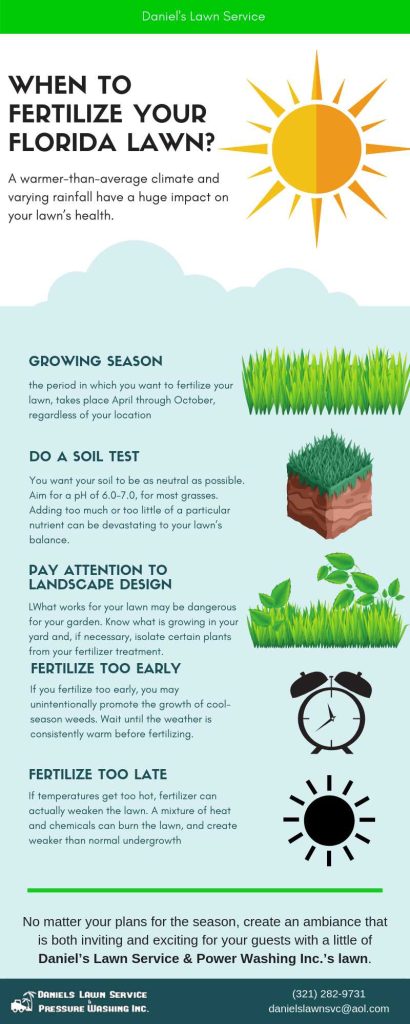
The best time to fertilize your lawn in Florida is during the spring and fall seasons. These are the periods when the grass is actively growing and will benefit the most from the nutrients in the fertilizer. Fertilizing your lawn at the right time can help promote healthy root development, increase resistance to pests and diseases, and enhance overall lawn appearance. However, it is essential to understand the specific needs of your grass type and consider any local regulations or restrictions regarding fertilizer application. In this blog article, we will discuss the optimal times to fertilize your lawn in Florida, taking into account the climate and grass varieties commonly found in the region. By following these guidelines, you can ensure that your lawn stays vibrant and beautiful throughout the year.

When is the Best Time to Fertilize Your Lawn in Florida?
Maintaining a beautiful and healthy lawn in Florida can be quite a challenge, given the state’s unique climate and soil conditions. One crucial aspect of lawn care is fertilization, as it provides essential nutrients that promote healthy growth and overall vitality. However, determining the best time to fertilize your lawn can be confusing, as the ideal timing can vary based on factors such as grass type, weather patterns, and regional considerations. In this comprehensive guide, we will explore the optimal times for fertilizing your lawn in Florida and provide valuable insights to help you achieve a lush and vibrant outdoor space.
The Importance of Proper Timing
Fertilizing your lawn at the right time is essential to maximize its benefits and minimize potential drawbacks. Applying fertilizer when the grass is actively growing and in need of nutrients ensures that it can absorb and utilize the added elements effectively. Proper timing also reduces the risk of nutrient runoff into water bodies, which can harm the environment. By aligning your fertilization schedule with the grass’s growth patterns and regional conditions, you can enhance the overall health and appearance of your lawn.
Understanding Grass Types in Florida
Florida is home to a variety of grass types, each with its own specific characteristics and maintenance requirements. Understanding the grass type in your lawn is crucial for determining the appropriate fertilization schedule. Here are some of the most common grasses found in Florida:
- St. Augustinegrass: This warm-season grass is widely planted in Florida due to its ability to thrive in the state’s tropical climate. It requires regular fertilization to maintain its dense and vibrant growth.
- Bahiagrass: Known for its exceptional heat and drought tolerance, bahiagrass is a popular choice for Florida lawns. It has moderate fertility requirements and benefits from timely fertilization.
- Zoysiagrass: This warm-season grass is known for its dense growth and excellent tolerance to wear and tear. Zoysiagrass requires moderate amounts of fertilizer throughout the growing season.
- Bermudagrass: With its exceptional heat resistance and durability, bermudagrass is a popular choice for lawns in Florida. It has high fertilizer needs and benefits from regular feeding.
- Centipedegrass: Centipedegrass is a low-maintenance warm-season grass that requires minimal fertilization. Excessive fertilization can lead to thatch buildup and other problems, so it’s essential to follow the recommended guidelines.
Factors Influencing Fertilization Timing
Several factors affect the optimal timing for fertilizing your lawn in Florida. Understanding these factors will help you refine your fertilization schedule to ensure maximum effectiveness and minimize potential issues. Here are the key factors to consider:
Grass Growth Patterns
Grasses in Florida exhibit different growth patterns, primarily influenced by temperature and rainfall. Warm-season grasses experience peak growth during the warmer months, typically from late spring to early fall. Cool-season grasses, such as ryegrass or tall fescue, have their peak growth period in the cooler months, usually from late fall to early spring. Adjusting your fertilization schedule to align with these growth patterns will optimize nutrient uptake and overall lawn health.
Regional Climate
Florida’s climate is characterized by its warm and humid conditions, but the state’s varying regions can experience unique microclimates. Coastal areas tend to have milder temperatures, while inland regions might have more extreme heat or cold. Consider your specific location within Florida to tailor your fertilization schedule accordingly. Consulting with a local horticulture expert or referring to regional lawn care guides can provide valuable recommendations based on your area’s climate.
Fertilizer Formulations
Different types of fertilizers offer various release rates and nutrient compositions. Granular fertilizers are the most commonly used and provide a slow-release of nutrients over an extended period. Liquid fertilizers, on the other hand, offer quicker nutrient absorption but may require more frequent applications. Understanding the formulation of the fertilizer you choose is crucial for determining the appropriate timing and frequency of application.
Soil Conditions and Testing
Florida soils vary significantly across the state and can influence the nutrient requirements of your lawn. Conducting a soil test can provide valuable insights into the existing nutrient levels and pH balance, enabling you to tailor your fertilization plan accordingly. Soil tests can be done through local universities, agricultural extension offices, or private laboratories. By understanding your soil’s specific needs, you can apply the right fertilizer at the right time to optimize its benefits.
Recommended Fertilization Schedule for Florida Lawns
While the ideal fertilization schedule can vary depending on the factors mentioned above, here is a general guideline to follow when fertilizing your lawn in Florida:
Spring
- Early Spring: Apply a slow-release nitrogen fertilizer to promote initial growth and green-up as the grass begins its active growing season.
- Mid to Late Spring: Apply a balanced fertilizer with a higher nitrogen content to support vigorous growth during the peak growing season. Ensure the fertilizer is suitable for your specific grass type.
Summer
- Early Summer: If necessary, apply a light application of slow-release nitrogen fertilizer to maintain healthy growth and color during the hotter months. Avoid excessive fertilization to prevent stress on the grass.
- Mid to Late Summer: Reduce or avoid fertilization during the hottest months, as excessive fertilizer can lead to increased susceptibility to pests and diseases. Focus on proper irrigation and maintenance practices during this period.
Fall
- Early Fall: Apply a slow-release nitrogen fertilizer to promote recovery from summer stress and encourage root development.
- Mid to Late Fall: Apply a balanced fertilizer to provide essential nutrients and maintain green color as the grass prepares for winter dormancy.
Winter
- Avoid fertilization during the winter months for warm-season grasses, as they are typically dormant during this period. Cool-season grasses may benefit from a light application of nitrogen fertilizer if overseeding with ryegrass.
Additional Tips for Successful Lawn Fertilization in Florida
- Follow the recommended fertilizer rates and avoid excessive or uneven applications, as these can lead to nutrient imbalances and potential lawn damage.
- Water your lawn thoroughly after fertilization to ensure proper nutrient absorption and minimize the risk of fertilizer burn.
- Consider using organic fertilizers or slow-release formulations, as they provide a more sustained nutrient release and reduce the risk of leaching or runoff.
- Regularly monitor your lawn’s health and adjust your fertilization schedule as needed. Factors such as heavy rainfall, drought conditions, or lawn stress may require additional or modified applications.
In conclusion, determining the best time to fertilize your lawn in Florida requires careful consideration of grass types, regional factors, and soil conditions. By aligning your fertilization schedule with the grass’s growth patterns and specific needs, you can ensure optimal nutrient uptake and overall lawn health. Remember to follow recommended practices, conduct soil tests, and monitor your lawn’s response to make necessary adjustments. With the right timing and proper care, you can achieve a lush and vibrant lawn that withstands Florida’s unique climate and enhances your outdoor space.
What month Should I fertilize my lawn in Florida?
Frequently Asked Questions
When is the best time to fertilize your lawn in Florida?
The optimal time to fertilize your lawn in Florida depends on several factors, such as the type of grass, weather conditions, and the specific needs of your lawn. Here are some frequently asked questions regarding the best time to fertilize your lawn in Florida:
Q: What type of grass do I have and how does it affect the timing of fertilization?
A: Knowing the type of grass in your lawn is crucial as different grass species have different growth patterns. For warm-season grasses like St. Augustine, Bermuda, and Zoysia, it’s recommended to fertilize during their active growth periods, which is typically from late spring to early fall.
Q: What is the impact of weather conditions on fertilization timing?
A: Weather plays a crucial role in determining when to fertilize your lawn. It’s important to avoid fertilizing during periods of extreme heat or drought, as this can stress the grass and potentially cause damage. It’s generally best to fertilize when the weather is mild and there is regular rainfall or irrigation to help distribute the nutrients evenly.
Q: Should I consider soil testing before fertilizing my lawn?
A: Soil testing is highly recommended before fertilizing your lawn. It helps determine the nutrient levels in your soil and allows you to apply the appropriate type and amount of fertilizer. Conducting a soil test can provide valuable insights into any deficiencies or imbalances that need to be addressed, ensuring effective fertilization.
Q: How often should I fertilize my lawn in Florida?
A: The frequency of fertilization depends on various factors, including the grass type and the type of fertilizer used. In general, warm-season grasses in Florida benefit from regular but light applications of fertilizer every 6-8 weeks during their active growth period. Avoid over-fertilization, as it can lead to excessive growth, scalping, and weak roots.
Q: Are there any specific environmental considerations for fertilizing lawns in Florida?
A: Yes, Florida has specific regulations regarding fertilizer use to protect its fragile ecosystems. It’s important to be aware of these regulations and follow them to prevent runoff into water bodies. Consider using slow-release fertilizers and carefully follow recommended application rates to minimize environmental impacts.
Final Thoughts
The best time to fertilize your lawn in Florida is during the late spring or early summer, around April or May. This is when the warm-season grasses are actively growing and in need of nutrients. Applying fertilizer during this time will provide the necessary nourishment for a healthy and vibrant lawn. It is important to follow the recommended guidelines for the specific type of grass and fertilizer being used. Additionally, regular maintenance and watering are essential to ensure the effectiveness of the fertilization process. By timing your lawn fertilization correctly, you can enjoy a lush and beautiful lawn all year round.