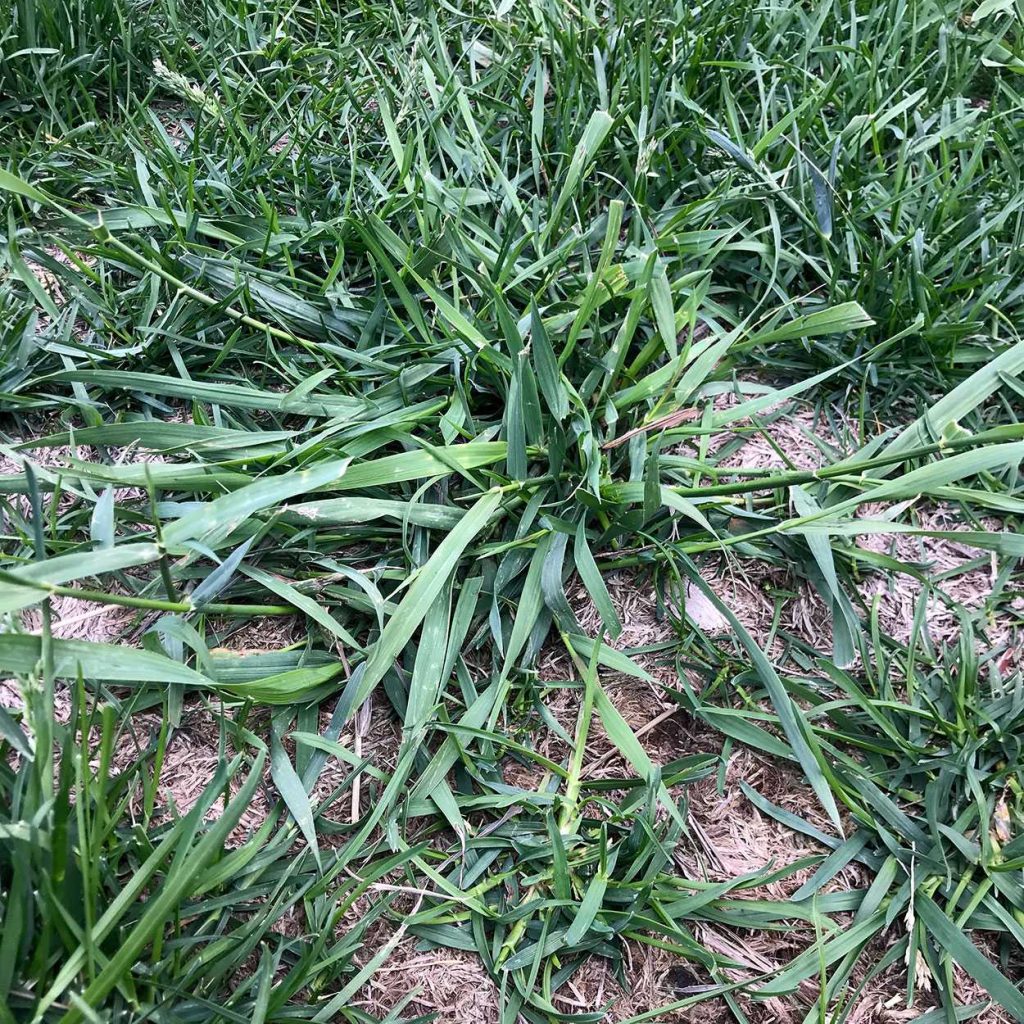
If crabgrass is invading your lawn and threatening to take over, act quickly to regain control. The key is to identify the problem early, remove the existing crabgrass, and strengthen your lawn’s health to prevent future invasions. Regular maintenance, proper fertilization, and timely herbicide application can make a huge difference in restoring your yard’s lushness.
In short, tackle crabgrass early by pulling it out manually or applying pre-emergent herbicides, and then focus on maintaining a healthy, dense lawn that naturally suppresses weed growth. Consistent care and vigilance are your best tools for keeping crabgrass at bay in the long run.
When crabgrass starts to take over your lawn, it can feel like an uphill battle. This stubborn weed thrives in warm weather and quickly spreads, overshadowing your desirable grass. Luckily, there are actionable steps you can take to stop it from completely taking over. Addressing the problem promptly by removing existing crabgrass and applying the right herbicides, combined with improving your lawn’s overall health through proper watering, mowing, and fertilization, can restore your yard to its vibrant self. The sooner you act, the easier it will be to reclaim your lawn and enjoy a beautiful, weed-free outdoor space.

What to Do When Crabgrass Takes Over Your Lawn
Understanding Crabgrass and Why It Invades Your Lawn
Crabgrass is a common weed that quickly spreads across lawns, especially during warm weather. It thrives in areas with thin grass because it takes advantage of weak spots. Knowing why crabgrass appears helps you act faster and choose the right solutions. It usually starts growing in late spring and summer and spreads rapidly if not controlled.
Identifying Crabgrass in Your Lawn
Crabgrass has distinctive features that make it easy to identify. It features wide, flat blades that resemble miniature turfgrass but are lighter in color. The seed heads look like finger-like projections, which are easy to spot. It generally grows in clusters, spreading out horizontally across the soil surface.
The Dangers of Crabgrass Taking Over
Crabgrass can smother your desirable grass, making your lawn look uneven and patchy. It competes with healthy grass for nutrients and water, weakening your entire lawn. Left unchecked, crabgrass can become a permanent problem that diminishes lawn beauty and value.
Preventive Steps to Stop Crabgrass Before It Spreads
Preventing crabgrass starts with proper lawn care. Follow a regular schedule of fertilizing, watering, and mowing. A thick, healthy lawn naturally resists weed invasion. Applying pre-emergent herbicides early in spring creates a barrier that stops crabgrass seeds from sprouting.
Applying Pre-Emergent Herbicides
Pre-emergent herbicides are the most effective way to prevent crabgrass. They create a chemical barrier in the soil, stopping seeds from germinating. Timing is key—apply these products before crabgrass seeds begin to sprout, usually in early spring.
Timing Your Lawn Care Routine
Timing your fertilization and watering schedules correctly encourages a dense, healthy lawn. Mow your grass at the right height to shade the soil and prevent weed seeds from gaining ground. Aerating soil helps water and nutrients reach roots better, strengthening your grass against weeds.
Dealing with Existing Crabgrass Infestations
If crabgrass has already taken over, your approach shifts from prevention to control. Remove crabgrass manually, treat with herbicides, and promote healthy lawn growth to restore your yard.
Manual Removal of Crabgrass
Pulling out crabgrass by hand is effective for small patches. Make sure to remove the entire root system to prevent regrowth. Use a weeding tool or your hands, wearing gloves for safety.
Choosing the Right Post-Emergent Herbicide
For larger infestations, selective post-emergent herbicides target crabgrass without damaging desirable grass. Read labels carefully to ensure compatibility with your lawn type. Apply herbicides during active growth phases for maximum effectiveness.
Natural Alternatives for Crabgrass Control
Some gardeners prefer organic methods. Applying a mixture of vinegar and water can dry out crabgrass. Corn gluten meal acts as a pre-emergent herbicide, preventing new crabgrass seeds from sprouting.
Improving Lawn Health to Fight Crabgrass
A strong lawn naturally keeps weeds in check. Focus on maintaining optimal soil conditions, proper mowing, and fertilization.
Fertilization Tips
Use a balanced fertilizer suited for your grass type. A healthy lawn needs adequate nitrogen, phosphorus, and potassium. Follow recommended application rates to avoid overfeeding, which can encourage weed growth.
Mowing Height and Frequency
Set your mower to the correct height for your grass species—typically around 2 to 3 inches. Regular mowing prevents crabgrass from going to seed and keeps your grass dense.
Watering Practices
Deep, infrequent watering promotes strong roots. Water early in the morning to avoid disease and ensure the soil stays moist but not soggy. Proper watering discourages crabgrass from gaining a foothold.
Soil Testing and Amendments
Testing your soil helps identify deficiencies that could weaken your grass and promote weed growth. Amend soil with lime or sulfur as needed to optimize pH levels. Healthy soil supports thick, vigorous grass that crowds out weeds.
Restoring Your Lawn After Crabgrass Control
Once you’ve reduced crabgrass, focus on reseeding and patch repair. This helps restore uniformity and prevents new weeds from invading.
Reseeding Bare Patches
Prepare the soil by removing remaining debris and loosening the topsoil. Spread grass seed suited for your lawn, then water regularly until seedlings establish. Cover the area with a thin layer of straw to retain moisture.
Applying Topdressing and Fertilizer
Topdressing with compost provides nutrients and organic matter. Fertilize after reseeding to encourage strong growth. Follow recommended schedules to keep your lawn thick and resilient.
Long-Term Lawn Maintenance for Weed Prevention
Consistent care is essential for keeping crabgrass and other weeds at bay. Scheduled lawn maintenance routines provide ongoing protection.
Establishing a Regular Lawn Schedule
Plan weekly tasks such as mowing, watering, and fertilizing. Adjust these routines as seasons change to keep your grass healthy year-round.
Monitoring Your Lawn
Regularly inspect your yard for new weed growth. Catching crabgrass early makes it easier to manage and reduces the need for chemical treatments.
Using Mulch and Ground Cover
Applying mulch around flower beds or garden borders helps prevent weed spread. Ground covers can also protect soil and reduce exposed areas where weeds like crabgrass may emerge.
Related Topics to Consider
Crabgrass is just one of many lawn weeds. Consider exploring topics such as grass type selection for your climate, organic weed control methods, and sustainable lawn practices. These strategies promote a healthier, more resilient yard.
By understanding how crabgrass invades and how to respond effectively, you can regain control of your lawn. Combining preventive measures with targeted treatments and ongoing maintenance ensures your yard stays lush and crabgrass free.
How to Get Rid of Crabgrass (4 Easy Steps)
Frequently Asked Questions
How can I effectively prevent crabgrass from spreading in my lawn?
To prevent crabgrass from spreading, maintain a healthy and dense lawn through proper fertilization and mowing. Apply a pre-emergent herbicide in early spring before crabgrass seeds germinate. Ensure your soil has good drainage and avoid overwatering, as crabgrass thrives in compacted, moist soils. Regularly overseed thin areas to promote thick grass that competes effectively with weeds.
What are the best methods to remove existing crabgrass from my yard?
Remove crabgrass manually by pulling out the weeds, making sure to extract the roots to prevent regrowth. Use a selective post-emergent herbicide designed for crabgrass to kill actively growing plants. Always follow product instructions carefully to avoid damaging your desirable grass. Additionally, aerate your lawn to reduce soil compaction and enhance herbicide penetration.
When should I apply treatments to control crabgrass for the best results?
Apply pre-emergent herbicides in early spring, typically before the soil temperature reaches 55°F (13°C). For existing crabgrass, apply post-emergent herbicides when the weed is actively growing, usually in late spring or early summer. Timing is crucial; applying treatments too early or too late reduces effectiveness and may allow crabgrass to establish firmly.
How can I improve my lawn’s health to naturally minimize crabgrass invasion?
Improve your lawn by fertilizing regularly with a balanced fertilizer suited for your grass type. Keep your mower blades sharp and mow at the recommended height to promote strong, healthy turf. Water deeply but infrequently to encourage deep root growth. Aerate annually to improve soil health and reduce compaction, creating an environment less favorable to crabgrass.
Are there organic options to control crabgrass without chemicals?
Yes, organic control methods include hand-pulling crabgrass before it seeds, maintaining a thick and healthy lawn, and applying corn gluten meal as a natural pre-emergent. Regular use of compost and organic fertilizers can strengthen your grass, making it more competitive against weeds. Also, ensure proper watering and mowing practices to discourage crabgrass growth naturally.
Final Thoughts
When crabgrass takes over your lawn, act quickly to restore your yard’s health. Apply a pre-emergent herbicide in early spring to prevent new crabgrass seeds from sprouting. Keep your lawn dense and healthy by fertilizing regularly and mowing at the right height.
Hand-pull any visible crabgrass if the infestation is small. For larger areas, consider spot treatments with a post-emergent herbicide. Consistent lawn care and timely intervention will help you regain control.
What to do when crabgrass takes over your lawn? Stay proactive, maintain a healthy lawn, and treat affected areas promptly to effectively manage and eliminate crabgrass.