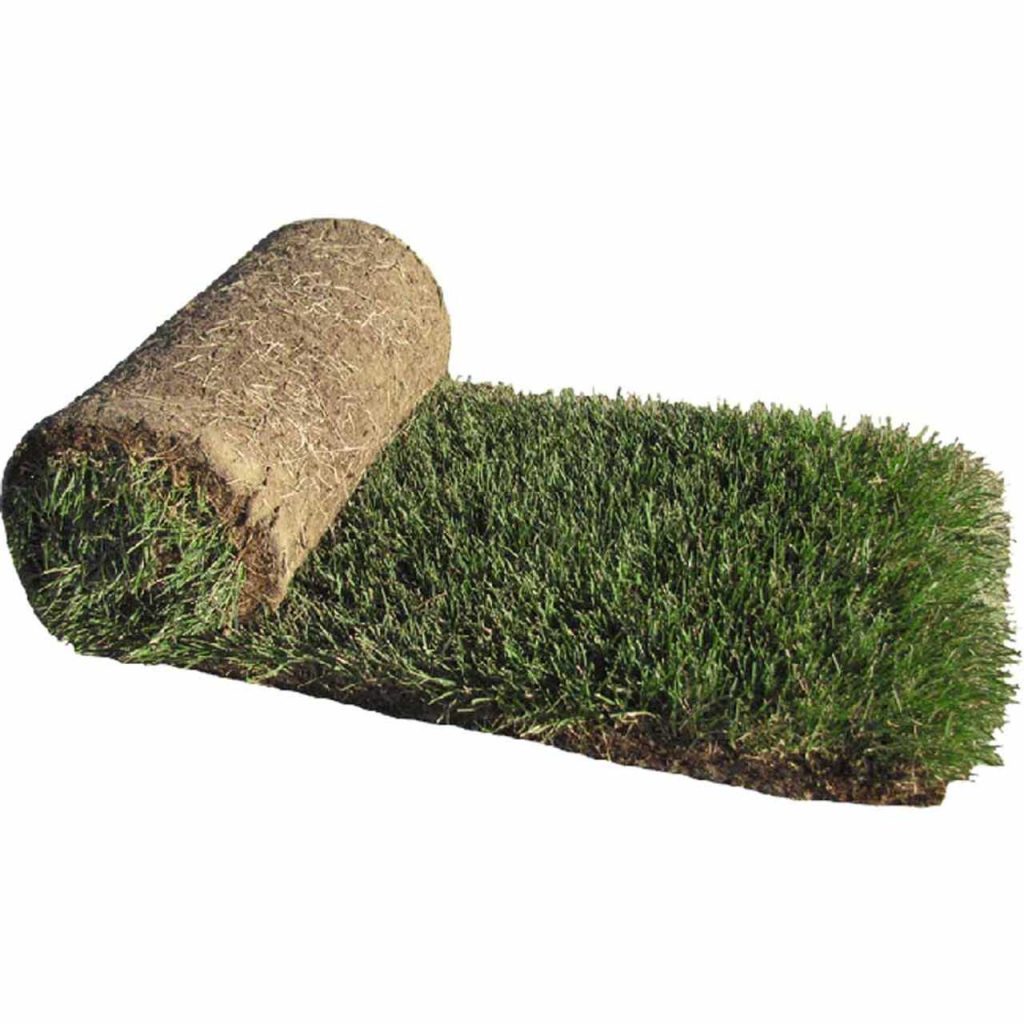
For a lush, vibrant Kentucky bluegrass lawn, using the right fertilizer is key. The best approach is to opt for a balanced fertilizer with nitrogen, phosphorus, and potassium, tailored to the grass’s growth cycle and soil needs. Regular feeding during the growing season ensures your lawn stays healthy, green, and resistant to weeds and pests.
In short, choose a fertilizer with a high nitrogen content in spring and early summer to promote lush growth, and switch to a slow-release or lower-nitrogen formula in late summer and fall to prepare the grass for winter. Regular testing of your soil can help fine-tune your fertilization plan for optimal results.
Getting a thick, green Kentucky bluegrass lawn starts with understanding its nutritional needs. This grass variety thrives when fed with a fertilizer rich in nitrogen, which promotes vibrant, lush blades. In early spring, apply a fertilizer with a higher nitrogen percentage to kickstart growth, then continue with balanced feeds throughout the season. Avoid over-fertilizing, as this can lead to disease and weak roots. Additionally, fertilizing in fall with a slow-release formula helps strengthen roots for winter dormancy. Remember, healthy soil management combined with proper fertilization is the secret to a beautiful Kentucky bluegrass lawn that’s the envy of your neighborhood.

What Fertilizer to Use on Kentucky Bluegrass
Understanding Kentucky Bluegrass and Its Nutritional Needs
Kentucky bluegrass thrives when it gets the right balance of nutrients. It prefers a soil with good fertility to stay lush, green, and healthy. Proper fertilization helps it resist pests, diseases, and drought stress.
This grass type responds well to a combination of nitrogen, phosphorus, and potassium. Each nutrient plays a specific role in promoting healthy root development, vibrant color, and overall growth. Knowing these needs guides you to select the best fertilizer for your lawn.
Key Nutrients for Kentucky Bluegrass
- Nitrogen (N): Supports lush green growth and quick recovery. It’s the most critical nutrient for vibrant color.
- Phosphorus (P): Encourages strong root systems and seedling establishment. Essential during the early growth stages.
- Potassium (K): Helps improve drought tolerance, disease resistance, and overall lawn resilience.
A balanced fertilizer with these three nutrients ensures your Kentucky bluegrass remains thick and green throughout the growing season.
Timing Your Fertilizer Applications
Proper timing maximizes the benefits of fertilization. Typically, fertilize Kentucky bluegrass during its active growing periods. In most regions, this is late spring through early fall.
Apply fertilizer in early spring as the grass begins to green up, then again in late spring or early summer. Avoid fertilizing during extreme heat or drought conditions, as this can stress the lawn.
Choosing the Right Type of Fertilizer
Fertilizers come in several forms, each suitable for different needs and schedules. The main types include:
Granular Fertilizer
These are slow-release or quick-acting pellets. They are easy to apply with a spreader and provide nutrients over time. Slow-release options are preferred for steady feeding.
Liquid Fertilizer
Applied with a sprayer, liquid fertilizers provide immediate nutrients. They are useful for quick greening but require more frequent applications.
Organic vs. Synthetic Fertilizers
Organic fertilizers, such as composted manure or bone meal, improve soil health naturally. Synthetic fertilizers are formulated for quick, predictable results but should be used carefully to avoid over-fertilization.
Recommended Fertilizer Ratios for Kentucky Bluegrass
For optimal growth, look for fertilizers with ratios such as 16-4-8 or 20-5-10. These formulas provide higher nitrogen levels for lush greenery, with enough phosphorus and potassium to support root health and stress resistance.
The ideal fertilizer should be labeled with a nutrient analysis. For example, 20-0-10 indicates 20% nitrogen, no phosphorus, and 10% potassium.
How to Apply Fertilizer Correctly
Follow the manufacturer’s instructions carefully regarding application rates. Overapplication can harm the grass and pollute the environment.
Use a broadcast spreader for even coverage, especially with granular fertilizers. Water the lawn after fertilizing to help nutrients penetrate the soil.
Apply fertilizer when the grass is dry, and avoid fertilizing before heavy rain. This prevents runoff and ensures nutrients reach the roots.
Soil Testing and Fertilizer Adjustments
Before starting your fertilization routine, perform a soil test. It reveals nutrient levels and soil pH, guiding you to choose the most suitable fertilizer.
Adjust your fertilization plan based on test results. If your soil is rich in nutrients, a lighter application may be enough. If deficient, more targeted feeding is necessary.
Special Considerations for Different Seasons
During spring, focus on fertilizers high in nitrogen to promote quick green-up. In summer, use fertilizers with balanced nutrients to sustain growth without stressing the grass.
In fall, apply a fertilizer with higher potassium content to prepare the lawn for winter dormancy. This enhances disease resistance and root strength.
Additional Tips for Healthy Kentucky Bluegrass
- Maintain proper mowing height to promote healthy roots and prevent stress.
- Water deeply and infrequently to encourage strong root development.
- Control weeds and pests that compete with your grass for nutrients.
- Ensure good soil drainage to prevent disease and nutrient leaching.
Regular fertilization combined with good lawn care practices results in a thick, green Kentucky bluegrass that stands out in your yard.
Related Topics to Consider
- How to Improve Soil Quality for Kentucky Bluegrass
- Best Mowing Practices for Kentucky Bluegrass
- Watering Tips for a Healthy Kentucky Bluegrass Lawn
- Pest and Disease Management in Kentucky Bluegrass
Choosing the right fertilizer and applying it properly ensures your Kentucky bluegrass remains healthy, vigorous, and attractive year-round. Stay consistent with your lawn care routine, and your yard will reward you with its lush green appearance.
Kentucky Bluegrass Care | DoMyOwn.com
Frequently Asked Questions
When is the best time to apply fertilizer to Kentucky bluegrass?
The optimal time to fertilize Kentucky bluegrass is during its active growth periods in spring and fall. Applying fertilizer in early spring helps promote healthy recovery after winter, while a fall application supports root development and prepares the grass for winter. It’s best to avoid fertilizing during the hot summer months to prevent stress and potential damage.
What nutrient ratio should I look for in a fertilizer for Kentucky bluegrass?
Choose a fertilizer with a balanced nutrient ratio, typically with nitrogen, phosphorus, and potassium. A common recommendation is a ratio like 3-1-2 or similar, emphasizing nitrogen for lush, green growth. Ensure the fertilizer supplies essential secondary nutrients such as iron and magnesium, which contribute to the overall health and vibrancy of Kentucky bluegrass.
Are organic fertilizers suitable for Kentucky bluegrass, and which ones work best?
Yes, organic fertilizers can effectively nourish Kentucky bluegrass. Look for options like composted manure, fish emulsion, or seaweed extracts. These organic options release nutrients slowly, improve soil health, and reduce the risk of burning the grass. Regular application throughout the growing season can maintain a healthy, green lawn with minimal environmental impact.
How often should I fertilize Kentucky bluegrass to maintain its health?
Fertilize Kentucky bluegrass approximately every 6 to 8 weeks during the active growing season. Begin in early spring and continue through late fall, adjusting based on weather conditions and lawn performance. Avoid over-fertilizing, as it can lead to excessive growth and potential disease issues. Always follow the recommended application rates on the fertilizer label.
Can I use a lawn starter fertilizer on established Kentucky bluegrass lawns?
Yes, a lawn starter fertilizer can benefit newly established Kentucky bluegrass by providing essential nutrients for root development and initial growth. However, for mature lawns, regular fertilizers with a balanced nutrient mix are more appropriate, as starter fertilizers are formulated specifically to support establishment rather than ongoing maintenance.
Final Thoughts
Choosing the right fertilizer for Kentucky bluegrass is essential for healthy, vibrant lawns. Use a balanced fertilizer with nitrogen, phosphorus, and potassium to promote growth and root development. Apply it in early spring and late fall for optimal results.
Adjust your feeding schedule based on grass health and seasonal needs. Consistent fertilization ensures your lawn stays lush and resilient.
What fertilizer to use on Kentucky bluegrass depends on your climate and soil condition. Proper fertilization keeps your lawn green and thick throughout the year.