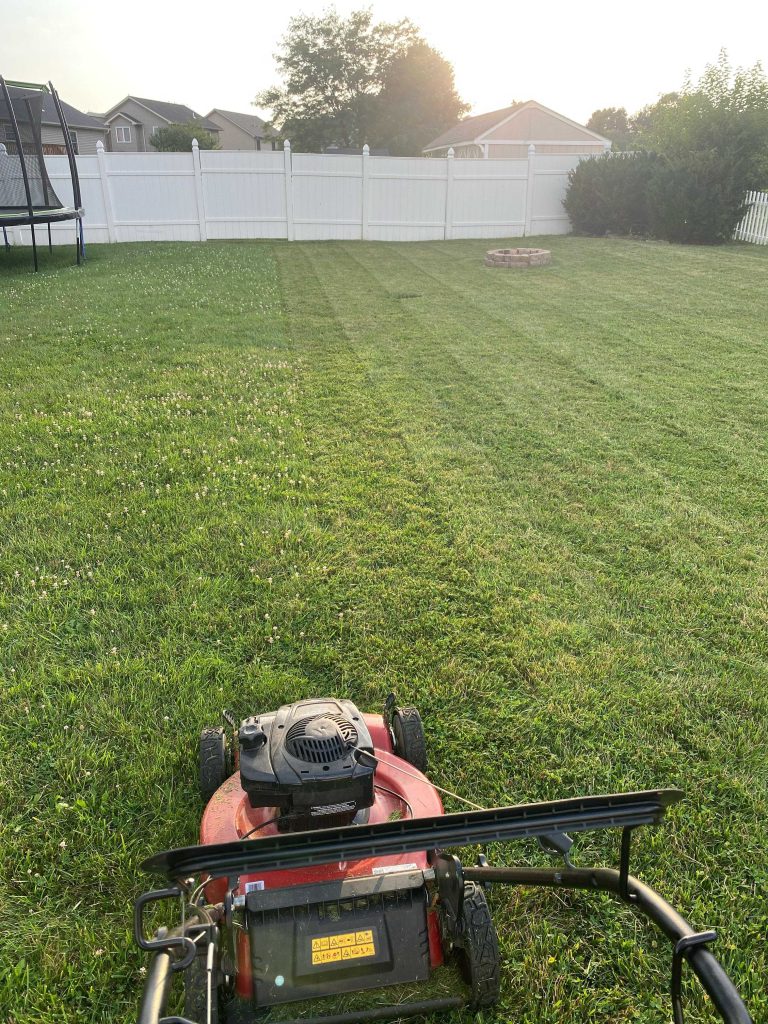
You can mow Kentucky bluegrass as short as 2 inches, but it’s best to keep it around 2.5 to 3 inches for a healthy, lush lawn. Mowing too short can damage the grass and promote weeds, so finding the right height is key.
Kentucky bluegrass generally thrives when kept at a height of about 2.5 to 3 inches, which helps it stay healthy and resist pests and diseases. While it’s possible to mow it shorter, doing so may weaken the grass and make it more vulnerable to stress and weeds. Proper mowing height is crucial for maintaining a vibrant, dense lawn that can handle foot traffic and weather fluctuations. Understanding how short you can mow Kentucky bluegrass helps you strike the right balance between maintaining a neat appearance and ensuring the grass stays vigorous and resilient.

How Short Can You Mow Kentucky Bluegrass
Mowing Kentucky bluegrass too short can cause damage and affect how well your lawn grows. It’s important to know the right height for mowing to keep your grass healthy and lush. Let’s explore exactly how short you can mow Kentucky bluegrass and what factors influence this.
Understanding Kentucky Bluegrass Growth
Kentucky bluegrass is a cool-season grass that thrives in moderate temperatures. It has a dense root system and spreads through rhizomes, which help it recover from mowing. This grass typically grows to about 12 to 24 inches naturally but is usually cut much shorter for lawn purposes.
The key to maintaining a healthy Kentucky bluegrass lawn is to recognize its growth habit. It grows actively in cooler months and slows down during hot summer days. Knowing this cycle helps determine the optimal mowing height.
What Is the Recommended Mowing Height for Kentucky Bluegrass?
The ideal mowing height for Kentucky bluegrass is generally between 2.0 and 3.0 inches. This height allows the grass to stay strong and healthy while resisting weeds and disease. Cutting the grass too short can weaken the turf and make it vulnerable.
To promote dense growth and avoid stress, avoid mowing below 2.0 inches unless necessary. Maintaining this height encourages deeper roots and better drought resistance.
Why Mowing Too Short Is Harmful
- Stress on the Grass: Cutting grass too short removes the protective leaf layer, making it more susceptible to dehydration and heat stress.
- Weak Root System: Shorter grass produces shallower roots, which reduces drought tolerance.
- Increased Weed Growth: Short turf leaves less shade for soil, allowing weeds to thrive more easily.
Can You Mow Kentucky Bluegrass Shorter Than 2 Inches?
While some may consider mowing even lower, doing so can seriously damage Kentucky bluegrass. Generally, staying above 2.0 inches is safer and better for the turf’s health. Mowing below this height is not recommended unless for specific reasons like overseeding or aeration.
If you must mow lower temporarily, ensure your mower blades are sharp and take small cutting passes to minimize stress.
Special Cases When Shorter Mowing Might Be Considered
- Overseeding: Cutting grass very short helps prepare soil for new seed.
- Clubroot or Disease Control: Shortening grass can sometimes reduce disease spread.
- Preparing for Winter: Cutting lower before dormancy can reduce turf load over cold months.
How to Safely Mow Kentucky Bluegrass
Follow these tips to mow safely without harming your Kentucky bluegrass:
- Set Mower Height: Keep your mower set between 2.0 and 3.0 inches.
- Use Sharp Blades: Dull blades tear grass, causing stress and disease.
- Follow the One-Third Rule: Never remove more than one-third of the grass blade at once to prevent stress.
- Adjust Frequency: Mow more frequently during active growth periods.
Effects of Mowing Height on Kentucky Bluegrass Health
Low Mowing and Its Impacts
Lower mowing heights may produce a neat lawn initially but can lead to long-term problems like shallow roots and increased vulnerability to weeds. It often results in a less resilient turf and higher maintenance costs.
Benefits of Higher Mowing Heights
- Deeper Roots: Grass develops a stronger root system that accesses water and nutrients more effectively.
- Better Drought Resistance: Taller grass shades soil, reducing evaporation and helping retain moisture.
- Healthier Turf: It provides more shade for soil microorganisms, promoting soil health and turf recovery.
Maintaining Your Kentucky Bluegrass Lawn
Consistent mowing at the right height is just one part of a healthy lawn routine. Proper watering, fertilizing, and aeration also contribute significantly to turf health. Avoid cutting the grass too short during droughts or hot weather to prevent undue stress.
Fertilization and Watering Tips
Apply a balanced fertilizer according to the season, usually in early spring and fall. Water deeply but infrequently, aiming for about 1 to 1.5 inches weekly, to promote deep root growth.
Proper Lawn Maintenance
- Aerate once a year to reduce soil compaction.
- Control weeds with proper mowing and fertilization.
- Adjust mowing height seasonally, raising it in summer to protect roots.
Related Topics to Consider
Overseeding Kentucky Bluegrass
Overseeding can help repair bare patches and improve lawn density. Always mow slightly lower before overseeding to prepare the soil surface, but return to standard mowing heights afterward.
Dealing with Pests and Diseases
Proper mowing height and frequency help prevent many common problems like fungal diseases and insect pests. Keep your grass healthy by not cutting it too short and removing debris regularly.
Lawn Care Equipment
- Mowers: Select a mower with adjustable height settings.
- Blades: Keep blades sharp for clean cuts.
- Additional tools: Use dethatchers and aerators to maintain healthy turf.
Summary
In conclusion, Kentucky bluegrass should primarily be mowed between 2.0 and 3.0 inches. Mowing shorter than this can cause turf stress, weaken roots, and lead to weed invasion. Always mow at the correct height, keep blades sharp, and follow best practices for lawn care to keep your Kentucky bluegrass looking its best.
Kentucky Bluegrass Pros and Cons
Frequently Asked Questions
What is the recommended mowing height for healthy Kentucky Bluegrass?
The ideal mowing height for Kentucky Bluegrass is generally between 2 to 3 inches. Maintaining this height helps promote strong root growth, improve drought tolerance, and prevent weed invasion. Avoid cutting the grass too short, as it can stress the plant and lead to a thinner, less resilient lawn.
How often should I mow Kentucky Bluegrass to keep it healthy?
During the peak growing season, you should mow Kentucky Bluegrass once a week. This regular schedule ensures the grass stays within the proper height range and promotes even, dense growth. Remove only one-third of the grass height at each mowing to minimize stress on the turf.
Can I mow Kentucky Bluegrass shorter than 2 inches?
While it’s technically possible to mow Kentucky Bluegrass below 2 inches, doing so regularly can damage the grass. Shorter mowing heights can weaken the turf, increase vulnerability to pests and diseases, and lead to soil root exposure. It’s best to stick to the recommended height range of 2 to 3 inches for optimal lawn health.
What are the risks of mowing Kentucky Bluegrass too short?
Mowing Kentucky Bluegrass too short can cause stress to the grass, reduce drought resistance, and make it more susceptible to weeds, pests, and diseases. It also hampers the grass’s ability to recover quickly after mowing or environmental stress, leading to thinning and patchy areas.
How does mowing height affect Kentucky Bluegrass’s ability to withstand drought?
Keeping Kentucky Bluegrass at a taller height, around 2 to 3 inches, helps shade the soil and retain moisture. Shorter mowing heights expose more soil to the sun, increasing evaporation and reducing the grass’s ability to withstand dry conditions. Proper mowing height is key to maintaining adequate moisture levels during drought periods.
Final Thoughts
You should mow Kentucky bluegrass to a height of 2.5 to 3 inches for optimal health. Cutting it too short can stress the turf and make it prone to disease.
Maintaining this height encourages strong root growth and resilience.
How short can you mow Kentucky bluegrass? Typically, avoid cutting below 2 inches to preserve the grass’s vitality and appearance.