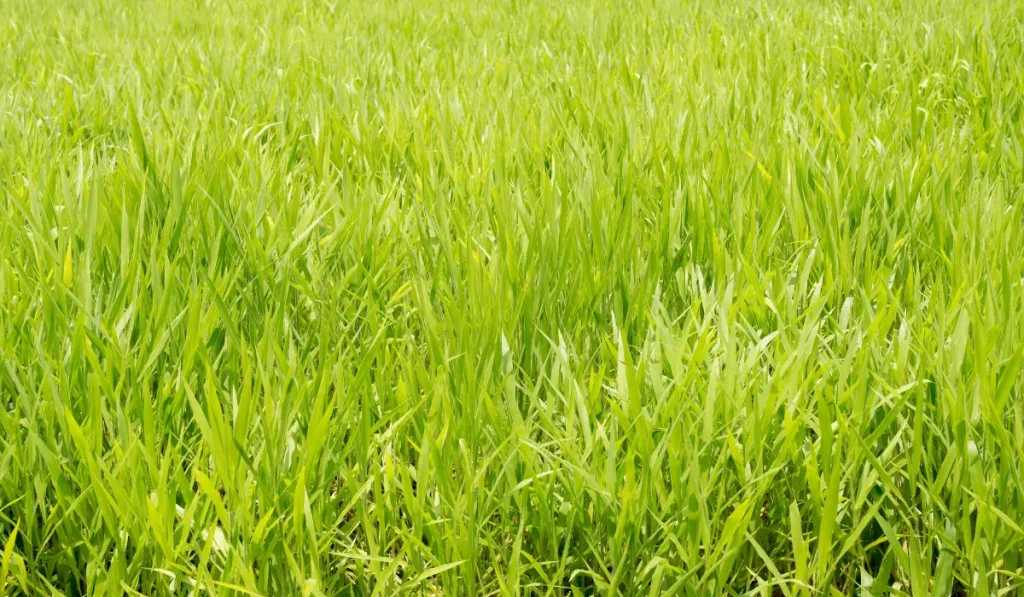
Yes, perennial ryegrass does come back year after year, making it a popular choice for lawns and sports fields. With proper care, this hardy grass can thrive through seasonal changes, regrow quickly after mowing, and withstand foot traffic. Its resilience ensures you’ll enjoy a lush, green carpet for many seasons to come.
Perennial ryegrass is known for its quick germination and rapid growth, which means it returns annually without much fuss. This grass variety is favored for its durability and vibrant color, especially in cooler months, providing a reliable and appealing landscape. Whether you’re starting a new lawn or maintaining an existing one, understanding how perennial ryegrass behaves and the best ways to care for it can help you achieve a thriving, evergreen result.
If you’re wondering whether perennial ryegrass will come back each year, the answer is a confident yes. It’s a perennial, designed to survive winter and regrow in spring, which makes it an excellent choice for those seeking a low-maintenance, lush turf. In this article, we’ll explore what makes this grass so resilient, how to care for it, and tips to ensure it stays healthy and vibrant season after season.

Does Perennial Ryegrass Come Back? An In-Depth Look
Understanding Perennial Ryegrass and Its Growth Cycle
Perennial ryegrass is a popular grass type used in lawns, sports fields, and pastures. It is known for its quick germination and lush green appearance. This grass is called “perennial” because it can live for more than two years, meaning it doesn’t need replanting each season. Instead, it naturally regrows from its existing root system.
The growth cycle of perennial ryegrass involves three main phases: germination, active growth, and dormancy. During the active growth phase, the grass produces new shoots and spreads across the soil. When the weather gets colder or conditions become less ideal, it enters dormancy, temporarily stopping growth. This cycle helps the grass survive through seasonal changes.
Does Perennial Ryegrass Naturally Come Back After Winter?
One common question homeowners and landscapers ask is whether perennial ryegrass reappears after winter. The answer is generally yes, but with some caveats. Because it is a hardy, cool-season grass, it tends to survive cold weather well. When spring arrives, it often begins to grow again on its own.
However, the extent of its comeback depends on several factors, including the climate of your region and how well you care for the lawn. In regions with mild winters, perennial ryegrass is more likely to come back vigorously. In colder areas, some plants may die back more significantly during winter but tend to recover in spring.
Factors That Influence Perennial Ryegrass Regrowth
There are multiple factors that affect whether perennial ryegrass will come back after seasonal changes or damage.
Climate and Weather Conditions
The climate plays a vital role in the grass’s ability to recover. Cool, moist environments promote vigorous regrowth, while extremely cold temperatures can cause some dieback.
Soil Health and Fertility
Healthy, nutrient-rich soil supports strong root systems. Proper soil pH and adequate nutrients enable perennial ryegrass to recover faster and develop a dense, green turf.
Watering Practices
Consistent watering helps the grass stay healthy. Too little water can weaken the roots, while overwatering can lead to disease. Well-maintained watering encourages regrowth after dormancy or damage.
Sunlight Exposure
Perennial ryegrass thrives in full sun but can tolerate some shade. Sufficient sunlight boosts photosynthesis, which supports faster recovery.
Damage and Wear
Heavy foot traffic or pet activity can damage the grass, making it less likely to bounce back if not properly managed. Regular aeration and overseeding can mitigate damage effects.
How to Promote Perennial Ryegrass Regrowth
If you want to encourage your perennial ryegrass to come back effectively, there are several steps you can take.
Overseeding in Spring
In early spring, overseeding with perennial ryegrass helps fill in bare spots and thickens the existing turf. Use high-quality seed that is suited for your climate.
Mowing Tips
Keep your lawn at an optimal height — typically around 2 to 3 inches. Proper mowing stimulates healthy root growth and prevents fungal diseases.
Fertilization Strategies
Apply a balanced fertilizer in early spring and late fall. Use a fertilizer rich in nitrogen to promote rapid green growth and recovery.
Proper Watering Schedule
Water deeply and infrequently to encourage deep roots. Avoid watering late in the day to prevent disease development.
Soil Aeration and Drainage
Aerate the soil annually to reduce compaction and improve air exchange. Well-drained soil prevents root rot and promotes healthy regrowth.
Signs That Perennial Ryegrass Is Not Coming Back
Sometimes, despite best efforts, perennial ryegrass may not regrow. Signs to watch for include:
- Persistent brown patches that do not green up in spring
- Thin or patchy areas with little to no new growth
- Presence of weeds where grass has died
- Soil that feels compacted or overly dry
If these symptoms persist, reseeding or replacing the turf might be necessary.
Perennial Ryegrass Versus Other Grasses
Compared to annual grasses, perennial ryegrass offers the advantage of coming back year after year.
Perennial Ryegrass vs. Tall Fescue
Tall fescue also persists through cold weather but has a coarser texture. Ryegrass provides a finer, more uniform appearance.
Perennial Ryegrass vs. Kentucky Bluegrass
Kentucky bluegrass is known for its dense growth but may require more attention and water. Ryegrass is more forgiving and easier to establish quickly.
Perennial Ryegrass and Mixture Lawns
Often, perennial ryegrass is mixed with other cool-season grasses for better resilience and aesthetics. This combination ensures a more resilient lawn capable of bouncing back after wear or seasonal dieback.
Seasonal Maintenance Tips for Ensuring Perennial Ryegrass Comes Back
Maintaining your lawn through different seasons improves the chances of perennial ryegrass returning robustly each year.
Spring Cleanup
Remove debris, aerate, and overseed to prepare for active growth.
Summer Care
Water early mornings and avoid high heat stress by providing shade if needed.
Fall Preparation
Fertilize with a nitrogen-rich formula to promote root development and prepare the grass for winter dormancy.
Winter Protection
Avoid heavy foot traffic during cold months and consider applying a winterizing fertilizer if your region experiences harsh winters.
Summary
Perennial ryegrass generally comes back after winter or damage thanks to its hardy nature and vigorous growth cycle. Factors such as climate, soil quality, watering, and mowing influence how well it regrows. Proper lawn care practices, like overseeding, fertilizing, and aerating, support healthy recovery.
By understanding these key aspects, you can maximize the chances that your perennial ryegrass lawn remains lush and green year after year. Regular maintenance and attentive care are your best tools for encouraging natural regrowth and ensuring a beautiful, resilient turf.
Perennial Ryegrass Pros and Cons
Frequently Asked Questions
Will perennial ryegrass regrow after winter dormancy?
Perennial ryegrass typically goes dormant during cold winter months, especially in regions with harsh winters. However, it usually begins to grow again in the spring as temperatures rise and conditions become more favorable. Proper lawn care, such as fertilization and adequate watering before dormancy, can encourage quicker regrowth once the growing season resumes.
How can I encourage perennial ryegrass to re-establish after damage?
If your perennial ryegrass has been damaged due to drought, disease, or heavy foot traffic, you can promote its recovery by providing proper watering, fertilization, and aeration. Overseeding the affected areas with new ryegrass seed can also help fill in thin spots, ensuring a dense and healthy turf that comes back strong each season.
Does perennial ryegrass need reseeding every year?
Perennial ryegrass generally does not require reseeding every year if maintained properly. It is a hardy grass that establishes quickly and persists through many seasons. However, occasional overseeding can improve turf density, especially in areas that wear out or become patchy over time, helping it bounce back reliably.
What environmental conditions promote the comeback of perennial ryegrass?
Perennial ryegrass thrives when it receives adequate sunlight, consistent moisture, and mild temperatures. It responds well to regular fertilization and proper mowing practices. These conditions support healthy growth, enabling the grass to recover and come back vigorously each year.
Final Thoughts
Perennial ryegrass typically comes back each year if conditions are suitable. It thrives in areas with good soil, adequate moisture, and regular sunlight. Proper maintenance, such as fertilizing and mowing, encourages healthy regrowth.
In conclusion, does perennial ryegrass come back? Yes, it reliably returns annually when cared for properly, making it a popular choice for lawns and pastures.