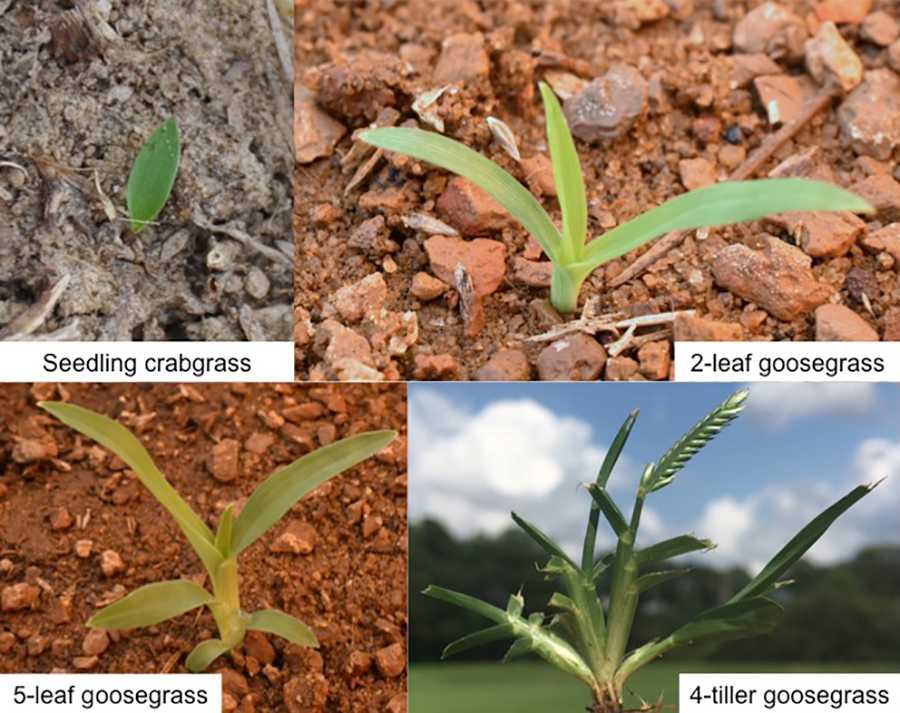
Crabgrass in its early stages can be surprisingly unassuming, making it easy to overlook until it starts to spread. In its initial growth, it appears as small, light green patches with a low, clumpy appearance that gradually begins to stand out from surrounding grass. Recognizing these early signs is crucial for effective control, as crabgrass can quickly take over your lawn if left unchecked. The key is understanding what it looks like now, so you can spot it early and act swiftly.
**In the early stages, crabgrass appears as small, light green tufts with a somewhat coarse texture. It starts as low-growing patches that gradually become more noticeable, especially during warm months when it begins to spread rapidly.**
Spotting crabgrass early is essential for maintaining a lush, healthy lawn. The quick growth and spreading nature of this weed make it a common challenge for homeowners. By familiarizing yourself with its initial appearance, you can take immediate steps to prevent an invasive infestation. Early detection and prompt action can save you time, effort, and money in the long run, keeping your outdoor space looking its best.

What does crabgrass look like in early stages?
Identifying crabgrass in its early stages is key to controlling its spread in your yard. At first, it looks quite different from your regular grass, which makes early detection important. Knowing what to look for can help you take quick action before it becomes a big problem.
Basic Characteristics of Young Crabgrass
In the initial phase, crabgrass appears as small, thin patches of grass that are lighter in color than your lawn. These patches often look a bit rough and may have a slightly fuzzy texture. The seedlings are usually about one to three inches tall, making them easy to miss if you’re not paying close attention.
Color and Texture: Young crabgrass is typically a light green or yellow-green shade. Its leaves are soft but slightly coarse to the touch. As it grows, it develops a rougher texture due to the developing seedheads and leaves.
Growth Pattern: Early crabgrass tends to spread quickly, forming irregular patches. Its growth is low to the ground, often resembling a tuft of grass with spreading stems. It often emerges in bare spots or thin patches where grass struggles to grow.
How to Distinguish Crabgrass from Other Weeds
Crabgrass can look similar to other common weeds in its early stages. However, there are specific features that set it apart. Recognizing these can save you time and effort in weed management.
| Feature | Crabgrass | Other Weeds |
|---|---|---|
| Leaf Shape | Long, narrow leaves with a rolled edge | Typically broader or more rounded leaves |
| Color | Light green or yellow-green | Varies widely, often darker or dull |
| Growth Pattern | Spreading, low-growing patches with a somewhat coarse texture | More upright, less spreading at the base |
| Seedheads | Develops small seedheads early on, which are distinct and rough | Usually lacks seedheads in early stages or has different seed structure |
Crabgrass Seedlings: What Do They Look Like?
Crabgrass seedlings emerge from tiny seeds that land on the soil surface. These seedlings are quite small and delicate but grow rapidly once established.
Seedling Appearance: The young seedlings have slender, pointed leaves that are slightly hairy or fuzzy. They often appear in clusters, making small, dense patches in your lawn.
Seedling Color: Most seedlings are light green but may turn yellowish if they are under stress or if the soil lacks nutrients.
Early Stages of Crabgrass Growth
Germination and Seedling Development
Crabgrass seeds typically germinate in warm soil during late spring or early summer. Once sprouted, seedlings quickly develop their distinctive leaves and roots. They can start growing within a few days after germination, especially in warm, moist conditions.
During this stage, they are vulnerable to natural control methods, making it easier to prevent establishment if detected early.
Leaf Arrangement and Growth Pattern
In early stages, crabgrass leaves grow in a rosette pattern close to the ground. Each plant produces several narrow, flat leaves that spread outwards. This growth form allows it to cover ground efficiently and compete with your desirable grass.
Visual Clues for Early Detection
Spotting crabgrass early involves paying attention to specific visual cues. Here are some tips:
- Look for light green patches that emerge suddenly and spread quickly.
- Check for thin, long leaves growing in a rosette pattern close to the soil surface.
- Notice if the patches are rough in texture compared to your surrounding grass.
- Observe small seedheads forming at the tips of stems in the early flowering stage.
Common Locations for Early Crabgrass Growth
Crabgrass prefers certain areas in your yard for sprouting in early stages. These spots often include:
- Bare patches where grass is thin or missing
- Areas with poor soil drainage or compaction
- Warm, sunny spots with little shade
- Edges of lawns, driveways, or sidewalks
Seasonal Factors Influencing Early Crabgrass Appearance
The timing of crabgrass growth depends largely on weather conditions. Warm soil temperatures, typically above 55°F, promote germination. In warmer climates, early detection can happen as early as late spring, while cooler areas may see it developing later in summer.
Summary of Key Identification Features in Early Stages
To recap, early crabgrass can be identified by:
- Light green or yellow-green patches
- Thin, narrow, and slightly fuzzy leaves
- Growth close to the ground in rosette formations
- Rapid spreading and development of seedheads
- Emergence in bare or thin lawn areas
Being aware of these characteristics can help you spot crabgrass before it becomes a major issue. Regular lawn checks during the growing season can help maintain a healthy yard and prevent crabgrass from taking over.
Early Summer Crabgrass Control
Frequently Asked Questions
What are the initial visual signs of crabgrass in its early growth stages?
In the early stages, crabgrass appears as small, light green patches that emerge quickly. The leaves are narrow and blade-like, typically growing a few inches tall. These patches often have a slightly fuzzy texture and tend to spread rapidly across bare or open soil areas in your lawn.
How can I identify new crabgrass growth among other weeds or grass types?
New crabgrass growth is usually distinguishable by its clumping appearance and the way it sprawls across the ground. Unlike finer grasses, crabgrass blades are broader at the base and grow in a more irregular pattern. Its quick spread and the slightly lighter color also help differentiate it from other grasses, especially during the early growth phase.
What distinguishes young crabgrass seedlings from desirable lawn grasses?
Young crabgrass seedlings are easier to identify because they grow rapidly and have a distinctive light green hue. They tend to form low mats with coarse, coarse-textured blades. In contrast, many lawn grasses grow more uniformly and have finer, softer blades, making crabgrass stand out when it first appears.
When should I start noticing the first signs of crabgrass during the year?
You typically notice the first crabgrass seedlings emerging in late spring or early summer when temperatures rise above 55°F (13°C). The seedlings sprout quickly, often within days of warm weather, and can be seen spreading across bare patches of soil during this period.
Are there specific conditions that promote the early appearance of crabgrass?
Crabgrass tends to appear early when the soil warms up quickly and after periods of moisture or rain. It thrives in compacted, thin lawns with bare spots, where it can quickly take hold. Areas with poor soil fertility or low mowing heights also favor its early growth, as crabgrass seeds germinate more readily in such conditions.
Final Thoughts
Crabgrass in its early stages appears as small, slender, and flat patches of light green or brownish grass. It spreads quickly, forming a dense mat that stands out from regular lawn grass. The leaves are broad and have a coarse texture, making it identifiable among healthy turf.
Early detection is key to controlling crabgrass before it becomes widespread. Watch for these initial signs, especially during warm spring days.
What does crabgrass look like in early stages? Recognizing its size, color, and growth pattern helps you act promptly. This awareness allows you to manage and prevent further spread effectively.