
In this guide, you’ll learn what Bermuda grass seeds look like and how to identify them accurately. Knowing the appearance of Bermuda grass seeds helps you plant and grow a lush, healthy lawn. We’ll cover seed features, tips for identification, and common troubleshooting advice.
Key Takeaways
- Appearance: Bermuda grass seeds are small, oval-shaped, and typically tan or light brown.
- Size: They usually measure about 1/8 inch long, making them easy to spot once you know what to look for.
- Texture: The seeds are smooth with a slightly shiny surface.
- Shape: They are elongated and slightly flattened, resembling tiny grains of rice.
- Identification tips: Look for the seed’s pointed tip and rounded base for accurate identification.
- Seed vs. Grass: Understanding the seed’s appearance helps distinguish it from mature Bermuda grass blades.
Introduction
If you’re planning to grow Bermuda grass or want to identify it in your yard, knowing what Bermuda grass seeds look like is essential. Many gardeners and landscapers find it challenging to recognize these tiny seeds among other lawn debris or weeds. In this guide, we’ll explore the visual features of Bermuda grass seeds, how to distinguish them from other seeds, and practical tips for successful planting. By the end, you’ll be confident in identifying Bermuda grass seeds and understanding their role in lawn health.
Understanding Bermuda Grass and Its Seeds
Bermuda grass (Cynodon dactylon) is a popular warm-season grass known for its durability and dense growth. It is often used on sports fields, golf courses, and home lawns in warm climates. While mature Bermuda grass spreads through runners and stolons, it also produces seeds that can be used for planting or overseeding. Recognizing these seeds helps in establishing or revitalizing your lawn effectively.
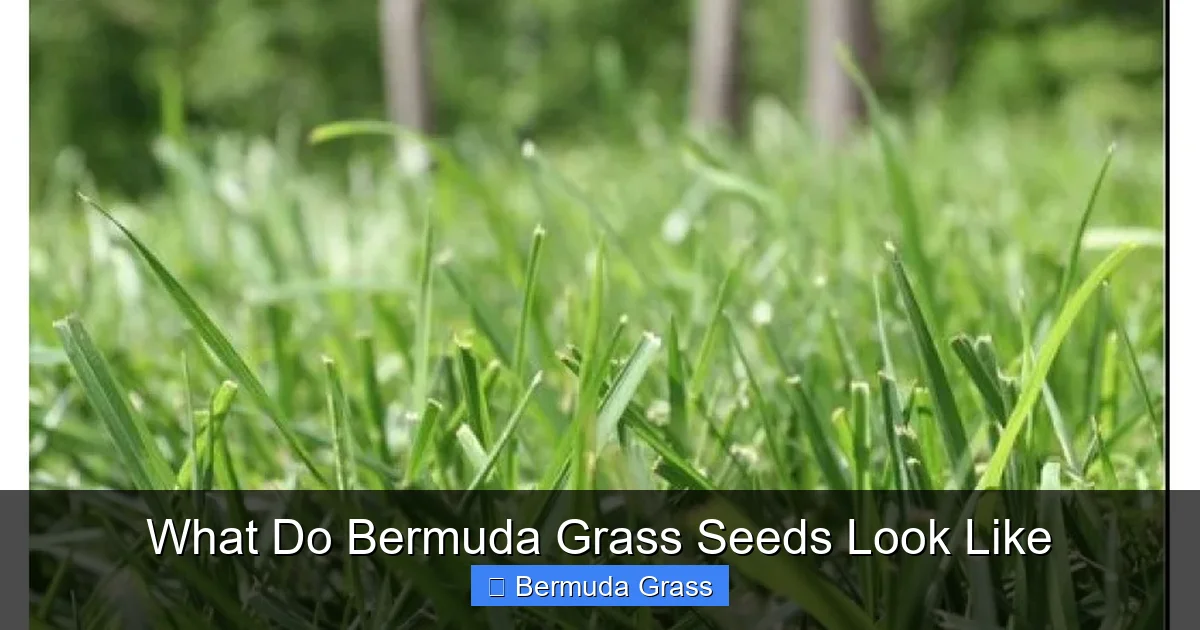
Visual guide about What Do Bermuda Grass Seeds Look Like
Image source: thegardenstore.sg
What Do Bermuda Grass Seeds Look Like?
Bermuda grass seeds are quite small but have distinctive features that set them apart from other grass seeds. Here’s a detailed breakdown of their appearance:
Size and Shape
- Size: Approximately 1/8 inch (3 mm) long, about the size of a matchstick head.
- Shape: Elongated and oval-shaped, resembling tiny grains of rice or small beans.
Color and Texture
- Color: Usually light brown or tan, though some may appear slightly darker or greener depending on maturity.
- Texture: Smooth surface with a slightly shiny or glossy appearance, which helps distinguish it from duller weed seeds.
Other Visual Features
- Pointed Tip: One end of the seed tapers to a small point.
- Rounded Base: The opposite end is more rounded and blunt.
- Seed Coat: Thin but tough outer layer that protects the embryo inside.
How to Identify Bermuda Grass Seeds in Your Lawn
Identifying Bermuda grass seeds can be straightforward if you know what signs to look for. Here’s a step-by-step process:
Step 1: Collect a Sample
Gather a handful of lawn debris, including brown patches, seed heads, or dried grass clippings. Use gloves if desired to prevent staining or irritation.
Step 2: Examine the Seeds
- Spread the sample on a clean surface, like a white plate or piece of paper.
- Use a magnifying glass or hand lens to get a closer look.
Step 3: Look for Key Features
- Identify small, oval-shaped seeds measuring about 1/8 inch long.
- Check for the smooth, shiny surface and the pointed tip of the seed.
- Note the light brown color typical of Bermuda grass seeds.
Step 4: Compare with Other Seeds
- Distinguish Bermuda grass seeds from weed seeds or other grass seeds by size, shape, and color.
- Remember, Bermuda grass seeds are smaller and more elongated than many weed seeds.
Practical Tips for Buying and Planting Bermuda Grass Seeds
To ensure successful lawn growth, selecting quality Bermuda grass seeds is key. Here’s how to choose and plant them:
Tip 1: Choose Certified Seeds
Buy seeds from reputable suppliers who provide certification for purity and germination rates. This increases the chance of healthy, vigorous plants.
Tip 2: Check Seed Appearance
Inspect the seeds upon purchase to ensure they match the typical appearance described earlier. Avoid seeds that are dull, broken, or inconsistent in size.
Tip 3: Proper Planting Techniques
- Plant Bermuda grass seeds in warm soil (ideally above 65°F or 18°C).
- Spread seeds evenly over the prepared soil surface.
- Lightly rake the soil to cover the seeds with a thin layer of soil or compost.
- Water gently but thoroughly to keep the soil moist.
Common Troubleshooting and Tips
- Seeds Not Germinating: Ensure soil temperature is warm enough and keep the soil consistently moist.
- Seeds Are Dull or Dried Out: Use fresh, high-quality seeds for better germination.
- Mixing Seeds: When planting mixed grass seeds, confirm Bermuda grass seeds are distinguishable by their appearance to avoid misplanting.
Conclusion
Knowing what Bermuda grass seeds look like is a valuable skill for lawn enthusiasts and landscapers. Recognizing their small, oval, light brown appearance makes it easier to identify and ensure successful planting. With proper selection, planting techniques, and care, you can establish a dense, lush Bermuda grass lawn that thrives in warm climates. Remember, the key is careful inspection and choosing quality seeds for the best results.
Additional Resources
For more tips on Bermuda grass care or seed purchasing, consult local garden centers or turf specialists. Proper identification is just the first step toward a beautiful, healthy lawn.