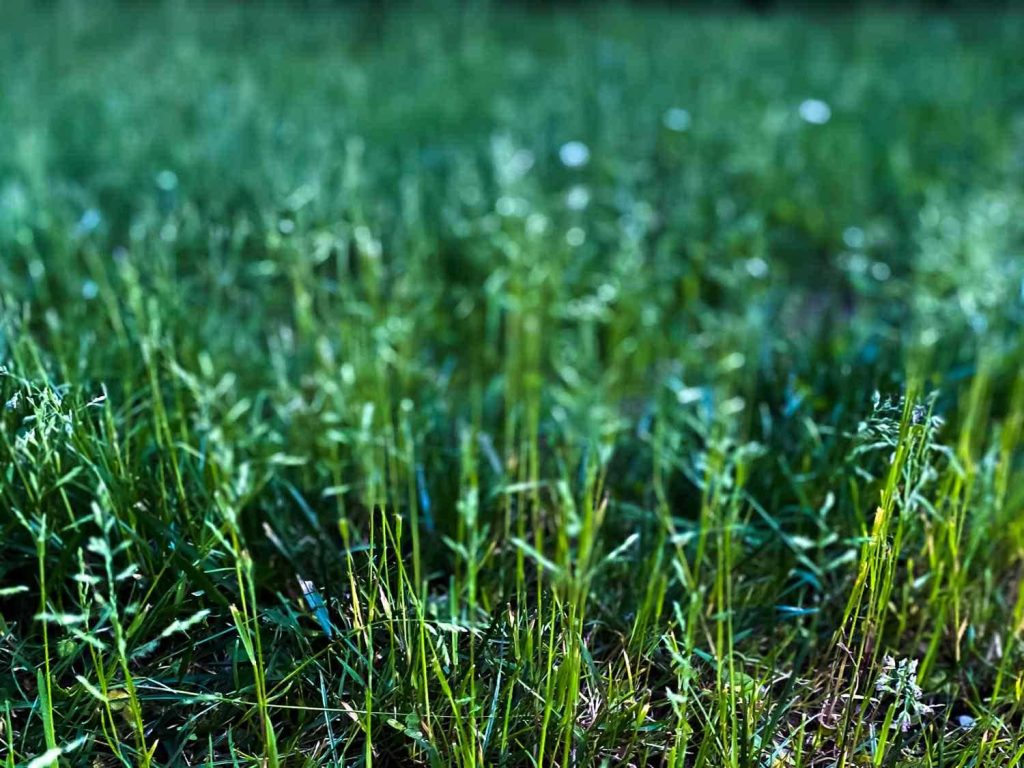
Kentucky bluegrass is a popular choice for lawns because of its lush green appearance and durability, but it’s not perfect. One of the main drawbacks is that it requires frequent watering, especially during hot, dry spells, which can lead to high water bills and extra maintenance. Additionally, this grass type tends to be slow to establish and can be susceptible to pests and diseases, making it less resilient in certain climates. While it’s beautiful when well-maintained, its need for consistent care and irrigation can be a challenge for homeowners looking for a low-maintenance lawn.
In short, Kentucky bluegrass is beautiful but demands a lot of attention, water, and care to thrive. Its susceptibility to pests, slow growth, and high water requirements can make it a less practical option for those seeking an easy-to-maintain yard. If you’re considering it for your lawn, understanding these drawbacks can help you prepare for the ongoing upkeep needed to keep it looking its best.

What are the drawbacks of Kentucky bluegrass?
High Water Needs and Maintenance Requirements
Kentucky bluegrass demands a lot of water to stay healthy and green. If the lawn does not receive enough moisture, the grass can turn brown and become patchy. This means homeowners often need to water regularly, especially during dry seasons.
Maintaining a lush, green Kentucky bluegrass lawn also requires frequent mowing, fertilizing, and aeration. These tasks can take up time and money, making it less ideal for people looking for low-maintenance grass options.
Vulnerability to Drought and Heat Stress
While Kentucky bluegrass thrives in cool environments, it struggles during hot and dry weather. In regions with high temperatures or little rainfall, the grass can become stressed. It might turn yellow or brown, and its overall health declines.
This makes Kentucky bluegrass less suitable for drought-prone areas. To keep it alive, you often need to irrigate more often, which can lead to higher water bills.
Limited Tolerance to Heat and Sun
Kentucky bluegrass prefers cooler climates and does not handle prolonged exposure to direct sunlight well. In areas with hot summers, the grass can suffer from heat stress.
This results in thinning patches and an uneven appearance, reducing the lawn’s visual appeal. For regions with long, hot summers, alternative grasses might be a better choice.
Susceptibility to Pests and Diseases
Kentucky bluegrass is prone to several pests and diseases that can damage the lawn. Common issues include fungal diseases like dollar spot and brown patch, which cause brown or dead patches.
Insects such as chinch bugs and grub worms can also attack the grass roots, leading to weak and patchy lawns. Proper lawn care can reduce these problems, but they still pose a significant challenge for many homeowners.
Slow Recovery from Damage
Compared to other grass types, Kentucky bluegrass recovers slowly after damage. If the lawn experiences heavy foot traffic, drought stress, or pest attacks, it takes longer to bounce back.
This slow recovery can result in an uneven appearance and require more patching or reseeding. Homeowners need to be patient and consistent with care to see improvements.
Cost of Establishment and Maintenance
Starting a Kentucky bluegrass lawn can be expensive. The costs include purchasing quality seeds or sod, fertilizer, and lawn care tools.
Additionally, ongoing maintenance—watering, fertilizing, and pest control—adds to the overall expense. For those on a tight budget, these costs may be a drawback.
Not Ideal for Shady Areas
Kentucky bluegrass prefers full sun and does poorly in shaded spots. In shaded lawns, it tends to thin out and become patchy.
This limitation means that areas under trees or in shaded yards may not support healthy Kentucky bluegrass growth. Alternative shade-tolerant grasses are often better suited for such conditions.
Environmental Impact of Water Usage
The high water requirements of Kentucky bluegrass can contribute to increased water consumption. In areas facing water restrictions or drought conditions, maintaining this grass can be environmentally challenging.
Excessive watering may also lead to runoff or water wastage, impacting local water sources. Homeowners should consider eco-friendly alternatives or xeriscaping to reduce environmental impact.
Risk of Over-fertilization and Runoff
Maintaining a vibrant Kentucky bluegrass lawn often involves frequent fertilization. Over-application of fertilizers can lead to nutrient runoff, contaminating nearby water bodies.
This runoff can cause algae blooms and harm aquatic ecosystems. Proper fertilization practices are essential to minimize environmental risks.
Clumping Growth and Thatch Buildup
Kentucky bluegrass tends to grow in clumps, which can lead to uneven lawns with bare patches. Over time, this growth pattern can cause thatch buildup—a dense layer of dead grass roots and stems.
A thick thatch layer can hinder water and nutrient penetration, leading to unhealthy grass. Regular dethatching or aeration is necessary to control this issue.
Incompatibility with Certain Soil Types
While Kentucky bluegrass adapts well to many soils, it prefers well-drained, fertile ground. Poorly drained or compacted soils can inhibit root growth and cause the grass to struggle.
Soil improvement through aeration and fertilization may be needed, increasing maintenance efforts and costs.
Though Kentucky bluegrass remains popular for its lush, appealing appearance, its drawbacks must be considered. Its high water and maintenance needs, susceptibility to pests and diseases, and limited tolerance to heat and shade make it less suitable in some regions. Understanding these challenges helps homeowners decide whether Kentucky bluegrass is the right choice for their lawn.
Kentucky Bluegrass Pros and Cons
Frequently Asked Questions
What challenges does Kentucky bluegrass face in drought conditions?
Kentucky bluegrass struggles to maintain its lush appearance during extended periods of drought. It requires consistent watering to stay healthy, as it is not particularly drought-tolerant. Without adequate moisture, the grass can turn brown and become more susceptible to pests and diseases, leading to increased maintenance efforts.
How does Kentucky bluegrass react to heavy foot traffic?
Heavy foot traffic can cause significant wear and tear on Kentucky bluegrass lawns. The grass blades may become compacted, which hampers air and water penetration to the roots. Over time, this can lead to thinning patches, increased weed invasion, and a less resilient turf that requires frequent repair and maintenance.
What are the limitations of Kentucky bluegrass in shaded areas?
Kentucky bluegrass does not perform well in shaded conditions. It prefers full sun and can struggle to establish itself under trees or structures that block sunlight. In shaded spots, the grass may grow patchy, thin out, and become more vulnerable to disease, making it less suitable for heavily shaded lawns.
Does Kentucky bluegrass adapt well to different soil types?
Kentucky bluegrass prefers well-drained, fertile soils for optimal growth. It does not adapt well to soils with poor drainage or low fertility. In such conditions, the grass may develop weak roots, become prone to disease, and require frequent fertilization and soil amendments to thrive.
Final Thoughts
Kentucky bluegrass is popular for its lush appearance and durability. However, it requires frequent watering and fertilization to stay healthy, which can increase maintenance efforts. Its tendency to develop thatch can lead to poor air circulation and root health issues. Additionally, Kentucky bluegrass struggles to thrive in shady or drought-prone areas.
What are the drawbacks of Kentucky bluegrass? Its high water and fertilizer needs, susceptibility to thatch buildup, and limited adaptability to certain environments are key concerns for homeowners. These factors can make it less ideal for low-maintenance or challenging landscapes.