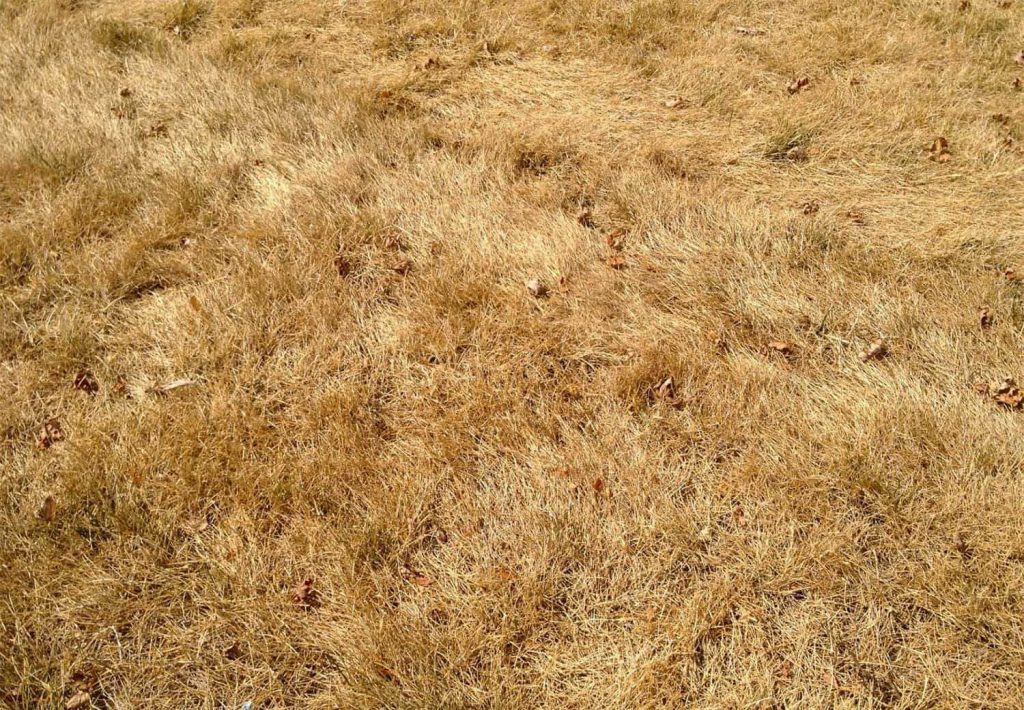
Yes, Bahia grass does go dormant in cold weather. During chilly months, this warm-season grass significantly slows its growth or turns brown, staying mostly inactive until temperatures rise again. This natural dormancy helps Bahia conserve energy and survive colder temperatures, but it can leave your lawn looking less vibrant.
Bahia grass generally becomes dormant when temperatures drop below 55°F (13°C), typically in winter. As the cold sets in, the grass’s growth slows down, and it often turns brown, giving your lawn a dormant appearance. Once warmer weather returns, Bahia quickly greens up and resumes active growth, making it a resilient choice for warm climates.
If you’re curious about maintaining a healthy Bahia lawn, understanding its dormancy cycle is key. Knowing that it naturally recedes in cold weather helps you manage expectations and plan your lawn care accordingly, especially if you live in regions with mild winters. Bahia’s ability to go dormant is a natural survival mechanism, ensuring it thrives in the heat and recovers when conditions improve.

Does Bahia grass go dormant in cold weather?
Understanding the Dormancy of Bahia Grass
Bahia grass, scientifically known as *Paspalum notatum*, is a warm-season grass that thrives in hot climates. During cold weather, many warm-season grasses enter a state called dormancy, where they temporarily stop growth to conserve energy. The question is, does Bahia grass follow this pattern? The answer is yes, Bahia grass does go dormant during cold temperatures, but the specifics can vary depending on climate and management practices.
Why Does Bahia Grass Go Dormant?
Dormancy allows Bahia grass to survive winter conditions when temperatures drop below optimal levels. When cold weather arrives, the plant perceives this change as stressful, prompting it to slow its metabolic activities. This process helps protect vital tissues from damage caused by freezing temperatures and periods of drought typical in winter months. As a result, the grass appears brown and dormant, giving the landscape a less lush appearance.
Temperature Thresholds for Dormancy
The onset of dormancy in Bahia grass typically occurs when temperatures fall below 55°F (13°C). Persistent cold below this threshold signals the grass to slow down growth. Dormancy becomes more pronounced as temperatures stay low for several weeks. Conversely, when spring arrives and temperatures rise above 65°F (18°C), Bahia grass begins to break dormancy and resume active growth.
Signs That Bahia Grass Is Going Dormant
- Color change from vibrant green to brown or straw-colored
- Growth slows down or stops entirely
- Grass blades appear stiff or brittle
- Decreased overall vitality and lushness
These signs indicate the grass is conserving energy until favorable warm conditions return.
The Effect of Cold Weather on Bahia Grass Roots
While above-ground parts of Bahia grass turn brown during dormancy, roots usually remain alive beneath the soil. The roots become dormant but retain the ability to grow again once temperatures increase. Proper soil insulation and good drainage can help protect roots during winter cold snaps, ensuring the grass recovers more quickly in spring.
How Long Does Dormancy Last?
The duration of dormancy depends on the severity and length of cold weather. In warmer regions, Bahia grass may remain active year-round or only experience brief dormancy. In contrast, areas with colder winters may see dormancy lasting several months. Typically, Bahia grass begins to break dormancy when soil temperatures reach around 65°F (18°C), signaling it to resume growth.
Managing Bahia Grass During Dormancy
Even while dormant, Bahia grass still needs some care. It’s important to avoid heavy foot traffic on dormant lawns to prevent damage. You should also monitor soil moisture levels, as dry soil can stress the grass further. Applying a light layer of mulch around the grass can provide extra insulation to the roots and help it recover faster.
Does Cold Weather Damage Bahia Grass?
Cold temperatures alone usually do not kill Bahia grass. The dormancy process protects the plant from cold damage. However, extreme cold events, especially sudden frosts or prolonged freezing, can cause some damage to the grass, including dieback of above-ground tissues. Proper lawn management and soil protection can mitigate these risks and promote faster recovery.
Strategies to Protect Bahia Grass in Cold Climates
Use of Coverings and Mulches
Applying mulch around the base of the grass can insulate roots and keep soil temperatures more stable. Covering the lawn with blankets or frost cloths during cold snaps provides additional protection.
Adjusting Watering Schedules
Reducing watering during dormancy prevents excess moisture in cold weather, which can lead to root rot. Maintain soil moisture at a moderate level to keep roots healthy.
Choosing the Right Lawn Management Practices
Proper mowing heights and avoiding fertilization late in the season also help Bahia grass withstand cold temperatures. Maintain a mowing height of around 2 to 3 inches to promote root health and shade the soil.
Related Topics
Differences Between Bahia Grass and Other Warm-Season Grasses
Bahia grass differs from Bermuda or Zoysia grasses in its dormancy patterns and cold tolerance. While Bermuda grass can tolerate colder temperatures better, Bahia is more sensitive and enters dormancy earlier.
Best Time to Plant Bahia Grass
The ideal planting period for Bahia grass is late spring to early summer when soil temperatures are consistently above 65°F. This timing ensures the grass establishes before dormancy begins.
Spring Recovery of Bahia Grass
As temperatures rise, Bahia grass emerges from dormancy. Proper fertilization and watering help it recover its green color and resume lush growth quickly.
Summary of Cold Weather Effects on Bahia Grass
In summary, Bahia grass does indeed go dormant in cold weather. This natural process helps it survive winter conditions but results in a temporarily less attractive lawn. With proper winter management practices, Bahia grass can bounce back robustly when warmer weather returns.
Understanding how Bahia grass reacts to cold weather helps homeowners and landscapers prepare for seasonal changes. While dormancy may reduce the lawn’s visual appeal during winter, it’s a crucial survival strategy. Proper care, protection, and timing can ensure your Bahia grass remains healthy and ready to flourish come spring.
Dormant or dead grass find out watch this short sub to channel fall renovation coming soon
Frequently Asked Questions
How does cold weather affect Bahia grass’s growth cycle?
Cold weather causes Bahia grass to slow down its growth significantly. During lower temperatures, the grass enters a dormant phase to conserve energy, which reduces its overall greenness and growth rate until warmer conditions return.
Does Bahia grass turn brown or die back during winter?
In colder climates, Bahia grass often turns brown or takes on a dormant, brownish appearance. While it appears dead, the grass usually recovers in warmer weather unless the cold persists for an extended period and causes actual damage to the roots.
What are the best practices to care for Bahia grass in regions with cold winters?
To protect Bahia grass in colder areas, avoid heavy fertilization late in the season and minimize foot traffic during dormancy. Applying a light layer of mulch can also provide insulation. In some cases, overseeding with cold-tolerant grasses can help maintain a green appearance year-round.
Can Bahia grass adapt to colder temperatures over time?
While Bahia grass is primarily suited to warmer climates, some strains may adapt to slightly cooler temperatures through selective breeding. However, it generally performs best in regions where winter temperatures do not drop too drastically, and it will still go dormant during colder months.
Final Thoughts
Bahia grass typically goes dormant during cold weather, especially when temperatures drop significantly. This dormancy helps the grass conserve energy and survive harsh conditions.
In colder regions, the grass may turn brown and appear lifeless, but it usually recovers in warmer months. Proper maintenance, like mowing and watering, supports its health during dormancy.
Does Bahia grass go dormant in cold weather? Yes, it does. Understanding this cycle helps you better care for your lawn and prepare for seasonal changes effectively.