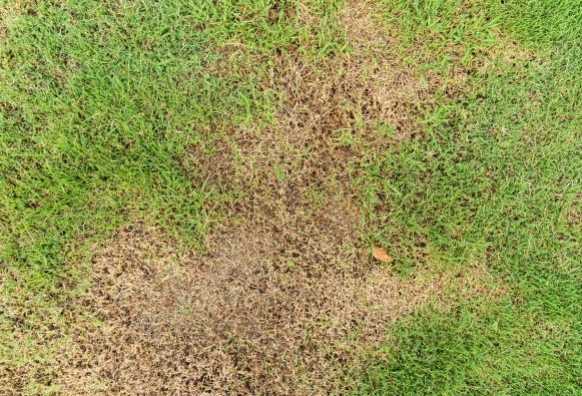
Brown spots in Bermuda grass can be frustrating, but understanding the cause can help you restore your lawn’s lush look. The main reasons often include pests, disease, drought stress, or improper watering and fertilization. Identifying and addressing these issues quickly can save your grass and keep your yard looking vibrant.
In short, brown spots in Bermuda grass usually result from pests like grubs, fungal diseases, or environmental stress such as lack of water or over-fertilization. Proper lawn care practices and timely treatment are essential for restoring your green, healthy grass.
If you’ve noticed unsightly brown patches appearing suddenly or spreading across your Bermuda lawn, you’re not alone. These spots can seem to pop up overnight, leaving many homeowners puzzled about what’s going wrong. The good news is that understanding the common causes—whether it’s pests, diseases, or environmental stress—can help you take targeted steps to fix the problem. Bermuda grass is a resilient, warm-season grass that thrives when properly cared for, but it’s sensitive to factors like drought, overwatering, or fungal infections that can turn healthy green patches into unsightly brown areas. Knowing what to look for and how to treat these issues can make all the difference in restoring your lawn’s vibrant appearance.

Why Do I Have Brown Spots in My Bermuda Grass?
Understanding Bermuda Grass and Its Growth Patterns
Bermuda grass is a popular warm-season turf grass known for its durability and lush appearance. It thrives in hot climates and provides a dense, green lawn. However, brown spots can appear, disrupting the uniform look of your yard. Knowing how Bermuda grass grows helps in identifying why these brown patches develop.
Bermuda grass spreads through underground runners called stolons and roots. This rapid growth allows it to recover quickly from damage, but it also makes it vulnerable to certain problems. Brown spots often signal an issue that needs attention to restore the grass’s health. Recognizing the normal growth patterns can help distinguish between natural dormancy and actual damage.
Common Causes of Brown Spots in Bermuda Grass
Several factors can lead to brown spots in Bermuda grass. These causes often intertwine, making it essential to examine your lawn carefully. Let’s explore the most common reasons behind these unsightly patches.
Pest Infestation
One major cause of brown spots is pest activity. Insects like grubs, billbugs, and armyworms attack Bermuda grass roots and blades. When pests feed on the grass, they weaken the plant, resulting in brown, dead patches. Regular lawn inspections can help detect pests early.
Fungal Diseases
Fungal infections such as dollar spot, brown patch, and pythium blight can cause brown spots. These diseases thrive in humid, wet conditions and can spread rapidly across a lawn. Identifying the specific fungus is key to choosing the right treatment.
Inadequate Watering
Both overwatering and underwatering can cause brown patches. Bermuda grass needs a balanced watering schedule to stay healthy. Too little water leads to drought stress, turning grass brown. Excess water can promote fungal growth and root rot.
Soil Compaction and Poor Drainage
Compacted soil prevents roots from accessing air, water, and nutrients. Poor drainage can cause water to pool around roots, leading to decay and brown spots. Aerating your lawn can relieve compaction and improve turf health.
Nutrient Deficiencies
Lack of essential nutrients like nitrogen, potassium, or iron can cause discoloration. Nitrogen deficiency results in dull, yellowish-brown patches. Testing your soil helps determine what nutrients are lacking and guides proper fertilization.
Sun Damage and Heat Stress
Bermuda grass loves the sun, but intense heat can scorch it. Prolonged exposure to high temperatures can cause brown tips and patches. Providing some shade or adjusting watering can reduce heat stress effects.
How to Diagnose Brown Spots Effectively
Diagnosing the root cause of brown patches involves careful observation and testing. Start by inspecting the affected area for signs of pests, fungal growth, or unusual soil conditions. Check if the patches are spreading quickly or remain localized. Soil testing kits can reveal nutrient levels and pH balance.
Examine the grass blades for signs of pests or fungal spores. Look for other symptoms such as thin, weak grass or a foul smell—these can provide clues. Taking photos over time helps track the progression of brown spots for better diagnosis.
Steps to Treat and Prevent Brown Spots
Addressing brown spots involves a combination of immediate treatments and long-term prevention strategies.
Improve Watering Practices
– Water deeply and infrequently to encourage strong root growth.
– Maintain a watering schedule that matches seasonal needs.
– Avoid watering late in the evening to prevent fungal growth.
Control Pests and Diseases
– Use appropriate insecticides for pest control.
– Apply fungicides early when fungal symptoms are detected.
– Follow label instructions for safe and effective treatment.
Enhance Soil Health
– Aerate compacted soil regularly.
– Amend soil with organic matter or compost.
– Test soil annually and adjust fertilization accordingly.
Proper Mowing and Lawn Maintenance
– Keep Bermuda grass at a recommended height of 1.5 to 2 inches.
– Remove only one-third of the blade length during mowing.
– Reseed or overseed damaged areas to encourage uniform growth.
Addressing Nutrient Deficiencies
– Apply a balanced fertilizer tailored to Bermuda grass.
– Use iron supplements if chlorosis (yellowing leaves with green veins) occurs.
– Schedule fertilization during active growth months for best results.
Additional Tips to Keep Your Bermuda Grass Healthy
Maintaining a healthy lawn reduces the chances of brown spots. Here are some extra tips:
- Regularly remove weeds that compete for nutrients.
- Keep lawn equipment clean to prevent spreading diseases.
- Avoid heavy traffic on wet or newly repaired areas.
- Monitor your lawn monthly for early signs of problems.
When to Seek Professional Help
If brown patches persist despite your efforts, consulting a lawn specialist is wise. Professionals can diagnose complex issues like deep-rooted fungal infections or soil imbalances. They also recommend specialized treatments that may not be available over-the-counter.
Brown spots in Bermuda grass are common but manageable with proper care and prompt actions. Identifying the underlying cause—whether pests, diseases, watering problems, or soil issues—allows for targeted treatment. Consistent lawn maintenance and monitoring are essential to keep your Bermuda grass lush and green all season long.
Brown Spots and Patches in Bermudagrass
Frequently Asked Questions
Could drought conditions be causing the brown spots in my Bermuda grass?
Yes, prolonged periods of drought can lead to brown patches in Bermuda grass. When the grass doesn’t receive enough water, it becomes stressed and unable to maintain its green color. Make sure to water your lawn adequately, especially during hot or dry spells, to prevent dehydration and promote healthy growth.
How does over-fertilization affect Bermuda grass and contribute to brown spots?
Applying too much fertilizer can damage Bermuda grass by causing salt buildup in the soil, which damages the roots and inhibits nutrient uptake. This stress weakens the grass, resulting in brown patches. To avoid this, always follow recommended fertilization schedules and use appropriate amounts for your lawn size.
Can pests or diseases be responsible for the brown patches in my Bermuda grass?
Yes, certain pests like grubs or armyworms, as well as fungal diseases, can create brown spots in Bermuda grass. These issues damage the grass blades and roots, leading to dead patches. Regular inspections, proper lawn maintenance, and targeted treatments help prevent and manage these problems effectively.
What role does soil compaction play in causing brown areas in Bermuda lawns?
Soil compaction limits air, water, and nutrient movement to the grass roots. When the soil becomes compacted, grass roots cannot thrive, leading to weakened grass and brown patches. Aerating the soil helps alleviate compaction, improving root health and encouraging lush, green growth.
How might improper mowing contribute to the appearance of brown spots in my Bermuda grass?
Cutting Bermuda grass too short or infrequently can stress the plants, making them more susceptible to environmental stresses and pests. Proper mowing height, regular trimming, and avoiding cutting more than one-third of the grass blade at a time support healthy growth and reduce the risk of brown patches.
Final Thoughts
Brown spots in Bermuda grass often result from pests, disease, or inadequate watering. Hot, dry weather stresses the grass, causing it to turn brown. Over-fertilizing or poor soil drainage can also contribute to the problem.
Regular watering, proper fertilization, and aeration help maintain healthy turf. Check for insect damage or fungal infections if spots persist. Addressing these issues promptly keeps your lawn vibrant.
In conclusion, why do I have brown spots in my Bermuda grass? Understanding these causes helps you care for your lawn effectively and prevents further damage.