If you've ever watched a healthy tomato plant suddenly wilt and collapse despite adequate watering, verticillium wilt is a likely culprit. The idea of treating it with something as simple as hydrogen peroxide sounds appealing, and it's a question that comes up constantly in gardening forums. The reality, though, is more nuanced than most online advice lets on.
Verticillium wilt is caused by soil-borne fungi, primarily Verticillium dahliae and Verticillium albo-atrum, whose microsclerotia can survive in soil for 10 to 15 years. Hydrogen peroxide has genuine antifungal properties, but understanding exactly where it fits, and where it doesn't, will save you time, money, and a lot of frustration. Let's walk through what the research actually says and how to make smart decisions for your specific situation.
Image source: Pixabay / Nika_Akin (Pixabay Content License)
Quick Answer
Hydrogen peroxide can reduce verticillium fungal spores on surfaces and in the top layer of soil. It breaks down into water and oxygen, leaving no toxic residue. However, it cannot cure plants already infected because it doesn't penetrate vascular tissue.
It works best as a preventive soil drench or tool sterilizer, not as a treatment for active wilt disease.
What Verticillium Wilt Actually Does to Your Plants
Verticillium wilt is a vascular disease. The fungus enters through the roots and colonizes the xylem, the plant's water-transport system. Once inside, it physically blocks water movement and produces toxins that cause tissue death.
The first sign is usually one-sided wilting. A branch on one side of a tomato plant droops while the other looks fine. Leaves may yellow, curl, or develop V-shaped brown patches between the veins.
Cut the stem near the base and you'll see brown discoloration inside the vascular tissue, a key diagnostic feature.

Image source: Pixabay / maja7777 (Pixabay Content License)
The pathogen forms microsclerotia, tiny survival structures that persist in soil for over a decade. This is why crop rotation alone often fails. The host range is enormous, over 300 plant species, including tomatoes, peppers, eggplants, potatoes, strawberries, maples, and ash trees.
Cool, moist soil conditions favor infection. Temperatures between 70 and 75 degrees Fahrenheit are ideal for the fungus, which is why spring and early summer plantings are most vulnerable.
Can Hydrogen Peroxide Really Stop Verticillium Wilt?
Here's the honest answer: it depends on what you're trying to accomplish. Hydrogen peroxide is a powerful oxidizer. On contact, it destroys fungal cell walls and kills exposed spores.
That's real, and it's well-documented in laboratory settings.
But verticillium wilt isn't a surface problem. The fungus lives inside the plant's vascular system and deep in the soil profile. Hydrogen peroxide breaks down rapidly when it contacts organic matter, often within minutes.
It simply doesn't persist long enough or penetrate deeply enough to reach established infections.
Where hydrogen peroxide genuinely helps:
- Surface sterilization of tools, pots, and trays. A 3% soak for 10 to 15 minutes kills fungal spores on contact.
- Seed surface sterilization. A brief soak reduces seed-borne inoculum.
- Preventive soil drench before planting. It can reduce the spore load in the top few inches of soil.
- Greenhouse and container soil treatment between crops, where you can control application depth and timing.
Where it falls short:
- Curing an infected plant. Once the fungus is inside the xylem, no amount of hydrogen peroxide will reach it.
- Eliminating microsclerotia from deep soil. The oxidant neutralizes before reaching the depths where these structures persist.
- Long-term soil remediation. The effect is temporary. Soil biology rebounds, and so does the pathogen.
The bottom line is that hydrogen peroxide is a useful tool in prevention and sanitation. It is not a cure.
How Hydrogen Peroxide Works in Soil — and Where It Falls Short
When hydrogen peroxide contacts organic material, it decomposes into water and oxygen. The oxidation reaction destroys cell membranes of fungi, bacteria, and other microorganisms on contact. This is the same mechanism that makes it effective for wound disinfection and surface sterilization.
In soil, the reaction happens fast. Soil organic matter, beneficial microbes, and mineral particles all accelerate decomposition. Research published in Phytopathology and related journals confirms that H₂O₂ concentrations effective against fungal spores (generally 1% or higher) also harm beneficial soil organisms, including mycorrhizal fungi and nitrogen-fixing bacteria.
This creates a trade-off. You're not just killing the pathogen. You're disrupting the entire soil microbiome, which can leave plants more vulnerable to reinfection once the hydrogen peroxide breaks down.
Concentration matters enormously:
| Concentration | Typical Use | Phytotoxicity Risk |
|---|---|---|
| 3% (household) | Tool soak, diluted soil drench | Low when diluted properly |
| 10% (horticultural) | Soil treatment, seed soak | Moderate; root burn possible |
| 35% (food-grade) | Industrial soil treatment | High; corrosive, requires PPE |
At 35% concentration, hydrogen peroxide is genuinely dangerous. It can cause severe skin and eye burns. It must be handled with gloves, goggles, and proper ventilation.
This is not a casual garden product.
The oxygen release does provide a short-term benefit: improved root zone aeration. But this effect lasts hours, not weeks. It's a side effect, not a treatment strategy.
When Hydrogen Peroxide Makes Sense (and When It Doesn't)
The decision to use hydrogen peroxide for verticillium management should depend on your specific situation. Here's a practical framework.
Preventive soil treatment before planting
If you know a bed has a history of verticillium wilt and you're planting susceptible crops, a hydrogen peroxide drench can reduce surface spore load before you put plants in the ground. This is most effective in containers or raised beds where you can control soil volume and application rate. Mix 1 cup of 3% hydrogen peroxide per gallon of water and drench the soil thoroughly 24 to 48 hours before planting.
Let the soil dry slightly before transplanting.
This won't eliminate the pathogen. But it reduces the initial inoculum, which can delay infection and give plants a head start.
Tool and equipment sterilization
This is arguably the best use case. Verticillium spreads on contaminated pruning tools, stakes, and pots. A 10-minute soak in 3% hydrogen peroxide between plants or between beds is a simple, effective sanitation step.
It's faster than bleach, leaves no residue, and won't corrode metal tools the way bleach can.
Seed and transplant soak protocols
A brief soak (5 to 10 minutes) in a diluted hydrogen peroxide solution (1 to 2 tablespoons of 3% per quart of water) can reduce seed-borne fungal spores. Rinse seeds with clean water afterward and plant promptly. For transplants, a quick root dip in the same dilution can help, though it won't protect against soil-borne infection after planting.
Active infection in established plants
If a plant is already showing verticillium wilt symptoms, hydrogen peroxide will not save it. The fungus is inside the vascular system, and the oxidant cannot reach it there. Pouring hydrogen peroxide on the soil around a wilting plant may actually stress the roots further by damaging the remaining beneficial soil biology.
The right move is to remove and destroy the plant. Do not compost it. Bag it and dispose of it with household waste.
Then focus on preventing spread to neighboring plants through tool sanitation and, if needed, a preventive soil drench around adjacent healthy plants.
How to Apply Hydrogen Peroxide for Verticillium Management
If you've decided hydrogen peroxide fits your situation, getting the application right matters as much as the decision to use it. Wrong concentration or poor timing can damage roots and soil biology without meaningfully reducing the pathogen.
Choosing the right concentration
For most home gardeners, standard 3% household hydrogen peroxide is the safest starting point. It's effective for tool sterilization and, when diluted further, for soil drenching. Food-grade 35% solutions are available but require serious caution.
They're corrosive on contact and must be diluted to roughly 1 teaspoon per gallon of water for soil applications.
Horticultural-grade 10% solutions sit in the middle. They're more potent than household peroxide but less risky to handle than food-grade. Whichever concentration you use, always add peroxide to water, not the other way around, and mix in a well-ventilated area.
Soil drench method: step by step
This is the most common application for verticillium prevention. Here's the process:
- Clear the bed of plant debris, old roots, and mulch. The peroxide needs to reach the soil surface without obstruction.
- Mix your solution. For 3% household peroxide, use 1 cup per gallon of water. For 10% horticultural grade, use roughly 2 tablespoons per gallon.
- Apply evenly across the bed surface. Aim for about 1 gallon of diluted solution per 10 square feet of soil.
- Let it soak in. Don't water again for at least 24 hours. The oxidation reaction needs time to work.
- Wait 24 to 48 hours before planting. This gives the peroxide time to break down fully so it won't damage new roots.
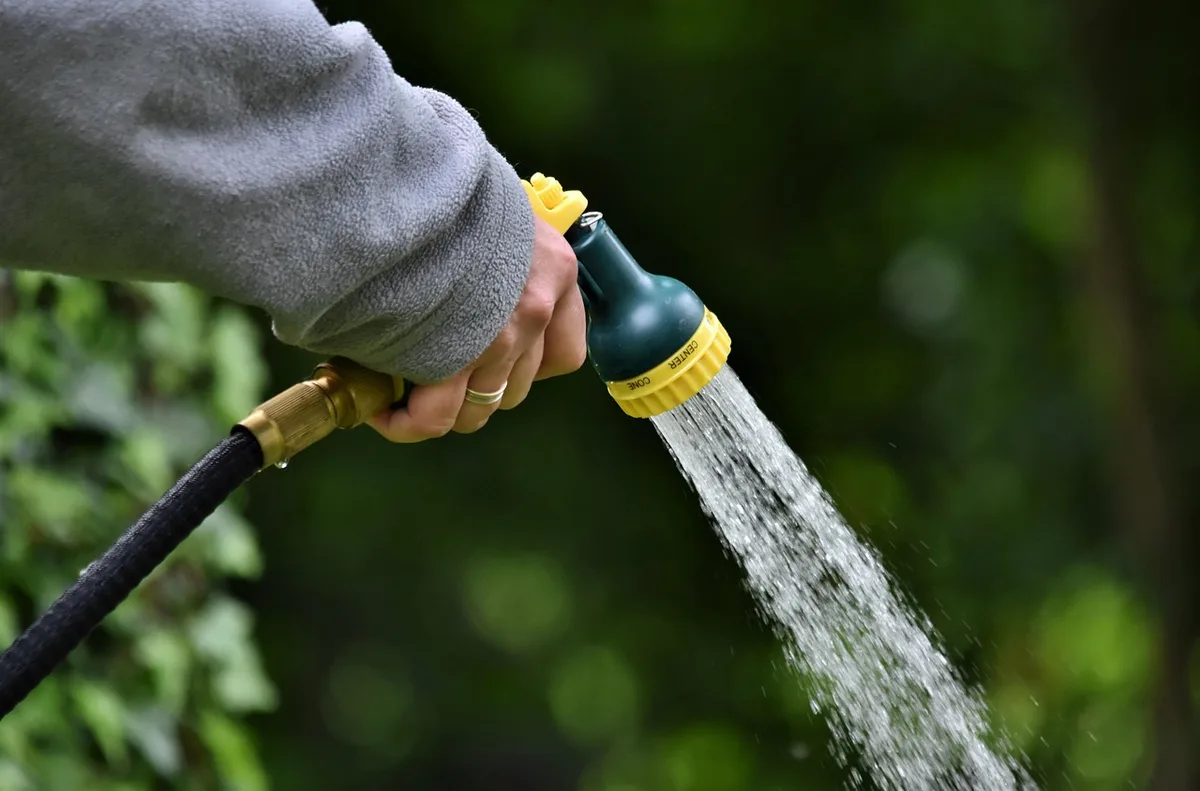
Image source: Pixabay / Ralphs_Fotos (Pixabay Content License)
Don't repeat applications more than once every two weeks. Frequent drenching strips the soil of beneficial microbes and can create a biological vacuum that pathogens recolonize faster than helpful organisms.
Seed and root soak procedure
For seed sterilization, mix 1 to 2 tablespoons of 3% hydrogen peroxide into 1 quart of water. Soak seeds for 5 to 10 minutes, then rinse thoroughly with clean water before planting. This reduces surface spores without damaging the seed embryo at this dilution.
For transplant roots, use the same dilution and dip the root ball for 3 to 5 minutes. Rinse lightly before placing in the ground. This is most useful when you're transplanting into soil with a known verticillium history and want to minimize introducing fresh inoculum on root surfaces.
Tool sterilization protocol
This is simple and highly effective. Fill a bucket or tray with undiluted 3% hydrogen peroxide. Submerge pruning shears, knives, stakes, and pots for at least 10 minutes.
Remove and let them air dry. No rinsing needed since the peroxide breaks down into water and oxygen.
Do this between every plant when working in infected soil. It takes minutes and is one of the most impactful sanitation steps you can take.
Mistakes That Make Verticillium Worse
Even well-intentioned treatments can backfire. Here are the most common errors gardeners make when dealing with verticillium wilt.
Treating an infected plant instead of removing it. Once vascular browning is visible inside the stem, the plant is a lost cause. Keeping it in the ground gives the fungus time to produce more microsclerotia and spread. Pull it, bag it, and dispose of it.
Using concentrated peroxide on roots. Full-strength 3% peroxide can burn root tips and damage root hairs. Always dilute for any application that contacts living plant tissue. The antifungal benefit doesn't require high concentrations at the root zone.
Over-drenching the soil. Repeated applications every few days strip out beneficial fungi and bacteria. You end up with sterile soil that's actually more vulnerable to pathogen recolonization. Once before planting is enough for preventive treatment.
Composting infected plant material. Verticillium microsclerotia survive typical home composting temperatures. Unless your pile consistently reaches 160 degrees Fahrenheit or higher, you're just recycling the pathogen back into your garden.
Confusing verticillium with other wilts. Fusarium wilt, bacterial wilt, and even severe drought stress can look similar. If you're not sure, cut a stem and check for internal browning. Lab testing through your local university extension service can confirm the diagnosis before you invest in treatment.
Ignoring tool hygiene. Moving from an infected plant to a healthy one with the same pruning shears is one of the fastest ways to spread the disease. Sterilize between every cut if verticillium is confirmed in your garden.
What Works Better: Alternatives and Complementary Strategies
Hydrogen peroxide has a role, but it's a supporting player. The most effective verticillium management strategies address the pathogen's long survival in soil and its wide host range.
Resistant cultivars
This is the single most effective long-term strategy. Many tomato, potato, and pepper varieties carry verticillium resistance genes. Look for varieties labeled with a "V" resistance code.
University extension programs maintain updated lists of resistant cultivars suited to your region. Planting resistant varieties doesn't eliminate the pathogen, but it dramatically reduces crop loss.
Soil solarization
In warm, sunny climates, soil solarization is a proven method for reducing verticillium inoculum in the top 12 inches of soil. The process involves covering moist soil with clear plastic sheeting for 4 to 6 weeks during the hottest part of summer. Soil temperatures under the plastic can reach 140 degrees Fahrenheit, which kills a significant portion of microsclerotia near the surface.
Image source: Pixabay / juairiaa (Pixabay Content License)
Research from the University of California Statewide IPM Program confirms that solarization reduces but does not eliminate verticillium populations. It works best as part of an integrated approach alongside resistant varieties and good sanitation.
Biofungicides
Products containing Trichoderma harzianum or Bacillus subtilis can suppress verticillium through competition and antibiosis. These beneficial organisms colonize the root zone and create a biological barrier against fungal invasion. They won't cure infected plants, but applied preventively at planting time, they can reduce disease severity.
Biofungicides are most effective when soil conditions favor microbial activity. Moderate temperatures, adequate moisture, and reasonable organic matter levels all help these organisms establish.
Crop rotation and sanitation
Rotating away from susceptible crops for 3 to 4 years reduces inoculum pressure, though it won't eliminate microsclerotia entirely given their 10 to 15 year survival window. Avoid planting tomatoes, peppers, eggplants, potatoes, or strawberries in the same bed consecutively.
Sanitation ties everything together. Clean tools, remove infected debris, avoid moving soil from infected beds to clean ones, and don't use untreated compost from infected plants. These steps cost almost nothing and have outsized impact.
Safety, Legal, and Compliance Considerations
Handling hydrogen peroxide at any concentration requires basic safety awareness. At 3% household strength, the risk is minimal. Skin contact may cause mild irritation.
Eye contact should be flushed with water immediately.
At 10% and 35% concentrations, the stakes are higher. These solutions can cause chemical burns on skin and serious eye damage. Always wear nitrile gloves and safety goggles when handling concentrations above 3%.
Work in a ventilated area. Store in the original container, away from heat and light, which accelerate decomposition.
For organic growers, hydrogen peroxide's status depends on the specific product and concentration. The EPA classifies certain H₂O₂ products as exempt under FIFRA Section 25(b) as minimum-risk pesticides. However, OMRI listing varies by product formulation.
Check the OMRI database for your specific product before relying on it for certified organic production.
Hydrogen peroxide is not a registered fungicide for verticillium wilt in most jurisdictions. It's sold as a general-purpose oxidizer and disinfectant. Using it as a plant disease treatment falls into a regulatory gray area.
This doesn't mean it's illegal, but it means you won't find EPA-approved label directions for verticillium control specifically.
Dispose of unused high-concentration solutions according to local hazardous household waste guidelines. Don't pour large quantities down the drain, as the oxidant can damage septic systems and react with other chemicals in wastewater.
Realistic Expectations: What Results You Can Actually Get
Managing expectations is arguably the most important part of this topic. Hydrogen peroxide will not eradicate verticillium from your garden. No single treatment will.
The goal is reducing inoculum pressure and buying time for plants to establish before infection takes hold.
In controlled greenhouse settings, soil drenching with hydrogen peroxide before planting has shown measurable reductions in spore germination rates. Field results are more variable. Soil type, organic matter content, moisture levels, and temperature all influence how much of the oxidant reaches target pathogens.
Think of hydrogen peroxide as one layer in a multi-layered defense. It works best when combined with resistant varieties, crop rotation, sanitation, and healthy soil biology. Relying on it alone is like locking one door while leaving the windows open.
Frequently Asked Questions
Can hydrogen peroxide cure a plant with verticillium wilt?
No. Once the fungus enters the vascular system, hydrogen peroxide cannot reach it inside the plant. The oxidant breaks down too quickly in soil to affect established infections.
Remove and destroy infected plants instead of trying to treat them.
How often should I apply hydrogen peroxide to soil?
Once before planting is sufficient for preventive treatment. Repeated applications damage beneficial soil organisms and can worsen long-term soil health. If you're treating a known infected bed, one thorough drench 24 to 48 hours before transplanting is the standard approach.
Is hydrogen peroxide safe for all plants at 3% concentration?
At 3% diluted in water, it's generally safe for most plants when used as a soil drench before planting. Never apply undiluted peroxide to roots or foliage. Sensitive seedlings may show stress at concentrations that mature plants tolerate fine.
Does hydrogen peroxide kill beneficial soil microbes?
Yes, at concentrations effective against fungal spores. This is the core trade-off. You're reducing the pathogen load but also disrupting the microbial community that helps plants resist disease.
This is why one targeted application beats repeated drenching.
What percentage of hydrogen peroxide is best for verticillium prevention?
Standard 3% household peroxide, diluted further for soil application, works for most home garden situations. Higher concentrations carry greater handling risk without proportionally better results in typical garden soil conditions.
Can I use hydrogen peroxide in certified organic production?
It depends on the specific product. Some hydrogen peroxide formulations are OMRI listed, others are not. Check the OMRI database for your specific product before using it in a certified organic system.
The Bottom Line: Should You Use Hydrogen Peroxide for Verticillium Wilt?
Hydrogen peroxide earns its place in a verticillium management toolkit, but only if you use it for the right jobs. It's excellent for tool sterilization and useful as a preventive soil drench before planting. It is not a cure, and it should never replace the foundational strategies of planting resistant varieties, practicing good crop rotation, and maintaining strict sanitation.
If you've got a bed with confirmed verticillium history, here's a practical sequence: solarize the soil if your climate allows it, apply a diluted hydrogen peroxide drench a day or two before planting, choose resistant cultivars, and sterilize your tools between every plant. That layered approach gives you the best odds, and hydrogen peroxide plays a real if modest role in it.