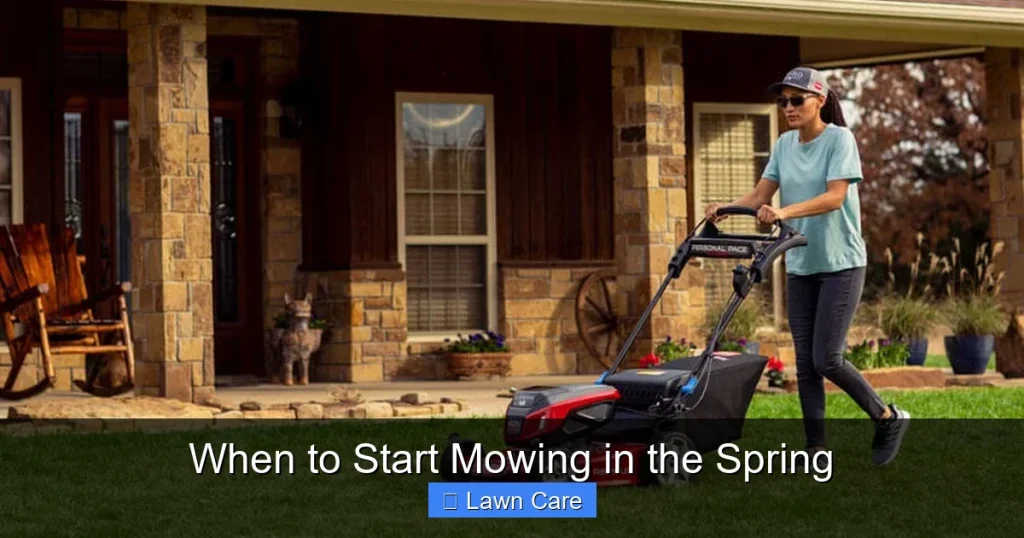
Knowing when to start mowing in the spring is crucial for a healthy lawn. Wait until your grass has actively started growing and the soil isn’t too wet. Mowing too early can damage your grass and invite problems.
The first warm days of spring are always a welcome sight. After a long, cold winter, we’re all eager to get outside and shake off the hibernation. For many homeowners, this also means thinking about their lawn. But when exactly is the right time to dust off the mower and get started? It’s a question that sparks debate and can lead to common lawn care mistakes if answered incorrectly.
Starting your mowing routine too early can actually do more harm than good. It can stress your lawn when it’s trying to recover from winter and promote weed growth. On the other hand, waiting too long can lead to overgrown grass that’s difficult to manage and can even signal underlying issues with your lawn’s health. So, let’s dive into the signs that tell you your lawn is truly ready for its first spring haircut.
Key Takeaways
- Grass Growth is Key: The most important indicator is active grass growth. Don’t mow if your grass is still dormant.
- Soil Moisture Matters: Avoid mowing when the ground is saturated. Stepping on wet soil compacts it and can harm grass roots.
- Height is a Sign: Once your grass reaches about one-third longer than its ideal mowing height, it’s a good signal to start.
- Weed Pressure: The presence of early spring weeds can also prompt the need for mowing to keep them in check.
- Seasonal Differences: Be aware that the timing varies greatly depending on your climate and grass type.
- Mowing Technique: Always use a sharp blade and only remove one-third of the grass blade at a time.
Quick Answers to Common Questions
When is the earliest I can mow my lawn in spring?
The earliest you should consider mowing is when your grass shows active signs of growth, is at least a third taller than its ideal mowing height, and the soil is no longer saturated. Rushing this can damage your lawn.
What if my lawn looks green but isn’t growing much?
A superficial greening doesn’t mean your grass is ready. Look for actual elongation of the grass blades. If the blades snap easily, they are likely still dormant and not ready to be cut.
Can I mow my lawn if it’s still a bit damp?
It’s best to avoid mowing if the soil is still damp and feels “springy.” Mowing wet soil can lead to compaction, root damage, and a ragged cut on the grass blades.
How does the type of grass affect when I should start mowing?
Cool-season grasses (like fescue) tend to start growing earlier in spring than warm-season grasses (like Bermuda). You’ll need to adjust your mowing schedule based on your specific grass type’s growth cycle.
Should I sharpen my mower blade before the first mow?
Absolutely! A sharp blade makes a clean cut, which is healthier for your grass. A dull blade tears the grass, making it more susceptible to diseases and pests.
📑 Table of Contents
Understanding Grass Growth Cycles
The absolute most important factor in deciding when to start mowing in the spring is observing your grass’s growth. Your lawn might look a little greener, but that doesn’t mean it’s ready for the mower. Grass needs to be actively growing before you can even think about cutting it. Think of it like this: if you tried to cut a sleeping person’s hair, it wouldn’t be very effective, right? The same applies to dormant grass.
When Grass is Actively Growing
You’ll know your grass is actively growing when you see new green blades emerging and lengthening. This isn’t just a superficial greening from melting snow or early warmth; this is genuine, new growth. A good rule of thumb is to wait until the grass blades have grown at least a half-inch to an inch beyond their normal height. For example, if your cool-season grass typically stays around 2-3 inches tall, you might wait until it reaches 3-4 inches before the first mow. This ensures the grass has built up enough energy reserves to withstand the stress of cutting.
Dormant vs. Active Growth
It’s crucial to distinguish between dormant grass that’s just starting to wake up and grass that’s in full swing. Dormant grass may show some color change, but the blades won’t be elongating significantly. Active growth means you can see a noticeable increase in height day by day. If you’re unsure, try tugging on a few blades. If they snap off easily, they’re likely still dormant. If they feel elastic and resilient, that’s a sign of active growth. Understanding these cycles is fundamental to successful lawn care, just like knowing when to start spring lawn care in general.
Assessing Soil Conditions

Visual guide about When to Start Mowing in the Spring
Image source: experigreen.com
Beyond just looking at the grass, the condition of your soil plays a significant role in determining the right time to start mowing. Mowing on wet, soggy soil can lead to several problems, including soil compaction and damage to the grass roots.
The “Springy” Test
A simple test you can do is the “springy” test. Step on a section of your lawn. If your feet sink into the soil and leave deep impressions, or if the ground feels squishy and wet, it’s too soon to mow. Your mower will do even more damage by pressing down on this saturated soil, compacting it and making it harder for water and nutrients to penetrate the root zone. Wait until the soil feels firm and dry enough to support your weight without significant indentation.
Benefits of Dry Soil for Mowing
Mowing on dry soil provides a cleaner cut. Wet grass blades tend to clump and tear rather than slice cleanly when cut. This ragged tearing can leave your grass more susceptible to diseases and pests. Furthermore, dry soil prevents the mower from scalping or digging into the turf, which can create bare patches and an uneven appearance. Waiting for the soil to dry out also helps prevent the spread of lawn diseases, which thrive in damp conditions.
Observing Weed Growth
While we typically think of mowing as primarily for grass, it also plays a role in managing weeds. The appearance of certain early spring weeds can be an indirect signal that it’s time to start mowing.
Early Spring Weeds as an Indicator
Many common lawn weeds, like dandelions and clover, start to sprout and grow actively as the weather warms. If you’re seeing these weeds emerge and grow taller than your grass (or starting to reach a noticeable size), it’s often a sign that your grass is also beginning to grow, albeit perhaps a bit slower initially. Mowing at this stage can help keep these weeds from going to seed, preventing a larger infestation later in the season. It’s part of a proactive approach to lawn care.
Managing Weeds Through Mowing
Regular mowing, once your grass is ready, can actually help suppress weed growth. By keeping your grass at an optimal height, you create a dense canopy that shades out weed seedlings, preventing them from getting the sunlight they need to germinate and grow. This is particularly effective against annual weeds. However, it’s important to note that mowing alone isn’t a complete weed control solution. For persistent or aggressive weeds, you might still need to consider other methods. For instance, learning how to prevent crabgrass in the spring is a key strategy for many homeowners.
Considering Your Grass Type and Climate
The “when” of spring mowing isn’t a one-size-fits-all answer. Your specific grass type and the climate you live in are huge determining factors. Different grasses have different growth patterns and tolerances.
Cool-Season vs. Warm-Season Grasses
Cool-season grasses, like fescue and bluegrass, typically start growing earlier in the spring as temperatures begin to rise. They often become active when daytime temperatures are consistently in the 50s and 60s Fahrenheit. Warm-season grasses, such as Bermuda and Zoysia, are more sluggish in the spring. They often don’t start significant growth until the soil temperatures are consistently warmer, usually in the 70s Fahrenheit. You might see a bit of greening on warm-season lawns, but new blade growth will be minimal until sustained warmth arrives.
Regional Variations
The average last frost date in your region is a good indicator of when spring growth will truly begin. In warmer climates, this might be as early as February or March. In colder regions, it could be as late as May. For example, if you’re in a region where crabgrass is a major concern, timing your first mow might also be influenced by when you apply crabgrass preventer. Knowing when is the best time to apply crabgrass preventer can offer clues about your lawn’s overall readiness. For specific regions, looking up details like “when is the best time to seed Bahia grass in Florida” can give you a sense of regional growth patterns.
Preparing Your Mower and Lawn
Before you even think about the first cut, it’s essential to get your equipment and your lawn in order. A little preparation goes a long way in ensuring a healthy start.
Mower Maintenance
First things first: check your mower. Is the blade sharp? A dull blade tears grass, leaving it vulnerable to disease. It’s best to sharpen or replace your mower blades at least once a year, and spring is the perfect time. Also, check the oil, air filter, and fuel levels. Ensure the mower is in good working order before you head out for that first mowing session. A well-maintained mower makes the job easier and is better for your lawn.
Raking and Debris Removal
Before the first mow, it’s a good idea to lightly rake your lawn. This helps remove any lingering leaves, twigs, or other debris that accumulated over the winter. Raking also helps to gently lift any matted grass blades, allowing for better air circulation and encouraging growth. If you notice any bare patches or areas where grass didn’t quite make it through the winter, now might be the time to consider a little overseeding or patching. This is part of the overall strategy when you how to start lawn care in spring.
Best Practices for the First Spring Mow
Once you’ve determined that your lawn is ready, there are specific techniques to use for that crucial first spring mow to ensure the health and appearance of your grass.
Mow Higher Than Usual
For the first mow of the season, it’s generally recommended to set your mower deck to a higher setting than you might use during the peak summer months. Cutting too much grass too soon can shock the system. If your typical mowing height is 2.5 inches, consider starting at 3 or 3.5 inches. This allows the grass blades to retain more energy and helps them recover from winter stress.
The One-Third Rule
Always adhere to the one-third rule: never remove more than one-third of the grass blade’s height in a single mowing. This is especially important in the spring when the grass is still establishing its growth. Cutting off too much at once can stress the plant, making it more susceptible to disease and drought. If your grass has grown excessively long, you might need to mow it multiple times over a week or two, gradually lowering the deck to reach your desired height.
Bagging Clippings (Optional but Recommended for First Mow)
While mulching grass clippings is generally good for the lawn, for the very first spring mow, you might consider bagging them. This is especially true if your lawn has accumulated a lot of winter debris or if the grass is particularly long and wet. Excess clippings can smother the grass or create thatch, hindering growth. Once the grass is growing vigorously and you’re mowing regularly, mulching can resume.
In conclusion, the decision of when to start mowing in the spring is a nuanced one, requiring observation and a good understanding of your lawn’s needs. By paying attention to active grass growth, soil conditions, weed pressure, and your specific grass type and climate, you can make an informed decision. Proper preparation and adherence to best mowing practices will set your lawn up for a healthy, vibrant growing season. Don’t rush it; a little patience now will pay off in a beautiful lawn all summer long.
Frequently Asked Questions
What are the signs my lawn is ready for its first spring mow?
The primary signs are active grass growth (new blades are noticeably lengthening), the grass reaching a height about one-third longer than its usual mowing height, and the soil being firm enough to walk on without sinking.
Is it okay to mow over small weeds in the spring?
Yes, mowing can help manage early spring weeds by preventing them from going to seed. However, it’s important to ensure your grass is also actively growing and ready for mowing, not just the weeds.
How high should I set my mower for the first spring mow?
It’s generally best to start with a higher mower deck setting than your typical summer height. This reduces stress on the grass as it recovers from winter dormancy and encourages healthy growth.
What happens if I mow my lawn too early in the spring?
Mowing too early can stress the grass, damage delicate new growth, compact the soil if it’s wet, and potentially invite diseases or pests to take hold in the weakened turf.
How often should I mow after the first spring mow?
This depends on your grass type and growth rate. Initially, you might mow weekly, but as temperatures warm and growth accelerates, you may need to mow more frequently, always adhering to the one-third rule.
Should I bag the grass clippings from the first spring mow?
For the very first mow, especially if the grass is long or contains winter debris, bagging the clippings can prevent smothering the lawn. Once the grass is growing vigorously, mulching is generally beneficial.