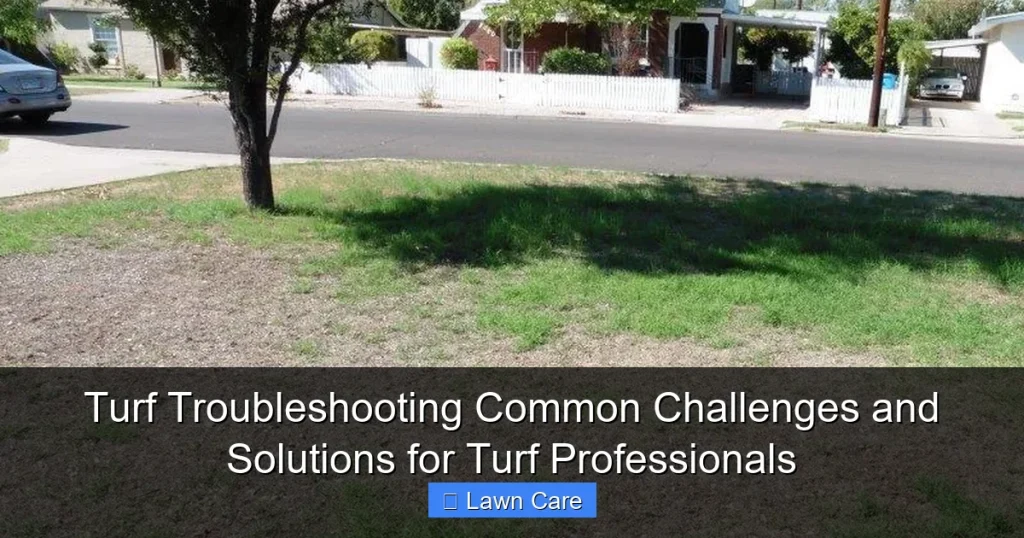
Turf professionals face many challenges, but understanding common issues and their solutions is key to success. This guide tackles everything from pest infestations and diseases to drainage problems and nutrient deficiencies. By implementing proactive strategies and prompt interventions, you can ensure healthy, vibrant turf that clients will love.
Hey there, fellow turf enthusiasts! We all know that the world of professional lawn care is incredibly rewarding, but let’s be honest, it’s not always a walk in the park. We battle Mother Nature, stubborn pests, and the occasional unexpected fungal outbreak. It’s a constant learning game, and that’s what makes it exciting! As turf professionals, our goal is to create and maintain lush, healthy, and resilient green spaces for our clients. But what happens when things go south? When those tell-tale signs of trouble start appearing on our meticulously cared-for lawns? That’s where our troubleshooting skills come into play.
This isn’t about pointing fingers or feeling defeated. It’s about empowering ourselves with the knowledge to tackle the most common turf challenges head-on. We’re going to dive deep into the nitty-gritty of what can go wrong and, more importantly, how to fix it. From identifying mysterious spots to understanding why your watering schedule isn’t quite cutting it, we’ve got you covered. Think of this as your go-to guide for turning those turf troubles into triumphs.
## Identifying and Combating Common Turf Pests
Pests are a persistent nuisance in the turf world. They can wreak havoc on lawns, leaving behind unsightly damage and weakening the grass, making it more susceptible to other problems. The first step to effective pest control is accurate identification. Are you dealing with grubs, chinch bugs, armyworms, or something else entirely?
### Grubs: The Hidden Culprits
Grubs are the Cinderellas of the soil – they’re usually unseen until the damage is widespread. These C-shaped larvae feed on grass roots, causing entire sections of turf to die and lift away like a loose carpet. You might notice yellowing patches that quickly turn brown and brittle, especially during dry periods.
* **Identification:** Dig up a small section of affected turf. If you find C-shaped white grubs, you’ve found your culprit. You’ll often see them just below the surface of the soil.
* **Solutions:** For minor infestations, encouraging beneficial nematodes through proper soil management can help. For more serious outbreaks, a curative insecticide applied when grubs are actively feeding (usually in late summer or early fall) is necessary. Always follow label instructions carefully.
### Chinch Bugs: Tiny Terrors
Chinch bugs are small, but their impact can be significant. These tiny insects suck the sap from grass blades, injecting a toxin that causes grass to turn brown and die. They often congregate in sunny, dry areas, particularly with certain grass types like St. Augustine.
* **Identification:** Look for small, black insects with white markings (adults) or smaller, reddish-brown nymphs. You might need a magnifying glass. They often cause irregular brown patches that can expand rapidly.
* **Solutions:** Proper watering is key. Chinch bugs thrive in dry conditions. Dethatching can also help, as they often hide in dense thatch. Insecticides are effective, but it’s important to apply them when you see active bugs.
### Armyworms and Cutworms: Surface Feeders
Armyworms and cutworms are larval stages of moths that can defoliate large areas of turf quickly. Armyworms often move in large groups, like an army, hence the name, while cutworms can sever grass blades at the soil line.
* **Identification:** Look for small, striped caterpillars. You might see chewed grass blades or patches of brown, eaten-away turf. They are most active at night.
* **Solutions:** Bacillus thuringiensis (Bt) is a biological control that works well for caterpillars. Insecticides can also be used, but targeting them when they are young and actively feeding is most effective.
### Integrated Pest Management (IPM) is Your Best Friend
Remember, the goal isn’t just to kill pests, but to manage them sustainably. This is where Integrated Pest Management (IPM) comes in. It’s a proactive approach that combines various strategies. This includes understanding the life cycles of pests, encouraging natural predators, using cultural practices like proper mowing and watering to create a healthier lawn that’s less attractive to pests, and only resorting to chemical controls when absolutely necessary and used judiciously.
## Tackling Fungal Diseases and Turf Health
Diseases can spread rapidly, especially in specific weather conditions. Understanding common fungal diseases and how to prevent them is crucial for turf professionals.
### Common Turf Diseases
* **Dollar Spot:** Characterized by small, straw-colored spots about the size of a silver dollar. It thrives in humid conditions and can be exacerbated by low nitrogen levels.
* **Brown Patch:** Creates circular or irregular patches of brown, blighted turf, often with a dark, “smoke-ring” border in the early morning. It’s a common issue in warm-season grasses during hot, humid weather.
* **Red Thread:** Appears as pinkish-red threads or patches within the turf. It often occurs in cool, moist weather when nitrogen levels are low.
### Prevention is Better Than Cure
* **Proper Mowing Practices:** Avoid mowing too low, as this stresses the grass and makes it more vulnerable. Ensure your mower blades are sharp to prevent tearing, which can create entry points for disease.
* **Watering Wisely:** Water deeply and infrequently, preferably in the early morning. This allows the grass to absorb moisture and the foliage to dry before nightfall, reducing the environment for fungal growth. Avoid overhead watering late in the day.
* **Aeration:** Poor soil drainage and compaction can contribute to disease. Regular aeration helps improve air and water movement into the soil, promoting healthy root growth and reducing disease pressure. This is especially important for addressing soil compaction.
* **Fertilization:** Maintain a consistent fertilization program tailored to the specific grass type and soil conditions. Deficiencies, particularly in nitrogen, can weaken the turf and make it more susceptible to diseases like red thread and dollar spot. For specific grass types, understanding fertilization schedules is key.
### Treatment Strategies
For active disease outbreaks, fungicides are often necessary. It’s vital to identify the specific disease correctly to choose the most effective fungicide. Always read and follow product labels carefully, and consider rotating fungicides to prevent resistance. For instance, if you’re dealing with common problems with Zoysia grass, understanding its susceptibility to certain diseases is crucial.
## Addressing Weed Infestations
Weeds are a constant battle, competing with turfgrass for nutrients, water, and sunlight. A proactive and multi-faceted approach is the most effective way to manage them.
### Types of Weeds
* **Grassy Weeds:** These resemble turfgrass but are often coarser and have different growth habits. Examples include crabgrass and goosegrass.
* **Broadleaf Weeds:** These have wider leaves and often produce more noticeable flowers. Examples include dandelions, clover, and chickweed.
### Control Methods
* **Pre-emergent Herbicides:** Applied before weed seeds germinate, these prevent weeds from sprouting. Timing is critical; apply them in early spring before soil temperatures consistently reach 55°F and again in the fall for winter annuals. This is a cornerstone of effective weed control.
* **Post-emergent Herbicides:** These are applied to kill existing weeds. For broadleaf weeds, a selective herbicide is best, targeting them without harming the turf. For grassy weeds, the type of herbicide depends on the turfgrass species. For example, understanding what is the best weed and feed for Bermuda grass or weed and feed for Bahia grass in Florida is essential for localized recommendations.
* **Cultural Practices:** A dense, healthy turf is the best defense against weeds. Proper mowing height, adequate watering, and regular fertilization will help your grass outcompete weeds. Dethatching can also reduce weed seed germination.
* **Hand-pulling:** For small infestations or specific troublesome weeds, hand-pulling can be effective, especially after rain when the soil is soft.
## Nutrient Deficiencies and Soil Imbalances
Healthy turf requires a balanced diet of essential nutrients and a suitable soil environment. Deficiencies or imbalances can lead to poor growth, discoloration, and increased susceptibility to pests and diseases.
### Soil Testing: The Foundation
Before you can address nutrient deficiencies, you need to know what’s lacking. Regular soil testing is non-negotiable for turf professionals. A soil test will reveal:
* **pH Level:** The acidity or alkalinity of the soil. Most turfgrasses prefer a slightly acidic to neutral pH (6.0-7.0). If the pH is too high or too low, plants can’t effectively absorb nutrients, even if they are present in the soil.
* **Nutrient Levels:** Key nutrients like nitrogen (N), phosphorus (P), and potassium (K) are crucial for turf health, as are micronutrients like iron and magnesium.
* **Organic Matter Content:** This affects soil structure, water retention, and nutrient availability.
### Common Nutrient Issues and Solutions
* **Nitrogen Deficiency:** Leads to a pale green or yellowish appearance, stunted growth, and reduced density. Solution: Apply a nitrogen-rich fertilizer. Slow-release formulations are often preferred for sustained feeding.
* **Iron Deficiency:** Causes yellowing between the veins of the grass blades (chlorosis), especially in alkaline soils. Solution: Apply chelated iron, which is readily available for uptake by the plant.
* **Potassium Deficiency:** Can result in weaker turf, increased susceptibility to drought and disease, and less vibrant color. Solution: Apply a fertilizer containing potassium.
### Improving Soil Structure
* **Aeration:** As mentioned before, aeration is critical for improving soil structure, allowing for better air and water penetration, and reducing compaction. What soil compaction means for your grass health is a fundamental concept to grasp.
* **Topdressing:** Applying a thin layer of compost or other organic matter can improve soil fertility, structure, and water-holding capacity over time. This is a great way to naturally improve your soil. You can even explore how to compost for lawn and garden to supplement your efforts.
## Drainage and Watering Issues
Improper watering and poor drainage are root causes of many turf problems, from fungal diseases to drought stress.
### The Dangers of Over-watering and Under-watering
* **Over-watering:** Creates a shallow root system, encourages fungal diseases, and can lead to thatch buildup. It also wastes water and can leach nutrients from the soil.
* **Under-watering:** Stresses the grass, making it susceptible to wilting, browning, and weed invasion. It can also lead to compaction as the soil dries out.
### Achieving Optimal Watering
* **Know Your Grass Type:** Different grass types have varying water needs. For example, Zoysia grass is relatively drought-tolerant once established, whereas some other grasses require more consistent moisture.
* **Observe the Turf:** Look for signs of stress like wilting, a dull blue-gray color, or footprints that remain visible long after being made.
* **Water Deeply and Infrequently:** Aim to moisten the soil 4-6 inches deep. This encourages deeper root growth, making the turf more resilient.
* **Water in the Morning:** This allows the grass to dry during the day, reducing disease potential.
* **Irrigation System Check-ups:** Ensure your irrigation system is functioning correctly, covering the entire lawn evenly, and not spraying sidewalks or driveways. Consider water-saving nozzles and smart controllers.
### Addressing Drainage Problems
* **Identify Low Spots:** Areas where water consistently pools are prime candidates for drainage issues.
* **Improve Soil Structure:** Aeration and topdressing with organic matter can improve the soil’s ability to absorb water.
* **Consider Drainage Systems:** For persistent problems, you might need to install French drains or other subsurface drainage solutions.
* **Adjust Grading:** In some cases, slight adjustments to the landscape’s grading can redirect surface water away from the turf.
## Managing Bare Spots and Thin Areas
Bare patches and thin areas are frustrating, but they often signal an underlying problem that needs addressing.
### Common Causes
* **Compaction:** Heavy foot traffic or equipment can compact the soil, preventing grass growth.
* **Pest or Disease Damage:** As discussed, these can leave dead or weakened turf.
* **Improper Mowing:** Mowing too low or with dull blades can damage grass.
* **Nutrient Deficiencies:** Lack of essential nutrients starves the grass.
* **Poor Soil Conditions:** Heavy clay or sandy soils can be challenging for grass establishment.
* **Animal Urination:** Dog urine can create brown spots.
### Solutions
* **Soil Preparation:** Loosen the soil in the bare patch. If compacted, aerate thoroughly. Incorporate some compost to improve soil health.
* **Overseeding:** This is the process of sowing grass seed directly into the existing turf or bare areas. Choose a high-quality seed mix appropriate for the existing turf and climate. Ensure good seed-to-soil contact for germination. For a thicker look, overseeding your lawn is a vital technique.
* **Fertilization:** Provide a starter fertilizer to encourage new seedling growth.
* **Watering:** Keep the seeded area consistently moist until the new grass is established.
* **Traffic Control:** Prevent foot traffic and heavy equipment from going over the area until the new grass is well-established.
* **Addressing the Root Cause:** If you’re overseeding because of pest, disease, or drainage issues, make sure those underlying problems are resolved first, or the new grass will likely fail too.
Troubleshooting turf problems is an ongoing process, but by understanding the common challenges and their solutions, you can build your confidence and expertise. It’s about being observant, acting decisively, and always striving for a healthier, more resilient turf. Remember, a healthy lawn is a testament to your skill and dedication as a turf professional. Keep learning, keep experimenting, and keep those lawns looking their absolute best!
- Accurate Diagnosis is Crucial: Properly identifying the root cause of a turf problem, whether it’s a pest, disease, or environmental stress, is the first step to effective treatment.
- Integrated Pest Management (IPM): Employing a holistic approach to pest control that combines biological, cultural, physical, and chemical tools to minimize pesticide use and environmental impact.
- Disease Prevention and Management: Understanding common turf diseases, their symptoms, and environmental triggers allows for preventative measures and targeted treatments to maintain turf health.
- Soil Health is Paramount: Addressing soil compaction, pH imbalances, and nutrient deficiencies through aeration, proper fertilization, and organic matter addition is vital for robust turf.
- Water Management is Key: Over-watering and under-watering can lead to numerous turf problems, so establishing appropriate irrigation schedules based on turf type and environmental conditions is essential.
- Weed Control Strategies: Utilizing a combination of pre-emergent herbicides, post-emergent treatments, and cultural practices can effectively manage weed populations.
- Client Communication is Vital: Keeping clients informed about turf conditions, recommended treatments, and ongoing maintenance will build trust and manage expectations.
Quick Answers to Common Questions
What is the first step in turf troubleshooting?
The very first step in turf troubleshooting is accurate diagnosis. You need to identify the root cause of the problem before you can effectively address it. This might involve examining the grass for pests or diseases, testing the soil, or assessing environmental conditions like watering and sunlight.
How can I prevent common lawn diseases?
Preventing common lawn diseases involves a combination of cultural practices. This includes proper mowing at the correct height with sharp blades, watering deeply and infrequently in the morning, ensuring good soil aeration and drainage, and maintaining a balanced fertilization program.
What is Integrated Pest Management (IPM)?
Integrated Pest Management (IPM) is a sustainable approach to pest control that uses a combination of methods. It prioritizes biological controls, cultural practices, and physical deterrents, resorting to chemical pesticides only when necessary and as a last resort, minimizing environmental impact.
When is the best time to apply pre-emergent herbicides?
Pre-emergent herbicides are most effective when applied before weed seeds germinate. For warm-season grasses, this typically means applying them in early spring before soil temperatures consistently reach 55°F. A fall application is also beneficial for controlling winter annual weeds.
Why is soil testing so important for turf health?
Soil testing is crucial because it provides vital information about the soil’s pH level and nutrient content. This data allows turf professionals to create targeted fertilization plans, amend soil pH if necessary, and ensure the grass has access to the nutrients it needs for optimal growth and health.
Frequently Asked Questions
How do I know if my lawn has grubs?
Signs of grub infestation include irregular brown patches that are dry and brittle, and sections of turf that can be easily lifted like a carpet because the grubs have eaten the roots. You can confirm by digging up a small section of affected turf and looking for C-shaped white grubs.
What is the difference between a broadleaf weed and a grassy weed?
Broadleaf weeds have wider leaves and often more noticeable flowers, like dandelions and clover. Grassy weeds, such as crabgrass, resemble turfgrass but have different growth habits and leaf structures, making them harder to distinguish at a glance.
How often should I aerate my lawn?
The frequency of aeration depends on your soil type and traffic levels. For most residential lawns, aerating once a year is beneficial. Heavily used areas or lawns with compacted soil may benefit from aeration twice a year, typically in the spring and fall.
What does it mean if my grass is turning yellow?
Yellowing grass can be caused by several factors, including nitrogen deficiency, iron deficiency, over-watering, under-watering, or certain diseases. A soil test and careful observation of the grass’s appearance and the surrounding conditions are needed to pinpoint the exact cause.
Can I use weed and feed products for all types of grass?
No, weed and feed products are not suitable for all grass types and can sometimes harm certain grasses, especially when applied at the wrong time. It’s essential to use a product specifically formulated for your grass type and to follow application instructions precisely. For example, there are specific formulations for Bermuda grass and other common varieties.
What are the pros and cons of different turf types?
Different turf types have unique benefits and drawbacks regarding drought tolerance, shade tolerance, wear resistance, and maintenance needs. Understanding these differences, like the pros and cons of turf in general or specific types such as Zoysia grass, is vital for selecting the right grass for a specific environment and client expectations.