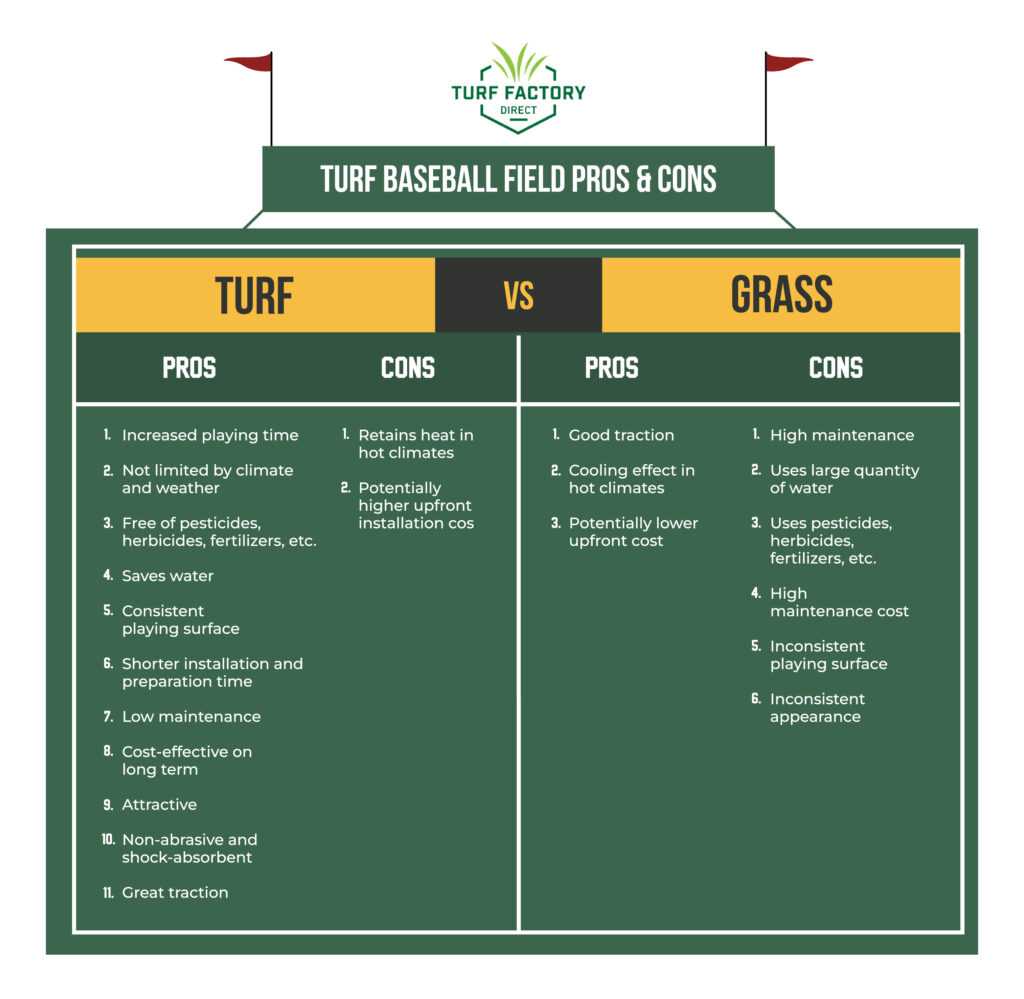
Looking for a perfect lawn all year round? Turf can be the quick fix, but is it truly the best choice? Turf offers a lush, green, and low-maintenance solution that instantly transforms your outdoor space, saving time and effort. However, it also comes with downsides like environmental concerns and initial costs. In this article, we’ll explore the benefits and drawbacks of turf to help you decide if it’s the right fit for your garden. Overall, turf provides convenience and aesthetic appeal but requires careful consideration of its environmental impact and long-term costs. Whether you’re after a pristine lawn with minimal work or wondering if turf is sustainable, understanding both sides will guide you to the best decision for your outdoor space.

Pros and Cons of Turf
Introduction to Turf
Turf, often called artificial grass or synthetic turf, has become a popular choice for many homeowners and sports facilities. It offers a low-maintenance alternative to natural grass and stays green all year round. But, like anything, turf has advantages and disadvantages worth considering.
Advantages of Turf
Low Maintenance Needs
One of the biggest benefits of turf is that it requires very little upkeep. Unlike natural grass, it does not need watering, mowing, or fertilizing. This saves time and money over the long run.
Durability and Longevity
Turf is designed to withstand heavy foot traffic and harsh weather conditions. High-quality turf can last over ten years with proper care, making it a cost-effective choice for many users.
Consistent Appearance
With turf, you get a lush, green lawn all year long. It does not turn brown or get patchy because of drought, pests, or disease. This creates an attractive yard regardless of the season.
Water Conservation
Since turf does not need watering to stay green, it helps conserve water. This is especially important in areas facing droughts or water restrictions. It reduces the overall water bill and is an environmentally friendly option.
Safe for Play and Sports
Turf provides a safe, even surface ideal for children’s play areas, football fields, and golf courses. Its shock-absorbing qualities can reduce injuries caused by falls.
Disadvantages of Turf
Initial Installation Cost
While turf can save money over time, the upfront installation cost can be high. Purchasing quality synthetic turf and paying for professional installation can be a significant expense.
Heat Retention
Turf tends to get very hot during sunny days, sometimes reaching temperatures uncomfortable or unsafe for walking barefoot. Special infill materials or cooling systems can help mitigate this problem.
Environmental Concerns
Although turf conserves water, it raises issues related to plastic waste and microplastics. When it wears out, disposing of old turf can be problematic, as it is not biodegradable.
Limited Comfort and Feel
Artificial turf lacks the softness and natural feel of real grass. It can feel harder underfoot and may be less pleasant for barefoot walking or lying down.
Potential for Chemical Use
Some turf products contain chemicals or require infill materials like rubber or sand, which may release toxins over time. This can be a concern for families with children or pets.
Subtopics Related to Turf
Types of Turf Materials
There are various types of turf, including nylon, polyethylene, and polypropylene. Each has different durability, appearance, and feel, affecting its suitability for different uses.
Installation Process
Proper installation involves preparing the ground, laying a shock pad or foundation, and securing the turf with staples or adhesives. Professionals often recommend installing a drainage system to prevent water pooling.
Maintenance and Cleaning
Although turf requires minimal maintenance, occasional brushing to keep fibers upright and rinsing to remove debris help keep it looking fresh. Using turf-specific cleaners can help eliminate pet odors or stains.
Cost Analysis: Turf vs Natural Grass
A comparison table can help evaluate the long-term costs, factoring in installation, maintenance, water, and repair expenses. Natural grass might be cheaper initially but more costly over time.
| Aspect | Turf | Natural Grass |
|---|---|---|
| Initial Cost | High | Lower |
| Maintenance | Minimal | Regular (watering, mowing, fertilizing) |
| Water Usage | Minimal | High |
| Durability | Long-lasting | Requires reseeding or repairs |
| Appearance | Consistent green all year | Seasonal variations |
Environmental Impact and Sustainability
Discussion about eco-friendly turf options, including recycled materials or biodegradable solutions, helps address sustainability concerns. Choosing turf with proper certifications can reduce environmental footprint.
Choosing between turf and natural grass depends on your specific needs and priorities. While turf offers advantages like low maintenance and durability, it also has drawbacks such as heat retention and environmental issues. Carefully weigh these pros and cons to make an informed decision that fits your lifestyle and environment.
ARTIFICIAL TURF PROS AND CONS – How to Choose the Right Synthetic Grass for Your Home
Frequently Asked Questions
What environmental impacts should I consider with turf installation?
Artificial turf can reduce water usage and eliminate the need for lawn chemicals, which benefits the environment. However, it also raises concerns about plastic waste and microplastic runoff. Additionally, turf fields can contribute to heat absorption, raising local temperatures. Evaluating these factors helps determine whether turf aligns with your ecological priorities.
How does turf affect local wildlife and biodiversity?
Replacing natural grass with turf can limit habitat opportunities for insects, birds, and other wildlife. Natural lawns support diverse ecosystems, while turf provides little to no nourishment or shelter for wildlife. If supporting biodiversity matters to you, consider how turf installation might impact your local environment.
What are the long-term maintenance considerations for turf versus natural grass?
Turf requires minimal maintenance like occasional cleaning and infill replacement, which keeps upkeep straightforward. Natural grass, on the other hand, demands regular mowing, watering, fertilizing, and pest control. These ongoing efforts influence both your time commitment and costs over the years, which can weigh heavily in your decision-making process.
Can turf provide the same feel and appearance as natural grass?
High-quality turf closely mimics the look and softness of natural grass, making it suitable for many recreational activities. However, some users notice differences in texture and temperature, especially during hot weather, which may influence your overall experience and preference.
What safety considerations should I keep in mind with turf surfaces?
Artificial turf can be safer for play since it provides a consistent, even surface and reduces mud and uneven patches. Nonetheless, concerns about heat retention and the possibility of minor abrasions exist. Choosing turf with appropriate infill and proper installation can mitigate potential safety issues for users.
Final Thoughts
Pros and cons of turf highlight its practicality and low maintenance needs. Turf offers a flawless, green appearance year-round and resists weather damage, making it ideal for busy schedules. However, it can be costly initially and may cause drainage issues or heat retention.
In addition, turf reduces the need for watering and chemical treatments, promoting sustainability. On the downside, some argue that artificial grass lacks the natural feel and can contribute to environmental concerns through plastic waste.
Overall, turf provides many benefits but also presents certain drawbacks. Carefully weighing pros and cons of turf helps you make an informed decision suited to your needs.